Systemic racism and social exclusion have profoundly impacted marginalized communities throughout history. These injustices have shaped the lives and struggles of Black, brown, Indigenous, women, and LGBTQ+ individuals, driving them to become powerful forces for progressive change. Understanding the historical context and the ongoing challenges these communities face is crucial to appreciating their role in advocating for equity and justice.
Historical Context of Marginalized Communities
Systemic racism, deeply ingrained in the history of the United States, has long marginalized Black and brown communities. Policies and practices dating back to slavery and Jim Crow laws established a framework of discrimination and inequality. Redlining, which restricted African Americans from buying homes in certain neighborhoods, created lasting disparities in wealth and housing.
Economic disenfranchisement has been another tool used to marginalize. Black farmers, for instance, have endured discriminatory government programs leading to land loss. Manipulated lending practices have contributed to a significant racial wealth gap.
Social exclusion manifests daily for marginalized groups. Indigenous people have faced massive land dispossession and cultural erasure. Women, especially those of color, encounter barriers in almost every sector, from unequal pay to limited representation in leadership. Queer people constantly battle for recognition and rights, only recently gaining some ground in legal protections.
This systemic oppression has spurred marginalized communities to become catalysts for progressive change. Their struggles have led to significant social justice movements—such as Civil Rights, LGBTQ+ rights, and the Women's Movement. These efforts continue to drive modern reform, as seen in grassroots movements like Black Lives Matter and the fight for environmental justice.
The long-term impacts of systemic injustices are pervasive. Poorer education systems, inadequate healthcare, and fewer job opportunities perpetuate a cycle of poverty and exclusion in marginalized communities. These realities underscore the ongoing necessity for change and reform.
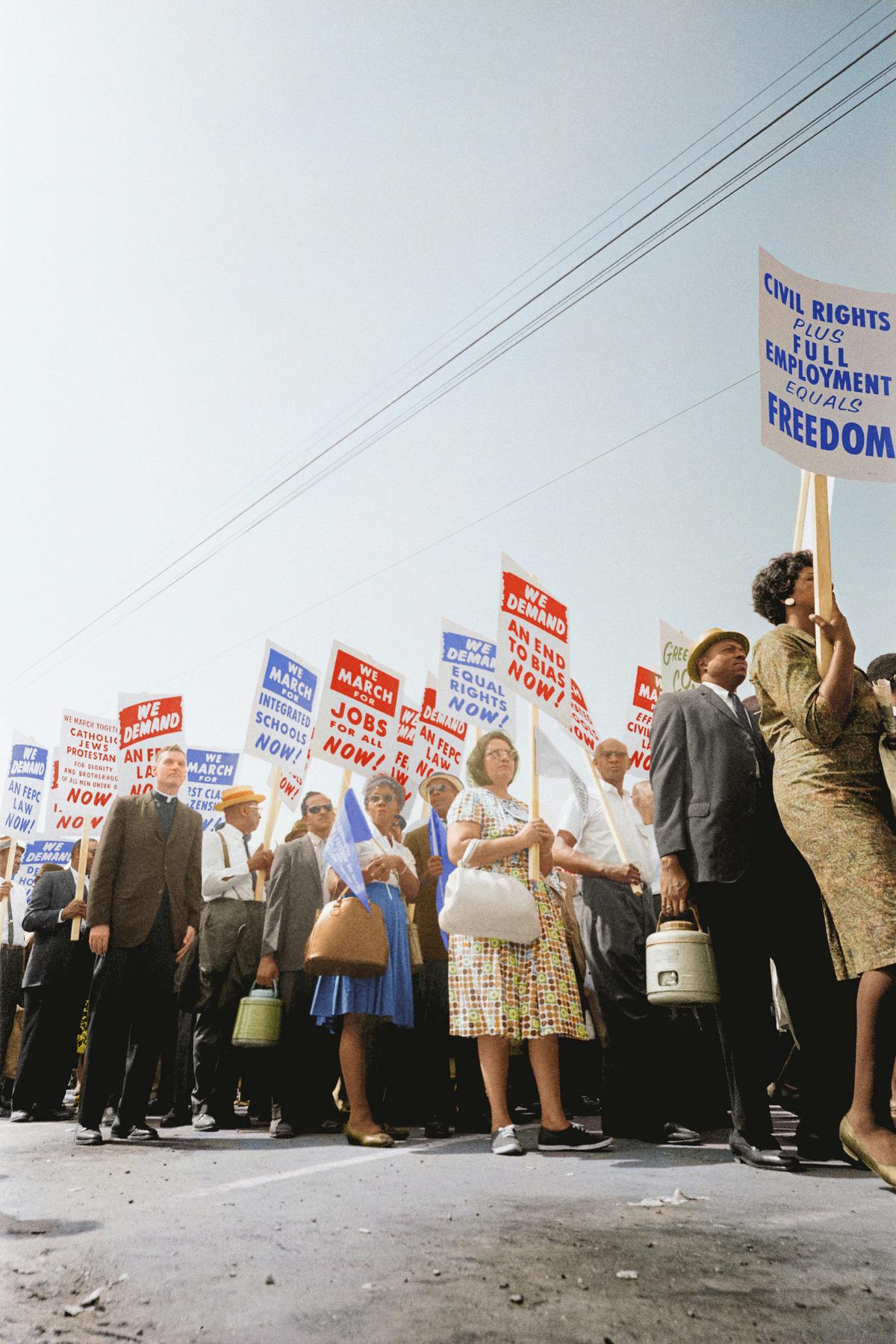
Photo by unseenhistories on Unsplash
Role of Marginalized Communities in Progressive Movements
Marginalized communities have been the driving force behind significant social, economic, and political changes throughout history. Their contributions have been instrumental in shaping a fairer and more just society.
The Civil Rights Movement, led by figures like Rosa Parks, Dr. Martin Luther King Jr., and John Lewis, fought to dismantle institutionalized racial segregation and discrimination. Their efforts, including the Montgomery Bus Boycott and the March on Washington, were foundational to the passage of landmark legislation like the Civil Rights Act of 1964 and the Voting Rights Act of 1965.
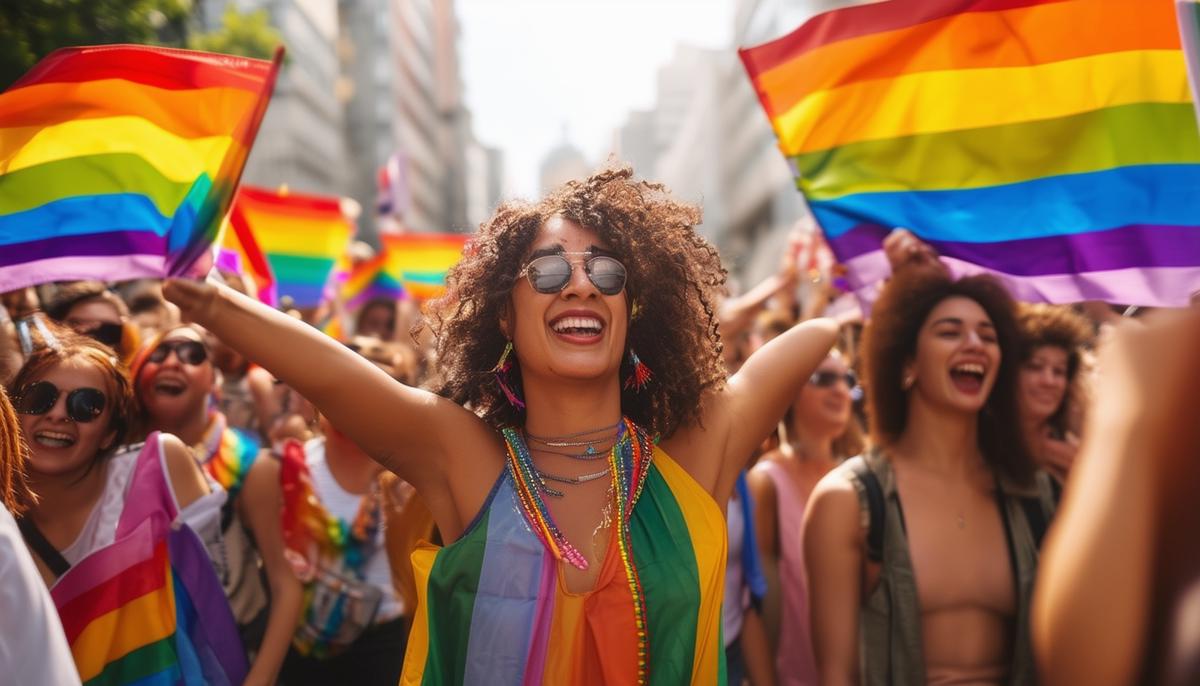
The LGBTQ+ community, with activists such as Harvey Milk, Marsha P. Johnson, and Sylvia Rivera, has been at the forefront of the fight for equality and acceptance. The Stonewall Riots of 1969 sparked a national dialogue on sexual orientation and gender identity, paving the way for significant legislative progress.
Indigenous communities, led by figures like Wilma Mankiller and organizations such as the American Indian Movement (AIM), have fought to reclaim their sovereignty, protect their lands, and preserve their cultures. The Standing Rock Sioux Tribe's resistance against the Dakota Access Pipeline in 2016 brought global attention to Indigenous rights and environmental justice.
Women of color, including bell hooks, Audre Lorde, and Gloria Anzaldúa, have brought intersectionality to the forefront of gender equality discussions, creating a more inclusive approach to women's rights. Their efforts continue today in advocating for reproductive rights, unpaid labor recognition, and workplace equality.
Environmental justice has seen champions among marginalized communities, with activists like Hazel Johnson highlighting environmental hazards faced by low-income and minority neighborhoods. More recently, youth-led climate movements have integrated Indigenous knowledge and activism to address climate change.
Organizations like the Southern Christian Leadership Conference (SCLC), Parents and Friends of Lesbians and Gays (PFLAG), and the National Council of La Raza have provided the infrastructure needed to sustain these movements. Their advocacy and educational efforts have brought about policy changes and increased public awareness.
Voter mobilization efforts, led by groups like Black Voters Matter and activists like Stacey Abrams, have worked to combat voter suppression and increase turnout among disenfranchised populations. Their work was crucial in the 2020 election, demonstrating how grassroots efforts can shift the political landscape.
These leaders, organizations, and grassroots movements exemplify the resilience and determination of marginalized communities. They transform personal and collective suffering into substantial societal progress, ensuring that their voices are pivotal in shaping the future.
Challenges Faced by Marginalized Communities in Advocacy
Despite their significant impact on progressive movements, marginalized communities continue to face substantial challenges in their advocacy efforts.
- Institutional discrimination remains a primary systemic barrier. Laws and policies, both past and present, have often been designed to disenfranchise certain groups. For example, voter ID laws and gerrymandering disproportionately affect communities of color, creating significant hurdles to political participation.
- Economic constraints further exacerbate these barriers. Marginalized communities often lack access to the financial resources needed to sustain long-term advocacy efforts. This disparity in funding compared to more established movements can limit their ability to organize effectively or access important legal representation.
- The lack of representation in decision-making spaces poses another considerable challenge. When leadership does not reflect the diversity of the communities they aim to serve, it can lead to decisions that lack comprehensive understanding and resonance with those communities.
- Internal conflicts within advocacy organizations can also hinder progress. Disagreements over priorities and methods, often arising from generational, racial, and ideological differences, can create struggles to maintain unity and focus. These internal battles can dilute messaging and weaken external advocacy capabilities.
Marginalized communities often face significant pushback from external forces, including political opposition and social stigmatization. This resistance can manifest as counter-protests and misinformation campaigns designed to discredit their efforts. Such tactics not only delay progress but can also pose real threats to the safety and well-being of advocates.
The intersectionality of identities within marginalized communities adds layers of complexity to advocacy efforts. Individuals who exist at the crossroads of multiple marginalized identities often encounter compounded discrimination, making it more challenging to find inclusive and effective platforms for their voices.
The emotional toll of constant advocacy work cannot be overlooked. Fighting for recognition and justice in the face of entrenched societal prejudice can be exhausting, leading to burnout and diminishing the momentum of movements.
Despite these challenges, marginalized communities continue to push boundaries and drive progress. They innovate with limited resources, employing creative strategies like social media campaigns and collaborations with other movements to amplify their messages. By recognizing and addressing these various challenges, we can better support marginalized communities in their ongoing fight for equity and justice.
Case Studies of Successful Advocacy
Several recent advocacy efforts led by marginalized communities have achieved significant success, demonstrating the transformative power of grassroots movements. These case studies highlight innovative strategies, challenges overcome, and impactful outcomes that set standards for future campaigns.
The Fight for $15
The Fight for $15 movement, spearheaded by low-wage workers across the United States, aimed to raise the minimum wage to $15 an hour and secure better working conditions. Originating in New York City in 2012, the campaign used:
- Organized strikes
- Civil disobedience
- Partnerships with labor unions and community organizations
Its success stemmed from humanizing the plight of low-wage workers through personal stories that resonated with a broad audience. By framing fair wages as a matter of dignity and justice, the movement garnered widespread public support, leading several cities and states to enact legislation raising the minimum wage.
Dakota Access Pipeline Protests
The Dakota Access Pipeline protests, led by the Standing Rock Sioux Tribe, brought global attention to Indigenous rights and environmental justice. In 2016, the Tribe initiated resistance against the pipeline's construction, which threatened their water supply and sacred lands. Using social media to mobilize support, the #NoDAPL movement rapidly gained traction. The Tribe combined traditional advocacy forms like prayer camps and peaceful demonstrations with modern tactics such as live-streaming and online petitions. This blend effectively communicated their message and pressured the government to temporarily halt the pipeline's construction, showcasing the power of Indigenous-led advocacy.
Voting Rights Advocacy
Stacey Abrams and Fair Fight Action's efforts in voting rights advocacy illuminate the impact of targeted voter mobilization. Following her narrow defeat in the 2018 Georgia gubernatorial race, Abrams founded Fair Fight Action to address voter suppression and increase electoral participation among disenfranchised communities. The organization focused on:
- Grassroots organizing
- Litigation
- Public education
By mobilizing more than 800,000 new voters in Georgia, Fair Fight Action played a crucial role in flipping the state in the 2020 presidential election and securing the election of two Democratic senators.
The DREAMers Movement
The DREAMers movement, initiated by undocumented youth, sought to secure protections for immigrants brought to the United States as children. Through persistent lobbying, public demonstrations, and personal testimonies, these young activists influenced public opinion and gained political support. In 2012, their efforts culminated in the establishment of the Deferred Action for Childhood Arrivals (DACA) program, providing temporary relief from deportation and work authorization to hundreds of thousands of undocumented individuals.
Marriage Equality Movement
The marriage equality movement stands as a testament to sustained advocacy by marginalized communities. Organizations like Freedom to Marry and the Human Rights Campaign worked to shift public opinion and achieve legal recognition for same-sex marriage. Using a strategy that combined litigation, public education, and storytelling, the movement successfully argued that love and commitment should be recognized regardless of gender. The 2015 Supreme Court decision in Obergefell v. Hodges, which legalized same-sex marriage nationwide, marked the culmination of decades of advocacy.
These case studies exemplify how marginalized communities have leveraged their strengths to drive progressive change. From grassroots organizing and coalition-building to strategic litigation and powerful storytelling, these movements have achieved significant victories and reshaped the social and political landscape. Their success offers valuable insights for future advocacy efforts, highlighting the importance of resilience, innovation, and collective action in the pursuit of justice and equality.
Future Directions for Marginalized Communities
Looking ahead, marginalized communities are poised to leverage new strategies and emerging trends in their quest for progressive change. The power of social media and technology continues to show immense potential in these efforts, offering innovative ways to amplify voices and mobilize advocacy.
Digital Activism
Digital activism has become an essential tool for rallying support and spreading awareness. Platforms like Twitter, Instagram, and TikTok enable marginalized voices to bypass traditional media gatekeepers, directly reaching audiences and garnering international solidarity. This democratization of advocacy allows for real-time organizing and rapid response to incidents of injustice.
Emerging Technologies
- Blockchain technology holds promise in advancing advocacy efforts. It can provide transparency and accountability in various sectors, from voting systems to supply chains. Blockchain-based voting systems could help combat voter suppression by ensuring the integrity and security of votes, making it easier for disenfranchised people to participate in the democratic process.
- Artificial intelligence (AI) and big data analysis is another emerging trend that could bolster advocacy work. By analyzing social patterns, economic data, and environmental trends, AI can help identify systemic issues and predict the outcomes of various interventions. This data-driven approach allows communities to craft targeted strategies and make informed decisions, enhancing the effectiveness of their campaigns.
Collaborative Efforts and Intersectional Alliances
Collaborative efforts and intersectional alliances will continue to be crucial. There will be an increasing emphasis on coalition-building across different movements, creating a united front against systemic oppression. Such coalitions can pool resources, share knowledge, and exert greater collective pressure on policymakers and institutions.
Cultural Competence and Inclusion
The growing emphasis on cultural competence and inclusion within advocacy organizations is another critical direction. Ensuring that leadership and decision-making bodies reflect the diversity of the communities they serve can enhance the resonance and effectiveness of advocacy efforts.
Community-Based Participatory Research (CBPR)
Community-based participatory research (CBPR) is gaining traction as a method to empower marginalized groups. In CBPR, researchers work collaboratively with community members to study issues relevant to them, ensuring their voices and perspectives drive the research process.
The Power of Storytelling
The role of storytelling remains indispensable. Effective advocacy involves shaping stories that resonate on an emotional level, fostering empathy and understanding. Documentaries, podcasts, and other forms of media continue to be vital in this regard, offering platforms where stories from the margins can command mainstream attention.
Youth Leadership
Younger generations are stepping into leadership roles, bringing fresh perspectives and energy to long-standing struggles. Gen Z activists are particularly adept at using digital tools and social media to advocate for change, often bringing a more intersectional approach to their efforts.
Self-Care and Mental Health Support
Self-care and mental health support are also becoming focal points, recognizing the emotional toll of advocacy work. Workshops on trauma-informed activism, peer support networks, and accessible mental health resources can help sustain the emotional well-being of advocates.
Global Solidarity
Global solidarity is more important than ever. Marginalized communities across the world can learn from each other's struggles and successes, sharing strategies and resources to fight common battles. International collaborations can amplify local efforts, ensuring that advocacy work transcends borders and addresses global systemic issues.
By embracing these emerging trends and innovative strategies, marginalized communities can enhance their advocacy efforts, continuing to drive progressive change and dismantle systems of oppression.
The resilience and determination of marginalized communities continue to drive meaningful societal progress. Their efforts transform personal and collective suffering into substantial change, ensuring their voices are pivotal in shaping a more just future. This ongoing fight for equity and justice demands our attention and support.