
Historical Context of Civil Rights Legislation
The Civil Rights Movement of the 1960s marked a turning point in the fight against systemic racism. The Civil Rights Act of 1964 and the Voting Rights Act of 1965 were groundbreaking pieces of legislation that aimed to dismantle discrimination and protect voting rights for all Americans.
The Civil Rights Act outlawed discrimination based on race, color, religion, sex, or national origin in various spheres of public life. The Voting Rights Act addressed voter suppression tactics such as literacy tests and poll taxes that had been used to disenfranchise African Americans.
These achievements faced significant opposition, often resulting in violent clashes. The "Bloody Sunday" incident in Selma, Alabama, where peaceful protesters were brutally attacked, galvanized public support for the Voting Rights Act.
Today, civil rights advocates continue to address issues such as:
- Systemic racism
- Voter suppression
- Police brutality
- Inequality in education and the workforce
Movements like Black Lives Matter echo the civil rights marches of the '60s, demanding police reform and accountability.
Education remains a contentious issue, with schools still segregated by economic and social factors despite the promise of Brown v. Board of Education. Advocates push for equitable funding, resources, and inclusive curricula.
The fight for voting rights persists, especially after the 2013 Shelby County v. Holder decision, which weakened key provisions of the Voting Rights Act. Many states have since implemented laws that make voting more difficult for marginalized communities.
For progressives, expanding civil rights is about achieving tangible, lasting change. The historical context serves as a blueprint, reminding us that each right secured is a step towards the goal of true equality for all.
Judicial Federalism and State Constitutions
Judicial federalism promotes state constitutions as powerful instruments for civil rights and protections. This concept allows state courts to provide broader safeguards than those enshrined in the federal constitution.
The Washington State Supreme Court's decision in In re Monschke exemplifies this approach. By extending protections traditionally afforded to juveniles to young adults up to twenty years old, the court expanded existing laws based on neuroscientific research.
Justice William Brennan's 1976 speech at the New Jersey State Bar Association ignited the "new judicial federalism" movement. He urged state courts to exceed federal protections using state constitutions, viewing them as repositories of rights waiting to be utilized for the public good.
"State courts cannot rest when they have afforded their citizens the full protections of the federal Constitution. State constitutions, too, are a font of individual liberties, their protections often extending beyond those required by the Supreme Court's interpretation of federal law."
This influence is evident in cases like State v. Novembrino, where the New Jersey Supreme Court provided stronger protections against unreasonable searches and seizures than federal law.
Judicial federalism allows for adaptability to local contexts and needs. While the federal constitution provides a baseline of rights, state constitutions can act as laboratories for democracy, implementing far-reaching protections.
Critics argue that this approach can lead to inconsistent rights across states. However, proponents see this diversity as a strength, allowing states to reflect their communities' values and needs.
The concept remains relevant today, especially as federal rulings often roll back protections on issues like voting rights, environmental regulations, and reproductive freedom. State constitutions offer a critical counterbalance to these federal retreats.
For instance, after the Supreme Court's decision in Dobbs v. Jackson Women's Health Organization, several states moved to enshrine abortion rights in their constitutions. This state-level activism reflects a broader strategy to safeguard rights that federal courts may neglect or dismantle.
State litigation provides opportunities for innovative legal arguments. By framing issues like abortion access as matters of equality rather than just privacy, state courts have opened new avenues for protecting rights.
The rise of judicial federalism emphasizes the importance of engaging with local legal systems as vigorously as federal ones. This dual focus ensures that the quest for justice is pursued on all fronts, leveraging state constitutions and encouraging judicial activism at the state level to build a more equitable and responsive legal landscape.
Challenges and Opportunities in Modern Civil Rights Litigation
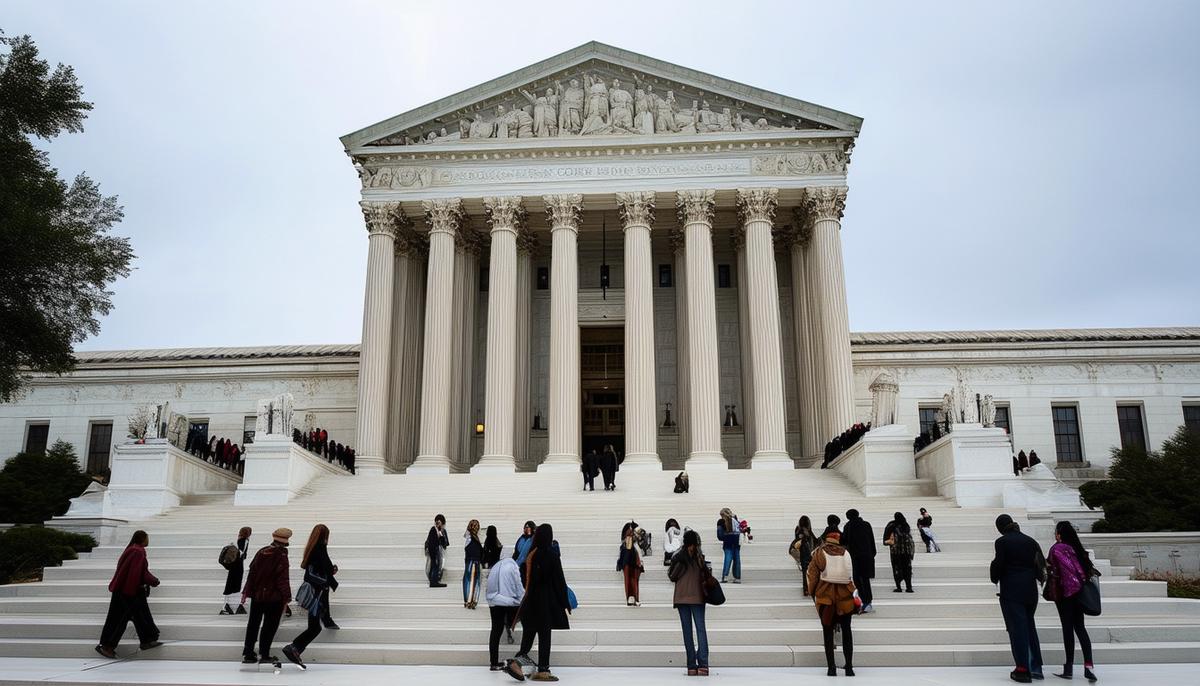
The landscape of civil rights litigation faces significant challenges, primarily due to a conservative-leaning Supreme Court. Recent rulings have curtailed protections for marginalized communities, exemplified by the Dobbs v. Jackson Women's Health Organization decision that overturned Roe v. Wade. However, this setback has spurred state-level initiatives to enshrine abortion rights in state constitutions.
The No Kings Act represents an attempt to limit the Supreme Court's appellate jurisdiction over certain federal legislation. This strategy aims to shield vital laws from potential judicial overreach.
State-level activism is forging new paths. The Supreme Court of Pennsylvania's ruling against a state ban on Medicaid coverage for abortion, based on equality arguments, set a precedent that extends beyond the federal framework.
State courts often adapt to the specific needs and values of their communities, resulting in diverse protections. While this can lead to inconsistencies across states, it also creates opportunities for legal experimentation and progress.
In response to the weakening of the 1965 Voting Rights Act, various states have advanced their own voting rights protections. States like Colorado and Virginia have enacted laws to expand voter access, serving as counterbalances to restrictive measures elsewhere.
Environmental protections have also seen state-level initiatives in the wake of decisions like Sackett v. Environmental Protection Agency. California, for instance, has implemented stringent climate regulations to mitigate federal rollbacks.
Challenges persist, including:
- Ideological divide in the judiciary and electorate
- Conservative judicial appointments altering the landscape
- Difficulty for progressive causes to gain traction at the federal level
Advocates must navigate the complexity and variability of state constitutions, requiring strategies that consider local jurisprudence, political composition, and cultural context.
Despite these challenges, the progressive legal community is adapting. The emphasis on state-level litigation and legislation demonstrates a nuanced understanding of the political and judicial terrain. This approach seeks to protect and expand rights while reinvigorating the principles of American federalism.
The adaptability and resilience of civil rights advocates is evident in impactful state court rulings, innovative legislative measures, and grassroots activism propelling local initiatives. These efforts harness historical lessons while adapting to the shifting landscape of modern jurisprudence.
Ultimately, the challenges posed by a conservative Supreme Court highlight the significance of judicial federalism and state constitutions in the fight for civil rights. As progressives strive to expand protections, these tools offer a powerful means to circumvent federal setbacks and advance a vision of equality rooted in the American legal tradition.
The Role of Neuroscience in Legal Arguments
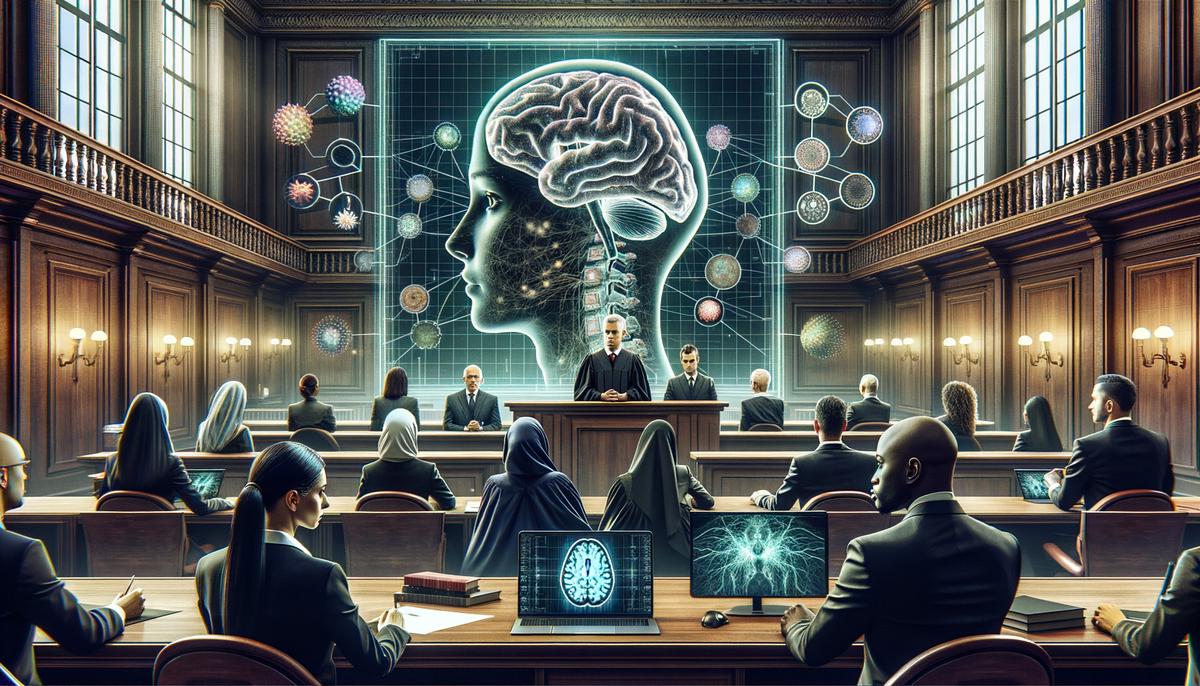
The intersection of neuroscience and law has significant implications for justice, particularly in understanding culpability among young adults. Research has established that the human brain continues to develop into one's twenties, with key areas related to decision-making, risk assessment, and impulse control maturing last. This developmental timeline suggests that individuals in their late teens and early twenties might not have full capacity for foreseeing long-term consequences or controlling impulsive behaviors.
The case of In re Monschke is a landmark in this field. The Washington State Supreme Court extended protections originally prohibiting mandatory life without parole for juveniles to include young adults up to age twenty. This decision was informed by neuroscientific evidence, suggesting that characteristics making juveniles less culpable extend into early adulthood.
This judicial recognition of neuroscience marks a shift in legal thought, underscoring the argument that if certain neurological traits persist into young adulthood, the legal system's treatment of individuals within this age bracket should reflect their developmental status. The implications are significant, potentially reforming current punitive practices.
Impact on Legal Definitions and Justice Measures
- Pushing boundaries of legal definitions of adulthood and maturity
- Introducing more humane and constructive justice measures
- Prioritizing rehabilitative needs over retributive justice
The recognition of neuroscience in legal proceedings represents a compassionate and progressive mindset. It has facilitated legal challenges against harsh sentencing and advocated for measures prioritizing rehabilitative needs over retributive justice.
These findings also influence policymakers and legislators crafting juvenile justice policies. States contemplating reforms are often guided by this research, leading to legislative efforts favoring restorative justice models and personalized approaches to youth rehabilitation.
Advocacy groups have played a significant role in disseminating neuroscientific research and its implications for justice. Organizations like the Juvenile Law Center and Campaign for Youth Justice have utilized these findings to push for reforms at both state and national levels.
"By advocating for the inclusion of neuroscientific research in legal arguments, we take a stand against outdated punitive measures that fail to account for human development."
Instead, we harness this knowledge to build a more equitable justice system that recognizes the unique position of young adults and offers pathways to meaningful redemption and reintegration into society.
Political and Social Implications of Civil Rights Expansion
The expansion of civil rights has broad implications, connecting with other progressive causes like environmental justice and economic equality. These interconnected arenas highlight the complexity of the quest for justice, demanding an integrated approach that considers various dimensions of inequality.
Civil rights expansion often catalyzes progress in other areas. For instance, legislation addressing workplace discrimination paves the way for a more level economic playing field. When people of all backgrounds can compete fairly, economic opportunities proliferate, contributing to a more balanced economy.
Environmental Justice and Civil Rights
Environmental justice is another frontier where civil rights play a crucial role. Marginalized communities often bear the brunt of environmental degradation. Ensuring these communities have a voice in environmental policy discussions is fundamentally a civil rights issue. Environmental justice initiatives often overlap with civil rights work, highlighting the need for clean water, air, and safe living conditions for all.
Public opinion and media coverage significantly shape the future of civil rights. Media exposure can galvanize support or sow division. Consider how coverage of police violence against African Americans has driven awareness and activism around police reform. Advocacy groups and progressive leaders must engage proactively with media, crafting stories that highlight injustice while showcasing pathways to equitable solutions.
Political Leadership and Intersectionality
Political leadership is crucial for translating public sentiment into tangible change. Leaders who prioritize civil rights often champion other progressive causes. Figures such as Senator Elizabeth Warren and Representative Alexandria Ocasio-Cortez have made comprehensive agendas marrying civil rights with broader socio-economic reforms.
Today's challenges like climate change and income inequality require policies that are inherently intersectional. Proposals like the Green New Deal aim to tackle both environmental degradation and economic disparity, recognizing their inextricable links.
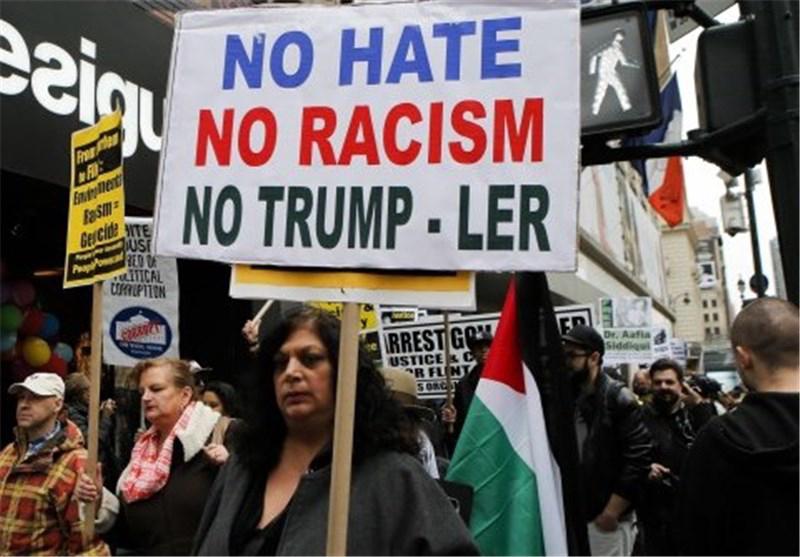
Grassroots advocacy continues to be the bedrock of significant change. Movements such as Black Lives Matter and Fridays for Future underscore the power of community organizing in bringing about awareness and policy shifts. These movements also illustrate the importance of intersectionality—how a fight for racial justice can include demands for a livable planet and economic justice.
In summary, the expansion of civil rights intersects with numerous progressive causes, necessitating a holistic approach. Public opinion, media portrayals, and political leadership all play pivotal roles in shaping these efforts. Through interconnected strategies and concerted advocacy, we can collectively move toward a more just and equitable society.
The fight for civil rights is ongoing. It demands resilience, creativity, and a deep commitment to justice. By leveraging state constitutions and embracing judicial federalism, we can push the boundaries of what is possible, ensuring that the promise of equality continues to evolve to meet today's challenges.