1. United Farm Workers Movement (1962 – Present)
The United Farm Workers Movement (UFW) exemplifies grassroots advocacy achieving significant success against considerable odds. Established in 1962, it emerged from partnerships between organizations aiming to protect agricultural laborers, particularly in California. At the time, farm workers faced deplorable conditions:
- Abysmal wages
- Substandard housing, if provided at all
- No field toilets
- Some ranches charged $0.25 per cup of water
Cesar Chavez and Dolores Huerta founded the National Farm Workers Association (NFWA), which later merged with the Agricultural Workers Organizing Committee (AWOC) to form the UFW. Their strategy included organizing strikes and boycotts, most notably the five-year grape boycott beginning in 1965. Workers demanded fair wages, benefits, and union representation. Despite harassment from authorities and retaliations from farm owners, their resolve won widespread public support.
The movement's success culminated in 1970 when grape owners agreed to union representation and improved conditions. This victory underscored the potential of persistent grassroots advocacy facilitated by strong leadership and mass mobilization. The UFW's journey demonstrates how coordinated collective action can challenge deeply entrenched systems of exploitation, fundamentally transforming labor rights within the agricultural sector.
2. Anti-Nazi Boycott (1933)
The Anti-Nazi Boycott of 1933 illustrates the power and challenges of cross-border grassroots activism. Initiated by Jewish groups in the United States, notably the American Jewish Congress, this movement responded to Adolf Hitler's rise to power and the implementation of oppressive, anti-Semitic policies in Nazi Germany.
The American Jewish Congress organized mass demonstrations and called for a boycott of German goods, aiming to exert economic pressure on the Nazi regime while raising global awareness of escalating atrocities. Rallies in cities across the U.S. drew tens of thousands of participants, embodying global solidarity.
"We do not believe our German-fellow citizens will let themselves be carried away into committing excesses against the Jews."
– Jewish Central Association of Germany
However, the Nazi government retaliated with a counter-boycott of Jewish businesses within Germany, intensifying the already precarious situation for Jews under Nazi rule. This exposed the intricate balancing act required of international solidarity movements.
While the boycott's immediate economic impact on Nazi Germany was limited, its symbolic power was significant. It united diverse Jewish communities worldwide and highlighted the moral imperative to stand against tyranny. The Anti-Nazi Boycott served as a precursor to later, more comprehensive boycotts and sanctions during World War II, demonstrating the potential for collective action to challenge oppression, even when the odds seem overwhelming.
3. Singing Revolution (1987 – 1991)
The Singing Revolution in the Baltic States demonstrates how cultural expression can be a potent tool for political change. Citizens of Estonia, Latvia, and Lithuania embraced their heritage of communal singing to stage peaceful protests against Soviet occupation, which had suppressed their national identities for almost half a century.
Massive song festivals, featuring both traditional anthems and modern rock songs, became emblems of nonviolent resistance. In 1988, events like the Song of Estonia saw over 100,000 Estonians gathering to sing patriotic songs for five consecutive days, galvanizing public support for independence.
The 1989 Baltic Way demonstration epitomized this spirit of unity, with approximately two million people forming a human chain across the three Baltic capitals—Vilnius, Riga, and Tallinn. This act symbolized their united call for sovereignty.
By the end of 1991, these musical and peaceful protests, along with diplomatic efforts, compelled the Soviet Union to relinquish control, resulting in the independence of Estonia, Latvia, and Lithuania. The Singing Revolution illustrates how deeply rooted cultural practices can be transformed into formidable acts of resistance, echoing powerfully through history and turning the tide towards freedom and justice.

4. International Campaign to Ban Landmines (ICBL) (1992 – Present)
The International Campaign to Ban Landmines (ICBL) demonstrates the transformative power of grassroots advocacy on a global scale. Founded in 1992 with just six organizations, it quickly expanded into a widespread movement aimed at abolishing the use of anti-personnel landmines.
Under Jody Williams' leadership, the ICBL combined on-the-ground activism with high-level diplomacy. By 1997, it had united over 1,000 groups from more than 60 countries, raising awareness and pushing for legislative change.
The campaign's most significant achievement came in 1997 with the establishment of the Mine Ban Treaty, also known as the Ottawa Treaty. This agreement, now encompassing 164 countries, prohibited the development, stockpiling, production, and transfer of anti-personnel landmines.
The ICBL's efforts earned it the Nobel Peace Prize in 1997, honoring both its legislative triumphs and lifesaving impact. Beyond the treaty, the campaign has led to significant reductions in civilian casualties, increased funding for de-mining operations, and greater assistance for landmine survivors.
The ICBL's story illustrates how committed grassroots activism can achieve monumental change, overcoming political inertia to drive forward meaningful, lasting reform in the face of seemingly insurmountable global issues.
5. The Calais Movement (2015)
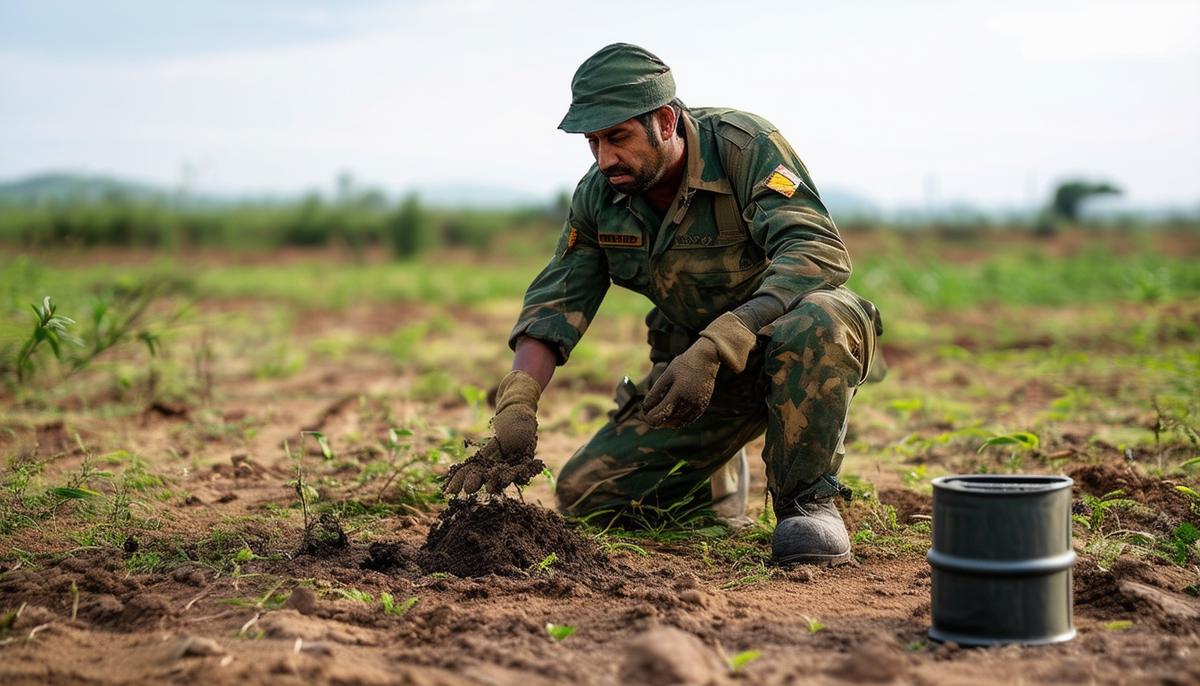
The Calais Movement of 2015 emerged as a response to the humanitarian crisis faced by refugees in the Calais camp, known as "The Jungle." What began as a modest fundraising campaign quickly evolved into a large-scale operation involving thousands of volunteers and substantial resources.
Ordinary citizens from across Europe, moved by the dire conditions in the camp, mobilized to provide aid. Donations of clothing, food, and medical supplies poured in, while volunteers ranging from medical professionals to builders offered their skills. Temporary clinics were set up, more durable shelters were constructed, and nutritious meals were provided.
The movement's impact extended beyond immediate aid:
- Media coverage amplified pressure on European governments
- Citizen-led initiatives filled gaps left by governmental inefficacy
- A sense of shared humanity was inspired
The Calais Movement highlighted the power of collective action to transform lives and inspire a sense of shared humanity. It showcased the capacity of a small, dedicated group to inspire widespread participation and make a meaningful difference in urgent humanitarian situations, reminding us of the collective strength of community-driven action.
6. The Early Peace Movement (10th Century – 18th Century)
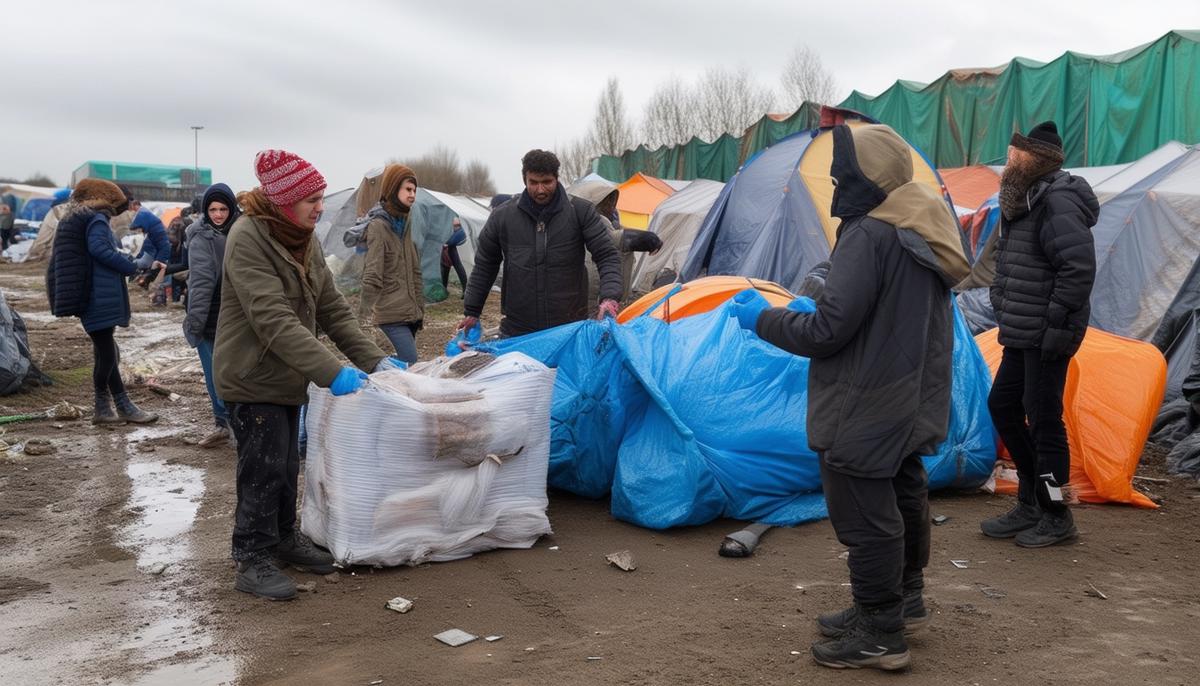
The Peace and Truce of God movements, originating in the 10th century, illustrate the enduring influence of grassroots activism. Instituted by local clergy, these movements aimed to protect the defenseless and regulate warfare during the medieval period.
Key aspects of these early peace movements:
- Peace of God (Pax Dei): Introduced in 975 A.D., mandated protection for non-combatants and religious sites from feudal conflicts.
- Truce of God (Treuga Dei): Emerged in the 11th century, restricted warfare to particular days of the week and forbade hostilities during significant religious periods.
Despite their eventual decline, these movements set the stage for more structured peace efforts. They highlighted the potential of concerted grassroots initiatives led by local community leaders to enact significant social reforms. The ethos of these medieval peace movements influenced the establishment of later initiatives, like the 18th-century peace societies in Europe and North America.
These early movements underscore a key lesson: community-driven activism, even from unexpected quarters, can sow seeds of change that flourish far beyond their inception. They stand as testament to the enduring legacy of grassroots activism, illustrating how initial efforts to curb violence and protect the vulnerable can resonate through history, laying cornerstones for future peace initiatives.

7. International Campaign to Abolish Nuclear Weapons (ICAN) (2007 – Present)
The International Campaign to Abolish Nuclear Weapons (ICAN) has demonstrated the crucial role of grassroots advocacy in achieving significant policy shifts. Launched in 2007, ICAN aimed to eradicate nuclear weapons worldwide, utilizing a global network of non-governmental organizations, activists, and citizens.
ICAN's strategy focused on promoting the Treaty on the Prohibition of Nuclear Weapons (TPNW) through grassroots mobilization, lobbying, and diplomatic negotiations. In July 2017, the United Nations General Assembly adopted the TPNW, with 122 countries voting in favor. The treaty represents the first legally binding international agreement to comprehensively prohibit nuclear weapons.
The campaign's multifaceted approach included:
- Public education
- Pressuring nuclear-armed states
- Fostering global solidarity
By bringing together survivors of nuclear detonations, scientists, doctors, and activists, ICAN humanized the issue and illustrated the need for nuclear disarmament.
ICAN's efforts were globally acknowledged when it was awarded the Nobel Peace Prize in 2017. The campaign's story demonstrates how persistent, strategic efforts can overcome significant political hurdles and inspire a global movement for peace and security.
8. The Candlelight Revolution (2016 – 2017)
The Candlelight Revolution in South Korea exemplifies the impact of sustained, peaceful protests on political accountability and reform. The movement emerged in response to corruption scandals involving then-President Park Geun-hye and her confidante, Choi Soon-sil.
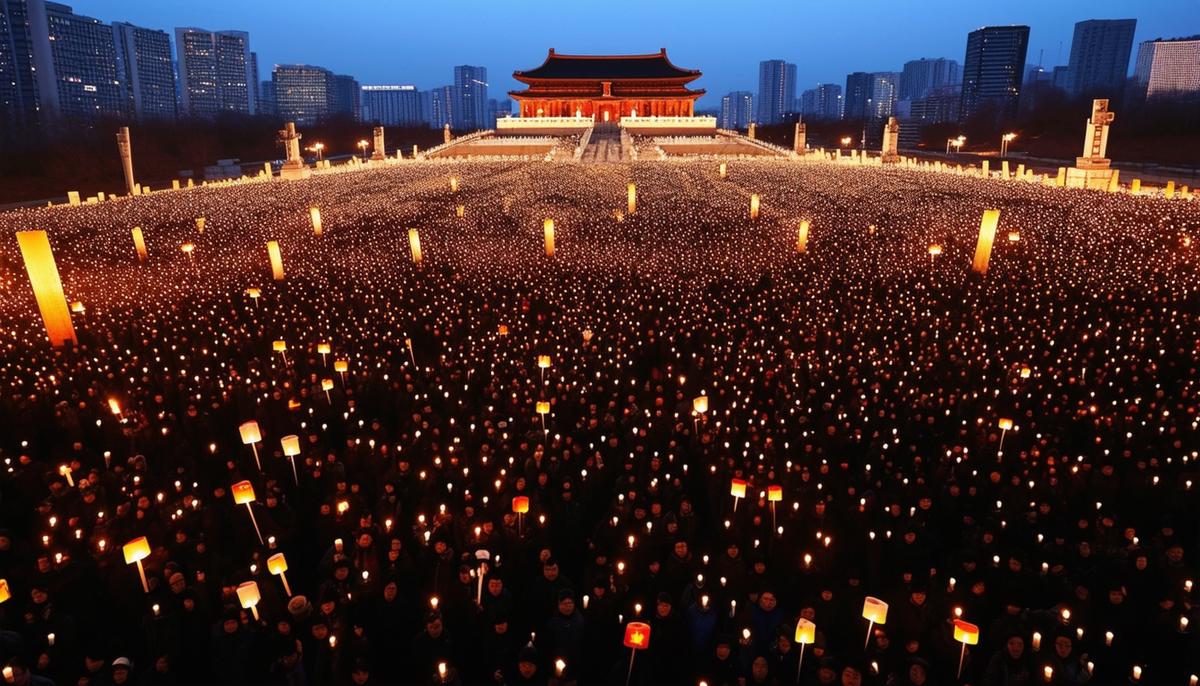
Beginning with small candlelight vigils in Seoul's Gwanghwamun Square, the protests grew into mass demonstrations. At its peak, over 16 million South Koreans participated in rallies across the nation, maintaining a peaceful and organized atmosphere.
The movement's success culminated in:
- President Park's impeachment by the National Assembly in December 2016
- Her formal removal from office in March 2017
This victory for South Korean democracy underscored the power of peaceful, grassroots mobilization in challenging entrenched systems of power and corruption.
The Candlelight Revolution had lasting effects, invigorating civil society, prompting political reforms, and inspiring a renewed commitment to transparency among public officials. It demonstrated that democratic ideals could be safeguarded through concerted, peaceful resistance and set a precedent for future generations.
9. Black Lives Matter (2013 – Present)
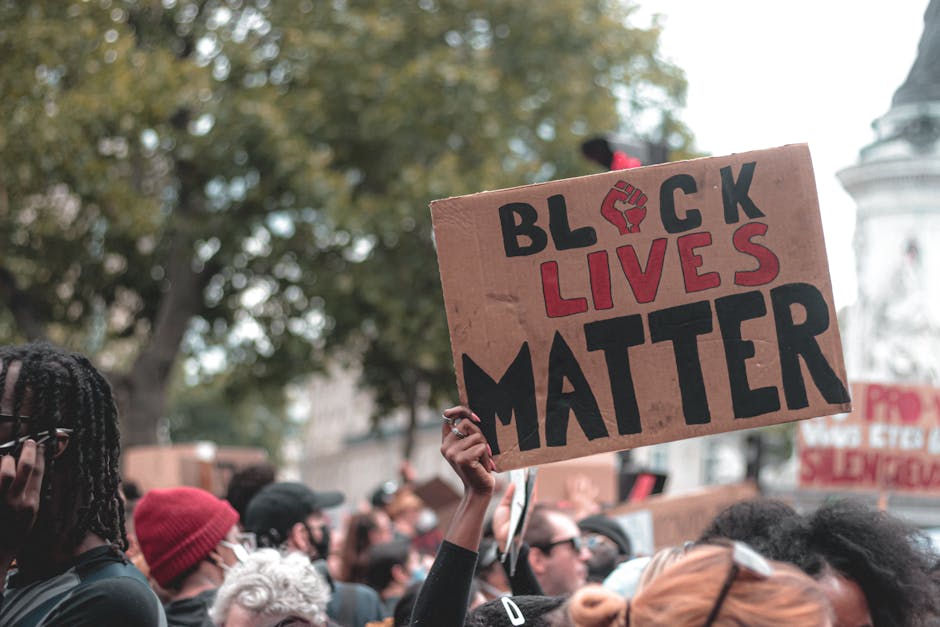
The Black Lives Matter (BLM) movement exemplifies digital activism and grassroots mobilization. Emerging in 2013 following the acquittal of George Zimmerman in the shooting of Trayvon Martin, BLM began as a rallying cry against systemic injustice and developed into a global movement advocating for racial equality.
BLM gained momentum after several high-profile cases of police brutality, including the deaths of Michael Brown and Eric Garner. The movement's approach includes:
- Organizing protests
- Creating online campaigns
- Engaging in policy advocacy
In 2020, following George Floyd's death, BLM orchestrated one of the largest protest waves in U.S. history, with an estimated 15 to 26 million Americans participating. These demonstrations brought racial justice to the forefront of national and international discourse.
BLM has successfully pushed issues of police violence, mass incarceration, and racial profiling into mainstream conversations, compelling policymakers, institutions, and corporations to address racial disparities. The movement has inspired policy changes in various cities and states, including the implementation of police body cameras and more rigorous accountability measures.
The movement's decentralized structure empowers local chapters to address specific community needs while aligning with larger goals. BLM has also had a profound cultural impact, influencing art, literature, music, and sports.
Through relentless advocacy and solidarity, BLM continues to forge a path for a future where racial justice is realized in meaningful and lasting ways.
10. School Strikes for Climate (Fridays for Future) (2018 – Present)
The School Strikes for Climate, or Fridays for Future, is a youth-led advocacy movement initiated by Greta Thunberg. In August 2018, 15-year-old Thunberg began a solo protest outside the Swedish Parliament, calling for urgent climate action.
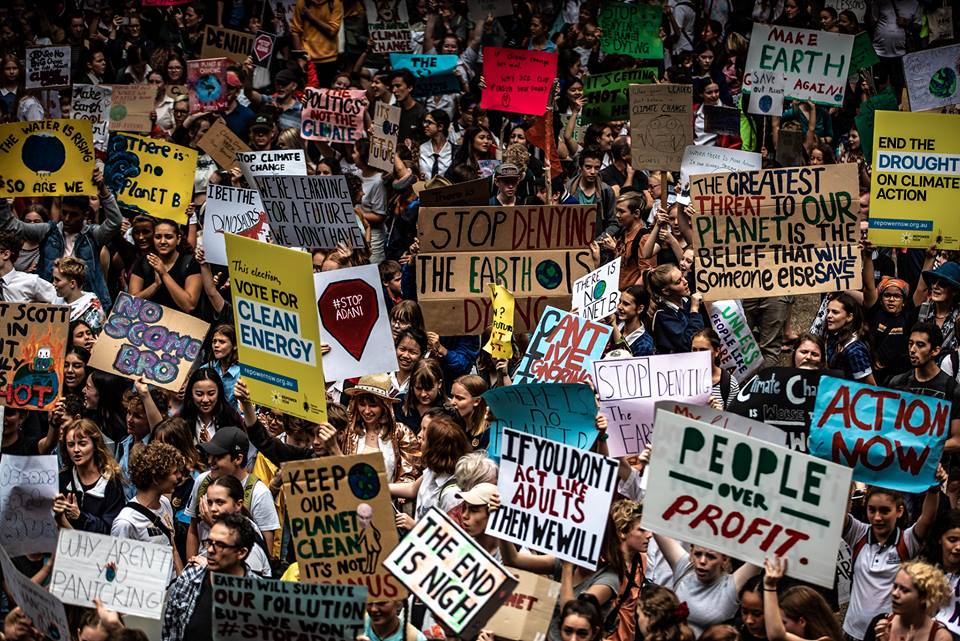
Thunberg's act quickly evolved into a global phenomenon, with students worldwide skipping school on Fridays to protest for their futures. On March 15, 2019, over 1.4 million students across 112 countries participated in one of the largest climate strikes in history. In September 2019, an estimated 6 million people across more than 185 countries marched for climate justice.
The movement has pressured leaders and policymakers to confront climate change more aggressively. Thunberg's address to the United Nations Climate Summit in 2019 marked a stark rebuke of global political inertia.
Fridays for Future has educated a global youth cohort on climate science and environmental policy, fostering a generation of informed and passionate environmental activists. The movement calls for systemic changes, including:
- Reduced carbon emissions
- Renewable energy investments
- Comprehensive environmental policies aligning with the Paris Agreement goals
The School Strikes for Climate represent a declaration that today's youth are active participants demanding a livable planet. The movement has inspired countless individuals and communities to action, demonstrating the power of grassroots mobilization in instigating monumental change.
These grassroots movements demonstrate that when people unite with a common purpose, they can transform societies. Each movement underscores the potential of collective action in shaping a more equitable world, whether advocating for labor rights, racial justice, or environmental sustainability.