
The early 20th century marked a pivotal moment in American history, characterized by significant societal shifts and economic transformations. As the nation transitioned from agrarian roots to industrial prowess, the Progressive Era emerged as a response to the challenges and inequalities of the time. This period saw reformers advocating for changes that would shape the future of the country, addressing issues of economic disparity and the role of government in regulating industry.
Historical Context of the Progressive Era
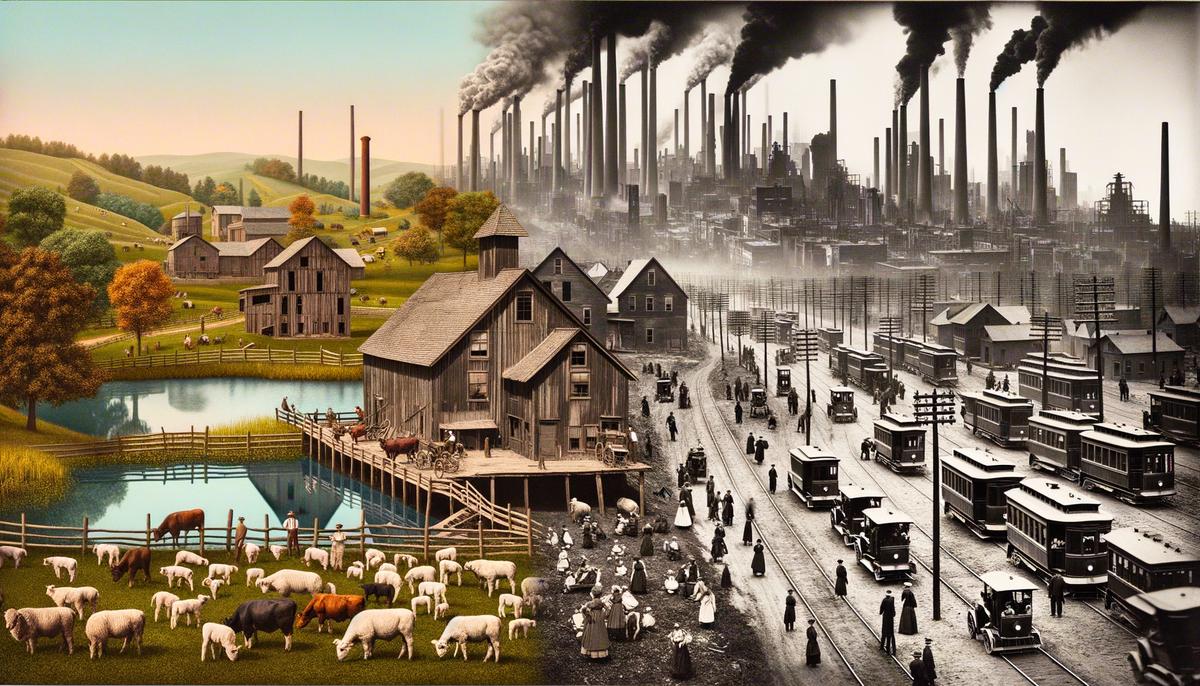
The dawn of the 20th century in America saw a rapid shift from rural farmland to urban centers as industrialization drove society forward. Factories proliferated, creating an environment of unchecked capitalism. Monopolies dominated the market, with major players like U.S. Steel absorbing smaller competitors.
Workers faced long hours in hazardous conditions for low wages while living in crowded, unsanitary environments. The disparity between the wealthy and the poor widened significantly. The Progressive Era emerged as a response to these conditions, with reform-minded citizens pushing for social and economic changes to address the excesses of unregulated capitalism.
The government's previous laissez-faire approach, which left the market largely unregulated, began to shift. Theodore Roosevelt's presidency marked a turning point with his "New Nationalism" policy, which aimed to curb monopolies and protect workers' rights. His successor, Woodrow Wilson, continued these efforts, laying the groundwork for a more regulated economy.
Progressives, including academics, journalists, and social activists, argued for increased government intervention to address societal issues. They viewed the free-market system as outdated and potentially harmful, advocating instead for a new era of social progress that prioritized collective well-being over unchecked individual gain.
Progressive Critique of Free Markets
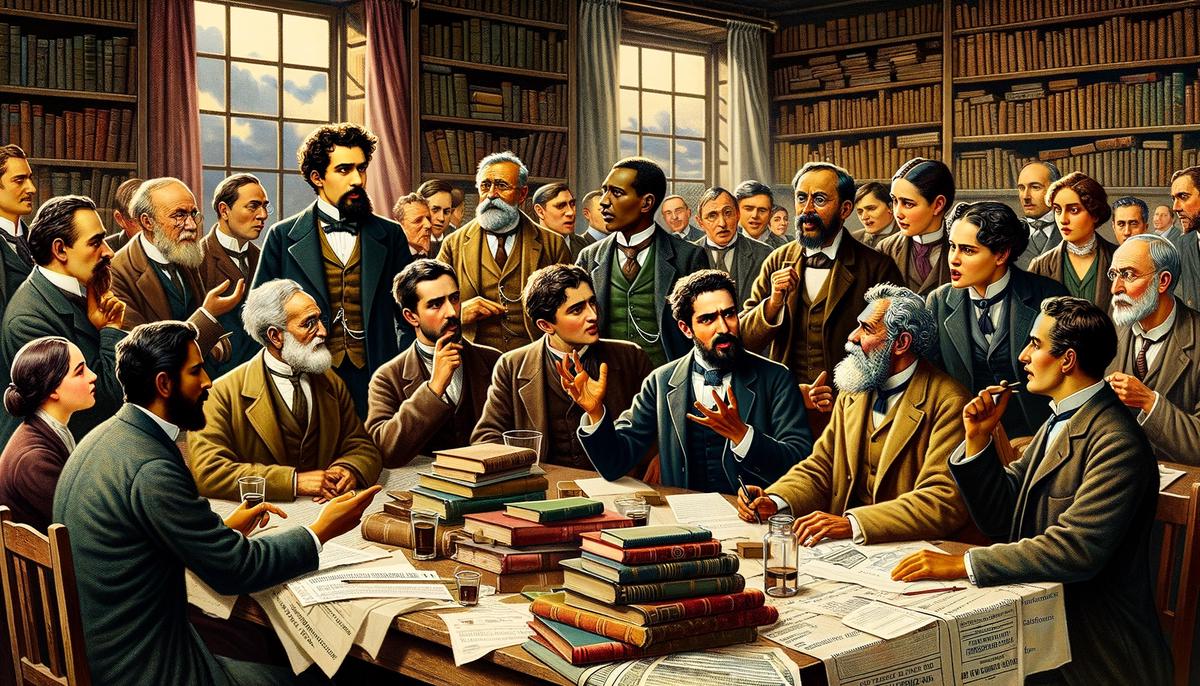
Progressive thinkers like Richard T. Ely challenged the foundations of laissez-faire capitalism, questioning the notion that pursuing self-interest naturally results in the common good. They argued that this ideology often overlooked the struggles of ordinary workers and encouraged a form of moral blindness among the wealthy.
The doctrine of natural rights, especially concerning property and contracts, was viewed as too rigid and ill-suited to the rapidly changing landscape of industrial America. Progressives warned that unregulated markets could lead to:
- Unchecked power and greed
- Monopolies that exploited workers
- Economic instability
These critics saw unregulated capitalism as not just an economic failure but a moral one. They argued that it allowed companies to neglect community and environmental responsibilities while acting in ways that threatened both. Progressives pushed for a new economic approach where markets were held to ethical standards and government played a role in ensuring equity and fairness.
This reorientation wasn't just about policy changes; it represented a fundamental shift in economic philosophy. Progressives aimed to create a system where economics served humanity, rather than the reverse, emphasizing cooperation, social obligation, and equality as counterweights to the self-centered drive of unfettered capitalism.
Economic Equity and Government Intervention
Progressives advocated for increased government intervention to address economic inequalities and protect public interests. They viewed regulation as essential to curbing the excesses of unrestrained capitalism and ensuring a fairer economic system.
Key areas of focus included:
- Breaking up monopolies to maintain market competition and prevent the domination of entire industries by a few large corporations.
- Improving labor conditions through laws guaranteeing fair wages, safe working environments, and the right to unionize.
- Addressing income inequality through tax reforms, including progressive income taxes, to redistribute wealth and reduce economic disparities.
- Establishing social protections like unemployment insurance and workplace safety regulations to safeguard workers and their families.
Progressives argued that a government that ignored these issues was complicit in perpetuating an unfair system. They saw the state not just as an overseer but as a protector and catalyst for positive change, capable of facilitating a more equitable society.
This approach represented a significant shift from the previous laissez-faire attitude, emphasizing that human welfare and societal progress should take precedence over unchecked market forces.

The Mixed Economy Model
Progressives championed a mixed economy model, aiming to balance individual enterprise with collective well-being. This approach sought to harness the dynamism of private enterprise while using government regulation to prevent excess and exploitation.
Key elements of this model included:
- Maintaining private enterprise as a driver of growth and innovation.
- Introducing government regulation to ensure market stability and fairness.
- Implementing social protections like unemployment insurance and healthcare systems.
- Using antitrust laws to curb monopolies and promote competition.
- Applying policies informed by social science experts to steer the system toward the public good.
This model emphasized a symbiotic relationship between market freedom and social obligation, aiming to create a more equitable distribution of prosperity while maintaining economic stability. It represented a departure from purely profit-driven motives, illustrating a commitment to ensuring that economic gains translate into broad-based benefits for society.
Legacy and Modern Implications
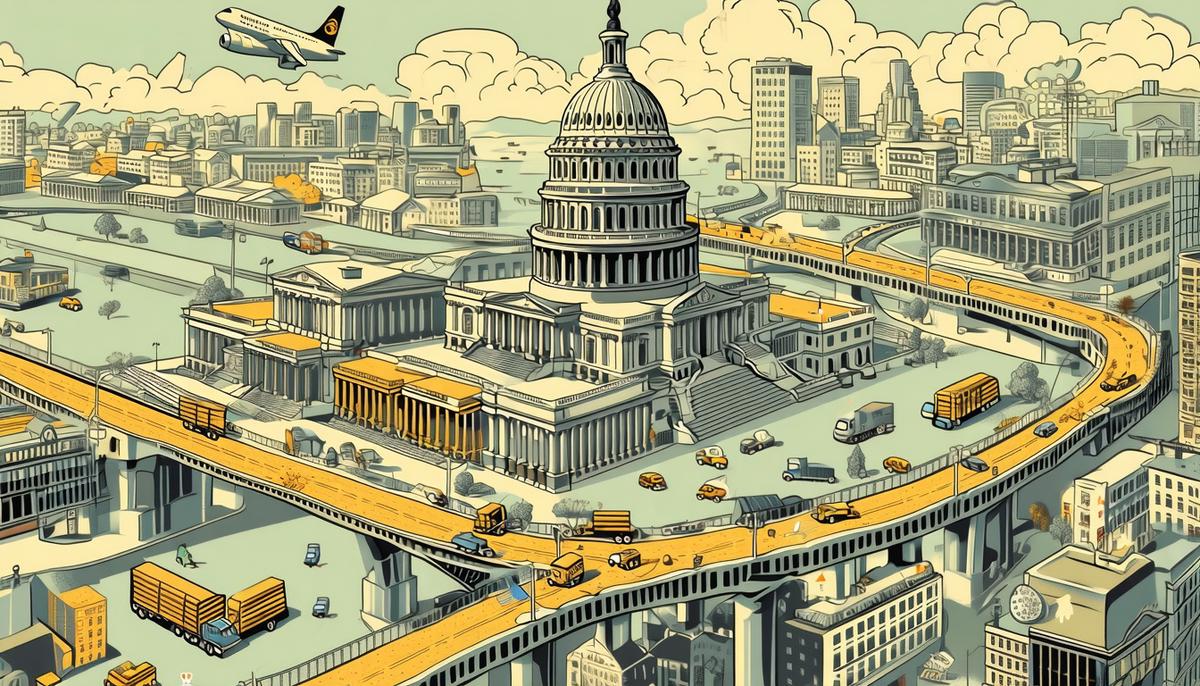
The legacy of Progressive economic principles continues to influence contemporary policy debates. Key areas where these ideas persist include:
- Economic equity: Ongoing discussions about progressive taxation, social welfare programs, and wealth distribution.
- Government regulation: Modern policies on workplace safety, environmental protection, and market oversight trace their roots to Progressive ideals.
- Healthcare and social services: Debates about the government's role in providing essential services reflect Progressive principles.
- Corporate accountability: Calls for increased oversight of large corporations echo Progressive concerns about unchecked economic power.
- Labor rights: Discussions about minimum wage, workers' protections, and unionization continue to draw on Progressive-era ideas.
These ongoing debates reflect the enduring relevance of Progressive economic thought in addressing contemporary challenges of balancing economic growth with social responsibility and equity.

The enduring legacy of the Progressive Era lies in its foundational impact on modern economic and social policies. By championing reforms that sought to balance market freedom with social responsibility, progressives set the stage for ongoing debates about equity and governance. The principles they advocated continue to resonate, challenging us to consider how best to create a society where prosperity is shared and justice prevails.
- Ely RT. The Founding and Early History of the American Economic Association. Am Econ Rev. 1936;26(1):141-150.
- Kennedy RF. Remarks at the University of Kansas. March 18, 1968.
- Simons HC. Personal Income Taxation: The Definition of Income as a Problem of Fiscal Policy. University of Chicago Press; 1938.
- Friedman M. Capitalism and Freedom. University of Chicago Press; 1962.
- Hayek FA. The Road to Serfdom. University of Chicago Press; 1944.