
The Role of Sustainability in Economic Growth
Sustainable practices can drive economic growth by creating jobs, reducing costs, and opening new market opportunities. Investing in renewable energy, sustainable agriculture, and green technologies allows economies to thrive while benefiting the environment.
Renewable energy generates employment in installation, maintenance, and manufacturing. Unlike fossil fuel jobs, these positions tend to be more stable and increasing in number.
Sustainable agriculture techniques like crop rotation and water-saving irrigation protect soil, increase yields, and reduce dependency on chemical inputs, benefiting farmers financially.
Green technology investments in areas like electric vehicles and energy-efficient appliances cut emissions and energy costs while boosting innovation. Companies pioneering green tech often become leaders in other sectors, attracting eco-conscious investors.
When businesses reduce energy, waste, and resource consumption, their financial performance improves. This creates room for development, expansion, and hiring. Countries prioritizing eco-friendly policies attract global investors interested in initiatives promising both profit and sustainability.
Sustainable practices allow for long-lasting growth that doesn't exploit resources or communities. Ethical choices about production and labor can build customer loyalty, translating to increased sales and brand value.

Social Progress through Sustainable Development
Sustainability catalyzes social progress by reimagining systems to enhance community wellbeing. It impacts poverty reduction by unlocking opportunities for growth and self-sufficiency. Access to clean water and renewable energy enables communities to thrive independently, fostering economic resilience and entrepreneurship in marginalized areas.
Sustainable practices improve public health by ensuring access to clean air, safe water, and nutritious food. Eco-conscious urban planning, including green spaces and sustainable transit, reduces pollution and promotes physical and mental wellbeing.
Education benefits from sustainability through eco-friendly schools and solar-powered internet in remote areas. This approach fosters awareness, critical thinking, and innovation, preparing students to address future sustainability challenges.
Sustainable development advances social equity by aligning economic systems with fairness and inclusiveness. It brings marginalized voices to the forefront and creates diverse environments where all can thrive. As communities commit to sustainable practices, they nurture equity and opportunity globally.

Environmental Sustainability and Its Economic Impacts
Environmental sustainability underpins lasting economic stability. Carbon emission reductions create economic opportunities through mechanisms like cap-and-trade systems or carbon taxes. These incentivize green innovation, turning pollution costs into profit potential.
Conserving natural resources builds economic resilience by reducing dependence on finite materials. Investing in water conservation safeguards against drought impacts and supports agriculture. Biodiversity conservation ensures ecosystems continue providing essential services like pollination and water purification.
Businesses prioritizing sustainability often discover efficiencies and cost savings. They become more resilient to economic shocks and resource supply disruptions. This shift towards sustainability is emerging as a key economic strategy.
The growth of green finance and investment markets further supports this trend. Investors seeking stability increasingly favor environmentally responsible companies, channeling funds into sustainable projects and spurring innovation.
The circular economy, which minimizes waste and repurposes byproducts, promises job creation and innovation in waste management, recycling, and renewable technologies. This approach aligns economic frameworks with sustainable prosperity.
Environmental sustainability catalyzes economic robustness. By leveraging natural resource conservation and carbon emission reductions, we can create a healthier planet and a vibrant economic ecosystem. The resulting innovation, savings, and resilience make sustainability both an economic necessity and an opportunity for growth.

Challenges and Opportunities in Achieving Sustainable Development
The path to sustainable development presents challenges that can be transformed into opportunities through innovation and collaboration. Financial investment, policy-making, and technological innovation are key areas that hold both potential and obstacles.
- Financial Investment: Integrating sustainable practices globally requires significant investment. However, redirecting existing financial flows into sustainable projects can shift this narrative from cost to opportunity. Harnessing global financial markets to fund renewable energy, eco-friendly infrastructure, and sustainable agriculture can drive progress.
- Policy-making: Crafting effective policies requires navigating competing interests. However, well-designed policies can trigger cascading benefits, from job creation to innovation, making policy-making a catalyst for transformative change.
- Technological Innovation: From smart grids to precision agriculture, technology is reshaping sustainable development. Ensuring equitable access and adaptability is crucial to prevent leaving communities behind in this digital revolution.
Collaboration amplifies our collective potential. Partnerships across borders, industries, and sectors can unlock vast reserves of creativity and resourcefulness. Public-private partnerships and global coalitions demonstrate how collaboration can accelerate progress.
Each challenge in sustainable development is interwoven with opportunities to reimagine the future. Through collaboration, innovation, and visionary policy-making, we can construct a resilient, inclusive, and thriving world where sustainable development shapes lives for the better.

Case Studies of Successful Sustainable Development
Real-world examples of sustainable development offer valuable insights and inspiration. These success stories showcase innovative strategies and resilient communities, demonstrating the impact of holistic sustainability approaches.
- Costa Rica: Excels at integrating environmental stewardship with social and economic growth. Nearly 99% of its electricity comes from renewable sources, primarily hydropower. The country protects about a quarter of its land as national parks and reserves, supporting a thriving ecotourism industry that empowers local communities with sustainable livelihoods.
- Bhutan: The Gross National Happiness approach prioritizes collective well-being, balancing material needs with cultural and environmental preservation. Its forestry policies maintain over 70% forest coverage, supporting biodiversity and serving as a carbon sink. Bhutan demonstrates how aligning national policies with universal values can enhance human welfare while preserving nature.
- Germany: The Energiewende (energy transition) initiative aims to phase out nuclear power and reduce greenhouse gas emissions through renewable energy expansion. This comprehensive policy has made Germany a leader in renewable energy development, significantly reducing emissions while maintaining economic competitiveness.
- Copenhagen: The goal to become the world's first carbon-neutral capital by 2025 showcases urban sustainability. The city's extensive bicycle-friendly network and public transportation focus have reduced car dependence, cut emissions, and improved air quality. These initiatives foster healthier lifestyles and create equitable public spaces that strengthen communities.
These examples reveal that successful sustainable development combines policy innovation, community engagement, and respect for natural surroundings. They highlight the importance of adaptive strategies tailored to local cultural, ecological, and economic contexts. By learning from these cases, we can envision a future where sustainability forms the foundation of prosperity, balancing the needs of people and the planet.
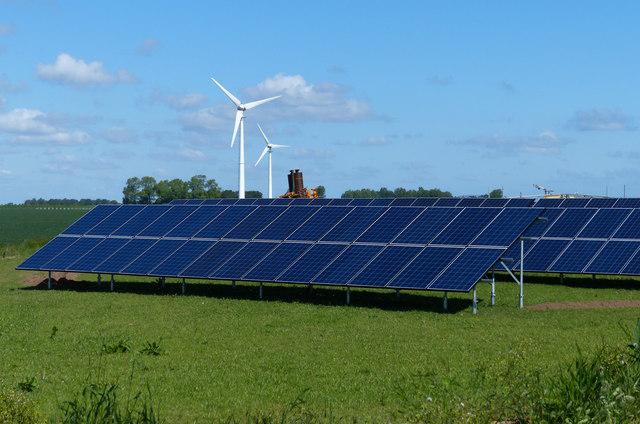
Sustainability offers a path to economic resilience and social progress, harmonizing growth with environmental care. By embracing sustainable practices, we can foster a future where prosperity and ecological balance coexist, paving the way for a thriving world.
- United Nations. Transforming our world: the 2030 Agenda for Sustainable Development. 2015.
- Intergovernmental Panel on Climate Change. Global Warming of 1.5°C. Special Report. 2018.
- World Bank. The World Bank Annual Report 2022: Helping Countries Adapt to a Changing World. 2022.
- Sachs J, Schmidt-Traub G, Kroll C, Lafortune G, Fuller G. Sustainable Development Report 2022. Cambridge: Cambridge University Press; 2022.