
Defining Climate Refugees
Climate refugees are individuals forced to leave their homes due to environmental disasters or progressive changes that make living there impossible. These scenarios unfold along coastlines where rising sea levels blur boundaries between land and sea, and on farms where once fertile soil turns to dust. Unlike those escaping war, climate refugees lack international legal protection safeguarding their movement or right to seek refuge.
Current refugee status demands persecution on grounds like race or religion, with no provisions for natural catastrophes or weather calamities. This oversight leaves families questioning not just where the next safe place is, but whether they can legally relocate at all.
This lack of recognition fuels climate injustice, where those least responsible for carbon emissions bear nature's brunt. The ambiguity surrounding climate migrants isn't just a quirk of international law—it's a fundamental obstacle to finding solutions. Without legal definitions, it's challenging to count them or classify them appropriately.
Legal scarcity creates ripple effects:
- Lack of recognition leaves climate refugees navigating myriad local and international systems that might not even be aware of their plight.
- Without acknowledgment of these forced migrations, national and international communities struggle to set effective policies or offer aid.
This oversight deprives millions of stability when living conditions deteriorate into survival tests they didn't design. While the international community debates definitions, people on the front lines of global warming's impact continue seeking refuge, one step ahead of rising waters and encroaching deserts.
Displacement Patterns and Statistics
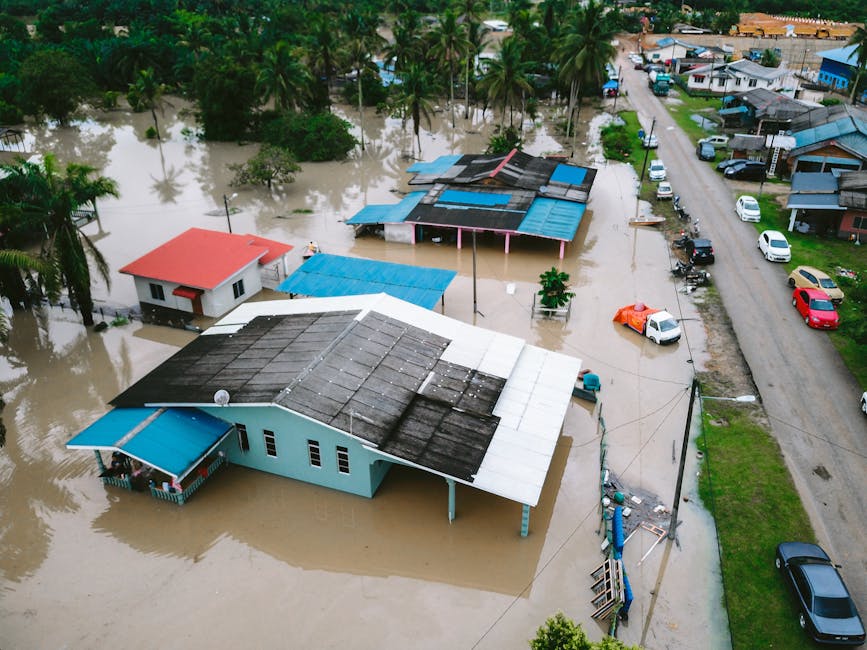
Emerging patterns of displacement reveal an unsettling picture of human movement driven by both abrupt and insidious climate phenomena. For some, the doom manifests suddenly: raging floods or desperate days of unyielding droughts render familiar landscapes inhospitable. These rapid-onset disasters, from cyclones swamping cities to fires razing forested towns, propel individuals to leave in a blur of urgency.
In 2022 alone, 33 million were displaced due to natural disasters, with the Asian region bearing the brunt. In places like Bangladesh and the Horn of Africa, communities battle relentless, seasonal certainties moving entire populations.
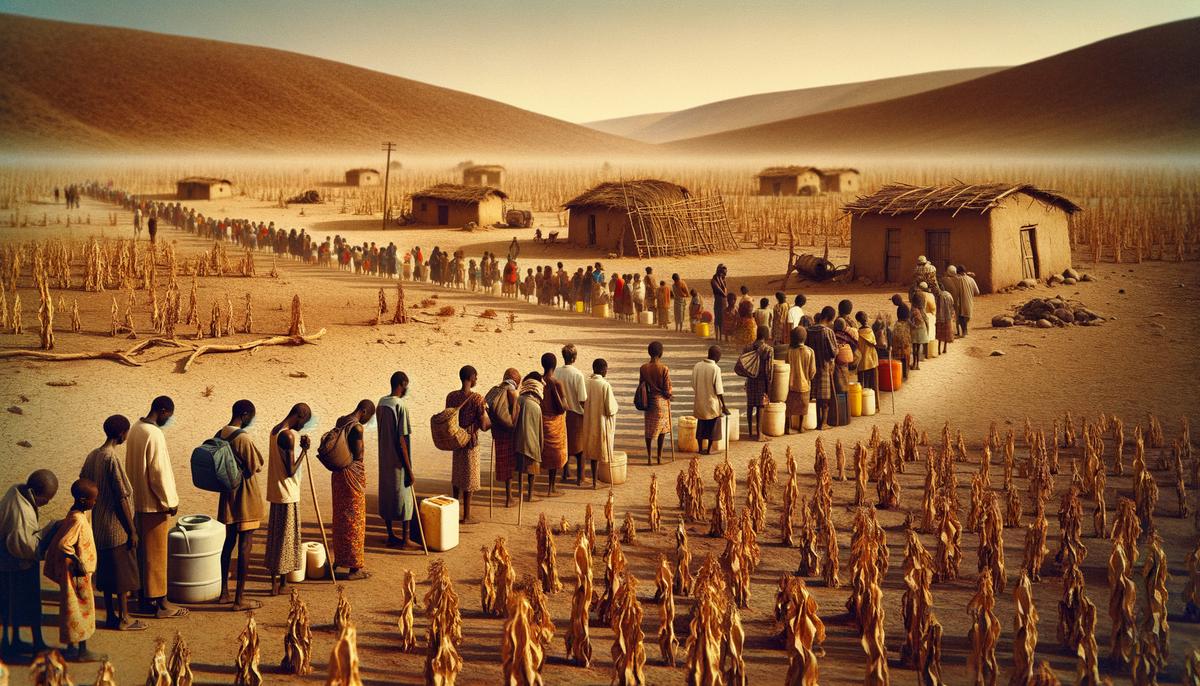
Slow-onset shifts, like creeping desertification in parts of sub-Saharan Africa, catalyze migration over extended periods. These changes often morph formerly thriving communities into barrens without immediate trauma but with undeniable constancy.
In Central America or Pacific islands, climate changes insidiously elbow traditional livelihoods toward obsolescence, peeling away layers of comfort that populations have long relied upon.
"We had ten cows and 50 goats. All of the cows and goats [died] and everything else [was] destroyed. I'm a mother and a father for my kids, and I don't have anything for them." – Halima Hassan Ibrahim, Dadaab refugee
Communities globally may face parallel challenges, but resiliencies differ vastly. Those with the least means to adapt—often residing in low-income nations—are paradoxically situated in hyper-vulnerable regions. These displacements reveal migratory decisions often made out of necessity, not choice, strategies to dodge uninhabitable fates rather than seek opportunity.
These aren't mere statistics but lives interrupted, highlighting the urgent need for adaptive strategies that honor both the rights and dignities of displaced individuals. The disturbing scale of climate-induced displacement becomes not just a measure of suffering but a clarion to act—not tomorrow, but today.
Impact on Vulnerable Communities
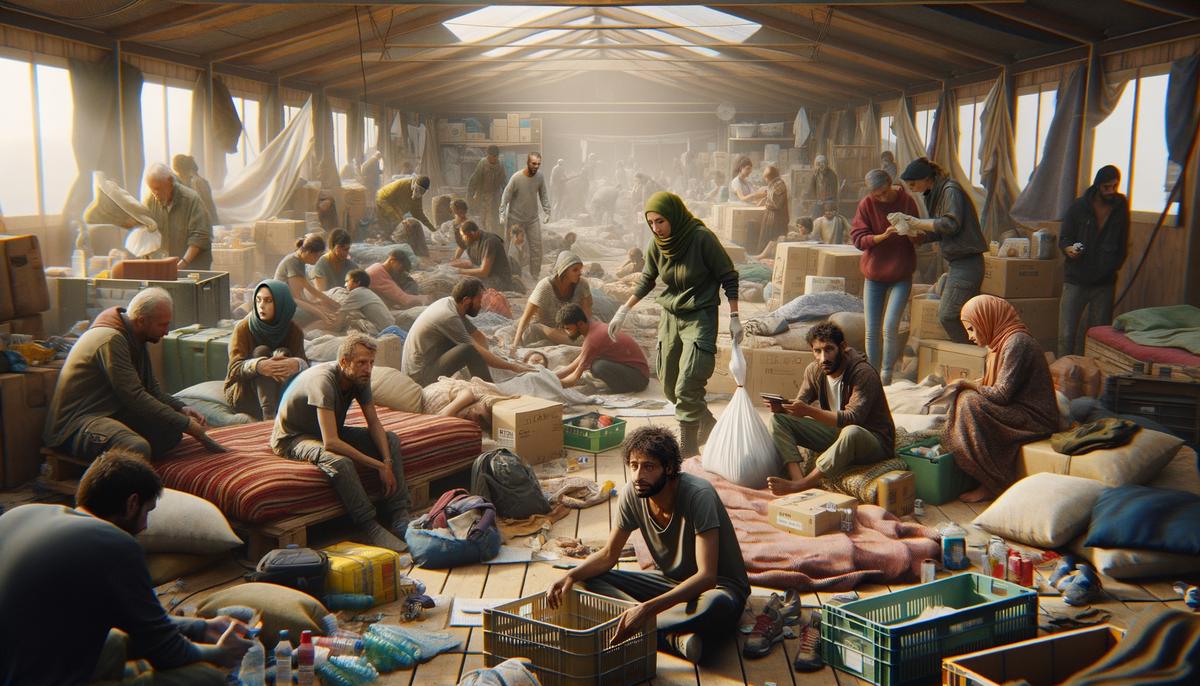
For vulnerable communities, particularly those in low-income countries, the climate crisis adds unbearable weight to lives already burdened by poverty, conflict, and social instability. Those who have contributed the least to the problem suffer the gravest consequences; their minimal carbon footprints ironically become their world's defining shadow.
In places like the Horn of Africa, the convergence of prolonged drought and conflict tears through communities with a dual punch. Souls who belong to lands parched beyond redemption find themselves entangled in a cycle where prepping for the harvest morphs into scavenging for survival.
This harrowing intersection incubates cycles of struggle where ecosystems and human systems wrestle for scarce resources. Families are forced to improvise continually, as climate disasters escalate the scarcity of basic supplies like water and food. As subsistence farming becomes untenable, economic insecurity tightens its grip.
For children, education and health become collateral casualties. Communities, hamstrung by abysmal infrastructure, face hurdles compounded by climate change. Floods are indiscriminate, cascading devastation over both helpless cattle and schoolhouses alike, thereby transforming hope into a rarity.
Key Impacts on Vulnerable Communities:
- Escalating food and water insecurity
- Disruption of education and healthcare
- Increased economic instability
- Exacerbation of existing social inequalities
Climate displacement reveals an alarming portrait of inequality in our interconnected world. The instability fueling migration requires not just immediate aid but also proactive climate adaptation measures—actions infusing resilience into fragile economies and offering real pathways to stability.
Low-income countries need a lifeline extending beyond financial relief, enveloping comprehensive plans for sustainable development. This isn't just about numbers or tally marks on global reports—it's about filling half-empty bowls and permanently sheltering vulnerable minds. The human face of climate distress demands answers in the form of heightened international collaboration and persistent commitment to a more equitable climate framework.
Legal and Policy Challenges
The inadequacy of existing legal structures to accommodate climate migrants is not just an oversight; it is an indictment of a global system that fails to see the urgency embedded within the accounts of climate-displaced populations.
The 1951 Refugee Convention, a bedrock for international refugee law, describes circumstances of direct human agency like political oppression or ethnic strife. However, hundreds of thousands escaping climate chaos find scant solace in these definitions. Their plight, dictated by natural extremes rather than human persecution, is exiled to the periphery of international concern.
People devastated by flooding, desertification, or lands that have become barren wastelands find themselves in a realm of legal liminality. The lack of formal recognition translates into vulnerability on an enforcement level, creating a chasm in rights and protections that should be aligned with their displacement needs.
Key Legal and Policy Challenges:
- No international legal category for climate refugees
- Climate change not recognized as grounds for international protection
- Difficulty in determining who qualifies as a climate migrant
- Lack of policies to accommodate sudden, large-scale displacements
The inadequacies of the current frameworks extend beyond semantics into policy inefficacy. The label of "migrant" allows nations to dodge responsibilities under refugee law. Countries that remain major contributors to emissions deflect accountability, while those least culpable and most afflicted languish in the shadow of protracted negotiations and delayed action plans.
Legal scholars, human rights advocates, and climate experts call for an evolved framework that integrates climate imperatives with human rights protections. It boils down to creating pathways that grant individuals uprooted by climate shocks the legal protection they deserve. This requires a legal lexicon that encompasses the myriad faces of climate displacement—bridging gaps between domestic laws and international aspirations.
Suggestions range from revising the Refugee Convention to include climate-based criteria, to advancing regional agreements that actively protect and resettle climate-impacted communities. The aim should be the cultivation of global solidarity—backed by a blend of local and international policy initiatives—that lays groundwork for resilience over reaction.
Climate displacement demands that we redefine outdated constructs in the face of evolving challenges. This legal metamorphosis is not an act of charity, but a testament to fairness—a reflection of justice in which every thread, regardless of origin, retains its rightful place.
Gender and Climate Displacement
Within the context of climate-induced displacement, women and girls often face disproportionate impacts. As climate refugees navigate uncertain terrain, the challenges for women and girls become particularly acute, exacerbating existing vulnerabilities.
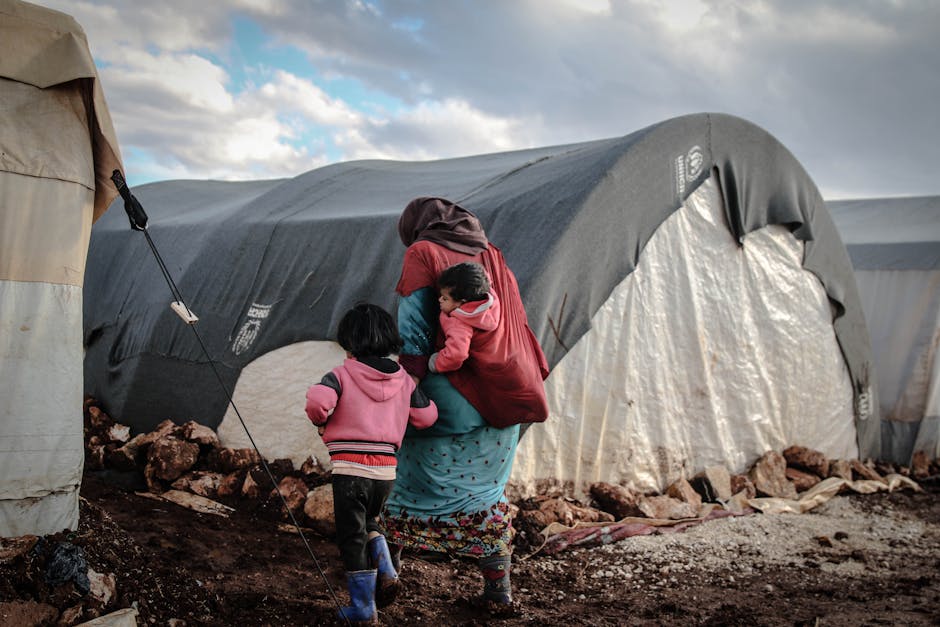
In refugee camps and temporary settlements, safety can be elusive for women and girls. Reports highlight increased risks of gender-based violence and exploitation in these settings. The loss of protective community networks and familiar environments compounds these dangers.
Education, crucial for empowerment and future prospects, often falters for displaced girls. Families struggling with limited resources may deprioritize schooling, viewing it as a luxury amid survival needs. This educational disruption can have long-term consequences, potentially limiting economic opportunities and community leadership roles.
Health challenges further burden climate-displaced women. Access to maternal care, contraceptives, and basic health services is often limited in crisis situations. Lack of sanitary products and overcrowded conditions in settlements magnify health vulnerabilities, increasing risks of malnutrition and maternal and infant mortality.
Socio-economic factors complicate these issues. Displaced women often find their roles expanded to include breadwinning without corresponding resources, while cultural expectations may limit their options.
Addressing these challenges requires gender-sensitive approaches in climate policy. Key interventions include:
- Securing safe, accessible education
- Establishing systems to prevent and respond to gender-based violence
- Ensuring consistent access to health services
- Elevating women's voices in climate policy discussions
Acknowledging the unique burdens placed on women in climate crises, there's a vital need for international collaboration focused on their specific needs. This approach not only enhances the efficacy of climate change responses but also promotes essential human empathy and global justice.
Case Studies and Personal Stories
Personal accounts of climate displacement offer crucial insights beyond statistics, illustrating the human impact of environmental upheaval.
In Pakistan, Sajida Batool's story exemplifies the disruption of aspirations. Once dreaming of becoming a doctor, Sajida now navigates a world reshaped by floods. Her family home lies in ruins, symbolizing not just material loss but a fractured sense of place and purpose.
"We had nothing to eat for fifteen days," sighed Sajida. "My whole family got Malaria, and we couldn't access medicines or hospitals as Khairpur was drowned."
Halima Hassan Ibrahim's experience in Somalia reveals the erosion of traditional livelihoods. As an agro-pastoralist, Halima's identity was tied to the land. Drought has not only decimated her livestock but also severed community bonds, forcing adaptation to the unfamiliar environment of refugee camps.
"We had ten cows and 50 goats. All of the cows and goats [died] and everything else [was] destroyed. I'm a mother and a father for my kids, and I don't have anything for them."
Bahadur, an Afghan refugee in Pakistan, faced sudden evacuation when floods struck. His experience highlights the precarious nature of life for those already displaced, demonstrating how climate events can compound existing vulnerabilities.
These stories underscore the repeated pattern of severance from familiar geographies and identities that climate displacement entails. For youth like Sajida, the interruption of education represents a broader retreat from potential futures.
Within these accounts lies a testament to human resilience. Each story reveals courage in the face of upheaval, as individuals adapt to radically altered circumstances while holding onto hope.
These personal narratives serve as a reminder that climate displacement is not just a policy issue but a deeply human experience. They call for approaches that balance analytical understanding with empathy, recognizing displaced individuals not as statistics but as central figures in shaping our shared future.
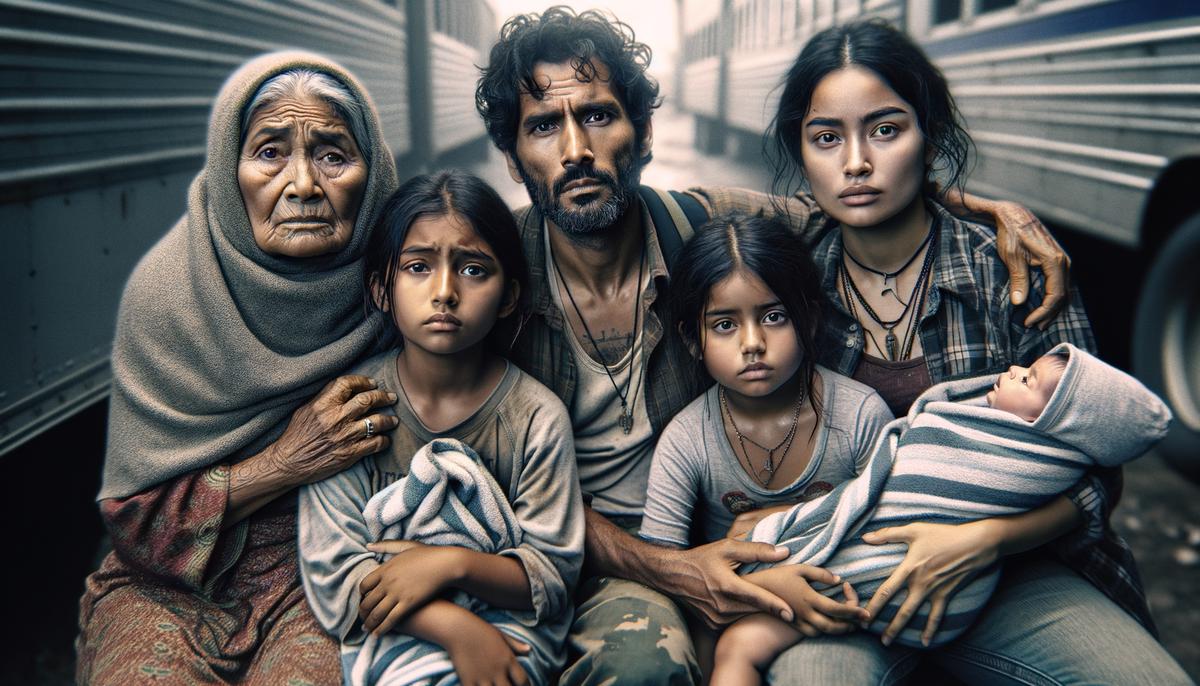
In addressing climate displacement, we must recognize the urgency of both action and empathy. The disrupted lives behind the statistics demand a response that is just, compassionate, and rooted in the human stories that define this global challenge.