
The COVID-19 pandemic has exposed vulnerabilities in healthcare systems worldwide, revealing stark inequalities that demand urgent attention. From socio-economic disparities to challenges faced by rural communities, the pandemic has underscored the need for systemic reform. As we consider the role of technology and the future of healthcare, addressing these issues is not just a necessity but a moral imperative.
Exposing Healthcare Inequalities
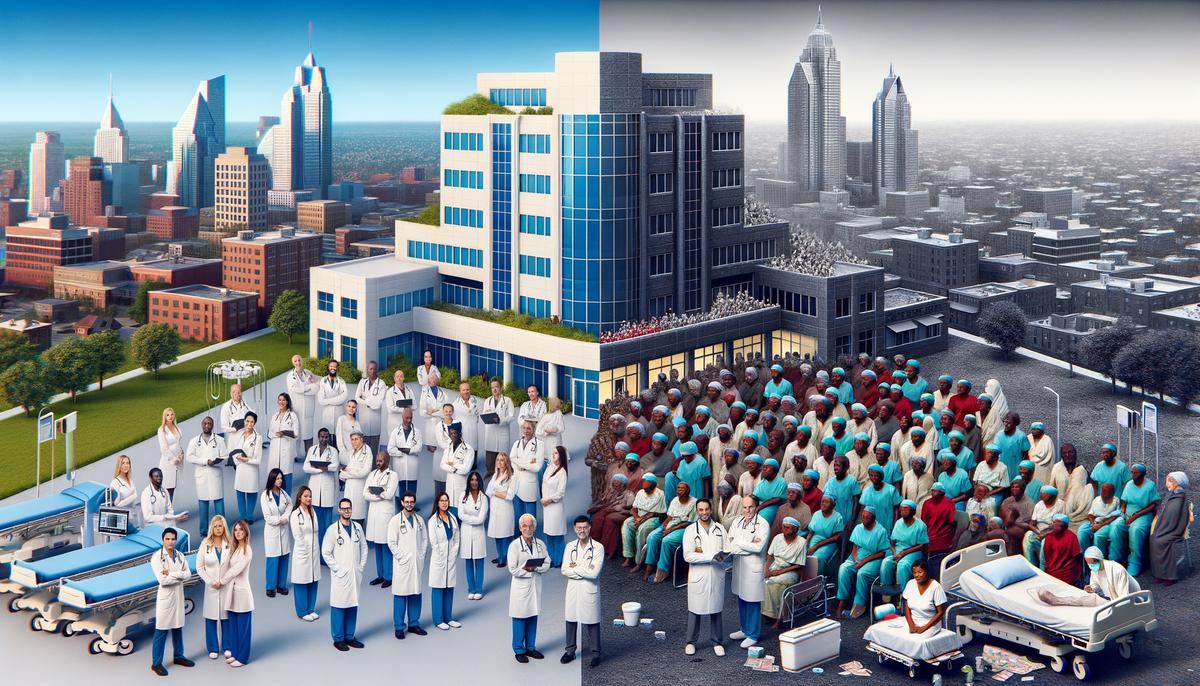
The COVID-19 pandemic revealed glaring disparities in our healthcare systems. Socio-economic status played a major role in determining access to healthcare, turning the idea of universal health coverage into more of a wish than a reality. Low-income communities often found themselves without adequate care, left to handle the crisis with fewer resources.
People living in rural areas faced significant hurdles. Getting to the nearest hospital often involves an arduous journey, sometimes over long distances and rugged terrains. With limitations in infrastructure, healthcare was out of reach for those needing immediate care. Telehealth seemed promising, yet without reliable internet access, it remained ineffective for many.
Racial disparities in healthcare were evident. Marginalized communities, often in densely populated areas with limited access to healthcare facilities, faced steeper odds. Existing health issues, stemming from years of neglect and systemic racism, worsened the impact of the virus. Higher infection rates and death tolls among racial minorities pointed to a system that had failed them long before the pandemic.
The shortage of personal protective equipment (PPE) became a symbol of inequity. While some regions had ample supplies, others scrambled with bare minimums. This revealed a disorganized response to a global crisis, leaving healthcare professionals vulnerable and patients without necessary care.
The pandemic underscored the importance of investing in healthcare infrastructure and workforce. Shortages of nurses and doctors highlighted a need for better working conditions and recognition of specialized roles. The crisis emphasized the need for real, systemic change—recognition of the vital role healthcare workers play through improved pay and safer environments.
Role of Sensor Technology
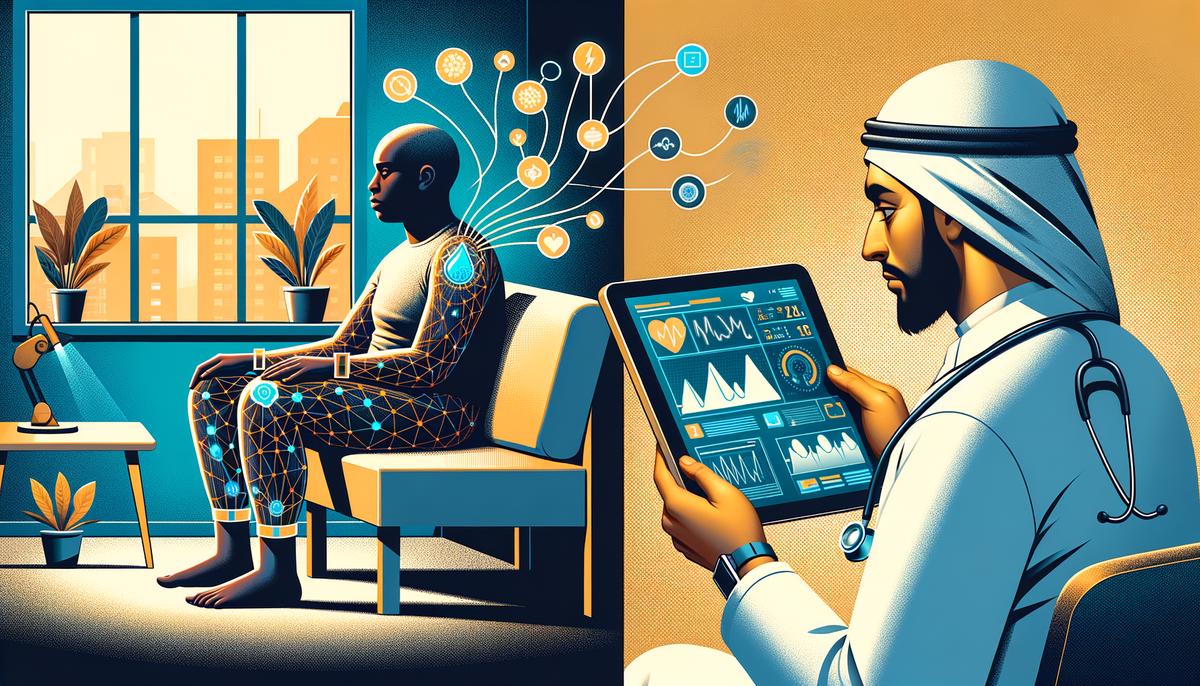
Sensor technology emerged as a potential solution to address healthcare disparities exposed by the pandemic. These devices can transform homes into mini health clinics, transmitting vital health metrics directly to healthcare providers. This reduces the need for physical presence, benefiting individuals who face geographic or socio-economic barriers to accessing traditional healthcare facilities.
By capturing and conveying critical health data without delay, sensors enable healthcare professionals to make earlier, more informed decisions. This proactive approach expedites care and alleviates burdens on overtaxed medical staff, allowing for more efficient resource allocation.
As the world emerges from the pandemic, sensors have become invaluable in ensuring workplaces, schools, and public spaces can function safely. They enable real-time health monitoring and can quickly signal potential outbreaks, demonstrating resilience in our global health response.
The integration of sensor technology within healthcare systems suggests a path toward more comprehensive and inclusive care. By bridging gaps in access and improving efficiency, these innovations can help dismantle systemic barriers that have long plagued marginalized communities.
Embracing this change requires policy frameworks that support widespread implementation of sensor technologies, ensuring they benefit all. It demands investment in infrastructure and a commitment to training healthcare workers to harness these tools effectively.
Impact on Cancer Care
Cancer care exemplifies the broader healthcare challenges exacerbated by COVID-19. Workforce shortages affected specialized roles critical for the nuanced care that cancer treatment demands. Nurses and physicians saw their ranks thinned as COVID patients required urgent attention, leaving cancer wards understaffed.
Treatment delays became an unfortunate reality. For cancer patients, timely interventions can mean the difference between life and death. The disruption of scheduled surgeries, chemotherapies, and routine checkups reflected the immense strain on medical facilities facing an unprecedented crisis.
The shift to tele-consultations, while demonstrating healthcare's adaptability, presented challenges in oncology, where physical examinations and face-to-face consultations are pivotal. Hematology nurse consultants like Johan de Munter from Gent University Hospital, Belgium, emphasize how the lack of in-person assessments can obscure critical observations and psychosocial support.
The transition to remote consultations also highlighted the digital divide, leaving individuals without access to technology or reliable internet at a disadvantage. Patients from lower-income backgrounds found themselves further excluded from care, exacerbating existing healthcare disparities.
The psychological toll on patients, uncertain about their treatment and fearful of the virus, adds complexity to their health outcomes. Their anxiety, compounded by potential disease progression due to deferred treatments, underscores the far-reaching consequences of disrupted care.
To address these challenges, we must improve workforce resilience through better working conditions and support initiatives, and innovate in care delivery. Sensor technology and mobile health units offer pathways to reach patients more effectively, ensuring continuity of care despite physical barriers.

Global Healthcare Resource Sharing
The pandemic highlighted the potential and necessity for global cooperation in healthcare resource sharing. Technology emerges as the linchpin in democratizing healthcare access across geographic and economic divides.
Mobile hospitals, equipped with advanced medical technologies, serve as healthcare's frontline in underserved regions. By deploying these adaptable units to areas lacking permanent infrastructure, they provide essential care and bridge the gap between need and accessibility.
Remote monitoring technology supports these operations, enabling care that transcends borders. With sensors capturing vital patient information in real-time, specialists worldwide can collaborate on treatment plans, combining insights that would otherwise be geographically siloed.
However, realizing this vision presents challenges. Infrastructure remains a stumbling block; strong connectivity and reliable power sources are essential for technology to reach its potential. Investments in these foundations are critical, as is fostering partnerships between technology providers, governments, and non-profits to ensure sustainable and adaptable systems.
Training healthcare professionals in developing regions to effectively utilize advanced technologies must accompany these developments. This investment in human resources empowers local healthcare workers with the skills to operate these systems autonomously, creating a resilient, self-sustaining healthcare landscape.
The global exchange of healthcare resources facilitated by technology promises to revolutionize access to healthcare in developing regions. It offers hope for a future where geography no longer dictates healthcare outcomes, ensuring a fairer world where quality care is accessible to all.
Future of Universal Health Coverage
The path to universal health coverage represents a moral obligation to create a world where every individual has access to necessary care. As we reflect on the pandemic's impact, the necessity of such a system becomes increasingly evident.
Implementing universal health coverage requires targeted actions across several fronts:
- Investing in workforce development by increasing the number of healthcare workers, enhancing their training, and improving working conditions.
- Equitable resource allocation to ensure underserved areas receive needed infrastructure and medical supplies.
- Policy reform to address systemic inequities, remove financial barriers to care, and protect patients against catastrophic healthcare costs.
- International cooperation to build a global health network that is agile, responsive, and capable of withstanding future pandemics.
- Community engagement to foster public trust and participation, which are fundamental to the success of universal health coverage.
By making thoughtful investments in the workforce, optimizing resource allocation, and enacting comprehensive policy changes, we can pave the way toward a future where healthcare disparities are relics of the past. This vision for universal health coverage calls us to rebuild a system that is inclusive, resilient, and equitable—where access to quality healthcare is a fundamental human right.
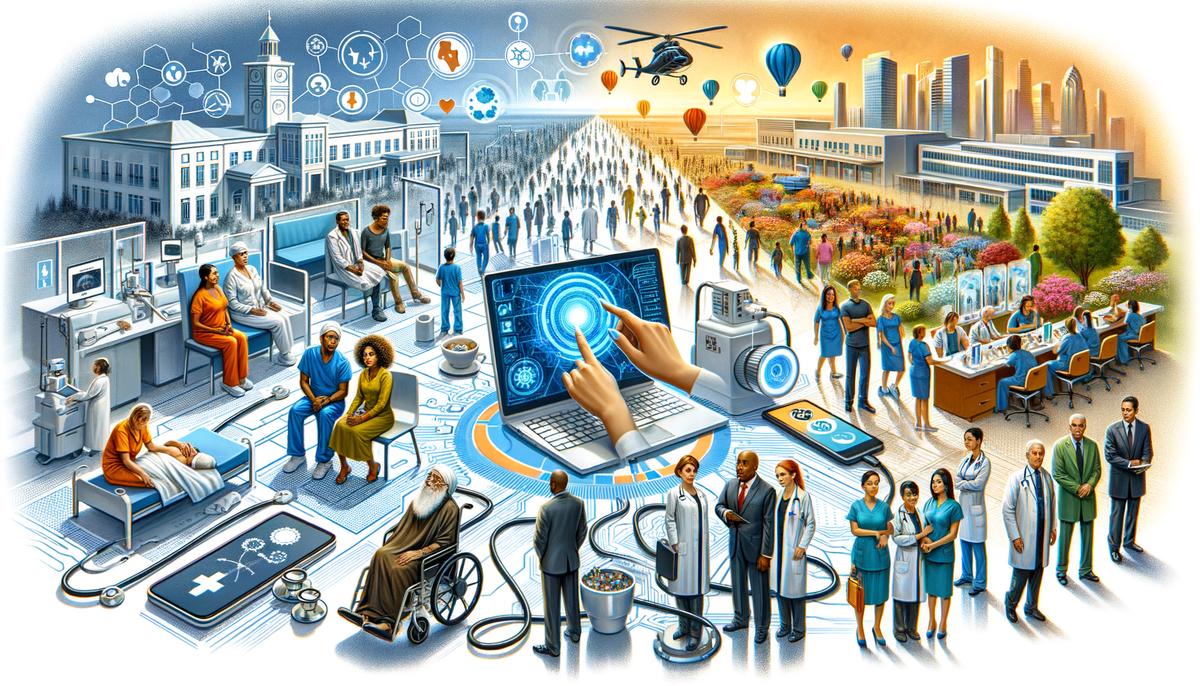
As we reflect on the lessons learned from the pandemic, one truth stands out: equitable access to healthcare is a fundamental human right. By prioritizing investments in technology, infrastructure, and human resources, we can create a system that values every individual. The path forward requires commitment and collaboration, but it offers the promise of a more just and accessible future for all.
- Charalambous A. European Cancer Nursing Day ECND2020: Universal Health Coverage and addressing inequalities in access to healthcare. European Oncology Nursing Society. 2020.
- de Munter J. Challenges in cancer care during COVID-19 pandemic. European Oncology Nursing Society. 2020.
- Torcato Parreira S. Impact of COVID-19 on cancer wards. European Oncology Nursing Society. 2020.
- Sharp L. Decline in cancer diagnoses during COVID-19 pandemic. Stockholm-Gotland Cancer Centre. 2020.
- Oldenmenger W. Appeal to cancer patients during COVID-19 pandemic. Netherlands Cancer Institute. 2020.