
Food deserts are a pressing issue, reflecting broader societal challenges. These areas highlight the struggle for equitable access to nutritious food, particularly in Black neighborhoods. The journey through this topic reveals systemic barriers and the impact on community health and well-being.
Understanding Food Deserts
Food deserts aren't just about a lack of food. They're part of a complex system shaped by societal inequalities. In many Black neighborhoods, they reflect a pattern of exclusion—areas where grocery stores are scarce. Drive for miles, and there's still no sight of a supermarket, just fast-food chains lined up. These neighborhoods face consequences that go beyond inconvenience—they affect life itself.
Healthy food becomes a luxury. Instead of wholesome choices, residents encounter aisles filled with processed options. It's a cycle where high calorie, low-nutrition foods dominate. These conditions fuel chronic ailments, changing health landscapes burdened by obesity, diabetes, and heart disease.
The roots of food deserts are anchored in policies like redlining, which acted as a barrier against healthy community development. Zoning laws and economic neglect fostered inequality, leaving communities with limited access to nutritious fare. Gentrification and displacement have further complicated the issue, transforming neighborhoods and displacing long-time residents.
What makes it particularly challenging is the persistence of higher prices for fresh foods where they are most needed. The toll comes in more doctor visits and medical bills, creating a public health crisis that disproportionately affects these communities.
However, there is hope. Community efforts, like urban gardens, are striving to change the landscape. From Los Angeles to South Central, grassroots initiatives are sprouting community gardens. When a neighborhood unites, positive change can occur despite challenging circumstances.
Grocery store incentives and government initiatives aim to promote equitable development. When stores are reintroduced into neglected areas, it can help address hunger and health inequalities. Real change requires action—equitable policy reform, improved transport, and a willingness to adjust the economic playing field.

Health Impacts of Food Deserts
The lack of access to nutritious food in food deserts has significant health ramifications. In these areas, the absence of fresh produce and healthy options directly contributes to a surge in diet-related health issues such as obesity, diabetes, and heart disease. These ailments are lived realities that grip communities, especially Black ones, with relentless force.
In environments surrounded by fast-food options, making healthy dietary choices becomes challenging. This cycle turns healthy eating into an unattainable ideal, pushing residents toward cheaper, calorie-dense food laden with sugars and unhealthy fats. Consequently, the prevalence of obesity in Black communities increases, accompanied by type 2 diabetes and heart disease.
The issue is deeply intertwined with systemic racism and economic challenges that fuel these health inequalities. Generations of discriminatory practices have significantly curtailed Black communities' access to resources, including reliable transportation to distant grocery stores stocked with fresh produce.
Economic instability amplifies the challenge, leaving many Black families grappling with financial constraints that make prioritizing nutrition difficult. Even when healthy foods are available, they often come at a premium that far exceeds the budgets of low-income households.
Addressing food deserts requires systemic solutions—policies that ensure equitable economic investments, support local agriculture, and offer mobile food solutions in underserved areas. The solution lies in dismantling the barriers of racism and economic disparity that keep these communities shackled to a health crisis.
Community action plays a crucial role. Through empowering initiatives that promote urban agriculture, community-led health education, and partnerships with local businesses, people can harness a collective determination to reclaim their health. The journey to bridge these nutritional gaps isn't merely about food; it's about justice, equity, and survival.
Root Causes of Food Deserts
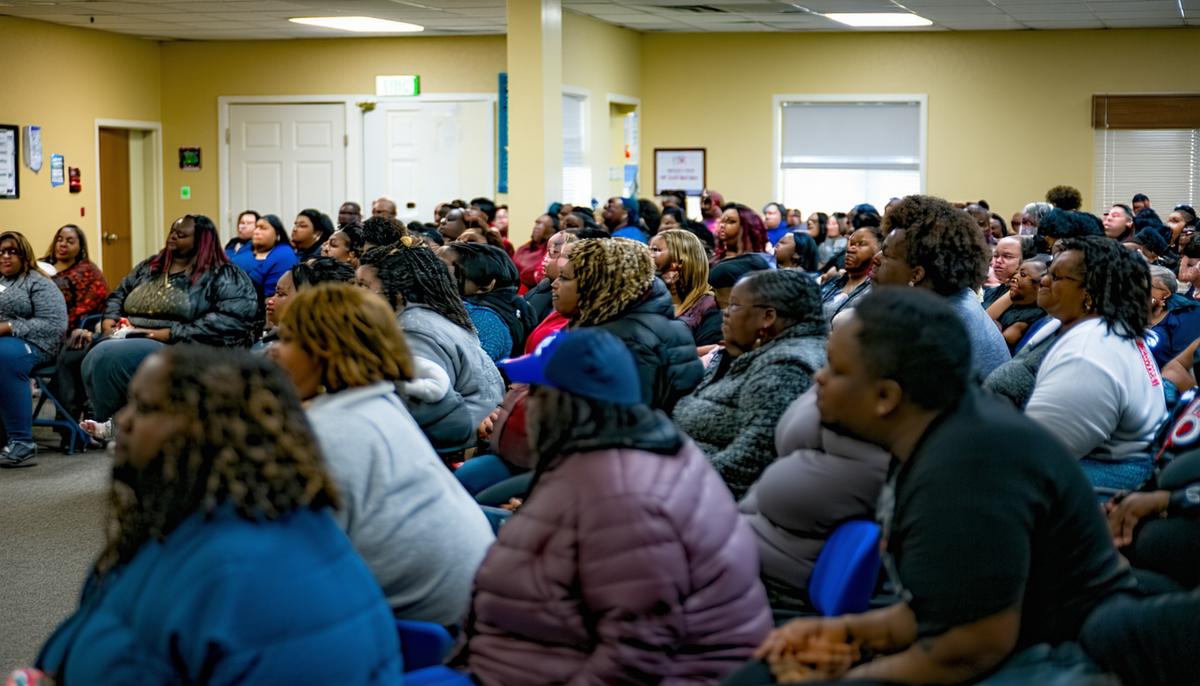
The root causes of food deserts are deep-seated and complex. To understand their persistence in Black neighborhoods, we must examine the intricate web of systemic forces that have perpetuated inequality.
Redlining, originating in the 1930s, was a discriminatory practice wherein home loan lenders outlined areas with significant minority populations, declaring them high-risk and undeserving of investment. This effectively barred these communities from accessing essential resources, including the development of grocery stores.
This historical backdrop of exclusion set the stage for disinvestment and neglect. Through the decades, as more affluent neighborhoods flourished with thriving supermarkets and farmer's markets, Black neighborhoods were left behind. The absence of investment not only created food scarcity but also entrenched economic disparity.
Biased legislative frameworks further compounded these issues, preferring wealthy, predominantly white communities. Zoning laws and urban planning decisions favored commercial sectors miles away from Black neighborhoods, curtailing the organic growth of local businesses, like grocery stores.
Economic disparity directly correlates to the persistence of food deserts. It leaves Black families disproportionately affected by rising food prices, making fresh produce more of a luxury than a necessity. Poverty dictates diet not by choice but by necessity.
Gentrification, while often touted as development, can displace long-standing residents, severing deeply woven community ties. What arrives as progress can erase stories that have been scripted for generations, leaving behind vacant lots and shuttered storefronts.
Understanding these foundational issues provides the blueprint for dismantling food deserts. Reversing these systemic practices requires legislative reform, equitable redistributive policies, and dedicated community advocacy.
Community-led initiatives, empowered by awareness of this history, are sowing seeds of potential across urban landscapes. By nurturing these grassroots movements, amplifying their voices in policy conversations, and supporting local agriculture initiatives, there is hope to redraw the map towards equitable access to healthy food.
Community and Policy Solutions
Grassroots movements have emerged as powerful entities crafting solutions where systems have failed. These community-led initiatives are driving change against food inequality, armed with resilience and innovation.
In South Central Los Angeles, the community has rallied to create the city's first-ever vegan festival. This event promotes local entrepreneurs and gives voice to Black and Brown vendors, fostering inclusivity and educating the community on sustainable, plant-based lifestyles.
Urban agriculture has become a transformative tool, converting vacant lots into community gardens. In cities like Detroit, these green spaces redefine access to fresh produce, offering residents an opportunity to collaborate, cultivate, and consume fruits and vegetables from their neighborhood.
Policy reform serves as the structural backbone reinforcing these local efforts. Effective policy initiatives can empower communities with the tools they need to break free from food deserts. For instance:
- Incentives for grocery chains to settle in underserved urban districts through tax breaks and grants
- Strategic zoning reforms to foster equitable distribution of grocery stores and farmers' markets
- Support for mobile markets and food cooperatives to overcome geographic hurdles
Education plays a pivotal role. Nutrition education initiatives forge pathways to better health, equipping communities with essential knowledge to make informed food choices. Integrating health education into school curricula and community programs empowers residents to navigate their neighborhoods with a discerning eye toward nutrition.
The way forward lies in propelling action from within, supported by thoughtful policy measures. Communities, empowered by education and policy support, can reclaim their right to health and vitality. Food justice isn't just a concept; it's a community's birthright, awaiting realization through persistence, innovation, and unity.

The Role of Gentrification and Displacement
Gentrification and displacement can widen the chasm of inequality. Black communities, long anchored by rich histories and vibrant cultures, find themselves swept up in economic transformation, leading to a profound reshaping of social structures. As inhabitants are displaced, they often face landscapes that exacerbate food insecurity and deteriorate health outcomes.
The story echoes across urban settings—new developments, expensive housing, and chain retailers replacing local stores. It's a familiar saga where rising costs force original residents to seek shelter in less desirable areas, often characterized by limited access to healthy foods.
Displacement dismantles the foundations of community life. Social networks, essential for resilience and resource-sharing, disintegrate as longtime residents scatter. The exodus propels displaced families into new areas, typically already grappling with their own food access issues, forming a cycle of scarcity.
This displacement isn't just spatial; it impacts mental and physical health. The uprooting from familiar environments heightens stress and anxiety. Displaced individuals often land in neighborhoods where medical services are scarce, amplifying pre-existing health issues. The consistent absence of nutritious food creates breeding grounds for chronic diseases that disproportionately affect marginalized populations.
Mitigation strategies include:
- Proactive policy measures balancing development with preservation
- Financial incentives for developers to include affordable housing and community services
- Implementation of community land trusts to protect residents from displacement
- Enhancing access to public transportation to shrink geographical barriers
- Supporting local economies through initiatives like pop-up markets and farmer cooperatives
The response to gentrification and displacement demands intentionality, striving not just for mitigation but transformation. Through policy, empowerment, and economic innovation, communities can reclaim their autonomy, transforming stories of displacement into tales of resilience. This endeavor for food equity is part of a broader quest for justice, ensuring Black communities are celebrated and elevated within the evolving urban landscape.
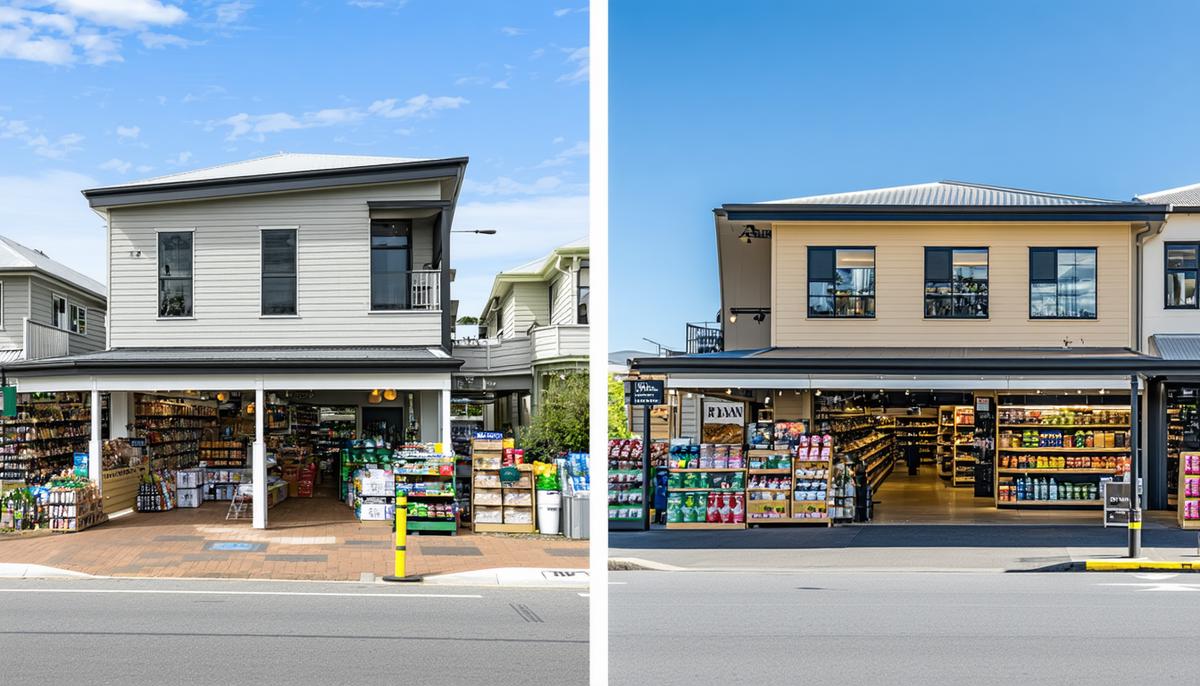
Addressing food deserts is about more than just food access; it's a call for justice and equity. By understanding the deep-rooted causes and embracing community-driven solutions, we can pave the way for healthier, more inclusive neighborhoods.
- Office of Disease Prevention and Health Promotion. Social Determinants of Health. Washington, DC: U.S. Department of Health and Human Services; 2020.
- Centers for Disease Control and Prevention. Health Disparities in Obesity. Atlanta, GA: CDC; 2019.
- World Health Organization. Social Determinants of Health. Geneva: WHO; 2021.
- California Center for Public Health Advocacy. Designed for Disease: The Link Between Local Food Environments and Obesity and Diabetes. Davis, CA: CCPHA; 2008.
- National Library of Medicine. Obesity and African Americans. Bethesda, MD: NLM; 2011.
- Cleveland Clinic. Obesity in Children. Cleveland, OH: Cleveland Clinic; 2022.