
Systemic Barriers to Mental Health Care
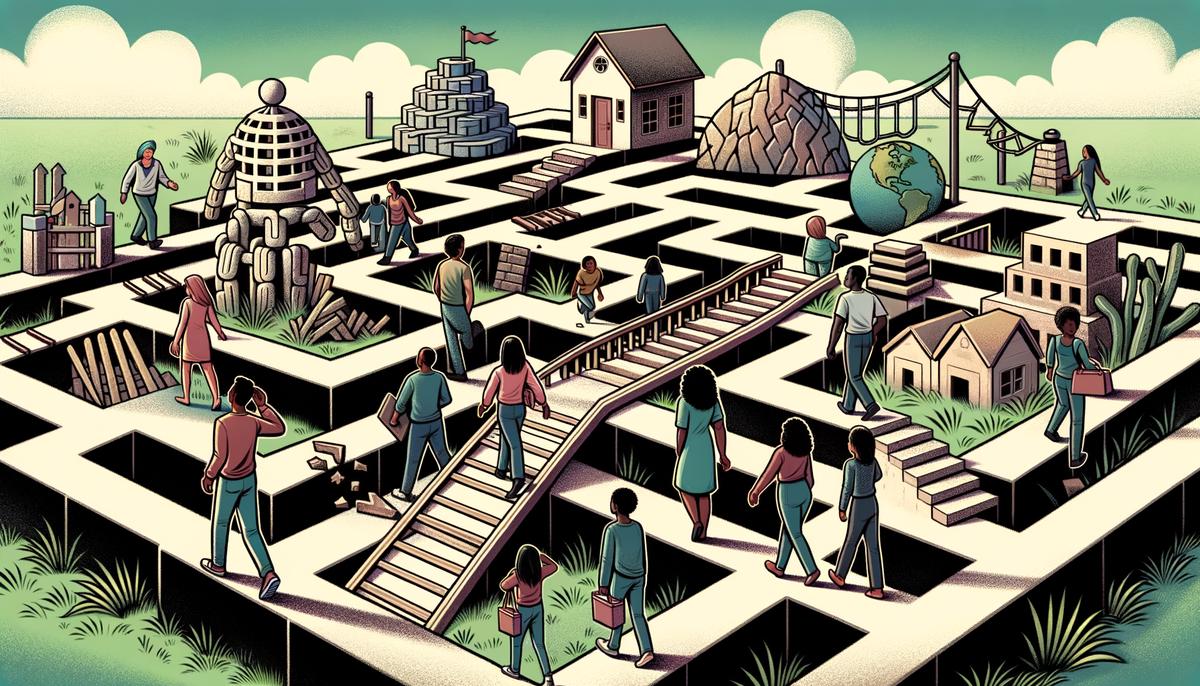
Silent hurdles stand tall when marginalized communities face mental health challenges. These barriers, largely unseen by the privileged, have roots in systemic racism, impacting housing, education, and employment opportunities. Housing inequality denies individuals the stability of a safe home, while education often falls short, limiting future prospects. Employment remains precarious, affected by bias and limited opportunity.
Cultural stigma surrounding mental health persists, with discussions often treated as taboo. Families may watch loved ones struggle alone, as seeking therapy is seen as admitting defeat. Many hide their battles behind smiles or stoic expressions to avoid judgment.
The lack of diverse mental health professionals who understand cultural nuances further complicates access to care. For many, this lack of understanding feels like wearing shoes that almost fit, but never quite make the journey comfortable.
Financial strains also limit access. The high cost of mental health care forces families to choose between therapy and basic necessities. Even those with insurance often find their plans inadequate for comprehensive care.
In rural areas, vast distances separate people from mental health services. This isolation creates significant barriers between residents and the help they need, making telemedicine difficult and in-person visits challenging.
Mental health stigma fosters a culture of avoidance and mistrust, becoming an invisible prison where people hold themselves back from seeking help. Overcoming these barriers requires more than acknowledgment – it demands creating environments where mental health care is accessible to all, regardless of background or location.
Cultural Stigma and Its Effects
Cultural beliefs and values can wrap mental health conversations in layers of silence and skepticism, especially within minority communities. These deeply interwoven beliefs can actively discourage individuals from seeking help. In some cultures, admitting to a mental health struggle feels like conceding weakness, clashing with ingrained values of resilience and self-reliance.
For instance, in many Asian communities where family harmony and honor are paramount, disclosing mental health issues might threaten to disrupt this harmony, leading to fear of bringing shame upon one's family. This can silence those already hesitant to speak, fostering an internalization of struggles.
This stigma extends beyond households into the broader community, incubating judgments that keep affected individuals isolated. Conversations turn to hushed whispers or are avoided entirely, as if spoken words might somehow conjure greater misfortune.
The impact is most pronounced in the deficit of culturally competent care. Consider a young Latina grappling with depression, caught between cultural norms that equate suffering with normalcy and the foreignness of therapy. When she does seek help, her interactions with mental health professionals may feel like an awkward dance, where her lived experience is not fully understood.
Culturally competent care requires awareness and sensitivity to cultural values, which can play pivotal roles in mental health treatment. The lack of this approach often leaves individuals feeling misunderstood or alienated, making them less likely to continue with therapy or trust the therapeutic process.
To erode this stigma, initiatives must embrace diverse cultural identities. Community leaders, healthcare providers, and policymakers need to weave cultural competency into mental health services, creating an environment where therapy is seen as an accessible, relatable lifeline rather than an alien concept.

Media Influence on Mental Health Perceptions
Media serves as both a mirror and a molder of societal perceptions, yet its portrayal of mental health often distorts rather than clarifies. For marginalized communities, these representations can amplify existing stigma, creating misunderstanding and prejudice that reverberate through society.
Negative and inaccurate representations of mental illness are common, often depicting individuals with mental health conditions as dangerous or unstable. Popular films or television series frequently portray characters with mental health issues as violent or unpredictable. This not only misrepresents the reality of mental health conditions but also entrenches damaging stereotypes, feeding into public fears and fostering a climate of distrust and alienation.
For individuals within minority communities, where cultural stigma is already prevalent, this media-fueled narrative becomes another barrier. It exacerbates self-stigma, where individuals question their own experiences and view themselves through a distorted lens. This self-doubt diminishes their likelihood of seeking help.
The media's neglect in showcasing positive recovery stories or successful treatment leaves a void where hope should reside. Without these affirming accounts, society lacks models for understanding mental wellness, overshadowing the progress many individuals make in their mental health journeys.
Steps to Improve Media Representation:
- Conscious storytelling that looks beyond stereotypes
- Presenting nuanced accounts reflecting varied experiences
- Involving voices from affected communities in the storytelling process
- Implementing public health campaigns and media literacy programs
- Highlighting lived experiences and incorporating voices of people with mental health conditions
By taking these steps, we can work towards dismantling myths and fostering compassion and understanding in media portrayals of mental health.

Efforts to Reduce Mental Health Stigma
Changes are occurring to address mental health stigma. Public health campaigns have taken center stage, using empathy and education to dismantle walls of judgment and fear. These efforts emphasize personal accounts, creating spaces where stories are shared without stigma. Listening to someone's journey becomes an act of solidarity that challenges prejudice.
Successful interventions involve community engagement and specific approaches. Programs that engage young people and underrepresented groups recognize the importance of meeting individuals where they are—culturally and geographically. By using cultural signifiers and language, these initiatives become relevant and relatable, aligning with lived experiences.
Workplaces are also evolving. Forward-thinking companies are creating environments where mental health is as mentionable as physical health. Initiatives including mental health days, accessible counseling services, and open discussions on mental wellness signify a shift in dismantling stigma from within organizations.
Individual Actions to Reduce Stigma:
- Educate yourself and others on mental health issues
- Challenge stereotypes when you encounter them
- Use compassionate language when discussing mental health
- Provide a listening ear and an open mind to those struggling
- Recognize that mental health is part of the human experience
Media plays a crucial role in breaking stigma. Initiatives supporting accurate and empowering representation pave the way for broader societal acceptance. It's a call for creators and broadcasters to curate stories that reflect resilience and recovery, painting mental health with the diverse palette it deserves.
As these efforts converge, mental health care becomes more inclusive. Progress unfolds where dialogue focuses not just on eliminating stigma but on fostering supportive systems. This journey involves everyone—each conversation and intervention shaping a world where accessing mental health care becomes natural, erasing undue barriers and ensuring all individuals find the support they need.

Impact of Stigma on Recovery and Support Systems
Stigma profoundly affects the recovery process for individuals with mental health conditions, often hindering paths to healing. It erodes hope, diminishes self-esteem, and creates isolation. For many in recovery, stigma acts as an unnecessary burden, often prolonging or derailing their journey to wellness.
The nature of stigma can instill a sense of unworthiness in those seeking recovery. When societal judgment devalues individuals with mental illness, it fosters self-stigmatization. This self-stigma nurtures self-doubt and guilt, stunting the essential belief in one's ability to recover. For someone struggling with depression, each step toward help may be met with an internalized societal disdain, subtly suggesting their struggle is a personal failing rather than a health challenge.
Stigma's effects ripple outward, impacting crucial support networks. Family members and friends, though often pillars of support, are not immune to societal biases. They may inadvertently internalize stigma, viewing their loved ones' struggles through a skewed lens. This can lead to hesitancy in openly discussing mental health or seeking external help, fearing judgment of their family unit.
Support bonds can become strained under the weight of stigma. A family member might refrain from encouraging therapy if discussing mental health is viewed as taboo. Or, they may hesitate to advocate for their loved one in medical or social spaces, worried about stigma reflecting back on them. This muted support can leave individuals feeling increasingly isolated, compounding their struggles and diminishing hope for recovery.
Social gatherings can become challenging—places where stigma manifests in dismissive comments or awkward silences. Friends might withdraw due to discomfort or misunderstanding, leading those affected to retreat from vital communal support. The resulting social isolation can feel more suffocating than the initial symptoms of the mental health condition itself, perpetuating cycles of loneliness.
Strategies to Transform the Landscape:
- Amplify voices that uplift rather than diminish
- Empower through education on mental health nuances
- Encourage open dialogue within family units and social circles
- Implement community education programs and support groups
- Foster environments rich in understanding and empathy
Support systems, when intact and free from stigma, act as buoys. They provide reassurance, foster resilience, and enhance the likelihood of individuals adhering to treatment. By dismantling stigma in these settings, we strengthen the societal bonds that connect us all—building communities of support that recognize struggles, celebrate victories, and view mental health as an integral part of our shared human experience.

Creating a world where mental health care is accessible and stigma-free for all is not just a goal but a necessity. Recognizing and addressing systemic barriers requires collective effort and empathy to ensure mental health support reaches everyone, regardless of their background or circumstances.
- Scarf D, Zimmerman H, Winter T, et al. Association of Viewing the Films Joker or Terminator: Dark Fate With Prejudice Toward Individuals With Mental Illness. JAMA Netw Open. 2020;3(4):e203423.
- Oexle N, Müller M, Kawohl W, et al. Self-stigma as a barrier to recovery: a longitudinal study. Eur Arch Psychiatry Clin Neurosci. 2018;268(2):209-212.
- American Psychiatric Association. APA Public Opinion Poll – Annual Meeting 2022. May 2022.