In the pursuit of a fairer society, various organizations are addressing health disparities and advocating for marginalized communities. Their efforts highlight the importance of community-driven solutions and informed advocacy in reshaping healthcare access.
1. Dia de la Mujer Latina
Día de la Mujer Latina operates at the core of health equity by developing training programs for Promotores and Community Health Workers. This grassroots organization aims to reshape the workforce landscape, equipping individuals with the knowledge and skills necessary to advocate for underserved communities.
The organization focuses on bridging the gap in healthcare access for Latina women across the nation. They spearhead initiatives that challenge systemic barriers, addressing issues like:
- Language access
- Cultural competency
- Health literacy
Their methods include providing community-based events that emphasize preventive care and self-advocacy. Día de la Mujer Latina empowers participants by giving them tools to demand better health services and navigate existing systems more effectively.
The initiative also extends its reach beyond healthcare. Education plays a vital role, with targeted programs designed to inform and support Latina women facing economic and social challenges. By recognizing the intersectionality of these issues, the organization offers comprehensive support.
2. Asian & Pacific Islander American Health Forum
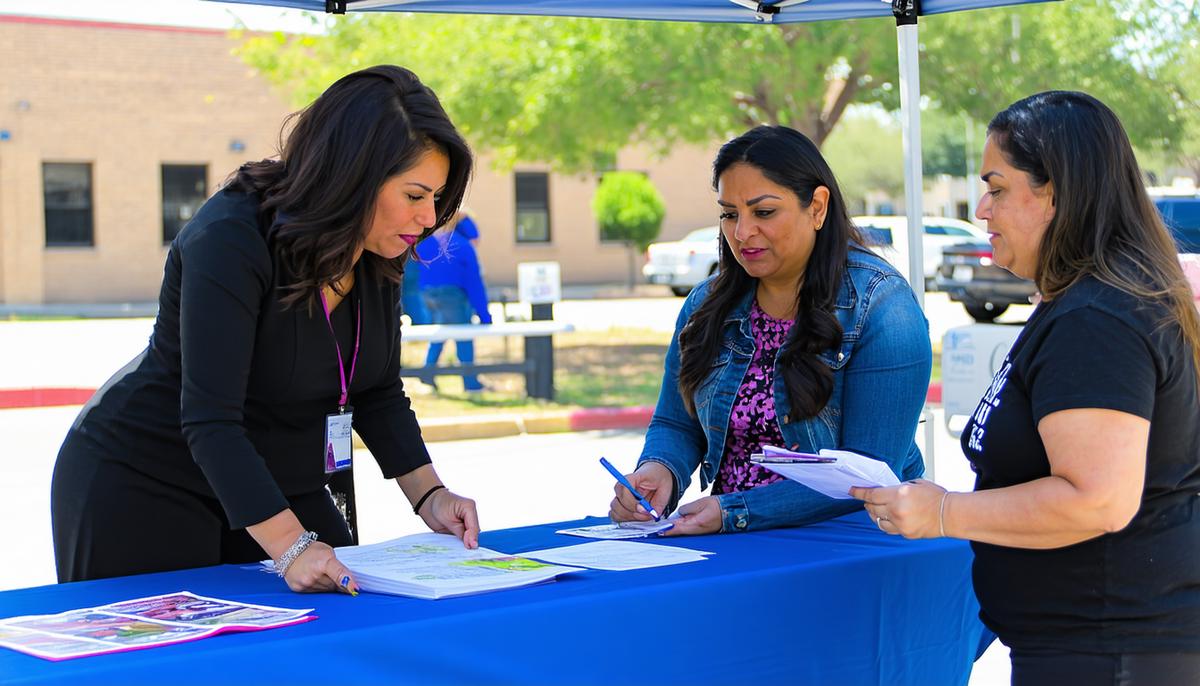
The Asian & Pacific Islander American Health Forum (APIAHF) advances health equity by focusing on the unique needs of Asian American, Native Hawaiian, and Pacific Islander (AANHPI) communities. Through their vaccination engagement initiatives, APIAHF tackles deep-rooted language and cultural barriers that often hinder access to essential healthcare services.
This organization takes a culturally attuned approach, understanding that effective communication is crucial in addressing healthcare disparities. By offering multilingual resources and culturally sensitive outreach programs, APIAHF empowers individuals to make informed health decisions and access preventive services.
APIAHF's efforts address broader healthcare access issues, emphasizing the importance of cultural competence in healthcare settings. By fostering an environment of understanding and respect, APIAHF advocates for a system where AANHPI voices are integrated into public health planning and policy.
Through partnerships with local organizations and community leaders, APIAHF amplifies their impact, ensuring that AANHPI communities are not left behind in national health initiatives.

3. BLKHLTH CARES School
BLKHLTH's CARES School is focused on catalyzing change at the grassroots level, arming advocates with the skills necessary to drive meaningful policy reform. The Community Advocacy for Racial Equity School (CARES) offers a comprehensive curriculum that empowers participants to challenge systemic factors pervading the healthcare landscape.
BLKHLTH's mission is to ensure that the voices of marginalized communities resonate at the policy-making table. By equipping advocates with knowledge and tactical skills, CARES enables them to dismantle entrenched barriers and advance health equity in their communities. The program emphasizes utilizing research and data to craft evidence-based strategies.
The CARES School fosters a sense of unity among its participants, who come from diverse backgrounds yet share a common goal—to achieve racial equity in healthcare. These advocates are trained to navigate the complex healthcare policy ecosystem, equipped to promote policies that reflect the real needs of their communities.
By mobilizing community members to engage in policy reform, CARES is not just enhancing healthcare access—it's transforming the framework of health equity.

4. Reproductive Freedom for All
Reproductive Freedom for All leads the Abortion Access Now campaign, advocating for reproductive rights as an integral part of broader health justice initiatives. The organization works to dismantle structural barriers that limit access to essential reproductive services, emphasizing the need for policies that prioritize these rights across diverse communities.
Through strategic advocacy and public education, they amplify the voices of those most affected by restrictive reproductive policies. Their initiatives target legislative reforms, pushing for legal frameworks that safeguard abortion access and uphold reproductive autonomy for all individuals.
Central to their mission is a dedication to inclusivity, recognizing the intersection of reproductive justice with:
- Racial equity
- Economic justice
- Gender equality
By fostering collaborations with like-minded organizations, Reproductive Freedom for All elevates these critical issues and strengthens the collective impact of the movement.
Their efforts recognize that reproductive rights are indivisible from the larger pursuit of health equity. Through persistent advocacy and community engagement, Reproductive Freedom for All is working towards a future where reproductive justice is realized for everyone.

5. WNC Health Network
WNC Health Network advances health equity throughout Western North Carolina, employing data-driven strategies to bridge health disparities in rural locales. By examining social determinants of health, this organization uncovers the systemic roots of inequities and crafts targeted interventions to transform health outcomes.
Operating at the intersection of research and community advocacy, WNC Health Network combines data analysis with grassroots engagement to shape their solutions. This approach enhances the precision of their initiatives and ensures these strategies are grounded in the lived realities of the communities they serve.
Central to their mission is addressing the unique challenges faced by rural populations, often underserved and geographically isolated. By leveraging healthcare data, they illuminate these communities' specific needs, driving systemic changes that bolster:
- Resource allocation
- Policy reform
- Infrastructural developments
WNC Health Network's initiatives empower local leaders and organizations, equipping them with tools and knowledge necessary to advocate for meaningful change. Their work exemplifies how community-led solutions, supported by robust data, can lead to sustainable health improvements.

6. Essie B. & William Earl Glenn Foundation
The Essie B. & William Earl Glenn Foundation is dedicated to dismantling systemic barriers to healthcare access, particularly within impoverished Black rural communities. By targeting the root causes of health inequities, the Glenn Foundation is reshaping what is possible for marginalized populations.
Central to their mission is challenging the concept of undeservingness, a pervasive belief that wrongly excludes certain communities from quality healthcare access. The Glenn Foundation develops programs that advocate for equal access to health services and promote health education and awareness to bridge the gap between healthcare systems and underserved populations.
Their approach is rooted in collaboration, working closely with local organizations, community leaders, and health practitioners to leverage insights that directly reflect the lived experiences of those they aim to assist.
Through research, advocacy, and education, the Glenn Foundation develops programs that empower individuals to demand better healthcare, creating pathways to improved health outcomes. They emphasize the importance of technological innovations, such as telemedicine and advanced diagnostics, making healthcare more accessible and adaptable to the needs of rural communities.
7. National Latina Institute for Reproductive Justice
The National Latina Institute for Reproductive Justice (Latina Institute) advocates for reproductive rights and health equity, specifically for Latina women and their families. This grassroots movement recognizes the complex interplay of factors such as race, gender, and socioeconomic status in the pursuit of reproductive justice.
The Latina Institute addresses the multifaceted landscape of reproductive healthcare, tackling the unique challenges faced by Latina women, including:
- Language barriers
- Immigration status
- Cultural stigmas
By amplifying the voices of those often marginalized in national dialogues, they forge paths toward inclusivity and representation in healthcare policy.
Education and community engagement are cornerstones of the Latina Institute's approach. Through workshops, forums, and strategic initiatives, they empower Latinas to become leaders in the fight for reproductive justice, armed with knowledge and advocacy skills.
The Latina Institute places a strong emphasis on intersectionality, advocating for reproductive healthcare that acknowledges and addresses the broader social injustices impacting Latina lives. They champion comprehensive approaches that integrate reproductive rights into the larger pursuit of health equity, economic justice, and civil rights.
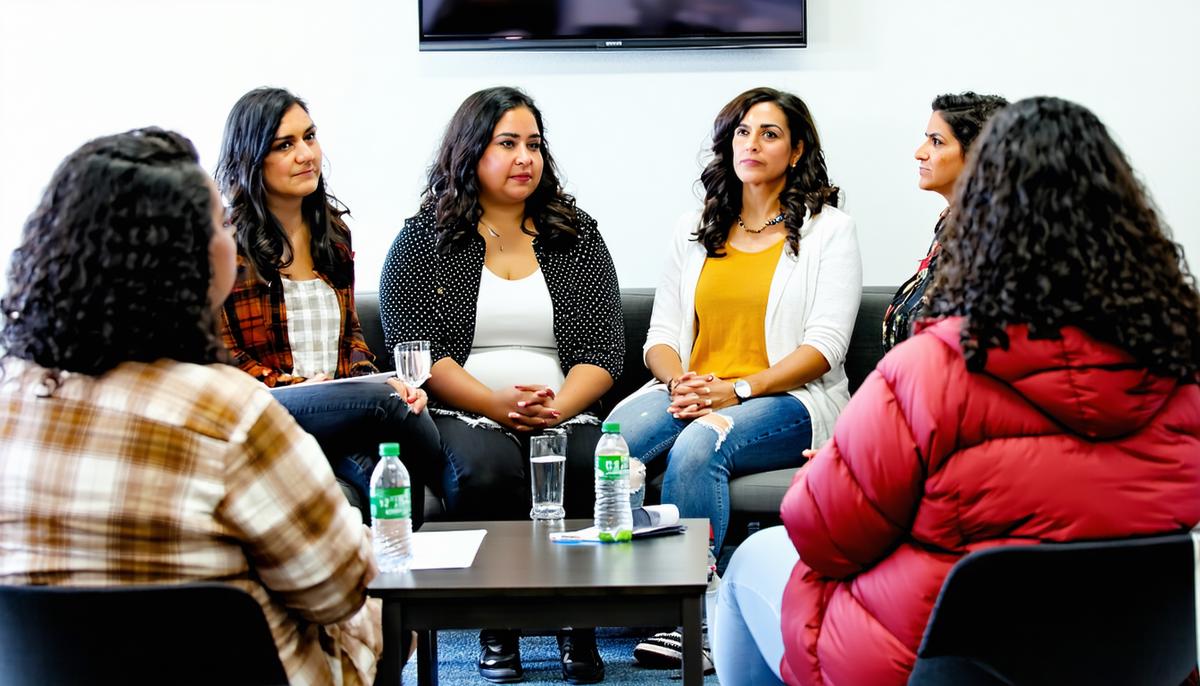
The collective impact of these initiatives underscores a fundamental truth: by uplifting underserved communities, we move closer to a society where health equity is not just an aspiration but a reality.
- Asian and Pacific Islander American Health Forum. Engaging Asian American & Native Hawaiians/Pacific Islander Communities in Vaccination. APIAHF website.