
Rural Health Inequities
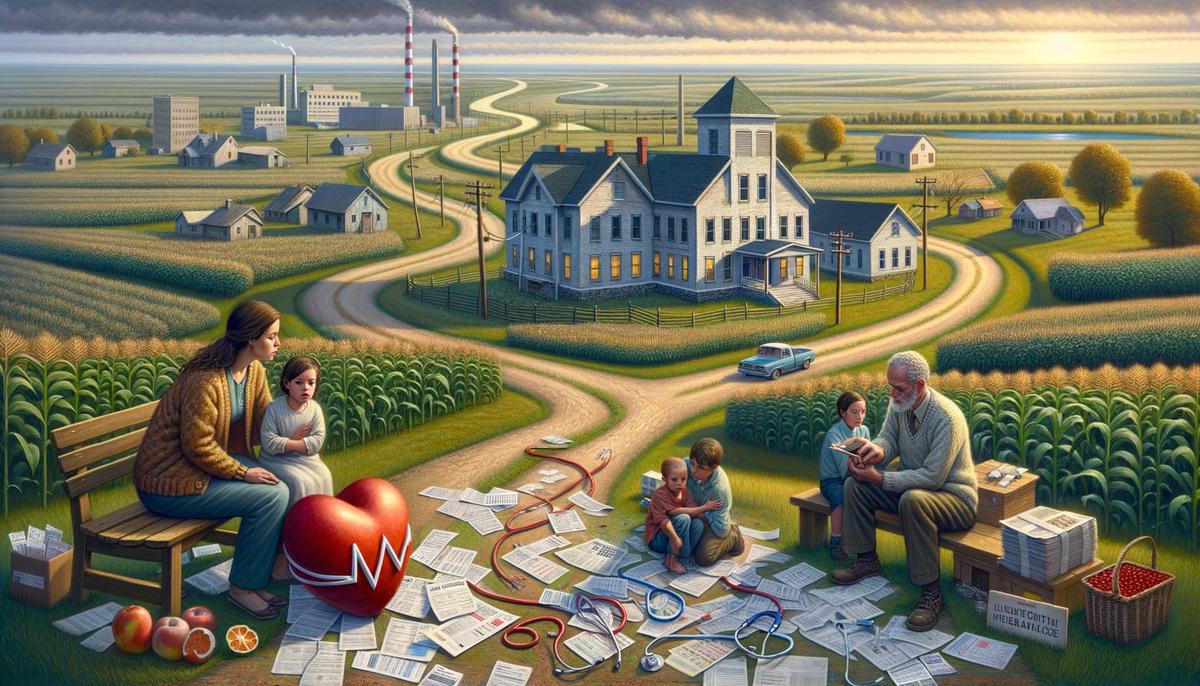
Rural communities face significant health disparities, with high rates of chronic illnesses like diabetes, heart disease, and cancer. Limited access to healthcare and a scarcity of medical experts contribute to these issues. Many rural residents lack employer-provided health insurance, leaving them vulnerable during medical emergencies. Long travel times to reach doctors compound the problem.
Geography, combined with lower educational opportunities and high poverty rates, creates widespread inequity. Real-life stories illustrate these challenges vividly. Rural families often face difficult choices between buying medicine or putting food on the table.
Telehealth offers potential solutions, particularly if broadband access improves. However, lack of technological infrastructure keeps this promise out of reach for many rural areas still struggling with limited internet connections.
Grassroots efforts show promise, with local communities banding together to share resources and create support networks. Federal and state policies could provide support by increasing rural infrastructure and healthcare funding.
Hospital closures indicate widespread health problems and can devastate local economies. Addressing social factors like education and employment opportunities could significantly improve outcomes. Imagine rural children gaining access to quality education, paving the way for healthcare careers in their hometowns.
Access to Healthcare
Only about 12% of physicians practice in rural America, leaving vast regions underserved. For many residents, getting an appointment with a doctor is extremely difficult. If a town loses its only hospital, it becomes a healthcare desert.
Consider a pregnant woman needing regular check-ups or a diabetic patient requiring insulin, now forced to travel great distances for medical care. The logistical challenge of securing transportation in areas with little or no public transit makes accessing healthcare nearly impossible for many rural residents.
Telehealth can connect patients to healthcare without requiring long journeys. However, unreliable internet connections limit its effectiveness. Improving broadband infrastructure is essential for this approach to succeed.
Addressing persistent issues like physician scarcity and hospital closures remains crucial. Investing in rural healthcare settings and educational programs to train future rural healthcare providers could help reverse negative trends. Strategic planning that considers these communities' unique geographic and socioeconomic characteristics should guide reform efforts.
Improving healthcare access involves creating environments where health is prioritized culturally, and where barriers don't prevent care. Engaging local leaders, strengthening community ties, and fostering partnerships can drive lasting change.
Socioeconomic Factors
Poverty profoundly impacts rural areas, affecting health-related decisions. Families often face difficult choices between medical care and basic necessities like food and shelter. These economic hardships affect access to nutritious food, medications, and healthcare services.
Limited education is another critical issue. Many rural communities lack adequate funding and quality resources for schools. This often leads to fewer job opportunities, worsening economic struggles and health outcomes. Finding stable, well-paying work is extremely difficult. Even available jobs might not provide health insurance or benefits supporting well-being.
Addressing these socioeconomic challenges requires focused interventions. Investing in rural education could create career opportunities within these communities, empowering locals to improve their environments. Public and private sectors should collaborate to create job opportunities that meet current economic needs and ensure future stability.
Education, employment, and healthcare are closely connected in rural areas. Targeted interventions can break cycles of disadvantage by prioritizing these connections. Collaborative efforts could focus on holistic development, including health literacy and vocational skills benefiting these communities.
Creating lasting change requires addressing socioeconomic determinants with strategies valuing rural communities' strengths. Advocating for equitable resource distribution and fostering environments conducive to prosperity will help resolve healthcare challenges caused by poverty, limited education, and insufficient employment opportunities.

Policy and Interventions
Government initiatives at federal and state levels have addressed health disparities in rural areas, but more work remains. Programs like Rural Health Clinics (RHC) ensure rural residents receive basic and urgent care locally. Federal measures such as the Emergency Medical Services for Children program and the Federal Office of Rural Health Policy aim to improve emergency care quality and accessibility.
State efforts complement federal initiatives. Medicaid expansion in some states has increased healthcare coverage for rural populations, reducing uninsured rates and improving health outcomes. However, not all states have expanded Medicaid, leaving gaps in progress.
Community-driven projects are essential for implementing policies effectively. These grassroots movements, combined with government support, use local knowledge to achieve sustainable health improvements. Community health workers ensure interventions are culturally and contextually relevant.
Organizations like the National Rural Health Association and private foundations advocate for policy changes prioritizing rural health equity. By supporting infrastructural improvements and comprehensive healthcare delivery models, these organizations play key roles in advancing fairness in healthcare access.
While progress is evident, these policies and interventions require ongoing evaluation and adaptation to address rural health disparities fully. Collaboration among local governments, residents, and healthcare providers remains crucial.
Telehealth and Technology
Telehealth and digital health technologies are transforming healthcare delivery for rural communities. These innovations can overcome geographical barriers to care, enabling patients in remote areas to consult with specialists far away without traveling.
Telehealth provides immediate access to various medical services, including:
- Regular health monitoring for elderly patients
- Mental health consultations from home
- Specialist consultations typically only available in urban centers
However, the primary challenge is the digital divide in rural regions. While telehealth offers hope, its success depends on reliable internet access, which is often lacking in rural areas. Addressing this disparity is crucial for telehealth to become a genuine solution for rural healthcare inequities.
Overcoming this challenge requires significant investment in rural broadband infrastructure. Programs to increase broadband availability are essential. Such infrastructure would enhance healthcare and improve other aspects of rural life, including education and economic opportunities.
The future of telehealth is promising, with potential growth and innovation set to redefine rural healthcare. Advancements in telemedicine technologies, combined with artificial intelligence and data analytics, can provide insights into patient health trends and outcomes. This could lead to more personalized care plans and proactive health management.
As telehealth platforms become more sophisticated, integration with existing health systems will improve, allowing continuous flow of vital patient data between remote consultations and in-person visits. This interoperability will be key in maintaining comprehensive, coordinated care that meets rural residents' unique needs.
For telehealth to thrive, policy support and incentives encouraging healthcare providers to embrace digital health must be prioritized. With concerted effort, innovation, and action, equitable health access is achievable, poised to transform rural communities across America.
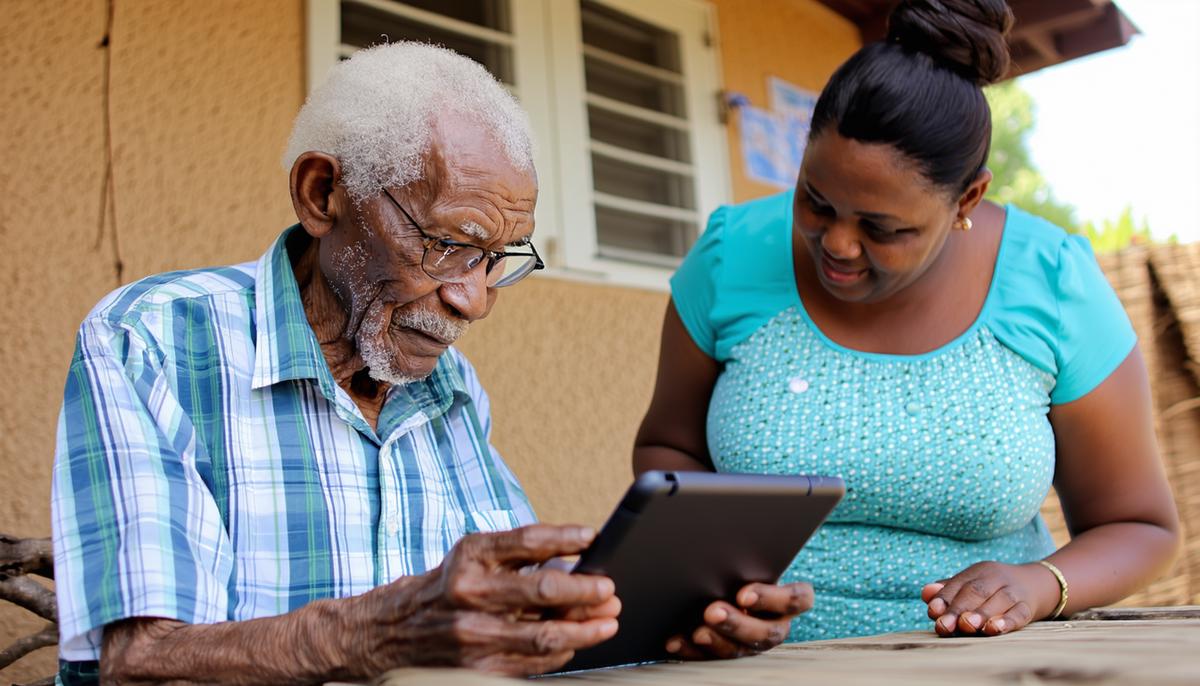
Addressing health disparities in rural areas is crucial for fostering a more equitable society. The challenges are significant, but with concerted efforts and strategic investments, meaningful change is possible. By improving access to healthcare, enhancing educational opportunities, and supporting economic development, we can create a foundation for healthier rural communities.
- Centers for Disease Control and Prevention. Morbidity and Mortality Weekly Report (MMWR) Rural Health Series. 2017-2018.
- National Center for Health Workforce Analysis. Distribution of U.S. Health Care Providers Residing in Rural and Urban Areas. 2014.
- Association of American Medical Colleges. The Complexities of Physician Supply and Demand: Projections From 2018 to 2033. 2020.
- National Rural Health Association. Rural Public Health: Improving the Health and Well-Being of Rural Populations. 2022.
- United Health Foundation. Health Disparities Report 2021.
- Centers for Disease Control and Prevention. Social Vulnerability Index (SVI).
- National Center for Health Statistics. Geographic Variation in Health Insurance Coverage: United States, 2020. 2022.
- Centers for Disease Control and Prevention. Health-Related Behaviors by Urban-Rural County Classification — United States, 2013. MMWR. 2017.
- National Center for Health Statistics. Trends in Death Rates in Urban and Rural Areas: United States, 1999–2019. 2021.