
In today's society, marginalized communities face significant challenges that hinder their access to essential services and opportunities, impacting their overall well-being. Addressing these issues requires understanding systemic factors and fostering change.
1. Access to Healthcare
Access to healthcare remains a persistent challenge for marginalized communities. Systemic barriers like high costs and lack of insurance often block these communities from the care they need. Despite efforts to improve access, millions remain uninsured, disproportionately affecting minorities and low-income individuals.
Additional hurdles include:
- Transportation difficulties
- Scarce healthcare facilities in their neighborhoods
- Language and cultural differences
These issues often result in poorer health outcomes. While some progress has been made, many still struggle with an intricate web of obstacles to obtain even basic medical services. Socioeconomic disparities further limit healthcare access, perpetuating cycles of illness and hardship.

2. Mental Health Stigma
In marginalized communities, mental health is often shrouded in stigma, tightly woven into cultural and societal norms. This stigma acts as a barrier, preventing many from seeking essential support and treatment. Historical biases and misconceptions lead to an environment where mental health issues are seen as weaknesses rather than health concerns requiring attention.
These stigmas are compounded by a lack of culturally competent mental health services. Communities of color might not find practitioners who understand their unique cultural experiences and systemic challenges, leading to mistrust. Similarly, LGBTQ+ individuals often face discrimination, making it harder to find affirming and supportive mental health care.
The lack of open dialogue about mental health deepens the crisis. Fear of judgment forces many to hide their struggles rather than seek help, potentially escalating mental health issues and contributing to secondary challenges like substance abuse or chronic health conditions.
Addressing mental health stigma requires:
- Fostering conversations that normalize mental health care
- Emphasizing empathy
- Promoting culturally sensitive training for mental health providers
- Implementing community-driven initiatives that raise awareness
These steps can pave the way for more inclusive, supportive environments.

3. Environmental Racism
Environmental racism affects marginalized communities, where residents face disproportionate exposure to environmental hazards. These communities often find themselves near industrial areas, landfills, or regions heavily affected by pollutants. Systemic racial and economic injustices have historically positioned them in these precarious environments, creating health challenges.
Pollution exacerbates the plight of these communities. Airborne toxins from nearby factories or heavy traffic routes compromise respiratory health, leading to elevated cases of asthma and other chronic conditions. Water pollution, as seen in cases like Flint, Michigan, highlights the consequences of neglect that leave marginalized groups without safe drinking water.
Poor sanitation infrastructure compounds these issues. Aging sewer systems and inadequate waste disposal services often hinder development in these areas, allowing harmful waste to permeate daily lives. The cumulative effects of these environmental stressors lead to poor health outcomes that remain underreported and persistently unaddressed.
Addressing environmental racism requires both policy-focused and community-driven approaches:
- Advocacy for stricter environmental regulations
- Accountability measures to curb industrial pollution
- Ensuring equitable resource distribution
- Community empowerment to foster local activism and leadership
These efforts are crucial in amplifying the voices of those directly affected by these conditions.

4. Food Insecurity
Food insecurity is a persistent issue in marginalized communities, compounding the cycle of poverty and health disparities. It manifests as inconsistent access to nutritious, affordable food, placing a heavy burden on individuals and families already grappling with socio-economic challenges. These communities are often situated in food deserts—areas where grocery stores with fresh produce and healthy options are scarce, leaving residents reliant on convenience stores and fast-food chains.
The repercussions of food insecurity extend beyond immediate hunger:
- Limited availability of fresh foods forces many into diets high in processed, calorie-dense meals
- Contributes to chronic health conditions like obesity, diabetes, and heart disease
- Impacts mental well-being, productivity, and academic performance
The economic strain of food insecurity is pervasive. Families may face difficult choices between buying food and covering other essential needs like housing, utilities, or medications. The price of healthy foods often acts as a barrier, making it an unattainable luxury rather than a standard in daily life.
Addressing food insecurity requires multi-faceted approaches prioritizing access, education, and empowerment:
- Investment in local agriculture, urban farming, and cooperative grocery stores
- Government policies supporting food assistance programs and subsidies for fresh foods
- Educational initiatives focused on nutrition awareness and healthy cooking practices
These strategies can help narrow the nutritional gap and empower individuals to make informed dietary choices, using available resources efficiently.
5. Infectious Diseases
In marginalized communities, the spread of infectious diseases is a public health challenge exacerbated by interrelated socio-economic and systemic factors. These communities endure higher rates of diseases like tuberculosis, hepatitis, and HIV/AIDS, often due to overcrowding, insufficient healthcare access, and educational disparities.
"Overcrowding in housing paves an easy path for contagious diseases, as people living in close quarters find it difficult to maintain physical distance and hygiene."
Outdated infrastructure can perpetuate unsanitary living conditions, further fueling disease spread.
Limited access to healthcare compounds this issue. Marginalized communities frequently struggle to obtain:
- Timely medical interventions
- Vaccines
- Preventive care
These are critical in controlling the spread of communicable diseases. This lack of access is often a consequence of systemic economic barriers, including prohibitive costs, a shortage of nearby medical facilities, and long wait times.
Educational disparities contribute significantly. A lack of comprehensive public health education results in a gap in understanding how diseases spread and what preventive measures are necessary. When individuals are equipped with knowledge about vaccinations, proper sanitation, and safe practices, they can make informed decisions, reducing their risk of contracting and spreading infections.
Solutions require both policy changes and grassroots community engagement:
- Policy measures should aim at improving healthcare availability through affordable services and outreach programs tailored to high-risk areas.
- Investing in infrastructure that supports healthier living conditions.
- Promoting educational programs that raise awareness about disease prevention.
These are crucial steps toward addressing this issue.
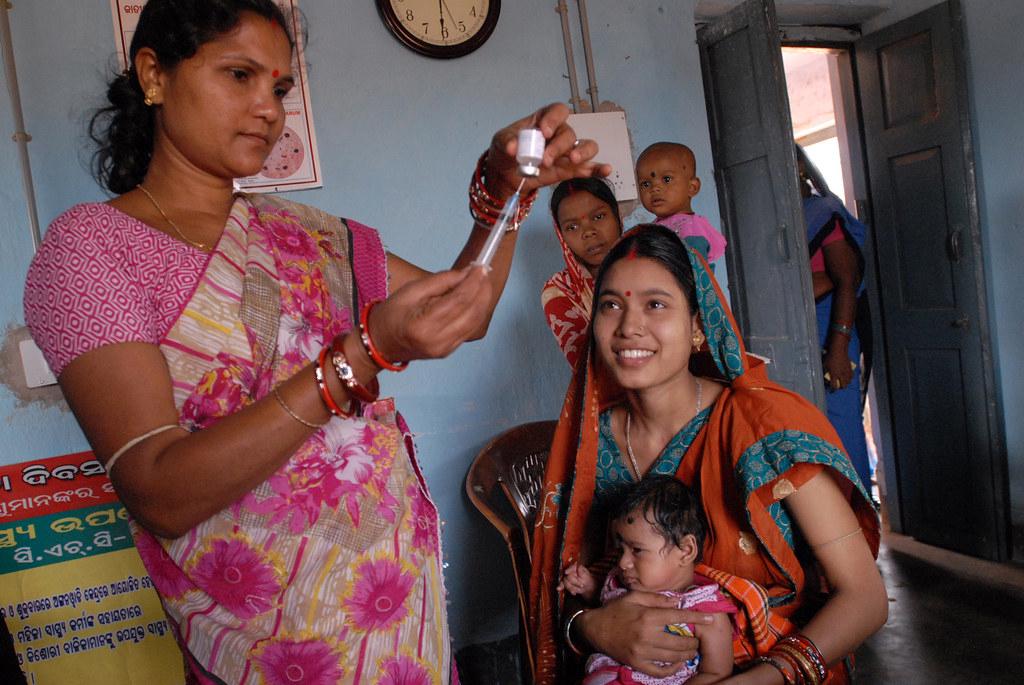
The enduring struggle for equitable access in marginalized communities underscores the need for systemic reform. By addressing these barriers with empathy and determination, we can work towards a more just society where everyone has the opportunity to thrive.
- Artiga S, Orgera K, Pham O. Disparities in Health and Health Care: Five Key Questions and Answers. Kaiser Family Foundation. 2020.
- Williams DR, Mohammed SA. Racism and Health I: Pathways and Scientific Evidence. Am Behav Sci. 2013;57(8).
- Bullard RD. Dumping in Dixie: Race, Class, and Environmental Quality. Westview Press; 2000.
- Coleman-Jensen A, Rabbitt MP, Gregory CA, Singh A. Household Food Security in the United States in 2019. U.S. Department of Agriculture, Economic Research Service. 2020.
- Quinn SC, Kumar S. Health Inequalities and Infectious Disease Epidemics: A Challenge for Global Health Security. Biosecur Bioterror. 2014;12(5):263-273.