
Vulnerable Populations
While Europeans generally enjoy a higher quality of life compared to other regions, climate change exacerbates existing inequalities. Vulnerable groups—children, the elderly, and the economically disadvantaged—face disproportionate challenges. These populations often contend with poorer air and water quality, and now face increased risks from climate-related events like extreme heat waves.
Europe's landscape reveals stark contrasts between affluent northern regions and struggling southern and eastern areas. Southern and eastern regions, home to many with less financial stability, cope with higher pollution levels, particularly particulate matter and ozone. In the north, nitrogen dioxide concentrations are higher, yet poorer neighborhoods still bear the brunt of its effects.
Urban greenery distribution further highlights these disparities. Northern cities generally have more green spaces, but within cities, access to nature often correlates with socioeconomic status. Working-class neighborhoods might have limited green areas, while affluent districts boast expansive parks and gardens.
The European Green Deal aims to address these inequalities. The Just Transition Mechanism seeks to support disadvantaged regions, while the Social Climate Fund, set to begin in 2026, plans to assist vulnerable households in navigating future energy challenges.
Climate change impacts extend beyond Europe, affecting small island nations, parts of Africa, and South Asia. These regions face threats from rising sea levels, extreme heat, and potential large-scale displacements.
Low-income communities, often reliant on manual labor and with lower educational levels, face a concentration of environmental hazards. Poor air quality, noise pollution, and inadequate housing insulation are common challenges. Adapting to these conditions is particularly difficult when adaptive technologies remain financially out of reach for those who need them most.
Climate change exacerbates health risks for vulnerable populations. Heatwaves disproportionately affect those with fewer resources, while droughts and floods can devastate communities and their built environments.
Despite these challenges, some local administrations are taking action. Measures include:
- Modifying traffic patterns
- Installing noise barriers around play areas
- Restricting polluting fuels
However, these efforts, while valuable, represent only initial steps in addressing the complex issues at hand.

Health Impacts on Children
Children are particularly vulnerable to climate change's effects, facing challenges from extreme weather, pollution, and nutritional scarcity. Their developing bodies are especially susceptible to the health risks posed by poor air quality and rising temperatures.
In economically disadvantaged areas, the lack of access to air conditioning during heatwaves can lead to severe health consequences for children. The combination of heat and pollution exacerbates respiratory issues and other health risks, affecting children both in and out of school.
Climate change-induced food insecurity poses a significant threat to children's nutrition. In drought-prone regions, access to adequate and nutritious food becomes increasingly uncertain, potentially leading to malnutrition and its long-term health consequences.
The mental health of children is also at risk. The uncertainty surrounding their future in a changing climate can lead to anxiety and stress, potentially impacting their overall well-being and development.
Despite these challenges, there are signs of positive change. Communities and individuals are working to build resilience and adapt to changing conditions. There are growing calls for inclusive policy reforms that consider the unique vulnerabilities of children.
Protecting Children's Health: A Comprehensive Approach
- Ensuring access to clean air
- Providing reliable food supplies
- Creating safe spaces that support both physical and mental health
- Making adaptive strategies accessible to all communities, regardless of socioeconomic status
To safeguard children's future health and well-being, significant advancements in public policy are necessary. These policies should be rooted in empathy and shared responsibility, ensuring that future generations inherit not just the challenges of climate change, but also the tools and resources to address them effectively.

Geopolitical and Socioeconomic Factors
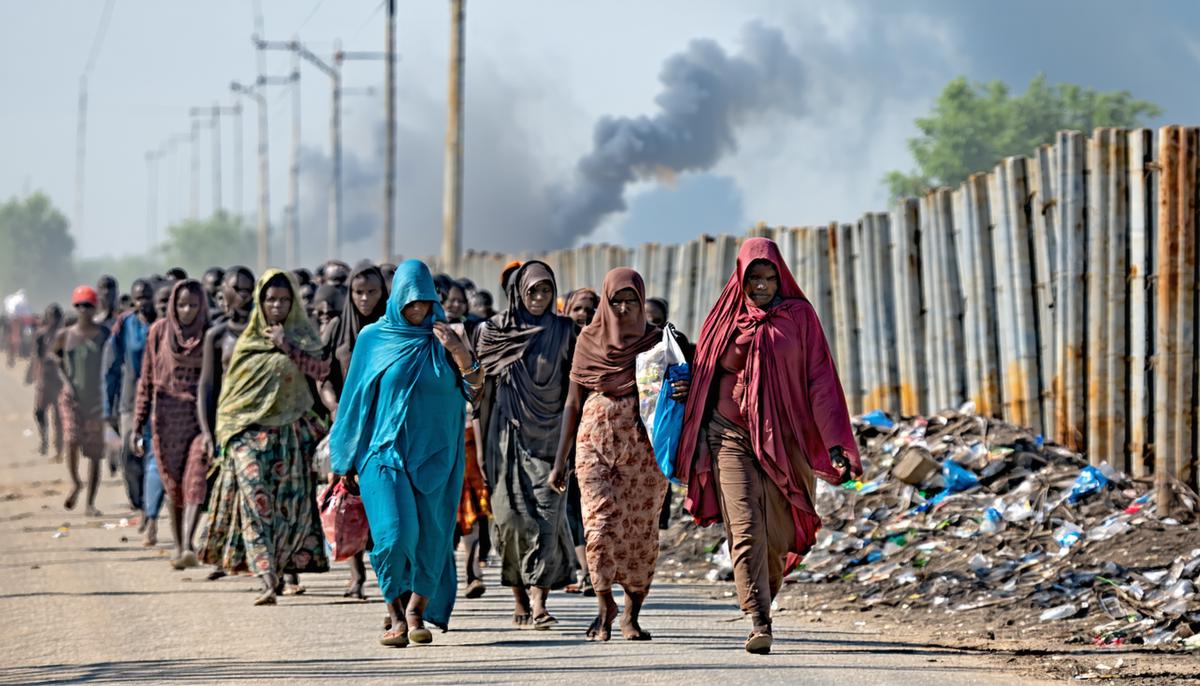
Climate change interacts with and amplifies existing geopolitical and socioeconomic challenges. One significant issue is the increasing number of climate refugees. As extreme weather events and environmental changes render some areas uninhabitable, communities are forced to relocate. This movement of people puts pressure on political borders and social structures, potentially leading to increased tensions between nations and communities.
The unequal distribution of adaptive technologies highlights and exacerbates socioeconomic inequalities. Wealthier regions have greater access to resources such as advanced flood defenses, renewable energy systems, and sustainable agricultural technologies. In contrast, economically disadvantaged areas often lack the means to implement these adaptive measures, leaving them more vulnerable to climate change impacts.
These disparities can intensify socioeconomic tensions and potentially lead to conflicts. Marginalized communities, facing the brunt of climate change effects with limited resources to adapt, are increasingly vocal about the need for equitable solutions and climate justice.
The intersection of climate change with geopolitical and socioeconomic factors presents both challenges and opportunities. There is potential for new approaches to international cooperation and resource distribution. Policies that prioritize humanitarian needs and equitable access to resources could help mitigate tensions and foster resilience.
"The European Green Deal strives to transform the EU into a modern, resource-efficient and competitive economy, with 'no person and no place left behind'."
Addressing these complex issues requires a shift in perspective from short-term survival to long-term, sustainable adaptation. This approach necessitates collaboration across borders and economic divides. Policymakers and communities must work together to develop innovative, accessible solutions that address both the immediate impacts of climate change and its broader socioeconomic implications.
The path forward involves recognizing our shared vulnerability to climate change and our collective responsibility in addressing it. By fostering international cooperation and focusing on equitable adaptation strategies, we can work towards a future where climate-induced displacement is minimized and geopolitical cooperation is strengthened in the face of shared environmental challenges.
Environmental Inequalities in Europe
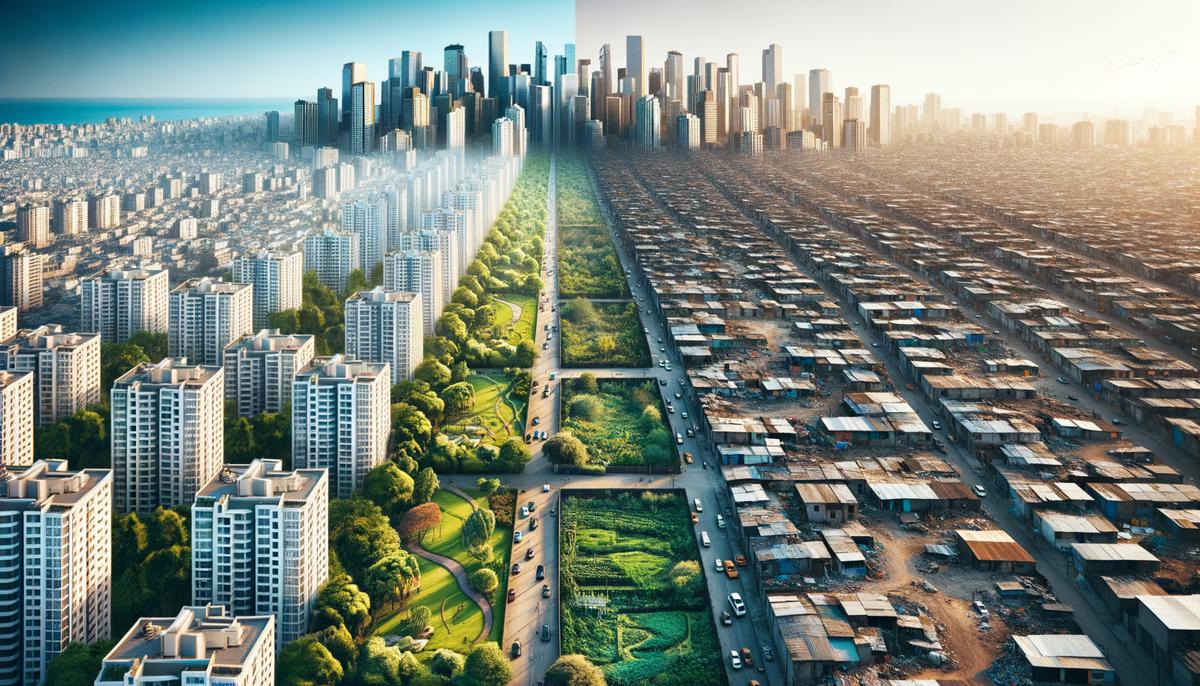
Europe exhibits a pattern of environmental inequalities intertwined with regional differences in social vulnerability. Socio-economic status, age, and health play crucial roles in how communities experience climate impacts.
Regions with lower average socio-economic status, such as parts of southern and southeastern Europe, bear a disproportionate environmental burden. These areas contend with higher levels of pollutants, particularly particulate matter and ozone. For the elderly and children in these regions, this manifests as increased respiratory challenges.
Urban planning significantly influences these disparities. Affluent neighborhoods often feature more green spaces and thoughtful infrastructure, while less affluent areas lack such amenities. As temperatures rise and air quality declines, these inequalities become more pronounced.
Cities as Agents of Change
Cities have the potential to address these issues through inclusive urban planning. Well-designed public transportation systems can reduce traffic and associated pollution. Low-emission zones and affordable housing improvements, such as better insulation or green roofs, could alleviate pollution pressures and promote healthier living environments.
Addressing these challenges requires a holistic approach. Policymakers must prioritize societal well-being alongside economic considerations. Investments should focus on fostering cultures of sustainability and equity, ensuring a strategic balance that benefits all residents, regardless of their socio-economic status.
Policy and Adaptation Strategies
Effective policy interventions are crucial for mitigating climate change impacts and addressing environmental injustices. These policies must be developed through inclusive stakeholder engagement to ensure their effectiveness and fairness.
Key Policy Priorities:
- Emissions reduction
- Infrastructure development
- Equitable access to green technologies
- Adaptation strategies
- Monitoring and evaluation
- Inclusive participation
Emissions reduction is a key priority. Governments should implement initiatives that incentivize green energy adoption and impose stricter regulations on industrial and transportation emissions. Carbon net-zero targets should be backed by binding commitments and scientific precision.
Infrastructure development is essential for integrating green energy into daily life. Policy frameworks should prioritize renewable projects and provide accessible funding, ensuring that sustainable transformations benefit all communities, including those historically marginalized or underserved.
Equitable access to this green revolution is paramount. This involves creating education and training programs to foster local expertise and encouraging community-driven energy projects. The goal is to empower residents rather than impose top-down solutions.
Adaptation strategies are equally important. Policies should guide the development of resilient public transportation networks, improved flood management systems, and natural barriers like mangroves or artificial reefs to mitigate rising sea levels.
Monitoring, reporting, and evaluation should be integral to policy implementation, allowing for continuous improvement and refinement of approaches. This ensures that adaptation measures actively benefit the communities they are designed to protect.
Inclusive participation is crucial in policy development. Empowering diverse voices, including women, minorities, youth, and Indigenous groups, ensures a more democratic and effective approach to legislative action.
The ultimate aim of these policies and strategies should be to create accessible, resilient cities that can withstand climate challenges. By merging sustainability with accessibility and equity with empowerment, we can navigate the challenges of climate change collectively and proactively.
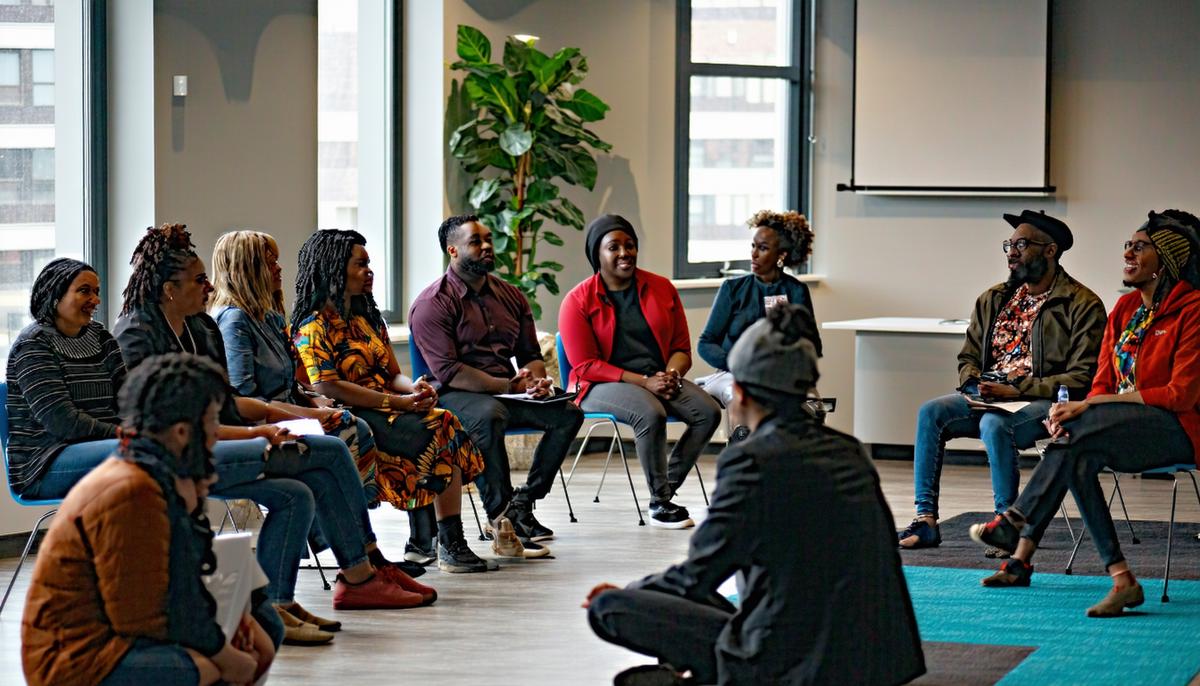
As we reflect on these challenges, it's clear that addressing climate change requires a commitment to equitable solutions. Creating a sustainable future demands empathy, action, and shared responsibility, transforming adversity into opportunity for all.