
Current State of Reproductive Rights
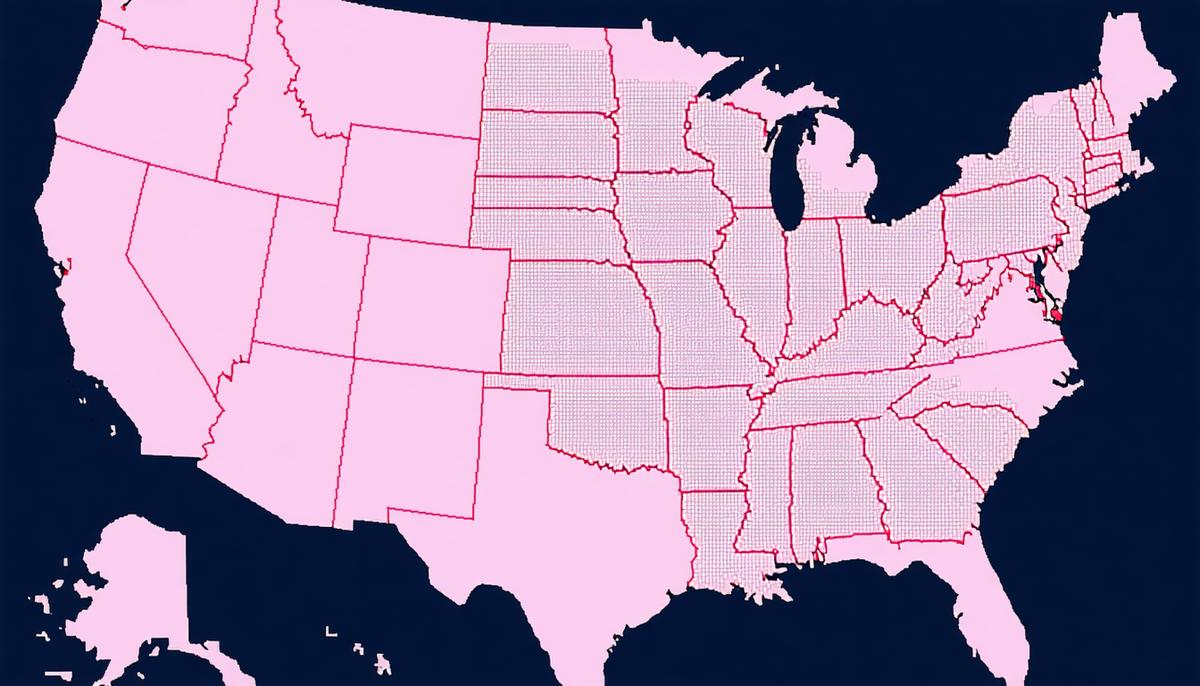
The United States has seen reproductive rights significantly impacted by recent legal changes. The Supreme Court's decision to overturn Roe v. Wade has dramatically altered the landscape, with 14 states completely banning abortion and many others imposing substantial restrictions. This has led to widespread public frustration and calls for Congress to codify abortion rights into federal law.
Public opinion polls indicate that a significant portion of Americans, across party lines, express concern and support for protecting abortion rights. However, political gridlock has hindered legislative action. Meanwhile, those seeking abortions often face the challenge of traveling to other states for access.
The erosion of reproductive rights has tangible consequences:
- Last year alone, over 100,000 individuals had to travel to neighboring states for abortion care.
- This situation highlights the disconnect between policies purportedly aimed at protecting life and their real-world impact on individuals and families.
Reproductive Justice, a concept encompassing the right to have children, not have children, and raise children in safe environments, emphasizes the importance of equitable access to reproductive health care as a crucial component of public health. Grassroots movements continue to organize and advocate for comprehensive reproductive rights, ensuring the issue remains at the forefront of public discourse and central to societal health concerns.
Reproductive Justice Framework
The Reproductive Justice framework, conceived by Black women in the 1990s, challenges the narrow focus of traditional pro-choice movements. It interweaves human rights and social justice, emphasizing agency over one's body and the right to parent in safe environments. This approach highlights how systemic inequalities and oppressive policies impact reproductive choices and freedoms.
This framework addresses socio-economic conditions such as:
- Housing insecurity
- Racial discrimination
- Inadequate healthcare systems
It calls for:
- Comprehensive sex education
- Contraceptive equity
- Efforts to address maternal mortality rates among women of color
The Reproductive Justice framework remains relevant today, providing a platform for diverse voices often marginalized in traditional rhetoric. It advocates for a holistic, rights-based approach that demands dignity and justice for all, transcending narrow debates to encompass a broader vision of reproductive freedom and equity.

Public Health Implications
Reproductive health care is intricately linked to public health, with barriers based on race, economics, and gender significantly impacting health outcomes. Disparities in maternal mortality rates, particularly for Black and Indigenous women, underscore the urgent need for equitable health care systems.
Access to reproductive health services remains a challenge for many, especially in rural areas and marginalized urban settings. These limitations can lead to poor health outcomes, highlighting the necessity of the Reproductive Justice framework in addressing systemic inequities.
Comprehensive reproductive health care, including abortion access, is crucial for improving overall public health indicators. It contributes to:
- Lower maternal morbidity and mortality rates
- Reduced unintended pregnancies
The absence of this holistic approach can lead to preventable health crises.
A health system informed by reproductive justice principles would deliver care that enriches lives and ensures equitable health outcomes for all communities. Achieving this goal requires urgent action, focused advocacy, and a commitment to addressing real-world disparities that affect families and communities.

Policy and Legislative Actions
Advancing reproductive justice requires strategic policy and legislative action. At the federal level, comprehensive legislation is needed to secure abortion rights as an integral part of health care, protected against political shifts and state-level restrictions.
Key policy priorities include:
- Revitalizing health infrastructure
- Expanding Medicaid coverage for reproductive health services
- Dismantling barriers like the Hyde Amendment
State-level actions are equally crucial, with opportunities to implement protective laws that safeguard reproductive rights.
Advocacy groups play a vital role in this process, lobbying, rallying, and educating to drive legislative momentum. Organizations like the ACLU, NARAL, and In Our Own Voice demonstrate the power of grassroots efforts combined with policy advocacy.
Expanding access to reproductive health services requires:
- Increasing the number and reach of clinics
- Supporting healthcare professionals
- Leveraging digital health platforms to bridge geographical and socio-economic divides
The path forward demands a steadfast commitment to structured change, aligning every policy and action towards the goal of health care equality and dignity. This approach is essential for protecting and expanding reproductive rights as an integral component of public health policy.

Community-Based Approaches
Community-based organizations (CBOs) are vital in implementing reproductive justice principles. These grassroots entities provide culturally competent, empathetic care tailored to local needs. Their embedded position within communities allows them to navigate cultural nuances and address historic distrust of medical systems effectively.
CBOs tackle concrete hurdles faced by BIPOC and marginalized communities, offering services that account for:
- Language differences
- Socioeconomic disparities
- Other local barriers
Innovative strategies include:
- Community health clinics
- Mobile health units
- Telemedicine services
These organizations take a holistic approach, fostering trust and empowerment alongside providing services. They collaborate with public health departments, schools, and local governments, creating strong networks that bolster their advocacy efforts and influence broader policy decisions.
Community-based approaches demonstrate how reproductive health care can be inclusive, comprehensive, and committed to dismantling barriers. By elevating community voices, these organizations drive change that resonates locally and influences broader policy, advancing health equity for all.

Reproductive justice is a vital call for equity and dignity in healthcare. The ongoing fight for these rights demands attention and action from all sectors of society, with powerful and persistent voices advocating for necessary change.
- In Our Own Voice: National Black Women's Reproductive Justice Agenda. Reproductive Justice.
- Institute for Women's Policy Research. Three in Four Adults (73%) Consider Reproductive Rights a Crucial Policy Area for Their Families, According to New Institute for Women's Policy Research Poll on Reproductive Health and Rights. July 29, 2024.
- University of California, San Francisco. Reproductive Health Equity and Birth Justice Core.
- Taylor JK. Four Priorities for Reproductive and Maternal Health in a New Presidential Administration. The Century Foundation. 2024.
- American Civil Liberties Union. The Facts: Kamala Harris Has Promised to Restore Reproductive Freedom if Elected President.
- World Health Organization. Marking 20 years of WHO's sexual and reproductive health strategy. 2024.