The Power of Community Support
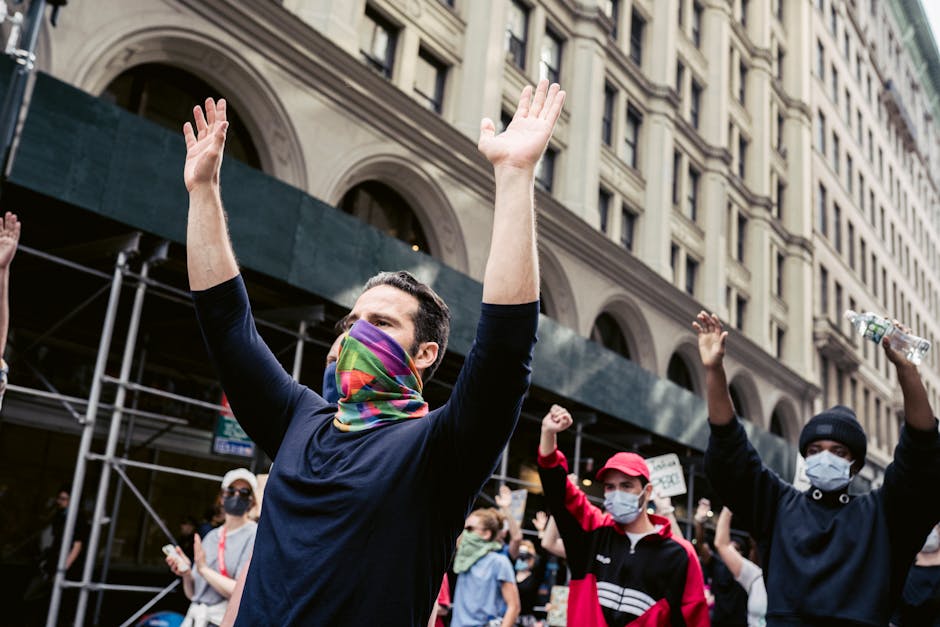
Community support is essential for justice movements, amplifying individual efforts into collective action. When communities rally behind a cause, their impact becomes significant and difficult to ignore. Protests, for instance, serve as powerful declarations of collective intent, highlighting pressing societal issues.
Educational initiatives play a crucial role in community mobilization. Forums and workshops provide platforms to discuss systemic injustices, fostering understanding and unity. These gatherings, from town halls to social justice book clubs, strengthen community bonds and shared goals.
Social media has become an invaluable tool for modern movements. Online platforms enable rapid organization and global awareness-raising, allowing previously marginalized voices to be heard. Hashtags become rallying cries, while likes and shares demonstrate digital solidarity.
Community support also provides a safety net for justice advocates who often face backlash and isolation. This backing offers strength, courage, and a sense of belonging that sustains their efforts.
Through various forms of action, from organized marches to digital engagement, communities shape the discourse around justice. This collective effort proves that while individuals can initiate change, it is through united action that lasting transformation occurs.
Moral Courage in Collective Movements
Moral courage within collective movements is the driving force that propels communities to challenge societal norms and systemic injustices. It manifests as a unified voice demanding transformation, often at significant personal cost.
The Civil Rights Movement exemplifies collective moral bravery. Leaders like Martin Luther King Jr. and Rosa Parks, along with countless others, defied entrenched segregation and discrimination. Their actions galvanized a nation to confront its conscience.
Not all participants in these movements were on the front lines. Many played crucial supporting roles, organizing, spreading information, or standing in solidarity. The Freedom Riders, facing violent opposition, drew strength from their collective resolve.
Modern movements like Black Lives Matter continue this legacy, confronting racial inequity with unwavering commitment. Their courage is fueled by communities that share their vision and support their efforts through various forms of activism.
Collective moral courage encourages society to engage in difficult dialogues and confront uncomfortable truths. It thrives in adversity, creating environments where individuals support one another against resistance.
Each act of collective courage, whether through demonstration or quiet solidarity, shapes our social fabric. Individuals often find their personal courage amplified within the collective, leading to transformative power that can rewrite narratives and dismantle inequities.
This shared moral courage becomes a beacon of hope, illuminating the path toward a more equitable future. It demands accountability while offering unwavering support, proving that when individuals unite, they can effect profound change.
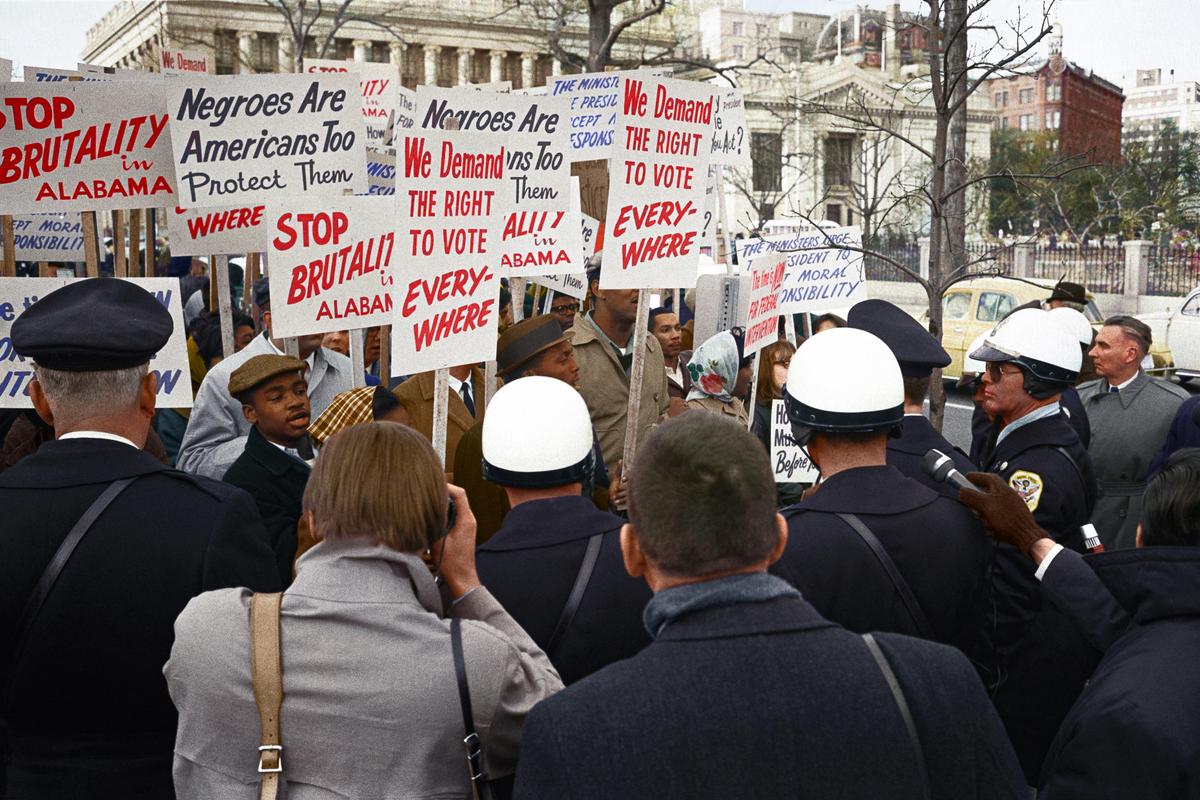
Photo by unseenhistories on Unsplash
Challenges of Confronting the Status Quo
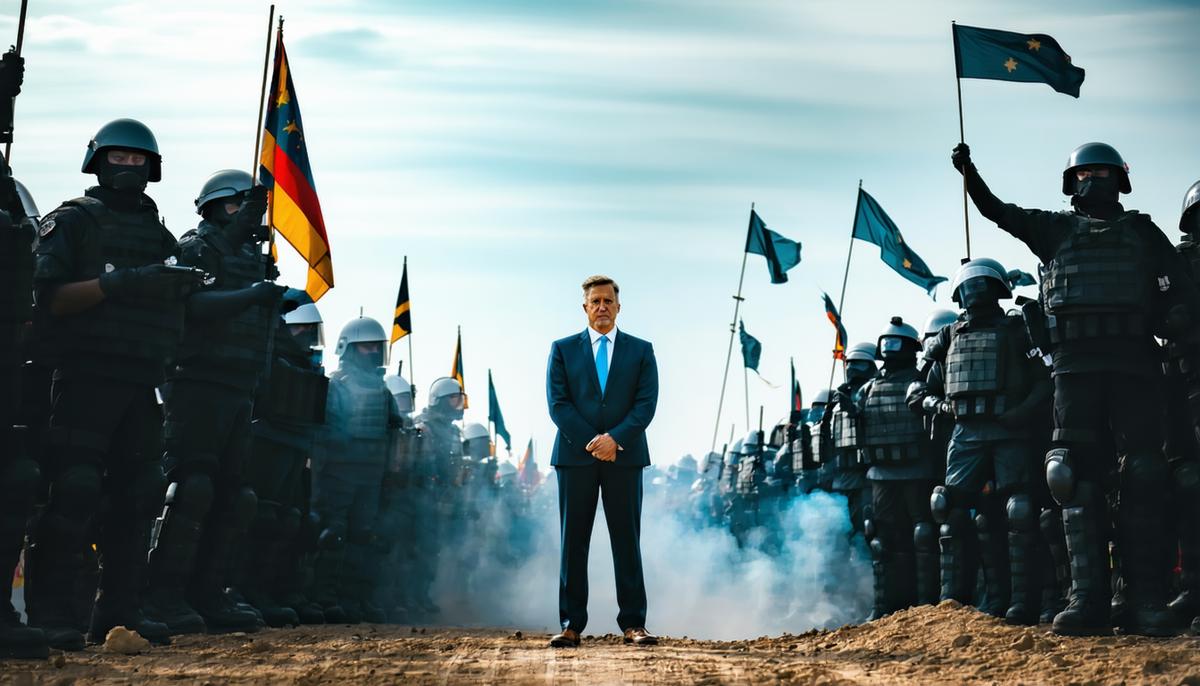
Challenging the status quo is a formidable task for justice advocates, involving confrontation with deeply entrenched systems and societal norms. This journey faces resistance from individuals and institutions invested in preserving current paradigms. Opposition can range from legal threats to social ostracism, aiming to deter those seeking change.
Institutions benefiting from existing power dynamics often respond vigorously to perceived threats. They may employ public relations campaigns to discredit change agents or leverage legal and economic influence to maintain control. Advocates face significant personal and professional risks, including isolation from peers, threats, or harm.
Recognizing and preparing for these challenges is crucial for building resilience. Historical movements demonstrate that while opposition is intense, the rewards of successfully challenging systemic injustice are substantial. Each step toward change strengthens resolve and solidarity.
Building alliances with like-minded individuals and organizations is essential. These networks provide critical support, offering protection against backlash and empowering strategic actions. By collaborating and sharing resources, advocates cultivate a resilience capable of standing against entrenched norms. In unity, their collective voice becomes impossible to ignore.
While the challenges are significant, the courage and resilience required to overcome them are attainable. For every committed advocate, the journey is marked by opposition but also by crucial victories that redefine societal norms. These continued efforts illuminate the path to a just society, underscoring the transformative power of resilience in the face of adversity.
The Consequences of Silence
Silence in the face of injustice carries profound ethical implications. It often bears a complicity that supports the very structures it seeks to avoid confronting. Historical examples underscore the moral responsibility each generation carries to prevent oppressive societal norms from taking root.
The Holocaust serves as a stark reminder of how silence can embolden perpetrators. Many individuals and nations turned a blind eye, allowing atrocities to unfold unchecked. This grim reality demonstrates how the absence of dissent can facilitate oppression.
Conversely, breaking silence has catalyzed crucial social change. The Civil Rights Movement in the United States saw ordinary citizens speak out against racial injustices. Leaders like Martin Luther King Jr. and grassroots activists amplified calls for equality, shattering the silence that once shielded systemic racism. Their courage inspired global movements for civil rights.
In contemporary society, the MeToo movement exemplifies the impact of breaking silence. By courageously sharing their experiences, survivors of sexual harassment and assault have sparked widespread accountability, leading to shifts in policies and societal attitudes.
The moral responsibility to break silence transcends individual duty; it is a societal necessity to uphold justice and fairness. Those who witness injustice have a choice:
- Remain silent and perpetuate the cycle
- Speak out and disrupt it
By choosing to speak out, individuals contribute to dismantling oppressive structures and embolden others to choose courage over comfort. While the challenges are significant, history assures us that the rewards—greater equity, justice, and societal growth—are substantial.
In answering this call, we become architects of a legacy of fairness and integrity for future generations. Let us recognize that silence is complicit, but courage can forge the path toward a more just world.

Cultivating Moral Courage for Justice
Cultivating moral courage to support justice initiatives is a journey of personal growth and societal contribution. It begins with self-reflection, identifying principles and values that resonate deeply. This process allows individuals to align their actions with core beliefs, creating a personal roadmap for engagement in justice advocacy.
Education is crucial in developing moral courage. It involves examining social issues through various resources, broadening perspectives on systemic injustices and marginalized experiences. This understanding reinforces personal conviction and equips advocates to articulate and advocate for change effectively.
Grassroots involvement provides a platform for putting principles into action. Participating in local justice initiatives, community discussions, and rallies offers opportunities to stand with others sharing similar goals. These experiences foster resilience and embolden advocates by connecting them to a larger movement.
Cultivating moral courage often begins with small acts that contribute to significant change over time:
- Challenging discriminatory comments
- Supporting equitable practices in the workplace
- Amplifying marginalized voices on social media
These actions build a foundation of confidence and integrity. Each step reinforces commitment to justice and inspires others to reflect on their capacity to effect change.
The journey of developing moral courage is continuous, fueled by ongoing learning and action. It requires vigilance in seeking opportunities to challenge injustices, both large and small. This dedication empowers individuals and creates a ripple effect that strengthens the collective pursuit of justice.
By recognizing moral courage as both a personal and communal endeavor, individuals can embrace the challenges and triumphs of advocating for justice. Through this commitment, they help shape a society that values fairness and equity, contributing to a legacy that champions moral courage as a catalyst for transformative social progress.

In the pursuit of justice, community support and moral courage form a powerful force that challenges the status quo and confronts silence. This collective journey towards fairness reminds us that true progress is made when we unite in purpose and action, contributing to a more just and equitable society.