
Protests have long been a catalyst for societal change, serving as a voice for those seeking justice and reform. From historical movements to modern-day activism, these gatherings have shaped the political and social landscapes in profound ways. Their impact is both significant and intricate, influencing policies and perceptions alike.
Historical Impact of Progressive Protests
From the early 20th-century reforms to today's social shifts, protests have been the heartbeat of progress. The fervor of grassroots activism has propelled monumental transformations that echo through time.
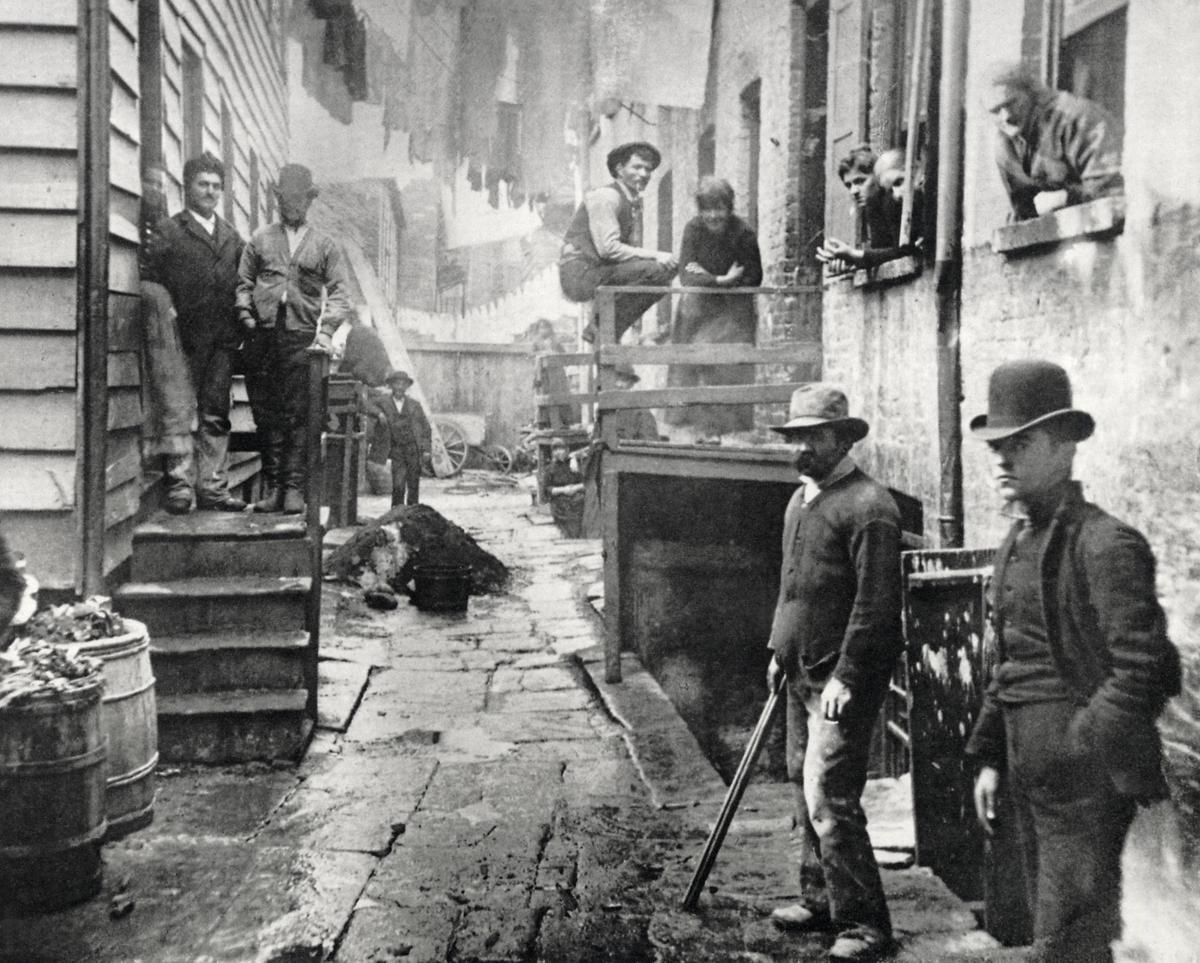
During the Progressive era, calls for reform filled the air. People demanded transparency in governance and challenged monopolies. Muckrakers like Ida Tarbell and Upton Sinclair exposed corporate misdeeds, leaving an indelible mark on history.
The 1960s saw activism spread like wildfire. Antiwar sentiments intertwined with demands for civil rights. The marches in Selma and speeches at the Lincoln Memorial weren't whispers but shouts against systemic racism. Martin Luther King Jr.'s dream was built in the streets, where thousands stood united.
Yet, it wasn't just famous names that carved change. Unsung heroes like Gloria, a Midwest single mother organizing for equal pay, or Ron, a mechanic whose garage became a hub against housing discrimination, played crucial roles.
Protests reshaped political landscapes and influenced social policies. Labor movements redefined worker rights, leading to policies like the Fair Labor Standards Act. Environmental demonstrations sparked legislative accomplishments like the Clean Air Act.
Activism requires more than noise; it demands tenacity and sometimes sacrifice. These experiences offer society an awakening to complacent norms. While the road is often rocky, with setbacks and resistance, history shows that united, undeterred people can indeed move mountains.
Mechanisms of Protest Influence
Protests are dynamic catalysts of change, transforming public discourse, swaying political agendas, and galvanizing action. They create necessary polarization, highlighting sidelined issues and forcing society to take a stance.
Media coverage plays a crucial role, serving as both mirror and megaphone for protest movements. Images of gatherings and unified voices grab attention, ensuring broader dialogue and pushing issues to the forefront of societal discourse.
Public engagement takes on an art form during protests. People gathering, discussing, and debating breaks individual thought silos, creating a collective consciousness striving for common goals. This atmosphere is ripe for transformation, connecting disparate groups into a unified force for change.
Protests also operate as learning hubs, providing firsthand experience in:
- Advocacy
- Negotiation
- Policy understanding
They foster growth for both seasoned activists and newcomers, creating leaders who incorporate a holistic approach to societal betterment.
The effectiveness of protests is shaped by their adaptability to the current political climate. They harness polarization, master media engagement, and cultivate public participation, ensuring that activism maintains its rhythm in pursuit of a more equitable tomorrow.
Challenges and Backlash Against Progressive Protests
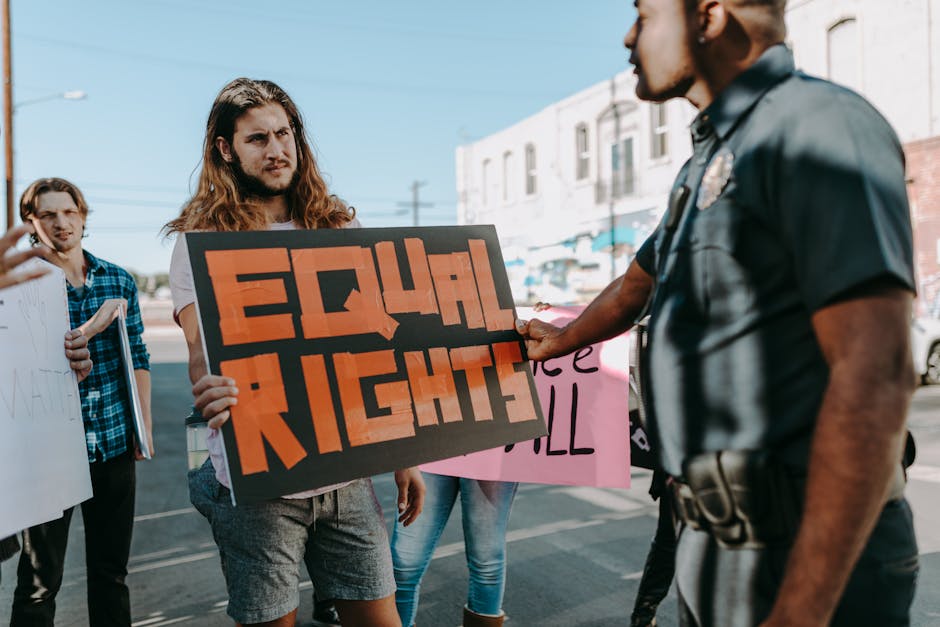
Progressive protests face a spectrum of challenges, from overt political backlash to the subtleties of public perception. These hurdles can be as formidable as the issues that first incited the call to action.
Political backlash often manifests through:
- Legislative roadblocks
- Media campaigns aimed at diminishing the movement's credibility
Activists must be prepared to pivot their strategies, maintaining momentum despite entrenched power structures working against them.
Public perception is another critical battleground. Opposition may paint protesters as unruly or disruptive, and while protest movements inherently challenge the status quo, they must convince the broader public of their cause's legitimacy. This involves crafting messages that resonate with a wide audience.
The influence of radical flanks within movements adds complexity. These more extreme elements can either make moderate demands seem reasonable or cause division by alienating potential allies. Protest organizers must balance the passion of the few with the broader strategy that appeals to the many.
In an era of rapid information exchange, strategic communication becomes crucial. Activists must use social media as a powerful tool for story-building and counteracting misinformation. Through sustained engagement and relentless storytelling, they can redefine public perceptions.
"While opponents may view turmoil as evidence of failure, it's an opportunity to educate and embolden those who have long been silent."
By facing resistance with unwavering commitment and an eye towards both immediate remedies and long-term transformation, progressive protests can overcome challenges and persist in shaping a just world.
Modern Examples of Protest Success and Failure
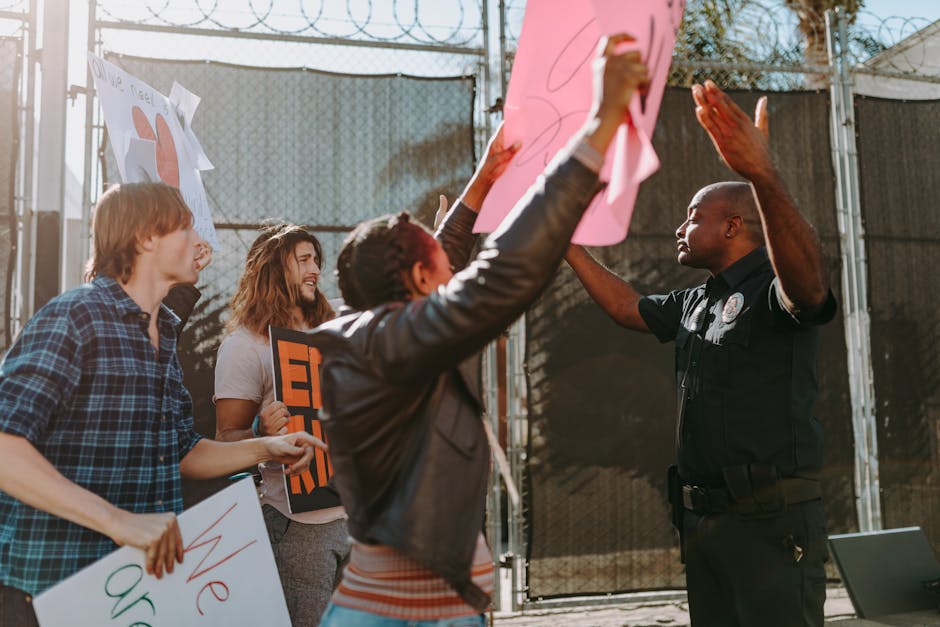
Recent protest movements offer valuable lessons in the ongoing struggle for justice and equality. The climate activism exemplified by Fridays for Future succeeded in bringing climate change into mainstream discourse and compelling governments to pledge more aggressive environmental policies. However, it faces persistent legislative inertia and the influence of fossil fuel interests.
The #MeToo movement shattered the silence on sexual harassment, leading to notable figures being held accountable and workplace policy changes. Yet, it continues to struggle against legal barriers and slow institutional reform, highlighting the resilience of patriarchal structures.
The defund the police rallies yielded victories in local budgets and inspired dialogues on community safety. However, backlash from police unions and public confusion regarding the messaging hindered broader acceptance. This underscores the need for clear communication strategies.
The Black Lives Matter movement has been pivotal in bringing racial justice to the forefront of national consciousness, impacting policy initiatives and election outcomes. However, it grapples with maintaining momentum under public scrutiny and political co-option.
These movements demonstrate that success is linked to:
- Strategic planning
- Sustained efforts
- Adaptability
A cohesive message, clear communication, resilience against backlash, and the ability to transform public support into legislative momentum are crucial for advancing their causes.
Each protest, even amidst setbacks, serves as a crucial node in the network of progress. They remind us that victories may not be immediately visible but lay the groundwork for future triumphs. As activists recalibrate their strategies, they sustain the pulse of protest that urges society towards justice and equality.

Future of Protests in Progressive Movements
The landscape of protest in progressive movements is poised for transformation, driven by shifting political climates and rapid technological advancements. Future movements must adapt to meet modern challenges while building on the lessons of history.
Today's virtual space offers an unparalleled arena for collective action. Social media serves as a digital megaphone, amplifying voices and allowing causes to transcend geographical boundaries. However, this digital sphere also presents challenges in the form of misinformation and echo chambers. Organizers must harness technology carefully, ensuring their messages remain clear and factual.
The current political climate demands innovation in protest strategies. While traditional marches retain their place, new forms of protest are emerging that blend creativity with impact. Direct action tactics and thought-provoking art installations can break through stagnation, capturing attention in unexpected ways.
Future protests must embody:
- Inclusivity
- Unity
- Diversity of experiences within marginalized communities
Building coalitions across varied causes can amplify reach and foster broader support, paving the way for more comprehensive solutions.
Ultimately, the future of protests lies in their ability to be both adaptive and proactive. By leveraging technology, embracing creativity, and fostering inclusivity, future protests can continue to serve as catalysts for progressive change, guiding society towards a more equitable tomorrow.
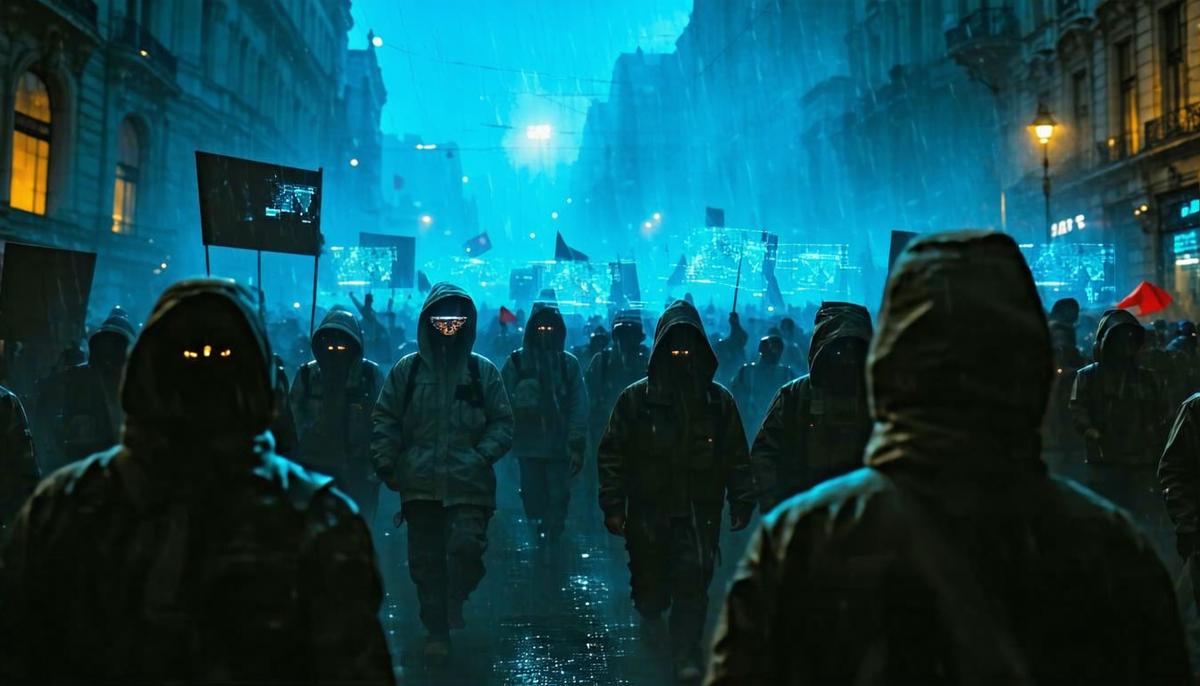
The enduring power of protest lies in its ability to unite individuals under a common cause, driving forward the pursuit of justice and equality. Despite challenges, the collective strength of these movements continues to inspire change, reminding us that progress is built on shared determination and resilience.
- Gillion D. The Political Power of Protest: Minority Activism and Shifts in Public Policy. Cambridge University Press; 2013.
- Milkis SM. The Progressive Era. In: Zelizer JE, ed. The American Congress: The Building of Democracy. Houghton Mifflin; 2004.
- King ML Jr. Letter from Birmingham Jail. Harper & Row; 1963.
- Smith N. Substack Newsletter. 2023.
- Weigel D. No matter who wins, the US is moving to the right. Semafor. 2023.
- Moyer B. The Movement Action Plan: A Strategic Framework Describing the Eight Stages of Successful Social Movements. Social Movement Empowerment Project; 1987.