Throughout history, the collective power of solidarity has been a driving force behind significant social change. By coming together, diverse groups have tackled pressing issues, from labor rights to environmental justice. This unity, often forged through shared struggles and goals, has proven to be a formidable catalyst for progress.
Historical Context of Solidarity
Progressive movements have harnessed the power of solidarity to bring about monumental change. The labor movements of the 19th and early 20th centuries united workers demanding fair wages and better working conditions. Suffragettes joined forces with labor unions, recognizing the parallel struggles for women's right to vote and workers' rights.
The civil rights movement exemplifies the significance of solidarity. In the 1960s, diverse groups—African Americans, white allies, Jews, and others—united under a common cause. This coalition was instrumental in dismantling segregation and other forms of institutional racism.
During the Vietnam War era, college students, veterans, activists, and some political leaders rallied together against the war. This solidarity helped swell the anti-war movement, showing that when people stand together, they can shift public opinion and policy.
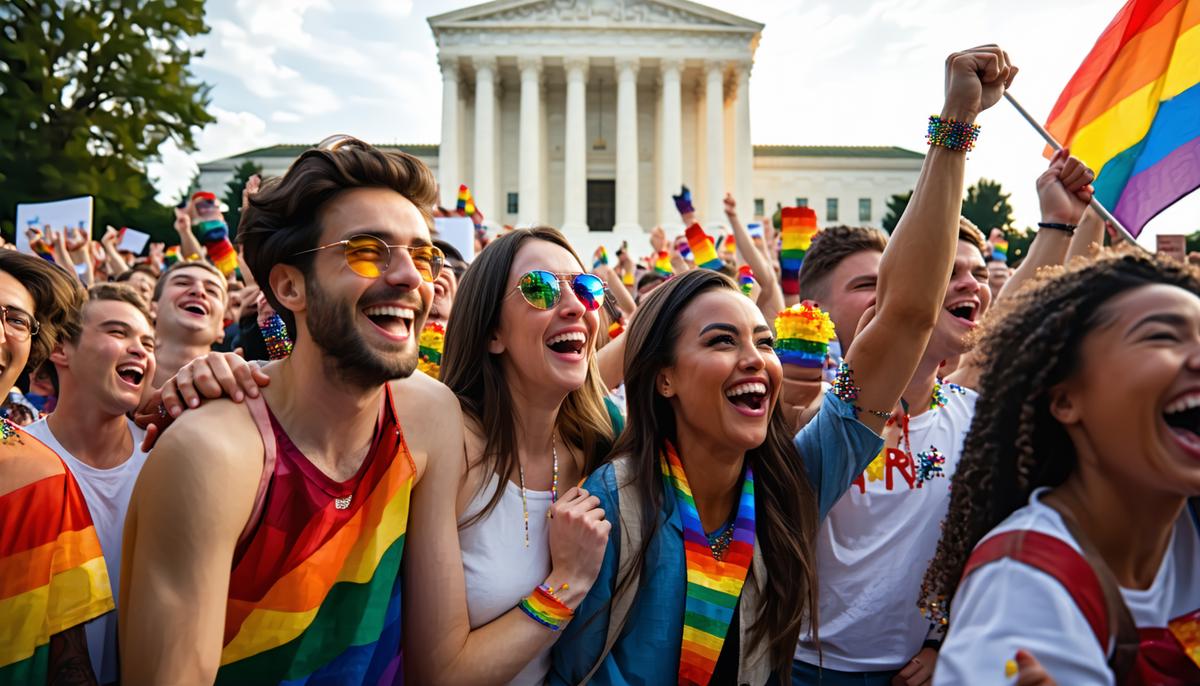
In more recent times, LGBTQ+ rights movements made strides through alliances with allies from various walks of life. The support of parents, celebrities, and political figures proved crucial in the fight for marriage equality, culminating in the Supreme Court's affirmation of marriage equality in 2015.
Environmental movements have also drawn strength from solidarity. Youth activists have joined forces with indigenous leaders, scientists, and concerned citizens to address climate change. The unity displayed at major events like climate strikes demonstrates the power of disparate groups coming together for a common cause.
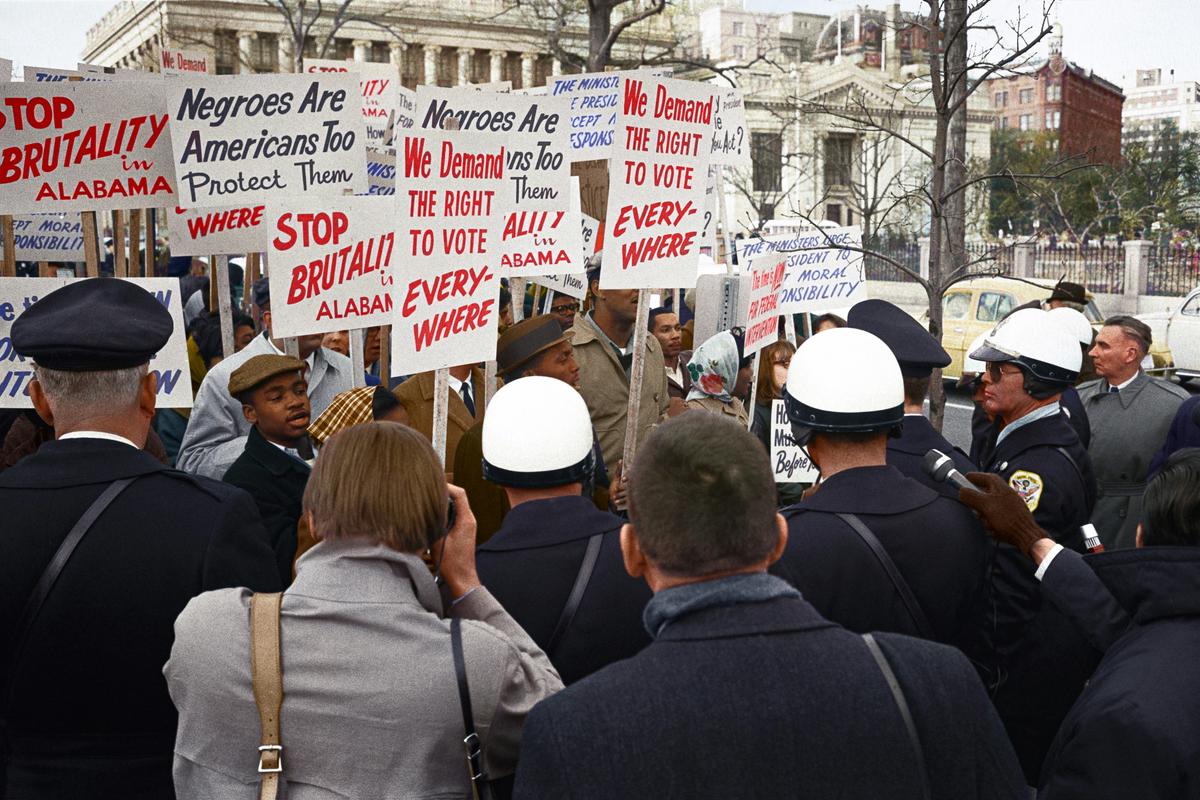
Photo by unseenhistories on Unsplash
Intersectionality and Solidarity
Intersectionality, a concept coined by Kimberlé Crenshaw in 1989, explores how various social identities interrelate and create overlapping systems of disadvantage. This framework is integral to progressive movements because it reveals the multi-layered experiences of individuals at the intersections of these identities.
By acknowledging intersectionality, movements become more inclusive and representative. For instance, the women's rights movement has evolved from focusing solely on issues pertinent to white, middle-class women to addressing concerns of women of color, LGBTQ+ women, and other marginalized groups.
The contemporary fight for environmental justice illustrates this approach. Indigenous communities, often disproportionately affected by environmental degradation, bring vital perspectives to the climate movement. Their insights highlight how environmental issues intertwine with cultural preservation, land rights, and social equity.
The Black Lives Matter movement offers another example of intersectional solidarity. Its approach draws attention to police violence within the broader context of systemic racism, poverty, and health disparities affecting communities of color. This perspective fosters collaborations with immigrant rights groups, LGBTQ+ advocates, and economic justice movements.
Embracing intersectional solidarity transforms advocacy from reactive to proactive, working to dismantle the structures that uphold inequality. It asks movements to:
- Listen more
- Understand more deeply
- Act more effectively
This approach ensures no one is left behind in the struggle for justice.

Challenges to Building Solidarity
Building and maintaining solidarity in progressive movements faces several challenges:
- Differing priorities: Various groups within the broader progressive spectrum may focus on distinct issues. The challenge lies in balancing these priorities and finding common ground.
- Resource competition: Organizations frequently find themselves competing for the same pools of donors, volunteers, and media coverage.
- Ideological differences: While aligned on fundamental values of equity and justice, progressive movements are not monoliths, and diverging opinions on strategies and tactics can derail unity.
Addressing these challenges requires a commitment to dialogue, patience, and an appreciation for diversity in thought. It is vital to prioritize equity within the movement itself, ensuring that all voices are heard and that strategies and goals are shaped inclusively.
Overcoming these obstacles demands a conscious avoidance of co-optation, where the voices of the most marginalized are drowned out by those with more power or mainstream appeal.
Case Studies of Successful Solidarity
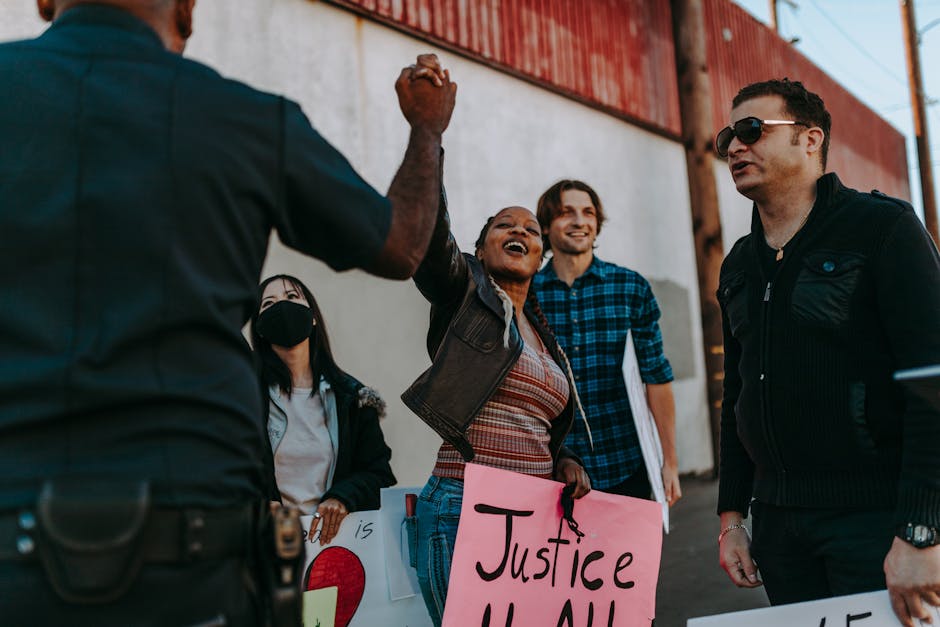
The fight for marriage equality in the United States exemplifies how solidarity across progressive movements can achieve landmark victories. LGBTQ+ rights advocates joined hands with allies from diverse sectors to orchestrate a campaign that was both strategic and heartfelt. Organizations like the Human Rights Campaign, American Civil Liberties Union, and Lambda Legal harnessed legal challenges and public persuasion campaigns to shift public opinion and influence policy.
The movement capitalized on changing cultural norms, with allies from entertainment, business, and politics becoming vocal supporters. This multifaceted approach—combining legal action, personal stories, and cultural advocacy—demonstrates a nuanced strategy that emphasized solidarity both within the LGBTQ+ community and with its external allies.
Another illustrative case is the #NoDAPL movement, where solidarity between environmental activists and Indigenous communities halted the expansion of the Dakota Access Pipeline. The coalition formed between Indigenous tribes, notably the Standing Rock Sioux, and a vast network of environmental groups and allies. It employed:
- Direct action
- Legal challenges
- Media engagement
These tactics spotlighted the environmental risks and violation of Indigenous rights posed by the pipeline.
The movement's effectiveness was amplified through strategic use of social media, creating a global solidarity network. The involvement of high-profile environmental organizations lent additional weight to the cause, funneling resources and attention to what initially began as a local struggle.
These case studies illuminate the importance of comprehensive strategies that weave together legal efforts, personal storytelling, and strategic alliances to unify disparate groups under a common banner. They showcase how solidarity, when stoked by shared purpose and diverse tactics, becomes a formidable force for progressive change.
The Role of Technology in Fostering Solidarity
In today's digital age, technology serves as a powerful vehicle for fostering solidarity across progressive movements, transcending geographical and cultural barriers. Digital platforms and social media have fundamentally shifted how individuals engage with causes, offering unprecedented tools to coordinate efforts and amplify voices.
Social media platforms serve as hubs for activism, allowing movements to:
- Articulate their demands
- Mobilize supporters
- Challenge narratives swiftly
The Arab Spring and the #MeToo movement exemplify how digital platforms can transform personal experiences into collective stories, rallying global support and demanding change in systemic power structures.
Online meeting tools and collaborative platforms enable activists to organize and strategize beyond the confines of physical space. Crowdsourcing and crowdfunding platforms have expanded the capacity for solidarity by making it easier to pool resources and support initiatives financially.
However, the digital domain is not without challenges. Issues of misinformation and disinformation pose substantial threats, undermining credibility and sowing discord. The digital divide remains a persistent barrier, with unequal access to technology impeding full participation for some communities.
As we navigate this technological landscape, the goal is to ensure digital tools remain instruments of connection and empowerment. Progressive movements must continue leveraging technology to foster solidarity, with thoughtful approaches that prioritize inclusivity and authenticity.

Ultimately, the enduring strength of solidarity lies in its ability to unite diverse voices and perspectives in pursuit of justice and equality. By fostering inclusive alliances and embracing intersectionality, movements can continue to challenge systemic inequalities and create lasting change.
- Crenshaw K. Demarginalizing the Intersection of Race and Sex: A Black Feminist Critique of Antidiscrimination Doctrine, Feminist Theory and Antiracist Politics. University of Chicago Legal Forum. 1989;1989(1):8.
- Obergefell v. Hodges, 576 U.S. 644 (2015).