Profiles of Young Activists
Emmanuel Onapa and Liza Bilal exemplify determination in the fight for racial equity and justice. Emmanuel serves as a youth leader for Hackney CVS and a Researcher & Campaigns Manager for Hackney Account. Liza, overcoming early life adversity, gained attention when the statue of slave trader Edward Colston was removed in Bristol. Her activism stems from experiences as a South Sudanese immigrant facing challenges in Britain, including bullying as a dark-skinned student.
Liza observed bias within her school's education system, where Black students were often marginalized. Her advocacy against racism was strengthened by the prolonged fight for justice for George Floyd. She argues that British and African American grievances regarding state violence are aligned, with aggressive policing styles across borders.
Cameron Davis of Canada has also emerged as a prominent voice. His speeches during Black Lives Matter protests highlighted his experiences as a Black youth. Cameron studies at York University while helping found BYR Youth, an organization supporting Black youth leadership. He has shared his message on various platforms, including a TED talk about Gen Z's potential for social transformation.
Emmanuel Onapa's work with Hackney CVS demonstrates his commitment to addressing societal inequities. These young activists contribute to the larger fight against systemic oppression, facing obstacles while maintaining hope for tangible change.

Impact of Youth-Led Movements
Youth-led movements are significantly influencing social and political landscapes globally. They challenge societal norms and drive policy shifts towards equity and accountability.
The toppling of Edward Colston's statue in Bristol, orchestrated by activists like Liza Bilal, symbolized a shift in confronting oppressive historical narratives. This act inspired worldwide reconsideration of monuments glorifying controversial figures.
In North America, young voices have championed calls for dismantling racial injustice, particularly in policing. The Black Lives Matter movement, amplified by youth advocacy, has pressured lawmakers to address policies like stop-and-search practices and excessive force.
These movements also promote dialogues on previously marginalized issues. Activists like Cameron Davis use platforms from YouTube to international assemblies to share personal experiences, catalyzing global awareness of racial justice issues.
Through strategic use of social media and direct political advocacy, young activists have accelerated cultural shifts. Their momentum is fostering a climate where youth are increasingly seen as pivotal leaders in political spaces, demanding accountability from governments and corporations on issues ranging from climate action to gender equality.
Challenges and Resilience
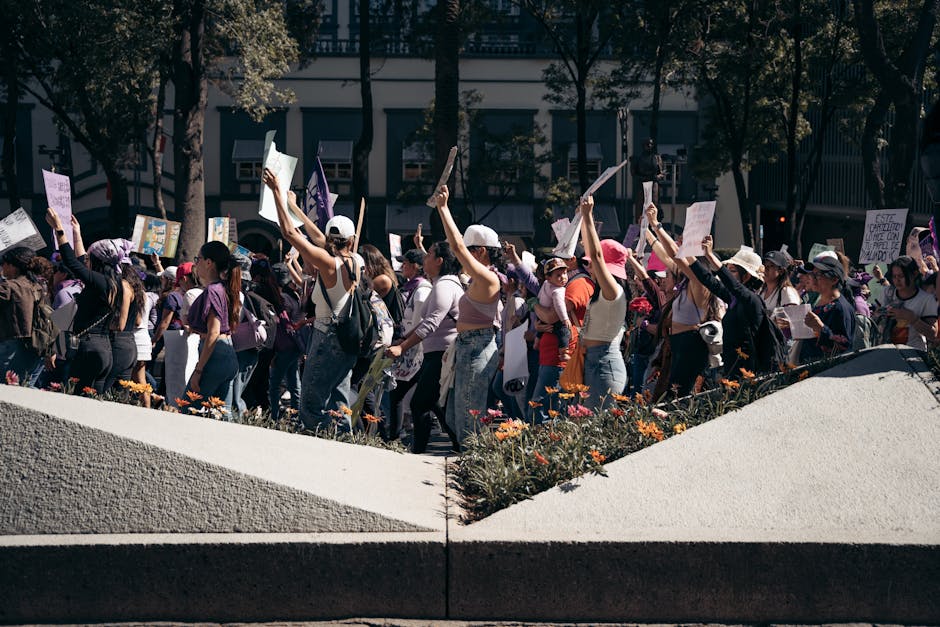
Young activists face numerous challenges that test their resolve. The emotional and mental strain of constant engagement with deeply rooted societal issues can be taxing, as Liza Bilal's experience illustrates. Yet, their sense of duty fuels perseverance in the face of adversity.
Societal pushback adds another layer of difficulty. Actions like the removal of Edward Colston's statue, while inspiring to some, ignite controversy among those resistant to change. This opposition can manifest as public criticism or institutional backlash, creating a tense environment for activists.
Institutional barriers, such as systemic biases in education and policing, require strategic, informed approaches to advocacy. Tackling these structures demands both perseverance and patience, qualities that leaders like Emmanuel Onapa harness through their roles in organizations like Hackney CVS.
"Make sure that you're prepared for the exhaustion and to have patience and resilience. If you know deep down that what you're doing is right, don't give up just because people are against you." – Liza Bilal
Despite these trials, the resilience of young activists is evident. Their steadfastness is bolstered by strong community support, as seen in the collaborative efforts of the Bristol protests. This support network, encompassing volunteers, funders, and fellow activists, provides a backbone that empowers individuals to persist.
Groups like BYR Youth, co-founded by Cameron Davis, exemplify the power of collective action, fostering environments where voices can unite against common adversaries. The synergy created by such networks amplifies impact, transforming isolated actions into formidable movements capable of instigating lasting change.
Role of Community and Solidarity
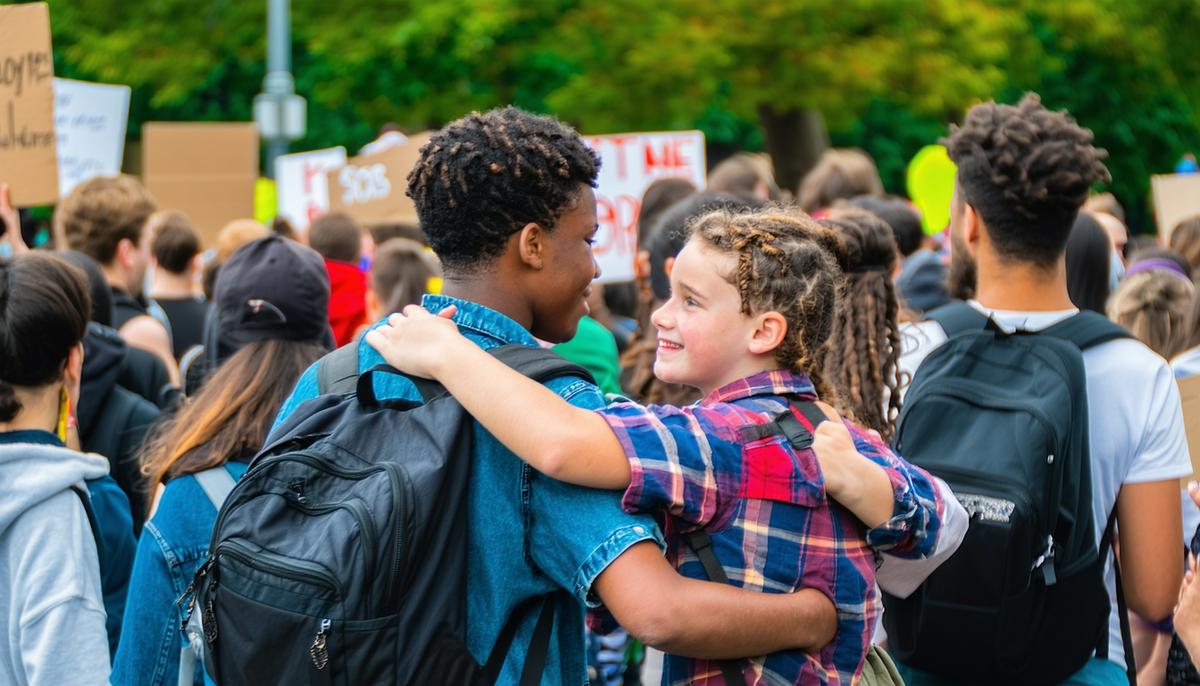
Liza Bilal's story underscores the significance of community engagement and solidarity in youth-led movements. At the core of successful campaigns lies a strong support network, critical for both logistical organization and emotional sustenance.
The community, united by shared values and visions, provides the backbone for organized mobilizations. During the Bristol protests, individuals rallied to offer supplies, funding, and moral encouragement, reinforcing that these efforts were a collective uprising.
Solidarity extends beyond geographical boundaries, drawing strength from global connections. The widespread reactions to the Bristol demonstrations exemplify how local actions can spark international conversations and actions. This interconnectedness reminds young activists that they are part of a larger, worldwide web of advocacy.
The networks forged through activism become enduring pillars for ongoing advocacy and progress. Social infrastructure, like that created by BYR Youth under Cameron Davis's leadership, ensures that the momentum for change continues, passed from one cohort of activists to the next.
Ultimately, community and solidarity in youth-led movements are both foundational and transformative. These elements galvanize individuals by creating a collective strength that amplifies their causes and extends their reach, supporting them in their journey toward a more just and equitable future.

Young leaders in activism demonstrate resilience, driven by a shared commitment to justice and equality. Their journey highlights the power of collective action and unwavering resolve in pursuing social change.
- Kuhn AL. The Arca Foundation. 2008.
- Open Society Institute. Youth Media Program. 2002-2008.
- Democracy Alliance. Youth Engagement Fund. 2010.