Artistic Activism in Voting
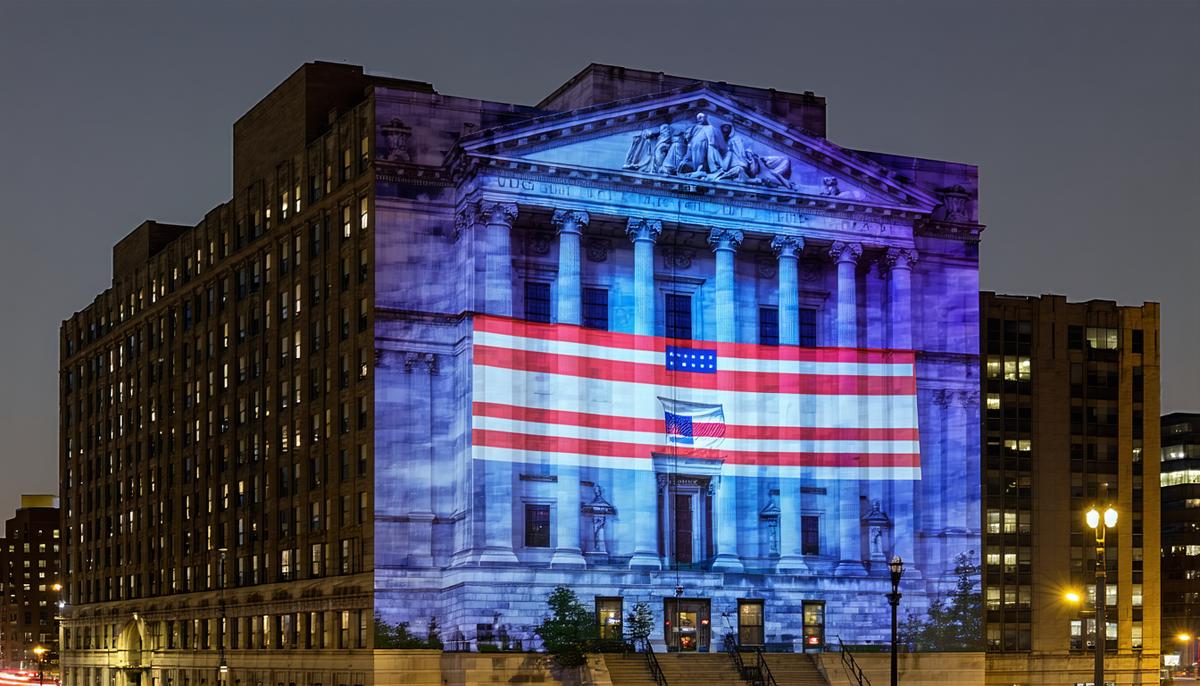
In Philadelphia, art and politics converge on urban screens, displaying voter-centric messages inspired by the 1960s Civil Rights Movement. These projections appear in bustling areas and on iconic buildings, serving as friendly reminders of civic power.
Project Your Vote, initiated by the nonpartisan Center for Artistic Activism, reimagines voter engagement. Bonnie Chang, from Bucks County, focused on Philadelphia, where local enthusiasm extended the project to a full month.
Chang collaborated with Tim Brown of the Philly Neighborhood Network, recruiting volunteers to illuminate landmark sites. Guided by The Illuminator, they projected messages designed to inspire action. Residents often walked away with buttons as tangible reminders of their voting power.
The initiative aims to spark enthusiasm in neighborhoods where voter apathy is prevalent, offering a subtle yet powerful reminder of civic responsibility.
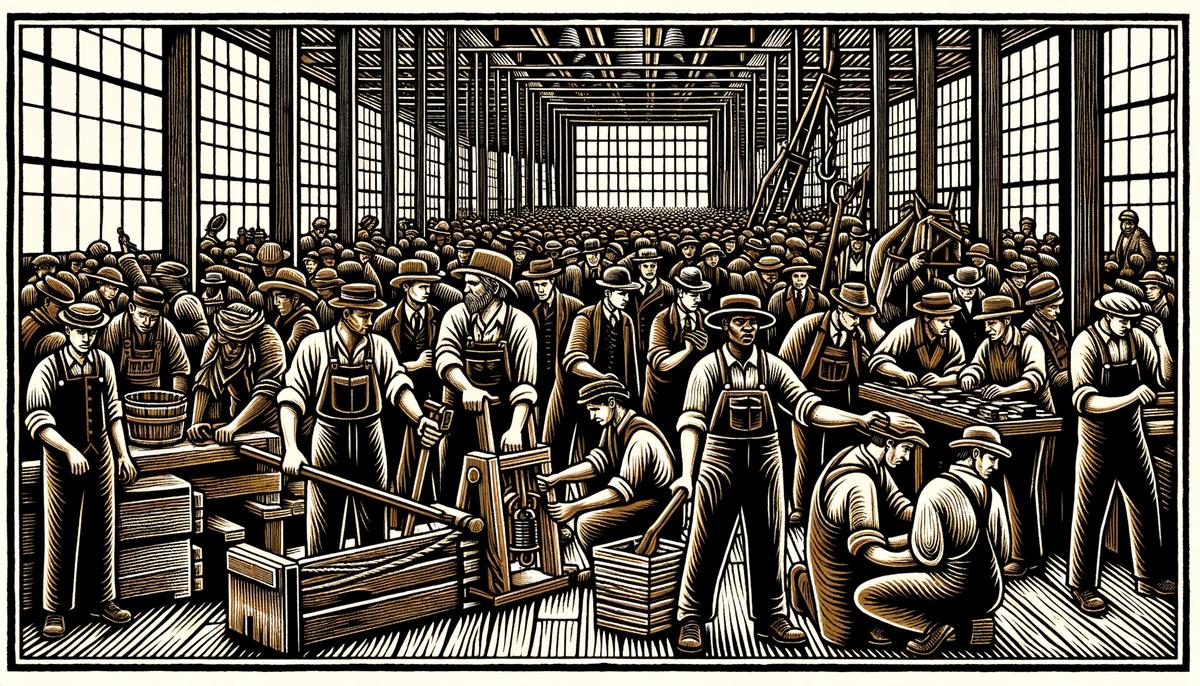
Art's role in social change extends beyond voting. Frances Jetter's "The Amalgam" uses linocut prints to illustrate the labor movement narrative, capturing the journeys of immigrants and unionists. The book highlights the strong threads of family and organizing that have shaped communities through generations.
These initiatives exemplify how art can elevate political consciousness and personal involvement, facilitating an understanding of societal progress and encouraging reflection and action.
Historical Influence of Art in Social Movements
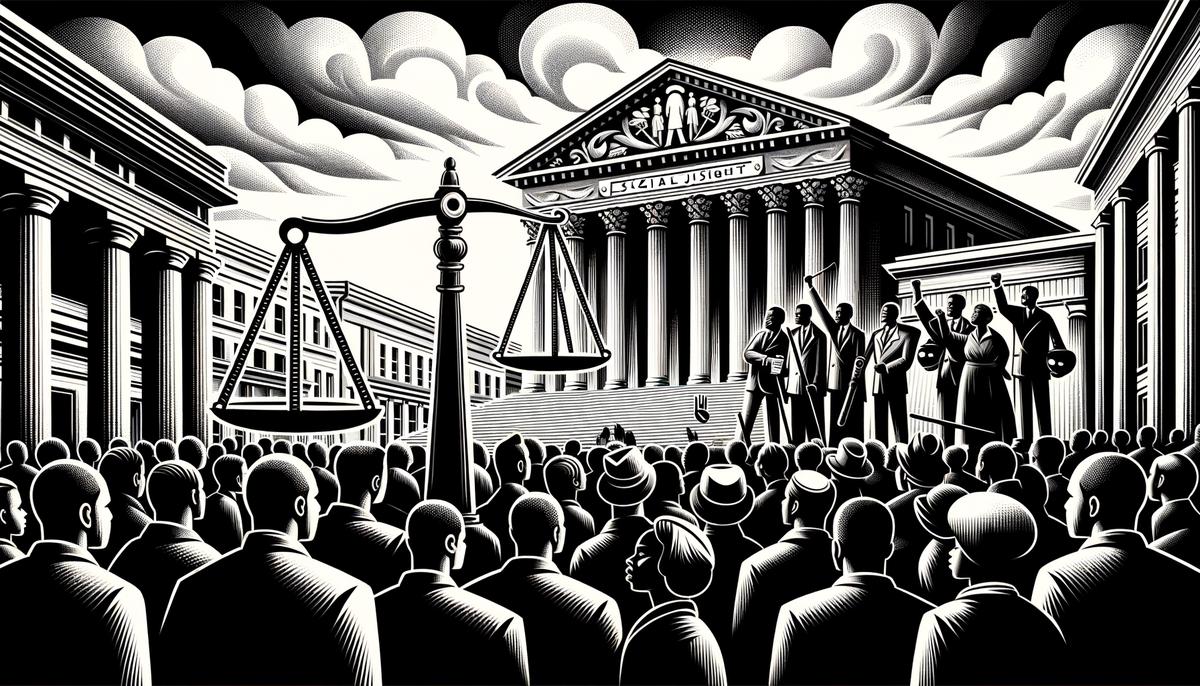
Art has long been integral to social movements, serving as both a mirror reflecting societal tensions and a catalyst for change. The 1960s Civil Rights Movement exemplifies this, where art became a visual anthem for justice and equality.
During this era, artists infused their work with the turbulence and hope of the times. Posters emerged as striking symbols, both simple and profound. Emory Douglas, minister of culture for the Black Panther Party, mastered merging political discourse with visual art. His illustrations addressed mass incarceration, police brutality, and inequality, educating and galvanizing collective action.
This artistic legacy empowered communities to reclaim narratives and demand equality. Art became an accessible language of the masses, inspiring generations to visualize and act toward a different world.
Today, projects like Project Your Vote draw from this rich past, using visual storytelling to confront contemporary issues. By projecting voter-focused messages in the visual language of past social struggles, these initiatives tap into art's power to engage and motivate.
Art continues to bridge socioeconomic divides and catalyze cross-generational engagements, urging participation through clarified personal and collective awareness. This enduring impact underscores art's essential role in the ongoing process of activism and social progress.
Art as a Tool for Community Engagement
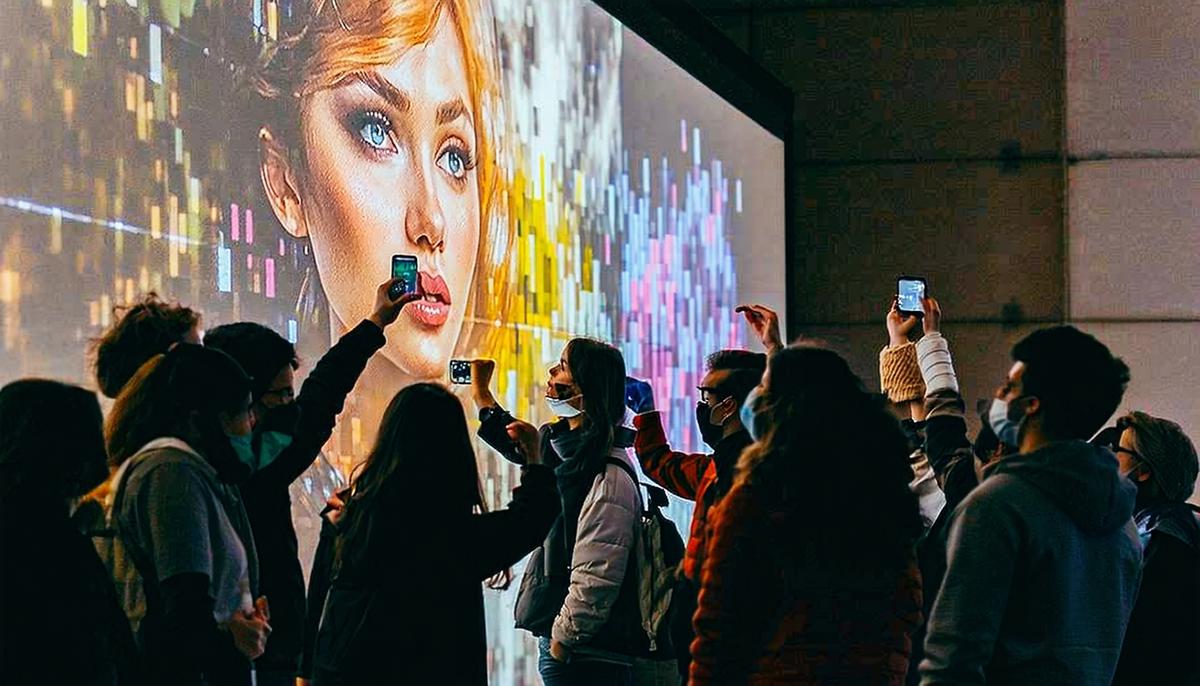
Art collectives like The Illuminator leverage public spaces as canvases, transforming them into dynamic theaters of social commentary. By projecting artistically crafted messages onto buildings, they capture attention and spark conversations, making important social issues accessible to all.
This approach fosters inclusive dialogue, where art is not confined to galleries but belongs to the people. It connects with shared human experiences, distilling complex topics into universal stories that resonate across diverse audiences.
These artistic endeavors cultivate community empowerment by involving members in the creation and dissemination of art. This process transforms spectators into participants, offering them a stake in the conversation and urging them to take steps toward meaningful change.
Visual storytelling also democratizes activism by transcending linguistic and educational barriers. This inclusivity amplifies the impact of social movements, drawing people together in shared purpose and fostering collective resolve.
Art as a tool for community engagement expands the reach of social activism, transforming communities from mere witnesses to active contributors in shaping their destinies. It not only challenges societal norms but inspires new visions of what is possible, empowering individuals to become catalysts for progress.
The Intersection of Art and Labor Movements
Art and labor movements have long intertwined, forming a rich mosaic where visual storytelling amplifies workers' struggles and victories. Frances Jetter's "The Amalgam" stands out as a compelling account that chronicles the labor movement's resilient spirit through striking visual art.
Jetter's intricate linocut prints offer vivid testimonies of individuals who have shaped, and been shaped by, the labor movement. Her artwork captures the essence of the labor struggle, revealing the often unseen personal battles that fuel broader movements.
The visuals are raw and emotional, offering an unfiltered look at the sacrifices and triumphs within the fight for fair labor practices. These artistic renditions evoke empathy and understanding, bridging the gap between past and present labor issues.
By intertwining personal and political histories, Jetter's work underscores the importance of labor unions as vehicles for social change. The detailed illustrations serve not just as memory keepers of past struggles but as inspiration for ongoing and future activism, reminding us of the continuous need for vigilance in protecting workers' rights.
Art becomes an enduring part of the labor movement's legacy, marking its history with deeply personal and collective experiences. As the movement evolves, artistic expressions like Jetter's ensure that the voices of those who labor tirelessly for justice are remembered and revered, inviting us to join in the quest for equitable labor practices.
Modern Art and Progressive Change
Contemporary artists are steadfast champions of social and environmental justice, using their work to illuminate pressing issues and spark dialogues that fuel activism.
Street art and murals have transformed urban landscapes worldwide. Artists like Shepard Fairey and Banksy use their platforms to voice concerns on issues ranging from climate change to racial equality. Fairey's iconic "Hope" poster became a symbol of optimism and inclusivity, while Banksy's satirical works confront viewers with unyielding truth that catalyzes conversation.
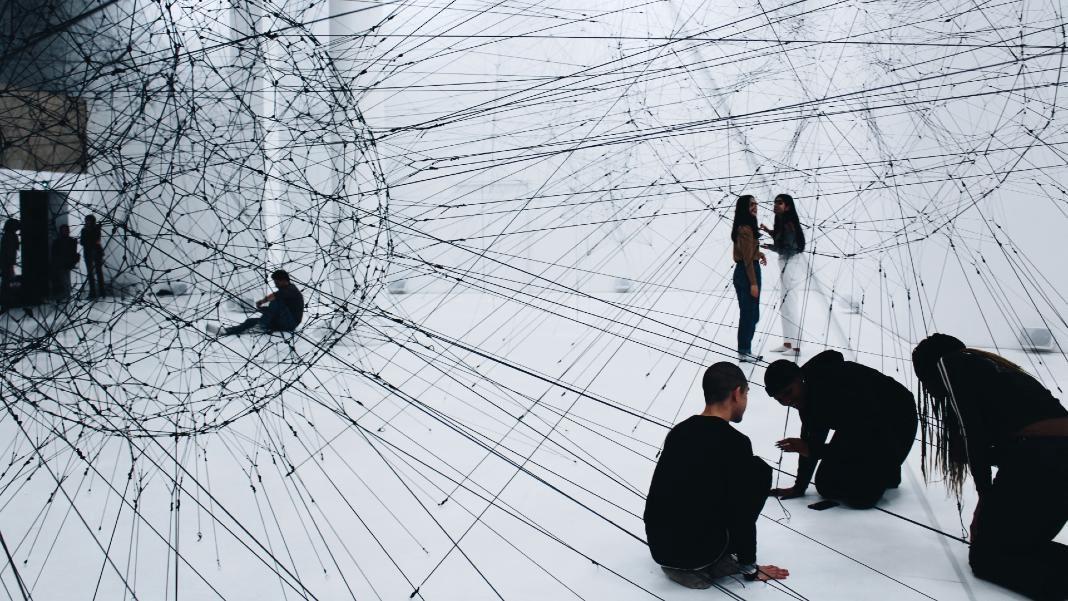
Environmental artistry has gained prominence in galleries and museums. Olafur Eliasson's installations, such as "Ice Watch," immerse viewers in the beauty and fragility of our ecosystems, engaging audiences in dialogues about sustainability and planetary responsibilities.
Interactive and digital art forms push the boundaries of influence and outreach. The Amplifier Foundation harnesses digital art to create campaigns that elevate marginalized voices, allowing individuals to disseminate images and create a ripple effect of awareness.
Art festivals and public installations have become fertile grounds for collaborative activism. Events like Art Basel and the Venice Biennale increasingly feature works spotlighting themes of migration, gender equality, and indigenous rights.
The resurgence of protest art, particularly in movements like Black Lives Matter, has seen artists creating poignant murals and installations that memorialize moments of resistance and inspire continued pursuit of justice.
Modern art's role in progressive change lies in its ability to evoke empathy and inspire action. It provides a mirror reflecting the urgent need to address inequities and environmental crises, urging us to shift from passive spectatorship to active participation. Through its myriad forms, contemporary art not only chronicles our societal journey but also lights the path forward, demonstrating its indelible impact on the world stage.
Art continues to serve as a vital catalyst for societal change, blending creativity with activism to inspire and engage communities. Through visual storytelling, it bridges past and present struggles, urging us to participate in shaping a more equitable future.
- Katchor B. Comics as the new art book of the twenty-first century. Jewish Currents. 2021.
- Jetter F. The Amalgam: An Immigrant, His Labor Union, and His American Family in Brooklyn. New York: School of Visual Arts; 2019.
- Norman Rockwell Museum. Frances Jetter: Linocut Prints Exhibition. Stockbridge, MA: Norman Rockwell Museum; 2019.