In today's interconnected landscape, social media stands as a pivotal force in shaping the dialogue around pressing societal issues. As platforms evolve, they offer unprecedented opportunities for voices that have long been sidelined to find resonance and influence. This digital transformation not only amplifies individual stories but also fosters collective action across borders.
1. Amplifying Voices and Reaching Wider Audiences
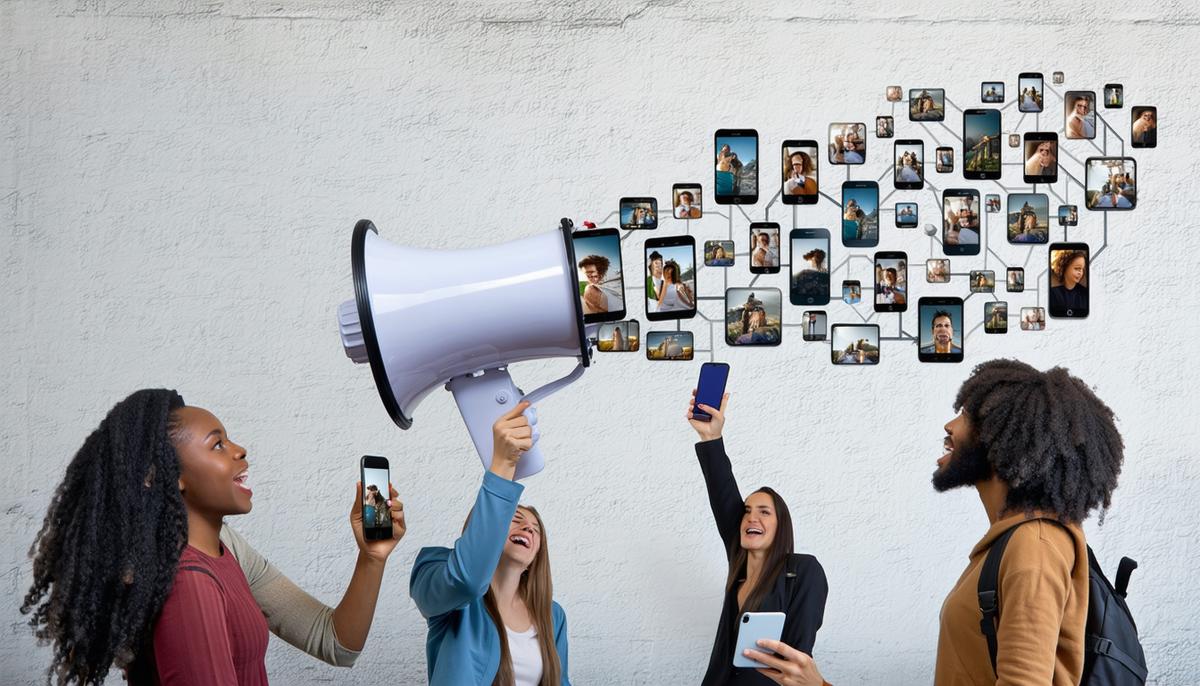
Through social media, progressive advocacy has a powerful tool to amplify voices that were once marginalized. A tweet, a Facebook post, or an Instagram story can reach millions, cutting through traditional media gatekeeping. Social media allows activists to communicate directly with audiences, bypassing conventional platforms that may not prioritize their messages. This immediacy is crucial when every second counts, especially in mobilizing support for urgent causes.
These platforms act as megaphones for underrepresented communities, shining a spotlight on issues often overlooked by mainstream media. As more voices join the conversation, the discourse shifts. Campaigns demanding social justice, climate action, or human rights gain traction, drawing in wider audiences. Greater visibility can translate to increased influence.
The reach of social media doesn't just stop at spreading awareness; it connects advocates with potential allies, collaborators, and supporters across geographical boundaries, forming coalitions that transcend borders. These digital networks bolster the momentum necessary to push progressive policies onto public agendas and influence political discourse.
2. Facilitating Rapid Mobilization and Real-Time Updates
Social media platforms have revolutionized the way organizers mobilize support by providing tools for rapid action-planning and dissemination of real-time updates. Arranging a protest or rally can now be organized in mere hours. Hashtags start trending, live streams begin rolling, and digital flyers circulate. These tools provide a centralized hub where campaigns can efficiently coordinate logistics, ensuring that supporters know where to be and when to show up.
These platforms enable organizers to respond swiftly to changing circumstances. If authorities announce unexpected road closures or new guidelines need immediate dissemination, social media steps up as the real-time dispatcher. This capability enhances not just the scale but the effectiveness of actions, amplifying their resonance across communities.
For activists, this rapid mobilization means creating a resilient network ready to spring into action at a moment's notice. Achieving immediate participation from thousands strengthens the visibility and urgency of progressive campaigns. Social media, thus, isn't just a tool—it's a catalyst, igniting campaigns that resonate with the pulse of society and creating tangible change in a digital age.
3. Encouraging Transparency and Accountability
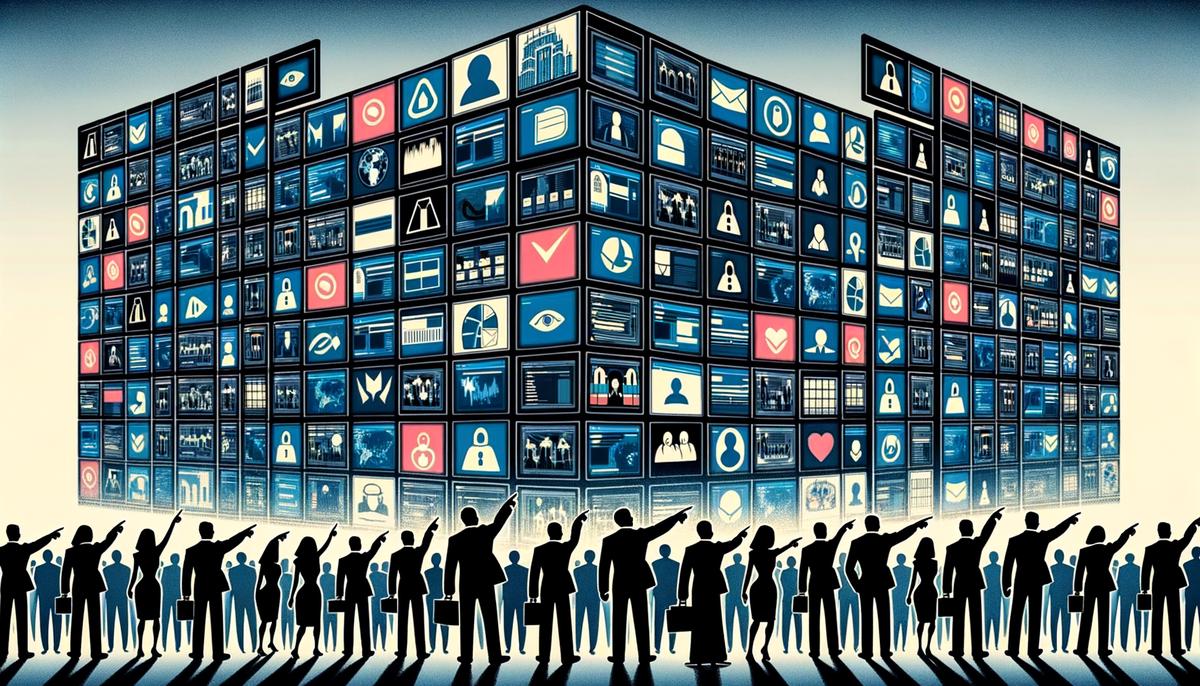
Social media has become a powerful ally for activists seeking transparency and accountability. By harnessing the reach and immediacy of these platforms, advocates can spotlight misconduct, corruption, and injustices that often go unnoticed by traditional media. Social media acts as a digital watchdog, where the public can engage with and scrutinize those in positions of power.
Activists and concerned citizens document and share evidence of wrongdoing, whether through videos, photos, or detailed accounts. Once uploaded, content spreads swiftly, galvanizing public interest and often forcing institutions to respond. Transparency is no longer a closed-door affair; it's a public dialogue.
Collective questioning on platforms like Twitter and Facebook holds leaders accountable, creating a forum where every voice counts. When injustices are uncovered, hashtags become rallying cries, and viral campaigns demand answers and action. The pressure for accountability grows as more people join the conversation, challenging officials and organizations to uphold ethical standards.
Social media fosters collaboration among watchdogs, journalists, and activists, fortifying efforts to uncover truth and drive change. It also empowers the public to fact-check and verify information collectively, thereby enhancing the credibility of advocacy campaigns. This increased transparency isn't confined to government alone—corporations and private sector entities are also expected to operate with integrity under social media's ever-watchful gaze.
4. Building Global Solidarity and Support Networks
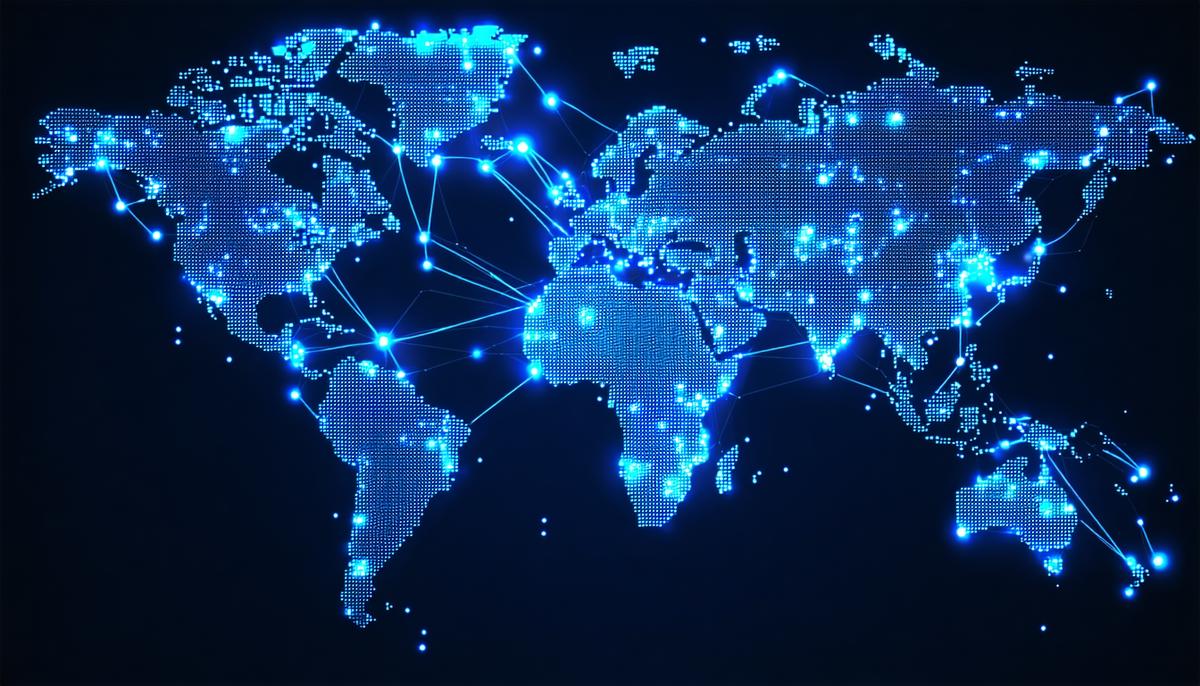
Social media is weaving together a global network of solidarity among progressive advocates. Geographic boundaries blur as platforms bridge continents, allowing like-minded individuals to connect and collaborate as never before. This global network of solidarity enriches the collective strength of movements advocating for social justice, economic equality, and environmental protection.
The power of social media lies in its ability to create instantaneous connections, forming digital alliances that amplify and diversify the outreach of local causes. These global linkages bring a wealth of strategies, experiences, and innovations, fostering shared learning among advocates.
These digital support networks actively engage in mutual assistance, whether organizing global protests or initiating worldwide fundraising efforts. By sharing resources and insights, activists can break through cultural and political obstacles, strengthening their resolve and capacity to affect real change.
The real magic happens in the camaraderie that develops among advocates separated by oceans but united by cause. Shared stories, challenges, and victories build a sense of community that motivates individuals to stay engaged, even in challenging times. Social media clusters these digital advocates into a formidable network, where global challenges are met with collective resilience and lasting partnerships.
5. Empowering Marginalized Voices and Stories
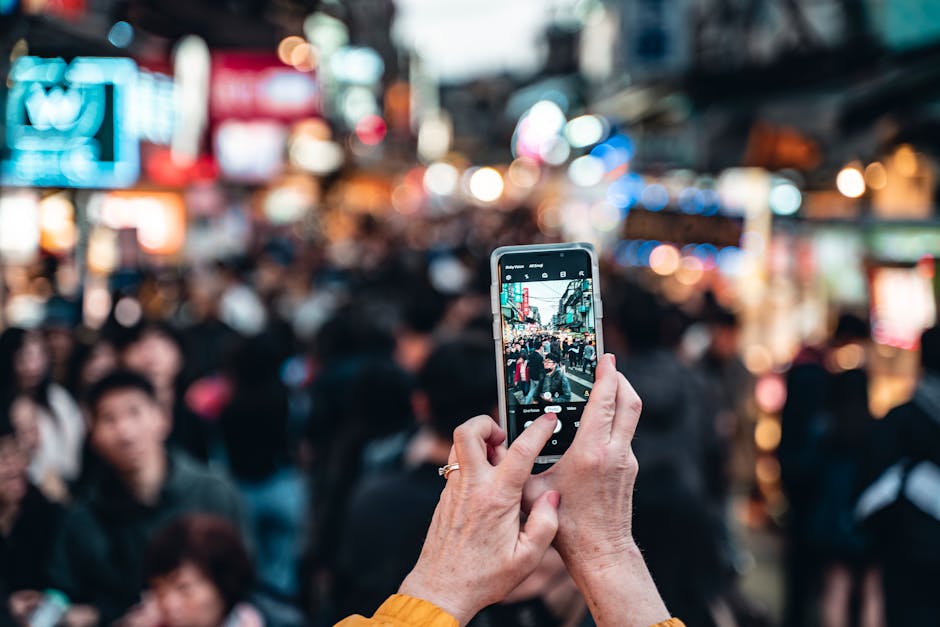
Social media platforms have become essential arenas for storytelling, particularly for those whose voices have historically been marginalized. With just a smartphone, individuals can share personal stories that challenge preconceived notions, reshape public discourse, and raise awareness of societal injustices overlooked by mainstream media. This democratization of storytelling empowers individuals and communities to take control of their accounts, offering authentic and diverse perspectives that enrich the broader digital dialogue.
Every post, video, or thread serves as a window into experiences often obscured by the dominant media stories. The stories told by LGBTQ+ individuals, indigenous groups, people of color, or victims of systemic inequality can now reach vast audiences, inspiring empathy and prompting critical reflection on societal norms.
The platform's interactive nature allows for dialogue between storytellers and their audience, enhancing empathy and engagement. Comments, shares, and likes become units of support, amplifying stories and propelling them into widely circulated discussions that influence policies and cultural perceptions alike.
This shift transforms public perception, policy outcomes, and societal structures by insisting that all voices have a rightful place in shaping the modern world. In empowering these storytellers, social media fosters a new realm of awareness and accountability, forging a path toward a future where diversity and understanding are the cornerstones of societal progress.
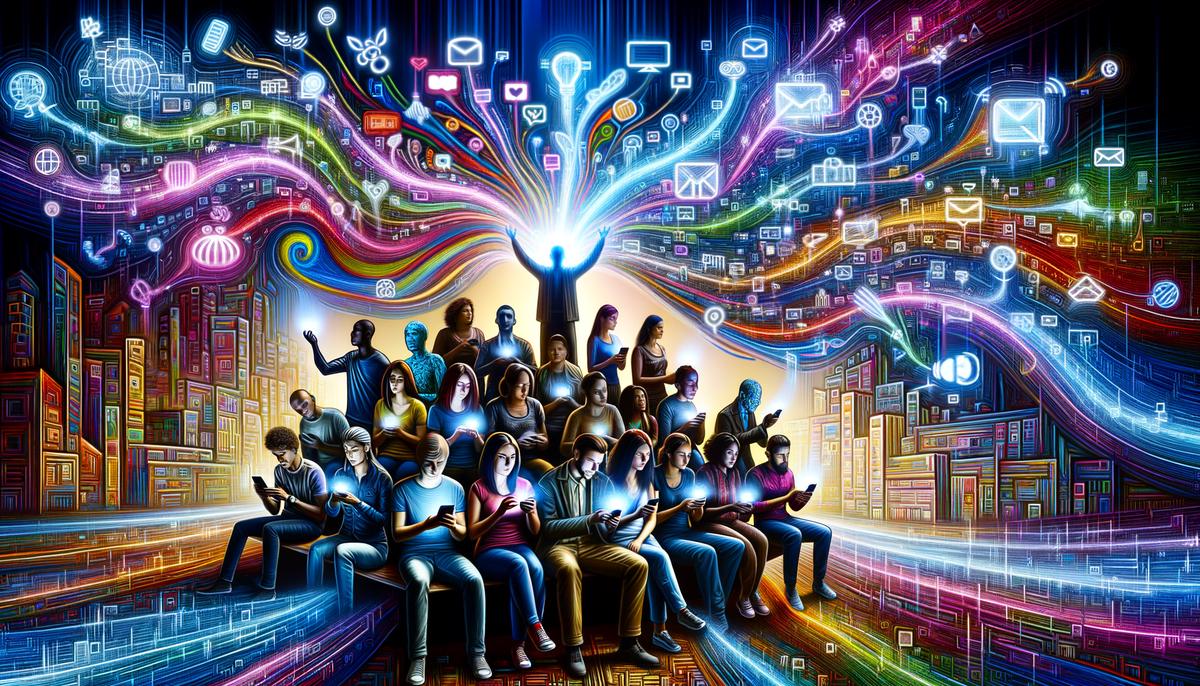
Ultimately, the power of social media lies in its ability to bring diverse voices together, crafting a shared story that demands attention and action. By connecting individuals globally and empowering marginalized communities to share their truths, these platforms are reshaping advocacy into a more inclusive and impactful endeavor.