The Role of Representation in Advocacy
Representation in activism and advocacy is crucial for achieving justice. When diverse voices are included, it enriches conversations and makes advocacy more inclusive and effective. Representation ensures that advocacy addresses root causes rather than just symptoms of issues.
The impact of diverse voices in movements like environmental activism is significant. It's about ensuring that policies are truly inclusive and benefit everyone, from urban neighborhoods to rural areas. Diverse advocates bring insights that might otherwise be overlooked, challenging norms and pushing for comprehensive policies.
Representation transforms advocacy from simple pleas into compelling demands for change. We've seen this in movements like disability rights, where lived experiences informed strategies, leading to tangible policy shifts and greater societal awareness.
Through diverse leadership, advocacy movements not only reflect the communities they serve but also gain the moral authority to influence social justice on a broader scale. Success lies in amplifying voices that have long been sidelined, leaving a lasting impact on policy directions and societal attitudes.
Challenges and Barriers to Representation
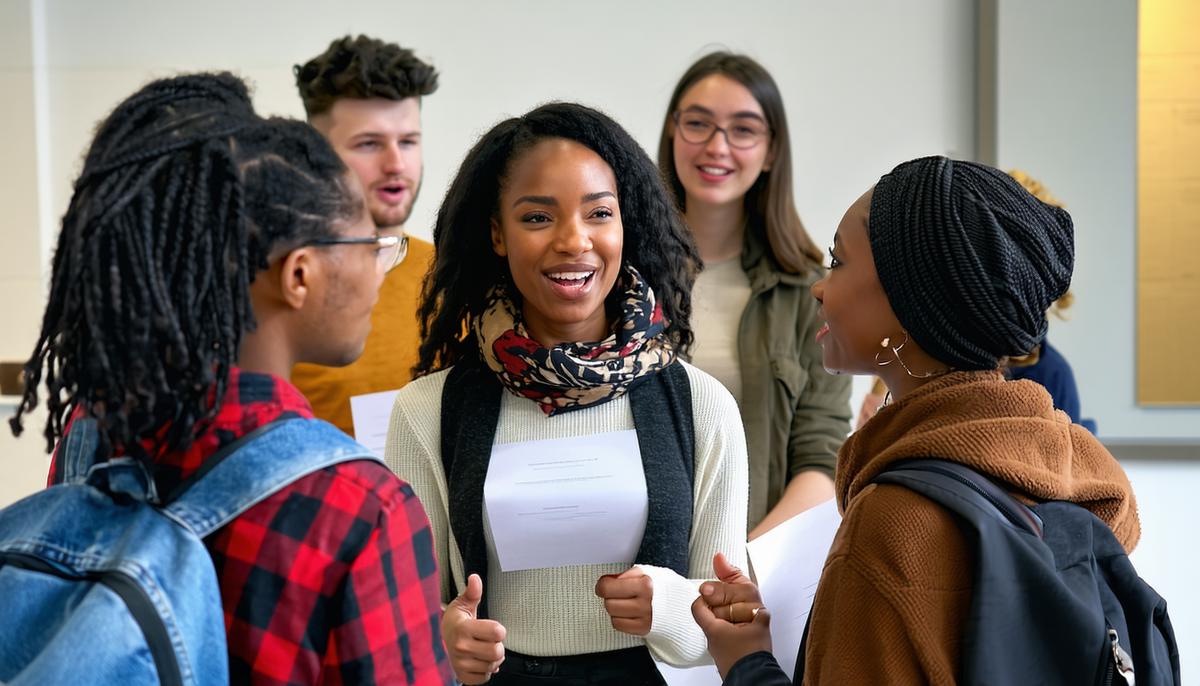
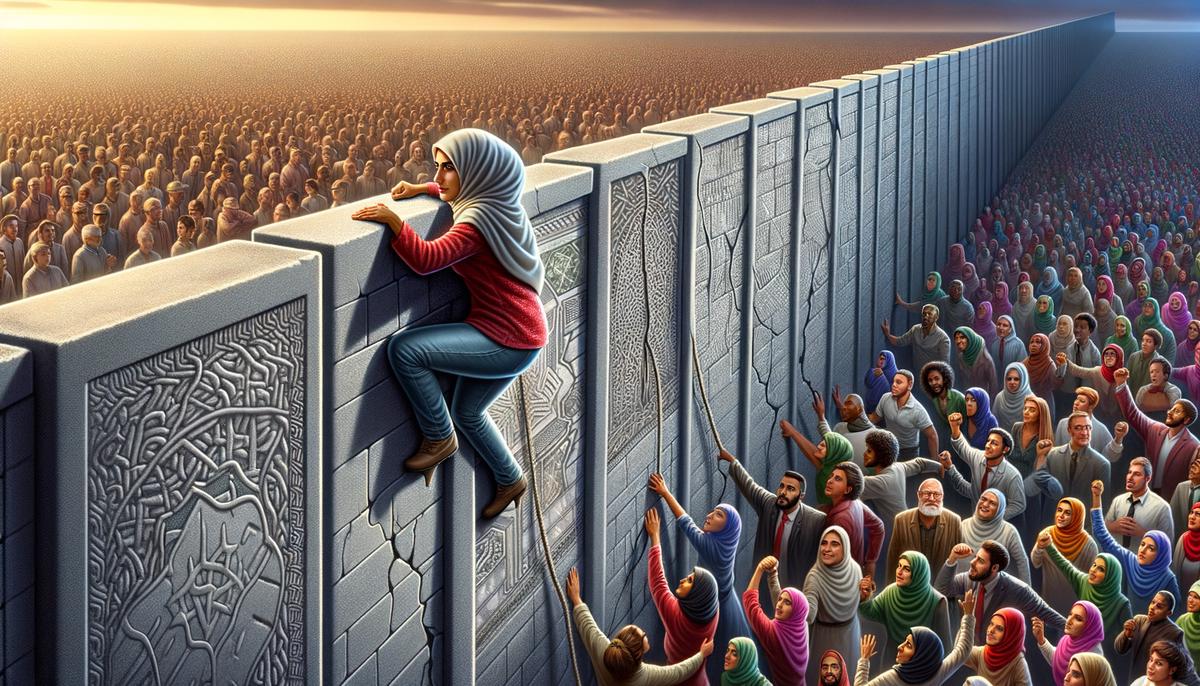
Despite its importance, achieving equitable representation in advocacy faces significant challenges. Systemic barriers often relegate marginalized voices to the periphery, with historical inequities creating structures that silence or dismiss dissenting voices from minority groups.
Economic disparities consistently disadvantage marginalized groups, who often lack the financial resources necessary for sustained advocacy efforts. Without adequate funding, securing platforms to showcase their causes becomes extremely difficult.
Limited access to influential networks is another significant barrier. Established advocacy platforms are often dominated by those with social capital, while marginalized groups may find themselves isolated, working tirelessly without the benefit of powerful allies or connections.
Societal biases compound these challenges. Prejudices based on race, gender, disability, or economic status can skew public perception and undervalue the contributions of marginalized advocates. These biases often manifest in subtle ways, such as:
- Dismissing the validity of lived experiences
- Questioning advocates' credibility based on their backgrounds
- Stereotyping or tokenizing marginalized voices
Internal dynamics within advocacy groups can sometimes echo the exclusionary practices they seek to combat. Without active efforts to dismantle existing hierarchies and foster inclusivity, even well-intentioned movements risk perpetuating inequities.
Addressing these barriers requires concerted action. Advocacy must evolve into a participatory process, where marginalized groups play an integral role in framing agendas and shaping strategies. This involves actively removing hurdles and fostering an environment that values and uplifts diverse voices.
Case Studies of Successful Representation
Several social movements demonstrate the power of representation in driving meaningful change. These movements have leveraged diverse voices to overcome systemic obstacles and amplify marginalized perspectives.
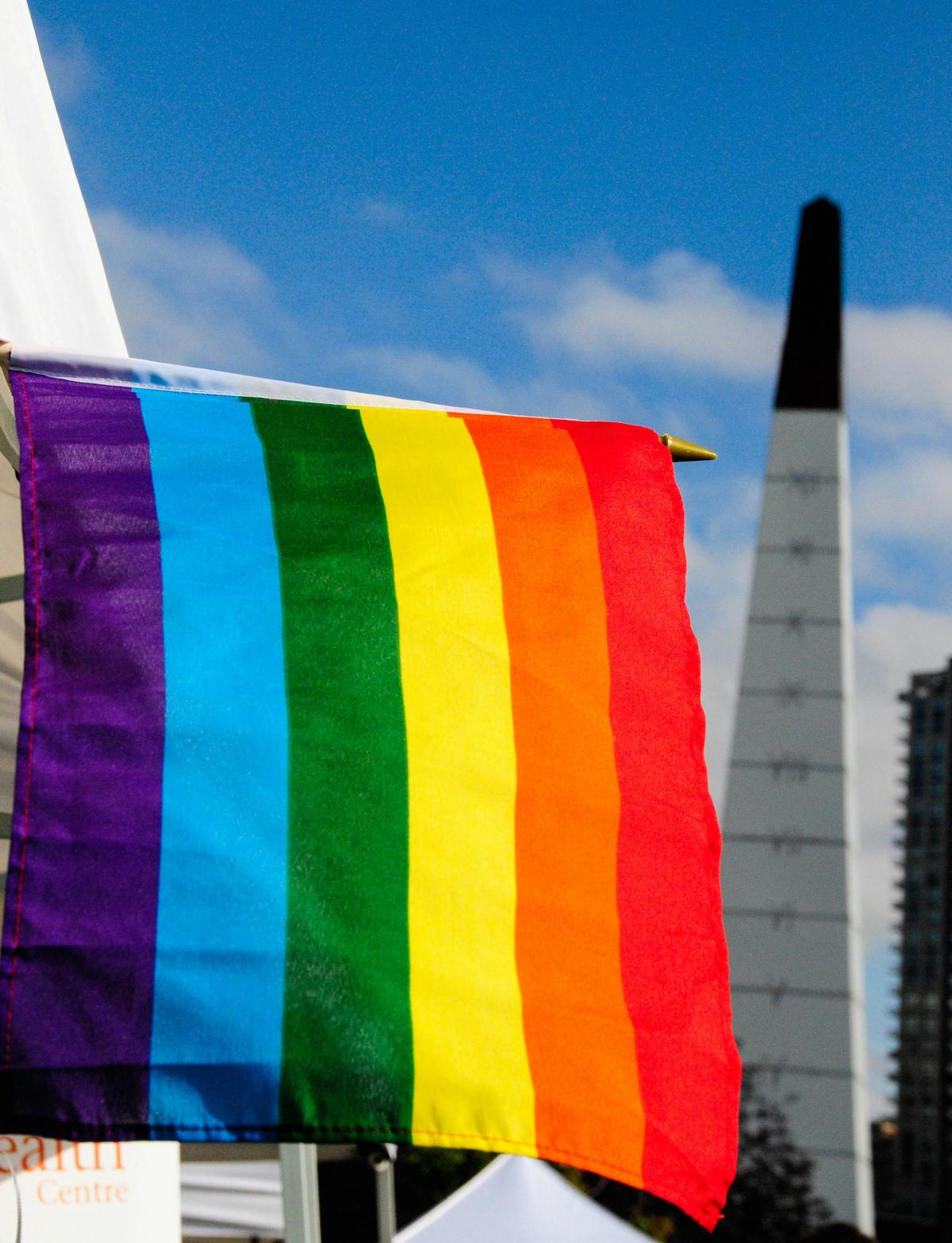
The LGBT Rights Movement in Ireland serves as a compelling example. From decriminalizing homosexuality in 1993 to achieving marriage equality in 2015, the movement's success hinged on embracing representation. By incorporating a broad spectrum of voices—from grassroots activists to political allies—the movement constructed a united front that reshaped policies and promoted a more inclusive society.
The disability rights movement in Ireland has also showcased the strength of representation in advocacy. By bringing individuals with diverse disabilities to the forefront, the movement challenged ableist policies and shattered misconceptions. Through initiatives that underscored lived experiences, such as the push for accessible transport and housing, the movement made significant strides in policy reform.
On the international stage, the Black Lives Matter movement highlights how representation can catalyze global awareness and change. By centering the voices of Black individuals and communities affected by systemic racism and police brutality, the movement has created a powerful message that resonates worldwide. The strategic use of social media allowed marginalized voices to reach global audiences, galvanizing support and provoking crucial conversations about racial injustice.
These examples show that the key to impactful advocacy lies in intentionally integrating representation into every facet of activism. When movements embrace this principle, they gain legitimacy and enhance their capacity to effectuate substantial societal transformations.
Strategies for Enhancing Representation
To cultivate a movement that truly reflects the communities it serves, we must deploy strategic approaches that emphasize inclusion, collaboration, and innovation.
Coalition-building is fundamental in magnifying representation within advocacy. By forging alliances across diverse groups, movements can harness collective power and amplify their impact. These coalitions respect each group's unique contributions while weaving them into a unified front, enabling a shared platform for advocacy.
Inclusive decision-making is vital in fostering representation. Advocacy groups must actively position marginalized individuals in decision-making roles. This isn't about token gestures; it's about embedding diverse perspectives in the heart of strategic planning and execution. The decision-making process should be transparent, with a clear commitment to elevating marginalized viewpoints.
Social media platforms offer unprecedented opportunities to amplify diverse voices. Effective use of these platforms requires strategic engagement, crafting compelling stories and leveraging algorithmic mechanics to reach wider audiences. By being digitally savvy, activists can transition marginalized voices from the periphery to the center stage of global conversations.
Education and training play crucial roles in empowering marginalized communities to participate in advocacy efforts. Providing resources and skills training helps break down barriers to participation, making advocacy more accessible to those traditionally excluded. This strengthens the overall fabric of the movement, fostering a knowledgeable and empowered base that can champion change effectively.
Continuous reflection and adaptation ensure that once-marginalized voices remain at the forefront, driving advocacy that resonates on a deeper societal level. By focusing on these strategic elements, advocacy movements can amplify representation and achieve transformative and sustainable change.

Representation stands as the cornerstone of advocacy, shaping movements into true reflections of the communities they serve. By integrating diverse voices, advocacy becomes a powerful force for change, breaking down barriers and driving meaningful progress.
- Cox R, Pezzullo PC. Environmental Communication and the Public Sphere. 4th ed. SAGE Publications; 2016.
- Jasper JM. The Emotions of Protest. University of Chicago Press; 2019.
- Louis WR, Thomas EF, McGarty C, et al. Collective action—and inaction—in common pool resource dilemmas. J Environ Psychol. 2020;71:101468.
- Chenoweth E, Stephan MJ. Why Civil Resistance Works: The Strategic Logic of Nonviolent Conflict. Columbia University Press; 2011.