Living as an LGBTQ+ individual often means confronting numerous challenges that are both systemic and deeply personal. From legal persecution to social stigma, the obstacles are numerous and formidable. This article aims to illuminate the multifaceted discrimination and violence faced by LGBTQ+ individuals worldwide, while also highlighting ongoing efforts and legislative measures aimed at fostering equality and justice.
Global Discrimination and Violence Against LGBTQ+ Individuals
LGBTQ+ individuals face widespread discrimination and violence globally. Legal persecution is severe in some countries, with consensual same-sex acts punishable by death in Brunei, Iran, Mauritania, Saudi Arabia, Yemen, and parts of Nigeria. Homosexuality remains criminalized in 64 countries.
Social stigma manifests as ostracism in public spaces, schools, and homes. This hostility often forces individuals to conceal their identities, depriving them of authenticity. Physical violence is a grave concern, with at least 37 transgender or gender-nonconforming people murdered in the United States in 2020. Black transgender women are particularly vulnerable to such acts.
Organizations like Amnesty International actively combat this violence by advocating for legal reforms and supporting affected individuals. In Poland, for instance, Amnesty has documented harassment faced by LGBTI rights activists from both society and the state.
Discrimination often intersects with other aspects of identity. An LGBTI refugee in Kenya might face hostility due to their:
- Sexual orientation
- Migration status
- Nationality
- Ethnicity
This layered discrimination requires a multifaceted approach to address effectively.
In the United States, the Equality Act aims to codify protections for LGBTQ+ individuals across various sectors. However, the struggle persists as policymakers grapple with deep-seated prejudices and a shifting social landscape.
Amidst these challenges, legal victories, advocacy efforts, and community support provide hope. These efforts bring us closer to a world where people can live freely, safely, and with dignity.

Legal and Social Recognition of LGBTQ+ Identities
Legal and social recognition of LGBTQ+ identities is fundamental to achieving equality and justice. Understanding key concepts like gender identity, sexual orientation, and gender expression is crucial for building inclusive policies and communities.
For transgender individuals, the struggle intensifies when legal systems fail to recognize their gender identity. The bureaucratic process can be dehumanizing, forcing someone to live as a gender they do not identify with due to their ID. Gender affirmation, which encompasses the journey to live in alignment with one's true gender identity, is critical. This may include medical procedures, though it's important to remember that a trans person's identity is valid regardless of their medical choices.
Legal gender recognition allows transgender individuals to navigate daily life with dignity. Without it, they face constant reminders that they're seen as something they're not, affecting everything from accessing healthcare to travel. Even where legal gender recognition is possible, the process is often prohibitively long, expensive, and degrading.
Some progress is evident globally. Countries like Denmark and Malta have simplified the process for legal gender recognition, emphasizing privacy and self-determination. However, for many, these gains feel distant, overshadowed by immediate dangers and harsh laws.
To foster a world where every LGBTQ+ individual is valued and respected, society must champion the legal and social recognition of all gender identities and expressions. Each progressive step, however small, paves the way for comprehensive equality. It isn't just about changing laws; it's about redefining dignity, respect, and humanity for LGBTQ+ individuals everywhere.

Impact of COVID-19 on LGBTQ+ Communities
The COVID-19 pandemic has intensified pre-existing barriers for LGBTQ+ individuals, particularly in healthcare, employment, and social support. This global crisis has underscored the vulnerability of these communities during significant societal disruption.
Healthcare access, already challenging for LGBTQ+ individuals, worsened during the pandemic. Overburdened healthcare systems sidelined crucial gender-affirming surgeries and routine care. In Asia, transgender people faced even more pronounced barriers, with many losing access to vital healthcare services, including hormone therapy.
Employment prospects for LGBTQ+ individuals suffered severely. Many, already excluded from formal job markets due to societal prejudices, lost income without the safety net of unemployment benefits or governmental support. For many transgender individuals in Asia, daily survival became an arduous challenge.
Social support systems were similarly impacted. Community centers and support groups, often lifelines for marginalized communities, were disrupted by social distancing measures and lockdowns. Online support networks attempted to fill the gap, but digital divides prevented many from accessing these virtual spaces. The mental health toll has been significant, with increased reports of anxiety, depression, and suicidal ideation among LGBTQ+ individuals.
For transgender people in Asia, this period underscored the intersections of identity and systemic neglect. Societal stigma limited their access to public health advisories, and emergency relief efforts often did not account for their unique needs.
Despite these challenges, the LGBTQ+ community and its advocates displayed remarkable resilience and solidarity. Grassroots organizations mobilized to provide emergency relief, including:
- Distributing food and medical supplies
- Creating emergency funds
- Intensifying advocacy campaigns
The pandemic has highlighted the need for comprehensive LGBTQ+ protections. Future policies must ensure that no one is left behind, advocating for:
- Inclusive healthcare
- Equitable employment opportunities
- Fortified social support systems
As we navigate the post-pandemic world, these steps are essential for building a more resilient and just society.
Intersectionality and LGBTQ+ Rights
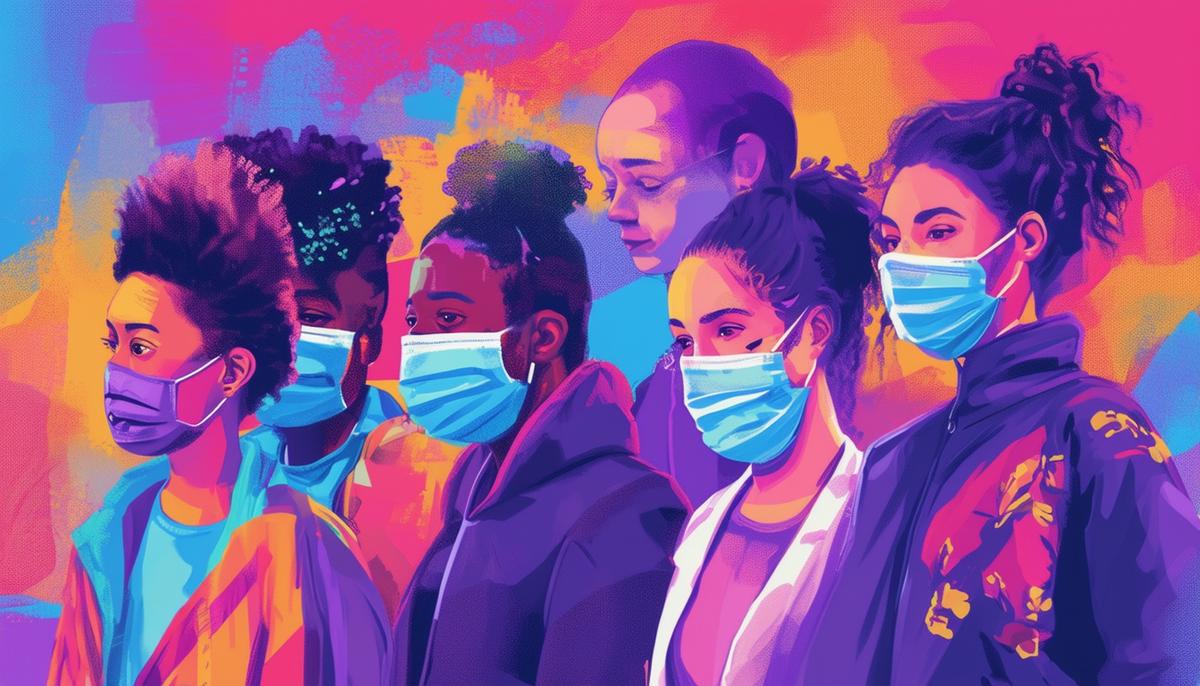
Intersectionality is crucial in understanding the multifaceted layers of discrimination that LGBTQ+ individuals face. This concept, coined by Kimberlé Crenshaw, refers to the interconnected nature of social categorizations such as race, class, and gender, which create distinct modes of disadvantage.
For LGBTQ+ individuals, these overlapping identities can compound discrimination and barriers. A Black transgender woman living in a low-income neighborhood, for instance, could face racial discrimination, transphobia, and economic hardship simultaneously. Each layer of her identity creates a unique matrix of challenges that amplify her vulnerability.
Economic inequality further amplifies these issues. LGBTQ+ individuals from underprivileged backgrounds often lack access to quality education and stable employment. A 2020 survey revealed that almost 50% of Black LGBTQ+ people in the U.S. lived in poverty, highlighting the intersectionality of race and economic disparity.
Disability adds another layer of complexity. LGBTQ+ individuals with disabilities face discrimination both within broader society and within LGBTQ+ communities. They might encounter inaccessible healthcare facilities or social spaces, exacerbating feelings of isolation.
The healthcare system often underscores these intersecting discriminations. A transgender person of color might face:
- Racial profiling
- Transphobia
- Skepticism from medical professionals
This medical bias can result in inadequate mental health support, delayed treatments, or misdiagnosis.
The criminal justice system perpetuates these intersecting biases. LGBTQ+ people of color are disproportionately stopped, searched, and incarcerated compared to their white counterparts. A 2017 survey found that nearly 40% of Black transgender people had been incarcerated at some point in their lives.
Addressing intersectionality in the fight for LGBTQ+ rights requires considering how multiple forms of oppression interact and exacerbate each other. It calls for a nuanced approach in activism, advocacy, and policy-making that centers the most marginalized voices within the community. By doing so, we can build a more inclusive and equitable future for all, ensuring that no one is left behind in the push for comprehensive equality.
Legislative Efforts and Policy Recommendations
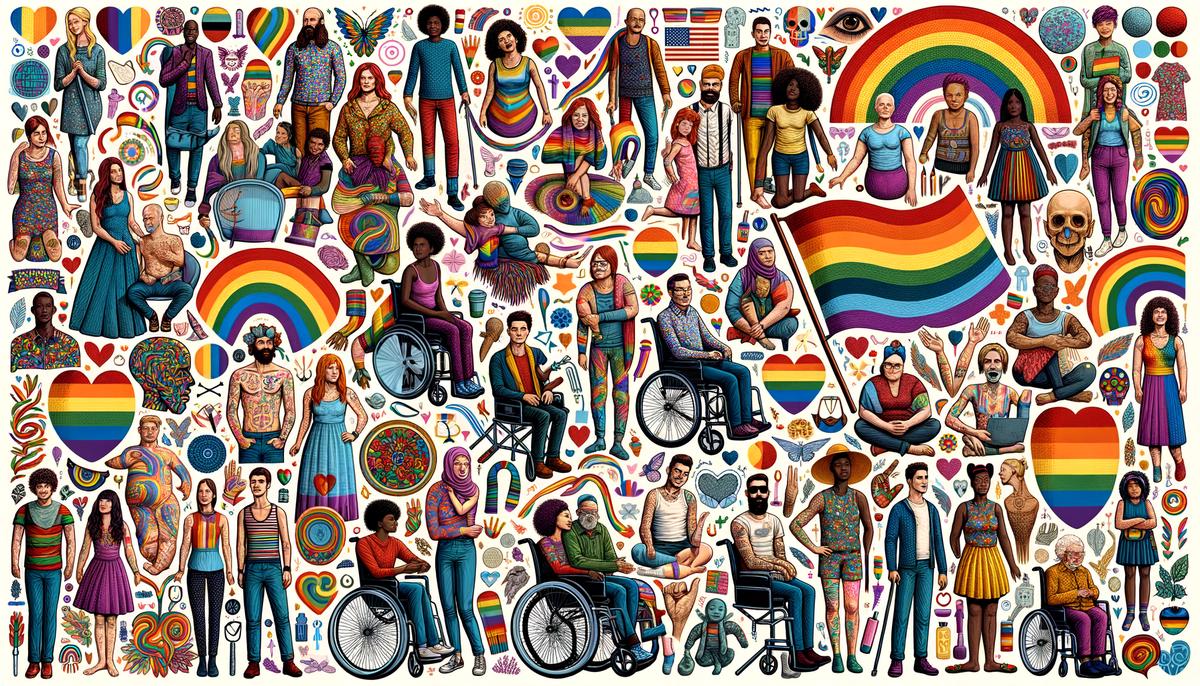
The Equality Act in the United States and the LGBTIQ+ equality plan in the European Union represent significant milestones in the ongoing fight for LGBTQ+ rights. These comprehensive legislative actions aim to provide protections and foster an environment of acceptance and equality.
The Equality Act, reintroduced in the 118th Congress in June 2023, seeks to ensure consistent non-discrimination protections for LGBTQ+ people across key areas of life:
- Employment
- Housing
- Credit
- Education
- Public spaces
- Federally funded programs
- Jury service
By amending existing civil rights laws and adding sexual orientation and gender identity as protected characteristics, the Act aims to offer comprehensive protection against discrimination.
The LGBTIQ+ equality plan launched by the European Union in 2019 encompasses a range of initiatives:
- Combating hate speech and hate crimes
- Promoting inclusive education
- Improving healthcare access
- Revising employment and housing policies
It strives to address the discrimination, harassment, and violence faced by LGBTIQ+ individuals and create a consistent legal framework across EU Member States.
To further uplift LGBTQ+ individuals, policymakers should consider these strategic recommendations:
- Implement Comprehensive Anti-Discrimination Laws: Explicitly prohibit discrimination based on sexual orientation and gender identity in all areas of life, with enforcement mechanisms to ensure compliance.
- Support Inclusive Educational Programs: Develop and fund initiatives that promote understanding and acceptance of LGBTQ+ identities, including anti-bullying campaigns.
- Ensure Access to Gender-Affirming Healthcare: Guarantee access to gender-affirming treatments and services without discrimination, and train healthcare providers to address LGBTQ+ health needs competently.
- Simplify Legal Gender Recognition: Adopt swift, transparent processes for legal gender recognition based on self-determination.
- Promote Economic Opportunities: Prioritize initiatives to improve economic stability for LGBTQ+ individuals, including funding for LGBTQ+-owned businesses and workplace protections.
- Combat Housing Discrimination: Strengthen policies preventing housing discrimination and support initiatives for homeless LGBTQ+ youth and elders.
- Support Asylum and Refugee Services: Provide safe harbor and specialized support services for LGBTQ+ individuals fleeing persecution.
- Amplify LGBTQ+ Voices: Ensure LGBTQ+ representation in policy-making processes and consult advocacy organizations.
- Strengthen Hate Crime Legislation: Address hate crimes against LGBTQ+ individuals through stronger legal penalties and thorough data collection.
Incorporating these recommendations into legislative and policy frameworks will enhance the legal standing of LGBTQ+ individuals and create a more equitable society. By pushing for comprehensive, inclusive legislation and policies, we take tangible steps towards a future where equality is not just a promise but a reality.
The fight for LGBTQ+ rights continues, but every step forward brings us closer to a world where everyone can live freely and with dignity. By addressing the intersecting layers of discrimination and pushing for comprehensive legislative protections, we can pave the way for a more just society. The journey is challenging, but the pursuit of equality remains essential for a better future.