Impact of Climate Change on Disadvantaged Communities
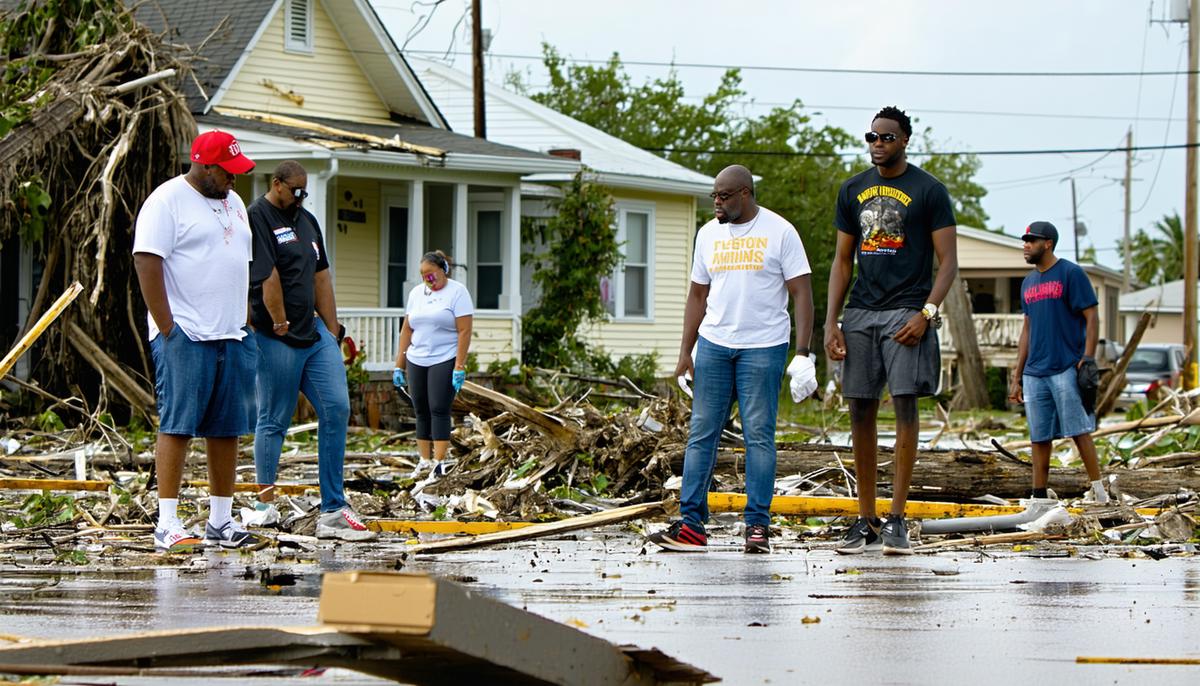
Black communities, especially in the southern United States, face disproportionate consequences from climate change. Located in hurricane-prone areas, they confront challenges from heat, hurricanes, and floods. Half of Black Americans live in areas vulnerable to natural disasters. This vulnerability has roots in historical injustices, including housing disparities and lack of access to robust infrastructure.
Climate change's impact on these communities extends beyond physical damage, affecting:
- Livelihoods
- Health
- Economic stability
Solutions must address both immediate threats and underlying structural inequities.
Historically Black colleges and universities (HBCUs) play a crucial role in climate action and environmental justice. Despite being underfunded, about 85% have implemented green initiatives, with over 40% prioritizing climate efforts. These institutions are nurturing future leaders ready to tackle sustainability challenges and uplift entire communities.
HBCUs face financial constraints but actively seek partnerships with nonprofits, government entities, and private sectors to drive their initiatives forward. Their efforts highlight the intersection of environmental and social justice, emphasizing the need for voices from frontline communities in addressing the climate crisis.
Role of HBCUs in Climate Justice
Historically Black Colleges and Universities (HBCUs) are uniquely positioned to address climate justice due to their legacy of activism and deep ties to communities affected by environmental and racial inequities. Their foundation in social equity aligns naturally with climate justice principles.
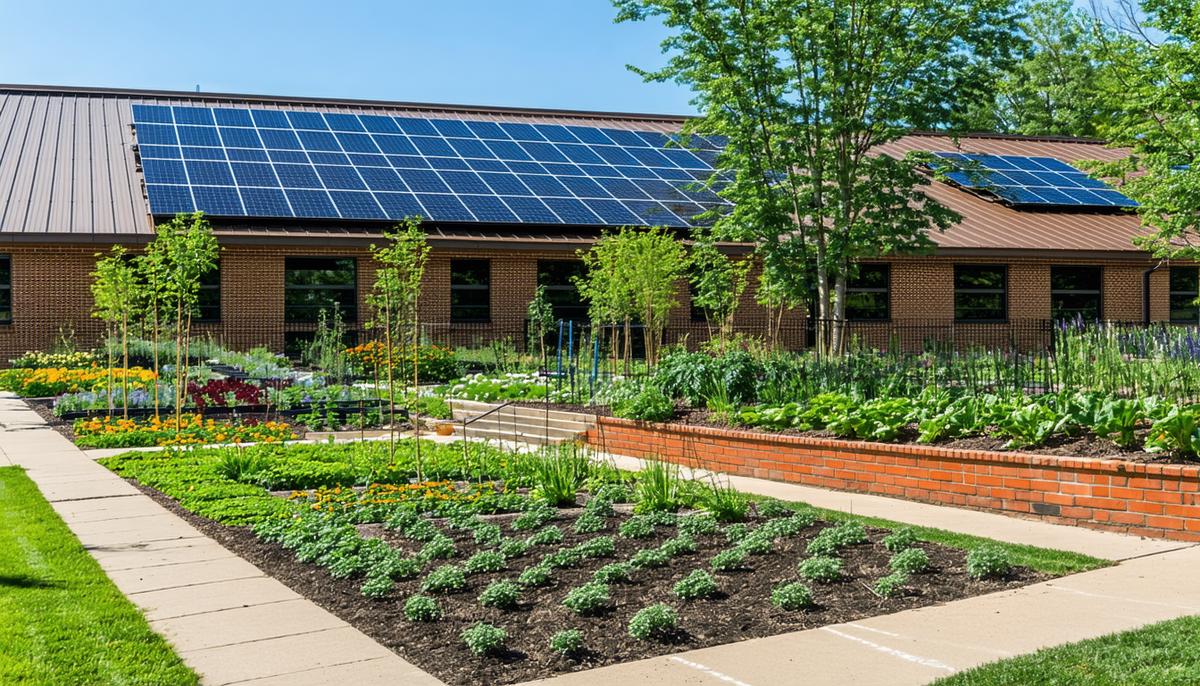
Today, 85% of HBCUs run green programs, ranging from:
- Curriculum integration
- Solar panel installations
- Community gardens
Nearly half of these schools view climate and sustainability initiatives as critical priorities.
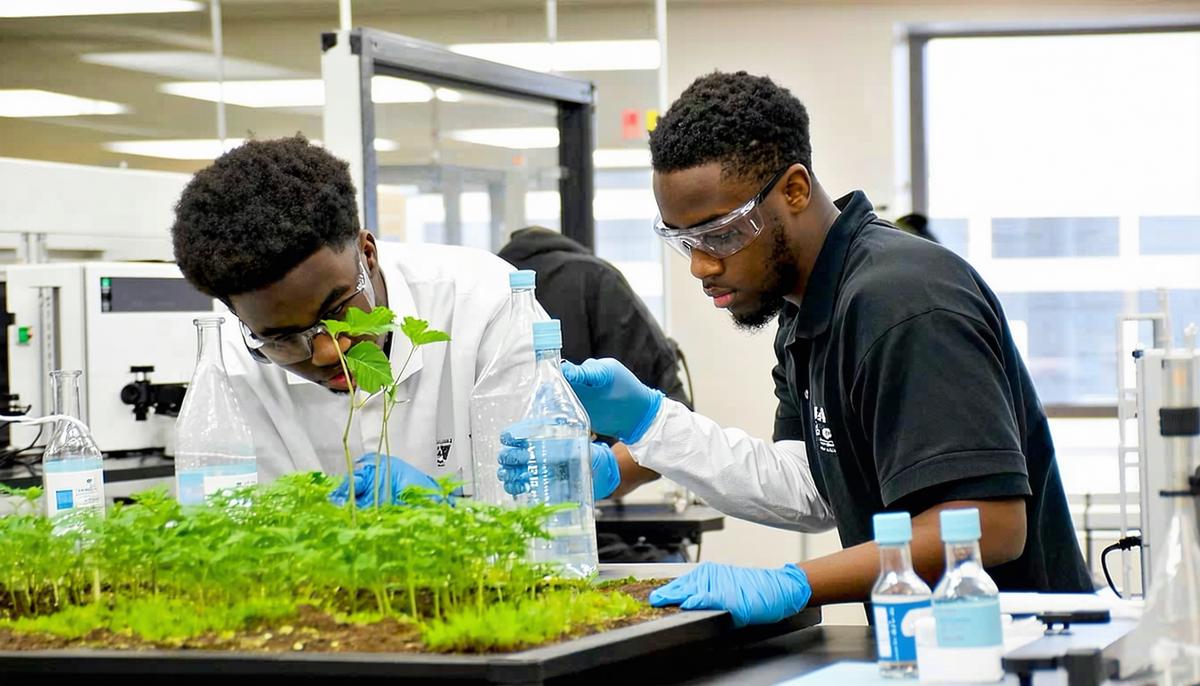
HBCUs extend their impact beyond campus, fostering future leaders equipped to confront systemic environmental injustices. They offer degrees and certifications in sustainability-focused fields, preparing students to enter the workforce as changemakers.
Funding remains a persistent obstacle, potentially limiting access to cutting-edge research and technologies. However, HBCUs actively pursue partnerships and collaborations to drive impactful change despite financial limitations.
HBCU leadership, particularly presidents, wield substantial influence within Black communities. This prominence offers a platform to amplify climate and sustainability agendas, ensuring that those most affected by climate change have a voice in shaping solutions.
Through education, advocacy, and community empowerment, HBCUs illuminate a path toward sustainable, justice-oriented futures.
Understanding Climate Justice
Climate justice is rooted in anticolonial and environmental justice movements, recognizing how environmental and social injustices often align, disproportionately impacting marginalized communities. It draws from the struggles of Indigenous communities in the global south and the U.S. environmental justice movement.
Climate justice stands on three pillars:
- Distributional justice: Addressing how climate vulnerability spreads unevenly across different social groups.
- Procedural justice: Ensuring communities most affected by climate change have a say in decisions and policies that shape their futures.
- Recognitional justice: Acknowledging the rights and interests of marginalized groups in climate change-related policymaking.
Public understanding of climate justice varies. While people might grasp the inequality between affluent and less affluent nations in bearing climate change's impacts, fewer link climate action with broader racial and class inequalities.
"Climate justice offers a framework for identifying and tackling myriad ways the climate crisis aligns with long-standing and interconnected patterns of social injustice."
Perception of climate justice influences policy support and climate action engagement. People who value justice and fairness are more likely to endorse pro-environmental policies. Education plays a pivotal role in fostering climate justice understanding and support.
For HBCUs, this presents an opportunity to cultivate leaders who can bridge understanding gaps, inspire action, and drive policies that address both climate and social injustices.
Challenges and Opportunities in Climate Justice Advocacy
HBCUs face significant challenges in advancing climate justice, primarily due to persistent underfunding. This financial constraint limits their capacity to innovate and implement sustainability initiatives, restricting access to advanced technologies and research opportunities.
Despite these challenges, HBCUs demonstrate remarkable tenacity and creativity by:
- Forming strategic partnerships with governmental bodies, nonprofits, and private sector allies.
- Focusing on fundraising efforts specifically for climate and sustainability projects.
- Engaging passionate alumni and investors committed to social justice.
- Integrating sustainability and social justice into their curricula.
HBCUs serve as living laboratories where students can engage with environmental and social justice issues firsthand. By nurturing leaders equipped to confront these challenges, these colleges extend their impact beyond the classroom and into the wider community.
Through perseverance, innovation, and strategic resourcefulness, HBCUs continue to forge pathways toward climate justice, benefiting both current students and future generations.
Linking Climate Justice to Policy and Action
Connecting climate justice beliefs to tangible policy and action requires examining the interplay between public opinion, education, and political orientation. Understanding and belief in climate justice don't automatically translate into action, but education can bridge this gap.
There's a strong correlation between being well-informed about climate justice and actively participating in climate advocacy. HBCUs play a crucial role in shaping leaders who champion environmental equity.
Political orientation influences engagement with climate justice ideas. Progressive individuals might align more naturally with justice-oriented environmental policies, while right-leaning individuals may show reduced endorsement of climate justice principles. Bridging this ideological divide is crucial for fostering widespread policy support.
Public opinion, shaped by education and political leanings, significantly influences climate policy. When citizens are both aware and empathetic to those most affected by climate change, support for equitable climate policies increases. This shift in public consciousness can spur policymakers to prioritize justice-oriented frameworks.
Climate justice beliefs find their power in collective action, fueling policies that prioritize equity and ensure that climate mitigation and adaptation strategies benefit marginalized communities. As societal awareness of climate justice grows, the combination of belief, education, and action becomes a powerful catalyst for policy change.
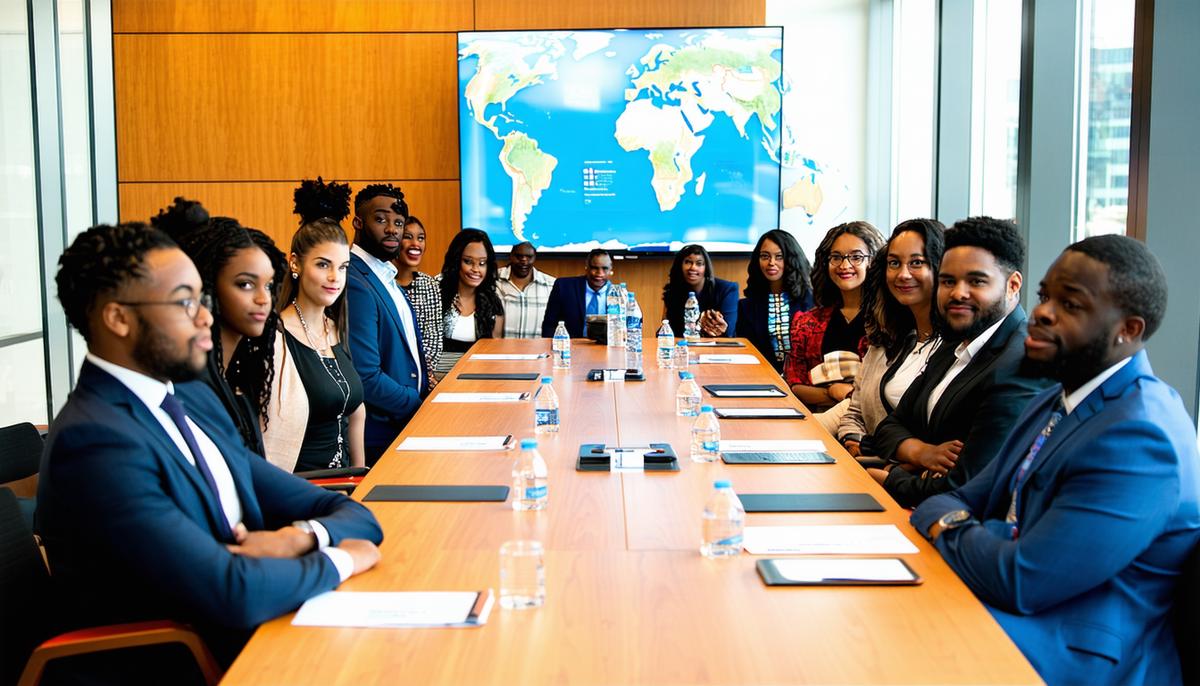
In the intricate weave of climate justice, one truth stands clear: the path to a fair and sustainable future demands that we address both environmental and social inequities. As we strive for progress, the voices of those most affected must be amplified, ensuring that justice is woven into every solution.
- United Negro College Fund. The Role of HBCUs in Climate Justice and Environmental Resilience. 2023.
- McKinsey Institute for Black Economic Mobility. Climate Risks and Black Communities. 2023.
- Framing Climate Justice Project. Public Understanding of Climate Justice in the United Kingdom. 2022.