Historical Roots of Environmental Racism
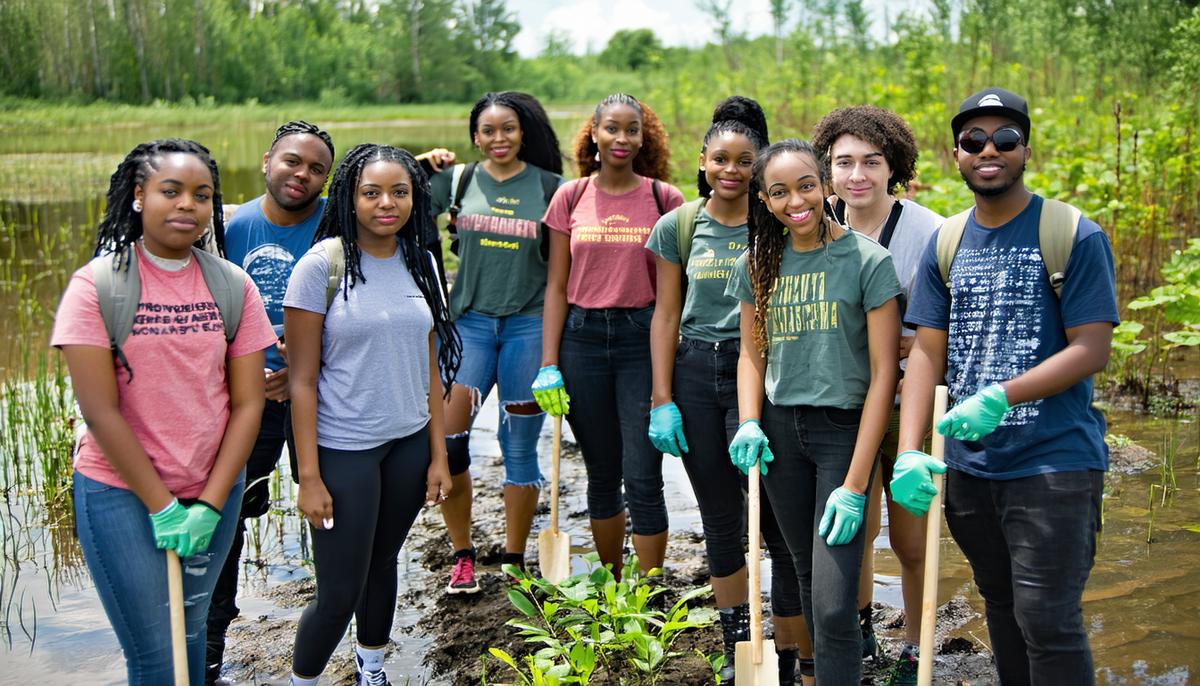
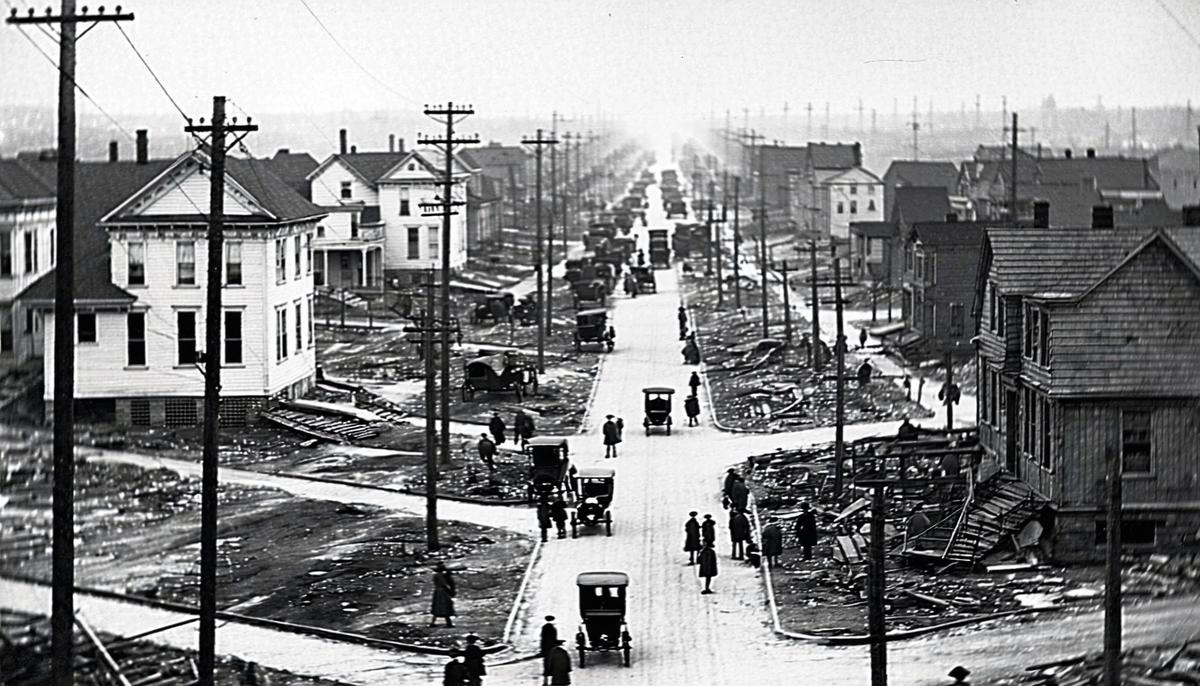
Discrimination seeped into the bedrock of America, laying the foundation for systemic environmental injustices. During the Progressive Era, Black communities often found themselves on the outskirts of modernizing cities. In Mobile, Alabama, while white neighborhoods received electricity, sanitation, and clean water systems, Black districts remained neglected.
Africatown, born from the tragic voyage of the Clotilda, faced significant environmental challenges. The city placed two large paper factories near the community, spewing toxic fumes. Residents' complaints about ash blanketing their yards were largely ignored. This pattern of neglect played out in cities across the South, where Jim Crow laws influenced zoning decisions.
The suppression of Black voting rights and gerrymandering made it nearly impossible for these communities to oppose decisions that led to pollution and poverty. From the 1890s, Southern cities rigorously enforced segregation, ensuring "improvements" like sewers and paved roads rarely reached Black neighborhoods.
These decisions catalyzed a cycle of health issues and economic hardship throughout the 20th century. Before Cudjo Lewis, a Clotilda survivor, shared his experiences with anthropologist Zora Neale Hurston, he witnessed his family succumb to various diseases while the city avoided addressing the underlying causes.
Environmental racism has deep roots intertwined with racial oppression dating back to the Progressive Era. As modern America developed, communities like Africatown were left to struggle in what was supposed to be a land of opportunity.
Case Study: Africatown and the Clotilda
Africatown, established by survivors of the Clotilda – the last known ship to bring enslaved Africans to America in 1860 – stands as a testament to resilience amidst adversity. Despite turning forsaken land into a vibrant community, Africatown faced relentless environmental challenges from its inception.
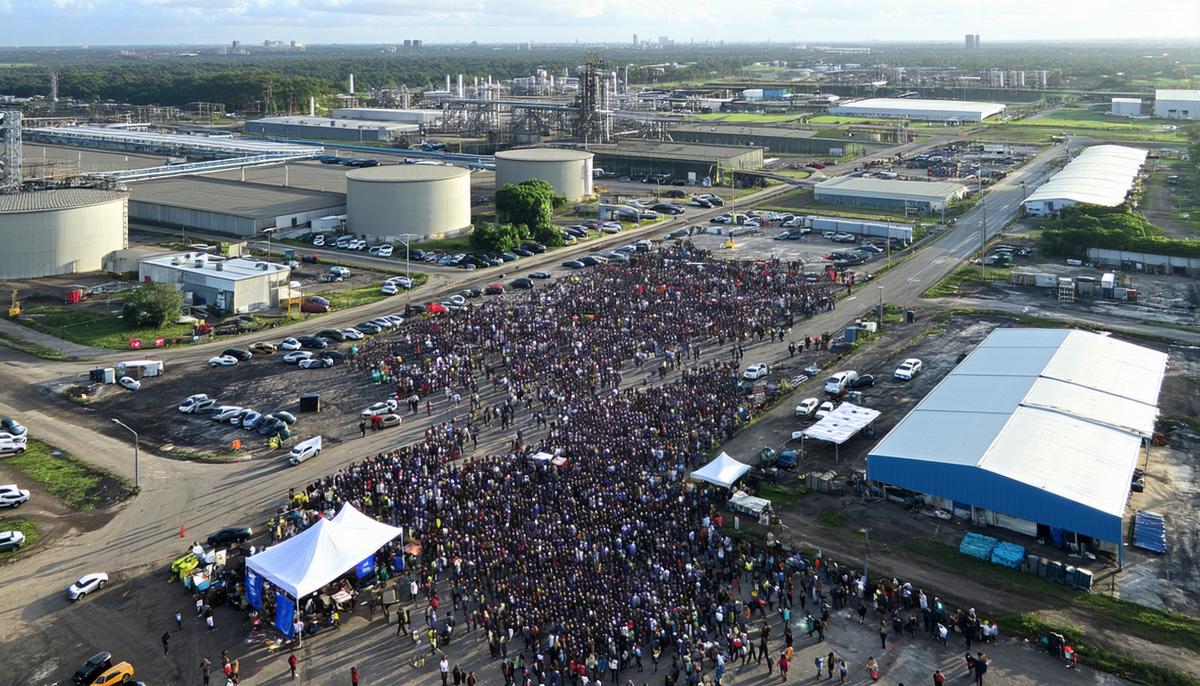
By the mid-20th century, the neighborhood was surrounded by factories emitting pollutants, with two large paper mills significantly impacting air quality. The long-term exposure raised concerns about various health issues, including:
- Respiratory problems
- Suspected cancer clusters
- Other chronic diseases
Despite these challenges, Africatown's residents, bound by their shared heritage, fought for their right to a healthy environment. Activists amplified the community's concerns, striving to transform Africatown into a hub of heritage tourism while confronting its present environmental grievances.
"Africatown's struggle reflects broader patterns of environmental racism in America, where communities of color have often been relegated to areas facing disproportionate environmental burdens."
The situation highlights the need for policies that address historical injustices and ensure equitable environmental protection. Through persisting advocacy and renewed national attention, Africatown continues to fight for environmental justice, serving as both a testament to endurance and a call for systemic change.
Modern Environmental Justice Movements
The modern environmental justice movement has built upon struggles like Africatown's, advocating for communities burdened by industrial pollution and legislative neglect. Scholars like Robert Bullard, often called the "father of environmental justice," revealed that race, more than economic status, was the most consistent predictor of proximity to hazardous sites.
Key moments in the movement's history include:
- 1982 protests against a PCB landfill in Warren County, North Carolina
- 1991 People of Color Environmental Leadership Summit
- President Bill Clinton's 1994 Executive Order on environmental justice
Recent initiatives like the Green New Deal attempt to address climate change and systemic injustice simultaneously. Youth-led coalitions such as the Sunrise Movement demonstrate a determination to dismantle structures perpetuating both environmental harm and inequality.
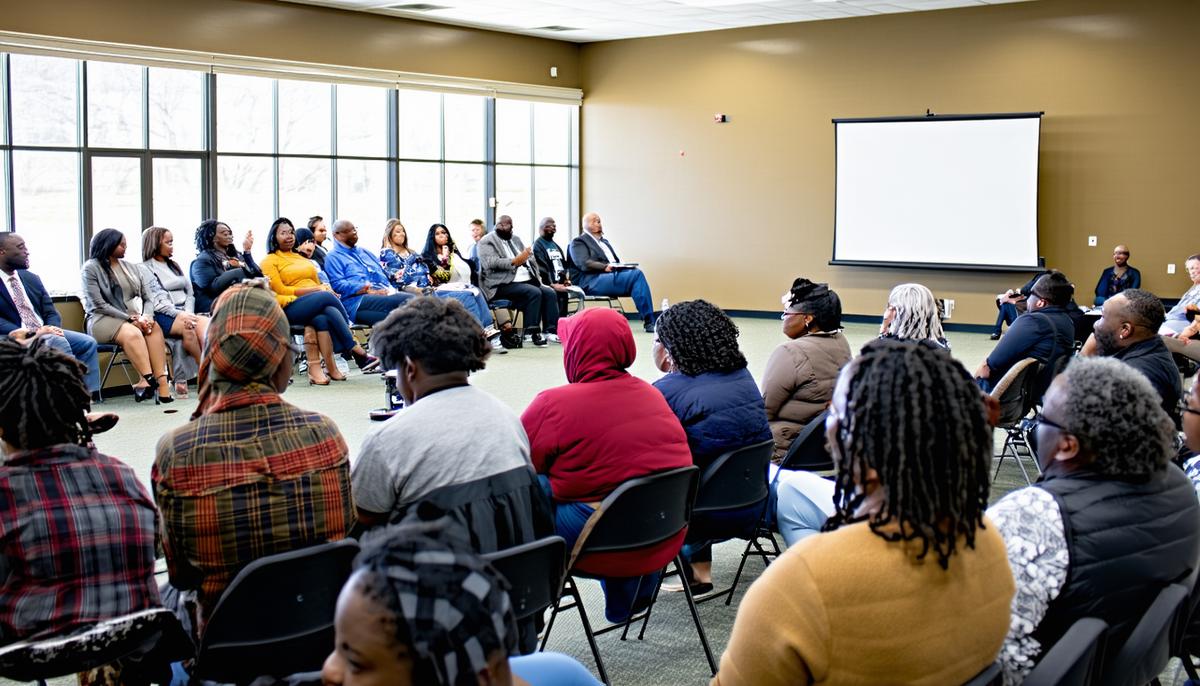
Coalition-building has become crucial, with diverse groups uniting under a shared mission to end environmental racism. This convergence underscores the importance of inclusive dialogue and collective strength.
Despite progress, the path forward remains challenging. The modern environmental justice movement continues to evolve, calling for systemic change with a clear and united voice. It advocates for a future where environmental justice is not an aspiration but a reality for all communities.
Policy and Legal Frameworks
Policy development and legal frameworks addressing environmental racism have made progress, but challenges remain. The Biden administration's Justice40 Initiative, committing 40 percent of certain federal climate and clean energy investments to disadvantaged communities, marks a significant shift towards addressing environmental inequities.
Key policy advancements include:
- Establishment of the Office of Environmental Justice within the EPA
- Community benefit agreements
- Localized monitoring programs
Legally, while foundational environmental laws like the Clean Air Act and Clean Water Act are crucial, they lack explicit protections against environmental discrimination. Advocates argue for amendments that directly address environmental racism within these laws.
The evolving landscape of policy and legal frameworks in environmental justice requires not just administrative initiatives but also improved enforcement mechanisms. Achieving environmental justice demands an unwavering focus on iterative improvements, emphasizing adaptability, continuous engagement, and resilience as the nation strives to address systemic inequities.
The Role of Climate Change in Environmental Racism
Climate change exacerbates environmental racism, deepening inequalities that have long affected marginalized communities. The combination of rising global temperatures, unpredictable weather patterns, and systemic racial injustices creates a dual burden that these communities often struggle to handle.
In many U.S. cities, African American, Latinx, and Indigenous populations occupy urban areas disproportionately exposed to climate change hazards. From intense heat waves that worsen urban heat islands to increased flooding from extreme precipitation, these climate-induced events amplify the vulnerabilities of communities already burdened by economic and environmental disparities. The historical placement of these communities in flood-prone areas or regions lacking green spaces increases their exposure, highlighting the impact of systemic planning decisions.
Hurricane Katrina's destructive effects on New Orleans' predominantly Black neighborhoods exposed the precariousness of a system that protects some, but not others. Whether it's hurricanes across the Gulf Coast, wildfires in the West, or record-breaking heat in the Southwest, the pattern is consistent—climate impacts fall hardest on those least able to adapt or recover.
The intersection of climate change and environmental racism requires that climate policy evolves from a narrow focus on carbon reductions to a comprehensive approach embracing environmental justice. Policies must ensure that as the world transitions to sustainable energy and resilient infrastructures, the benefits reach those who have historically borne the brunt of industrial pollution and neglect.
Incorporating environmental justice into climate policy means:
- Elevating the voices and needs of those most affected by climate disparities in decision-making
- Creating equitable policies—such as developing community-based adaptive strategies
- Ensuring that funding for resilience projects prioritizes the most vulnerable areas
Programs like the Biden administration's Justice40 Initiative, which aims to direct a significant portion of climate and clean energy investments into disadvantaged communities, represent progress. However, success requires thorough, ongoing evaluation to ensure these funds address the right issues and reach the most impacted communities.
The path to climate resilience must include dismantling the systemic barriers that fuel environmental racism. This includes:
- Revising discriminatory zoning laws
- Investing in climate education
- Ensuring equitable access to decision-making processes
The aim is to transform the structures that determine who faces the greatest risks, working towards a future where every community can anticipate a sustainable and just existence.

Environmental racism is deeply rooted in systemic injustices, intertwining historical oppression with modern challenges. Africatown stands as a testament to resilience, echoing the need for justice and equity. As we address these issues, the path forward requires acknowledging past wrongs and striving for a future where every community can thrive without the burdens of environmental and racial inequities.
"The system that created inequality in terms of pollution choking our neighborhoods is the same system that's choking Black people and brown people when it comes to policing."
– Robert Bullard, Scholar of Urban Planning and Environmental Policy
Climate change is only going to make the challenges for people of color worse. Consider these examples:
- Hurricane Katrina displaced New Orleans' Black community, offering a glimpse of future superstorms
- Latinx agricultural workers are more likely to suffer in the stifling heat of farms
- Urban communities can be 22°F warmer than nearby less developed areas
- Research has linked higher temperatures to increased crime and police brutality
These realities may explain why surveys have shown people of color to be more concerned about climate change than their white counterparts. This understanding has come slowly, but the increased attention to systemic racism and the urgency of climate change has made for a unique opportunity: address centuries of racism while saving the world from a global warming catastrophe. Indeed, tackling the two together may be a political necessity.
The Biden administration has taken significant steps to address environmental justice, including:
- Signing an executive order directing every federal agency to work toward "environmental justice for all"
- Establishing a new Office of Environmental Justice
- Launching the Justice40 Initiative to deliver at least 40 percent of climate and clean energy investment benefits to disadvantaged communities
- Creating a comprehensive Ocean Justice Strategy
- Passing legislation providing billions in new funding for clean air and water, healthy communities, and other environmental justice priorities
As the United States charts a new course of climate action, it's clear that addressing environmental racism is not just a moral imperative—it's a crucial component of effective climate policy. By centering the needs of marginalized communities, we can build a more equitable and sustainable future for all.