
Impact on Marginalized Communities
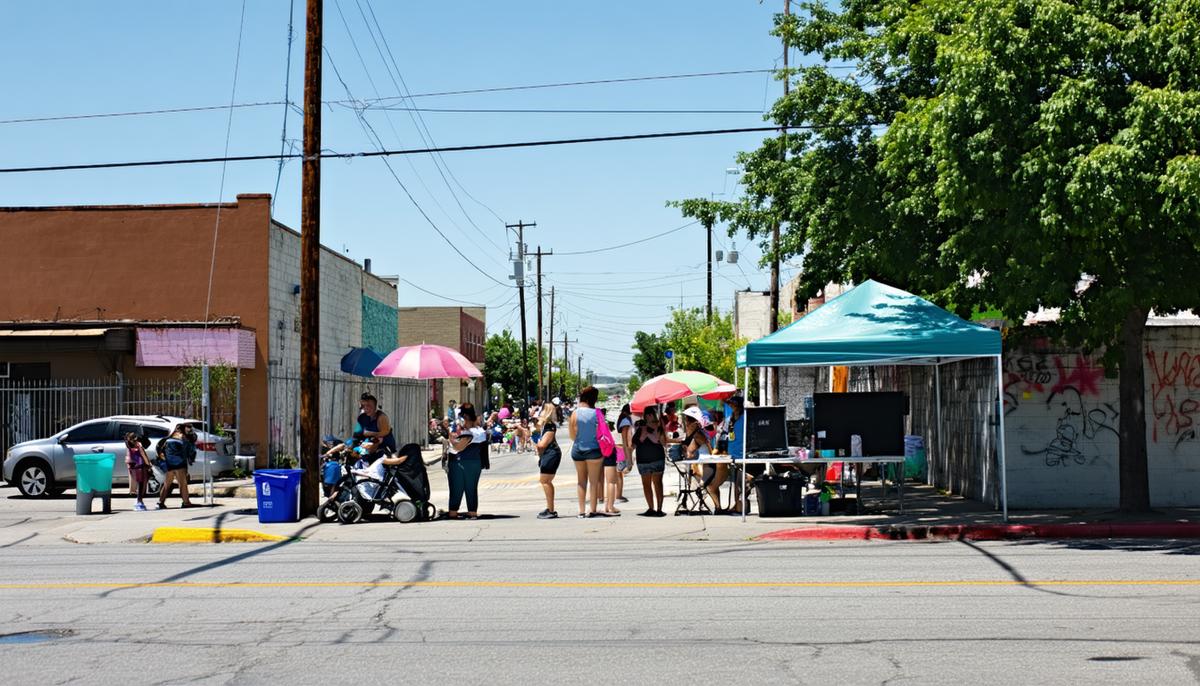
Climate change disproportionately affects marginalized communities, including Indigenous peoples, low-income neighborhoods, and people of color. These groups often bear the brunt of environmental degradation despite contributing least to the problem.
Indigenous communities face the loss of ancestral lands due to rising sea levels, threatening not only their homes but also their cultural heritage. In urban areas, poorer neighborhoods frequently lack adequate infrastructure to cope with extreme heat and other climate-related challenges.
Health disparities are exacerbated by pollution, which tends to concentrate in communities of color. Children in these areas often grow up with higher rates of respiratory issues like asthma.
Natural disasters such as hurricanes hit low-income families particularly hard, as they often lack the resources to recover quickly. Without adequate insurance or savings, these families can be pushed deeper into poverty.
Climate change disrupts daily life in vulnerable communities, affecting everything from education to basic necessities like food and shelter. While these communities demonstrate remarkable resilience, they need policy support that recognizes their unique challenges.
Addressing climate change requires a focus on social justice, with equitable solutions that prioritize those on the frontlines of this crisis.
Media's Role in Climate Justice
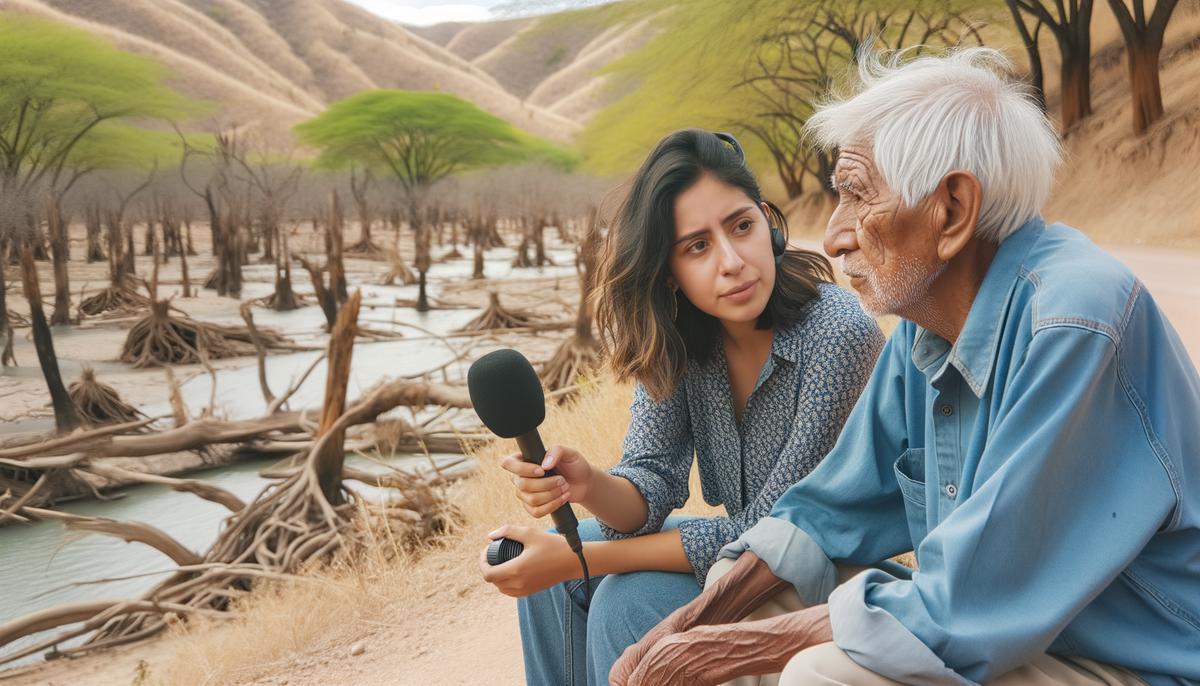
The media plays a crucial role in shaping public discourse on climate justice. Its responsibility extends beyond reporting facts to amplifying the voices of those most affected by climate change.
Too often, frontline communities are portrayed solely as victims, overlooking their resilience and innovative solutions. The media has the power to change this narrative by highlighting stories of empowerment and local leadership.
Consider the Pacific Island nations threatened by rising sea levels. While their plight deserves attention, so do their efforts towards sustainability and cultural preservation. By showcasing these initiatives, media can inspire global action and support.
Indigenous knowledge and leadership in climate action are frequently underrepresented in mainstream coverage. Bringing these perspectives to the forefront can enrich the global dialogue and lead to more comprehensive solutions.
The media's choices in coverage can either perpetuate or challenge existing power imbalances. By diversifying sources and storytellers, it can provide a more nuanced understanding of climate justice issues.
Effective climate journalism goes beyond sensationalism, offering hope and actionable insights. Stories of communities developing flood-resistant housing or implementing renewable energy projects can motivate viewers and readers to engage with climate issues more deeply.
As consumers and creators of media, we have the power to demand and craft coverage that honors the complexity of climate justice, centering the experiences and leadership of those on the frontlines.
Climate Refugees and Displacement
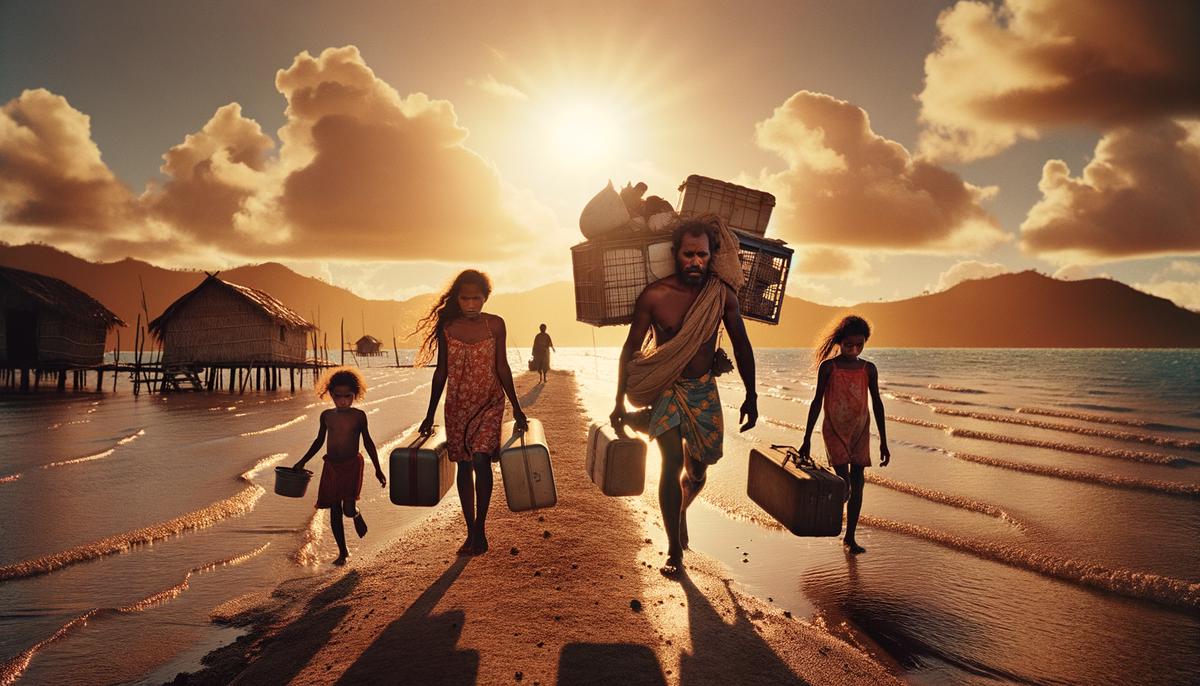
Climate change is creating a new category of displaced people: climate refugees. These individuals are forced to leave their homes due to environmental changes that make their living conditions untenable.
Coastal communities in nations like the Maldives and Tuvalu face existential threats from rising sea levels. The decision to relocate isn't just about moving physically; it involves leaving behind ancestral lands and cultural heritage.
Climate refugees face unique legal challenges. Unlike those fleeing war or persecution, they lack formal recognition under international law. This legal limbo complicates their ability to seek asylum or resettlement.
Economic impacts compound the difficulties of displacement. Many climate refugees come from communities dependent on agriculture or fishing, industries directly affected by environmental changes. Relocation often means a loss of livelihood and economic stability.
The social costs of climate-induced displacement are significant. Communities are fragmented, and cultural practices tied to specific locations are disrupted. In new locations, climate refugees may face discrimination and struggle to integrate.
Addressing the needs of climate refugees requires innovative policy solutions. These should include rapid-response legal frameworks and sustainable economic support systems that recognize the complex interplay of environmental and human factors.
The issue of climate refugees is not isolated to affected regions; it has global implications. As more areas become uninhabitable, the movement of people will strain resources and test international relations.
Our response to climate refugees will be a measure of our global commitment to human rights and environmental justice. It calls for empathy, forward-thinking policies, and a recognition that climate change impacts us all, albeit unequally.
Indigenous Knowledge and Climate Action
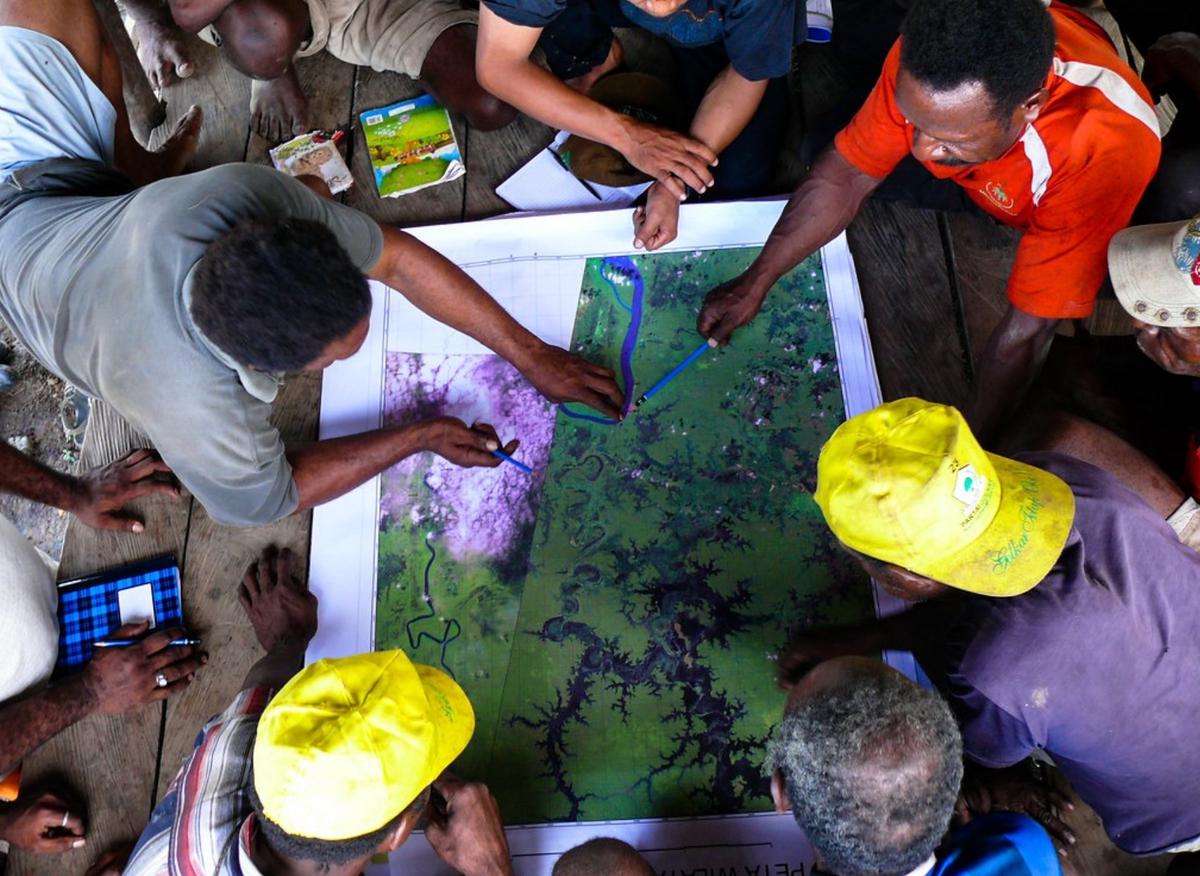
Indigenous knowledge offers valuable insights for addressing climate change, drawing on centuries of sustainable practices and deep connections to the land. These time-tested approaches to environmental stewardship provide crucial lessons for modern climate action.
Many Indigenous cultures view the earth as a living entity, fostering a relationship of respect and balance. This perspective encourages a more holistic approach to environmental management.
- Traditional practices like controlled burning demonstrate sophisticated understanding of ecological systems
- These techniques, refined over generations, offer effective solutions for forest management and wildfire prevention
- Indigenous communities have developed innovative methods for water conservation and biodiversity preservation
- Their land-use practices often prioritize long-term sustainability over short-term gains
However, these knowledge systems are under threat as development encroaches on Indigenous territories. Preserving this wisdom is crucial for comprehensive climate action.
Indigenous leadership in climate initiatives is dynamic and forward-thinking. Many communities are combining traditional knowledge with modern technology to create innovative solutions.
Empowering Indigenous voices in climate policy and decision-making is essential. This involves protecting Indigenous lands, recognizing their rights, and supporting their leadership in environmental governance.
Incorporating Indigenous knowledge into climate strategies represents more than preserving heritage; it offers a pathway to a more sustainable and balanced relationship with our planet. This collaborative approach promises a future where human activities align more harmoniously with natural systems.
Global Policy and Climate Justice
International policies and agreements play a crucial role in addressing climate change and promoting climate justice. The UN Sustainable Development Goals (SDGs) provide a framework that integrates environmental sustainability with social equity.
Global agreements like the Paris Agreement set important targets for reducing greenhouse gas emissions. However, achieving these goals requires more than technical solutions; it demands a justice-centered approach that prioritizes adaptation and resilience for vulnerable communities.
The principle of "common but differentiated responsibilities" recognizes that while climate change is a global issue, countries have varying levels of responsibility and capability to address it. This concept should guide resource allocation and support for developing nations.
Effective climate policies must bridge the gap between developed and developing countries. Historical emissions from industrialized nations create an ethical imperative to support less developed countries in their climate adaptation and mitigation efforts.
Implementation is key to the success of international climate agreements. Policies must evolve from diplomatic rhetoric into actionable plans that engage grassroots movements and elevate local leadership.
Climate justice requires a shift in perspective, viewing policy development as a collaborative process that incorporates the lived experiences and insights of affected communities.
The global nature of climate change demands a united response that transcends borders. It calls for solidarity among nations, recognizing that addressing climate justice is integral to creating a sustainable and equitable future for all.
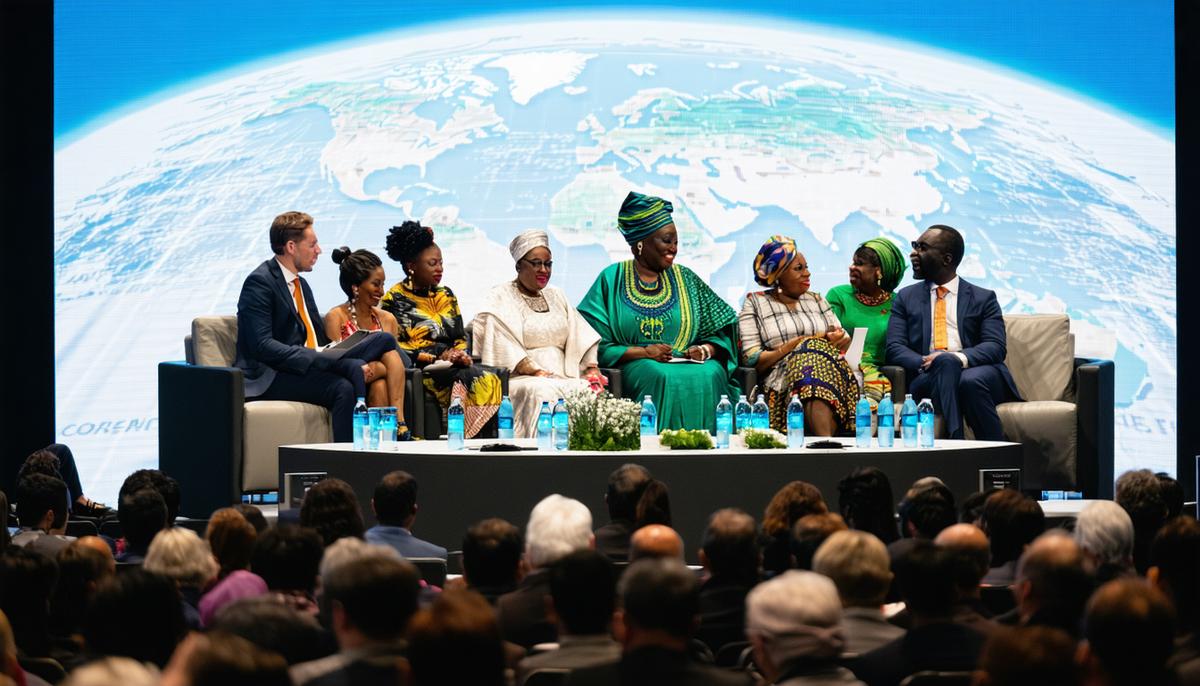
As the climate crisis intensifies, the call for justice and equality becomes ever more urgent. Addressing climate change isn't just about environmental policies; it's about recognizing and rectifying the social injustices that have long been ignored. This journey demands a collective effort, embracing empathy and accountability to forge a path where justice is not an afterthought but a guiding principle.
- Intergovernmental Panel on Climate Change. Climate Change 2022: Impacts, Adaptation and Vulnerability. Cambridge University Press; 2022.
- United Nations Framework Convention on Climate Change. Paris Agreement. United Nations; 2015.
- World Meteorological Organization. State of the Global Climate 2021. WMO; 2022.
- Scannell L, Gifford R. Personally Relevant Climate Change: The Role of Place Attachment and Local Versus Global Message Framing in Engagement. Environment and Behavior. 2013;45(1):60-85.