
Historical Context of Exploitation
Colonialists once circled the globe, marking territories as theirs with imprecise maps and exploitative intentions. They sought wealth, particularly fossil fuels buried within vulnerable communities' lands. These resources were extracted without regard for the local populations.
In regions like Africa and Latin America, extraction was imposed rather than invited. Indigenous lands were treated as endless sources of resources. Corporations arrived under the guise of development, promising infrastructure and employment. However, the primary outcome was the funneling of wealth to distant corporate elites, while local communities were left with environmental degradation and minimal economic benefit.
The exploitation of resources was closely tied to colonialism. Native peoples found themselves subordinated on their own lands, overseen by corporate interests. This pattern of resource extraction and environmental damage has continued into recent times, as seen in places like Nigeria's Niger Delta, where oil spills devastate local ecosystems and livelihoods.
The climate justice movement has emerged to address these longstanding injustices, with activists and community leaders from exploited lands demanding accountability from polluting companies and fair treatment for affected communities.
Current Impact on Vulnerable Communities
The legacy of exploitation continues to affect vulnerable communities worldwide. Fossil fuel extraction and its consequences reverberate through the air, water, and soil of many regions.
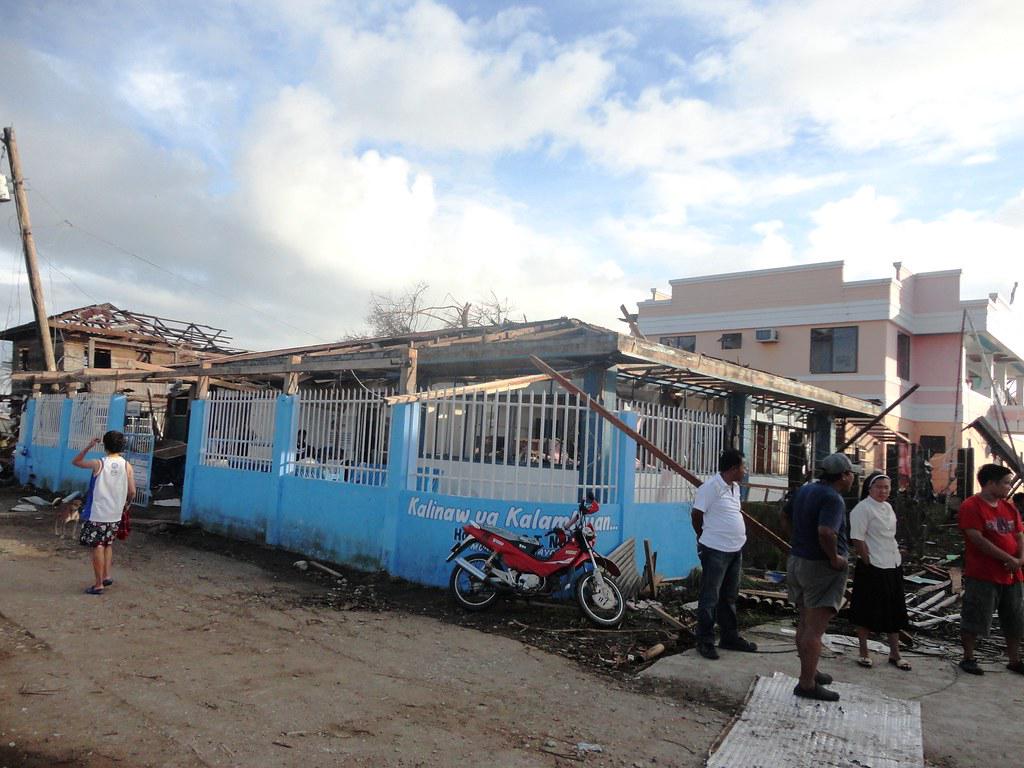
The Philippines exemplifies the disproportionate impact of climate change on vulnerable nations. Despite contributing minimally to global greenhouse emissions, the country faces frequent typhoons that cause significant economic damage and disrupt lives. These storms serve as stark reminders of the intersection between human activity and natural disasters.
The effects extend beyond economic turmoil to public health. Communities near extraction sites often experience higher rates of respiratory illnesses and waterborne diseases due to polluted air and water. Climate change, exacerbated by fossil fuel activities, compounds these health risks.
Rural areas face additional challenges as erratic weather patterns disrupt traditional agricultural practices. Farmers struggle with unpredictable crop yields, threatening both their livelihoods and food security. This volatility often forces communities to rely increasingly on external aid.
The psychological toll of living under constant threat of disaster adds another layer of hardship. Families already battling poverty face heightened anxiety and uncertainty about their future.
Despite global discussions on climate change, vulnerable communities often receive inadequate support. The disconnect between international pledges and local realities underscores the ongoing struggle for climate justice and equitable solutions.
Corporate Accountability and Climate Justice
Accountability from fossil fuel corporations is crucial in addressing climate injustice. Several mechanisms are emerging to challenge corporate negligence and promote climate justice:
- Climate litigation: Lawsuits against major oil companies like ExxonMobil, Chevron, and Royal Dutch Shell seek to establish legal precedents for corporate climate accountability.
- Divestment campaigns: Led by activists and financial institutions, these efforts aim to reduce fossil fuel companies' access to capital.
- Criminalizing "ecocide": This movement seeks to classify severe environmental destruction as an international crime.
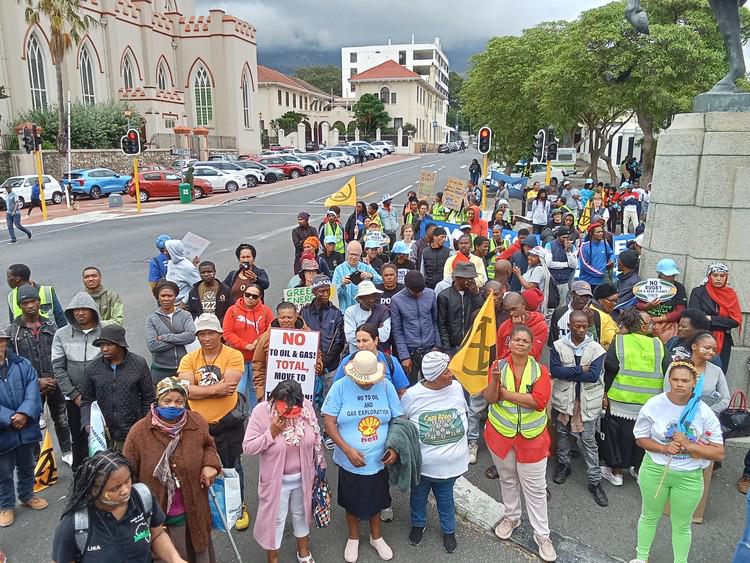
Civil society plays a crucial role in driving these accountability measures. Activists and advocacy groups act as watchdogs, pushing for reform and amplifying the voices of affected communities in international forums.
International negotiations, such as those under the Paris Agreement, provide a platform for nations to hold each other accountable. Countries from the Global South, which bear the brunt of climate impacts, continue to advocate for compensation and substantial climate finance from wealthier nations.
While progress faces obstacles such as political resistance and entrenched economic interests, the global perspective on climate justice is evolving. These efforts aim to create a future where corporate responsibility for environmental and social impacts is a fundamental aspect of business practices.
Loss and Damage Fund Debate
The loss and damage fund has emerged as a critical point in climate justice discussions. This initiative aims to provide financial support to climate-vulnerable countries facing severe impacts despite minimal contributions to greenhouse gas emissions.
For nations like the Philippines, where climate-related disasters cause significant economic damage, the fund represents potential relief from the ongoing cycle of recovery and rebuilding.
"The [climate change] discussion is very carbon-centred. It is all about figures, percentages or data, but it does not really address fundamental issues such as the displacement of people that is happening every day … We should move away from the percentage base approach to a more human value." – Ritwick Dutta, 2021 Laureate LIFE
However, establishing the fund faces several challenges:
- Developed nations, historically the largest emitters, are reluctant to formalize a mechanism that could imply liability for past environmental harm.
- The United States, in particular, has resisted approaches that might be interpreted as admitting culpability.
- Disagreements exist over the fund's scope, including whether it should focus on immediate disaster relief or address gradual climate change impacts.
Negotiations at international climate conferences have seen both progress and setbacks. The fund's realization could mark a significant shift towards a more equitable response to the climate crisis, while continued delays risk maintaining an unjust status quo.
Despite challenges, advocates continue to press for actionable commitments, backed by a coalition of grassroots movements and diplomatic efforts. The push for the loss and damage fund represents more than a financial mechanism; it embodies a broader quest for dignity, acknowledgment, and rebalancing of historical inequities in the face of climate change.

Future Directions for Climate Justice
As we look ahead for climate justice, it's crucial to forge a path that is both just and sustainable. The future offers strategies that could redefine our global response to the climate crisis.
Policy reform is essential. As governments craft climate legislation, integrating equity and sustainability becomes paramount. Achieving a just transition—an equitable shift from fossil-fuel dependence to a green economy—requires policies prioritizing the most affected persons and areas (MAPA). This includes:
- Reshaping economic mechanisms to support clean energy initiatives
- Offering incentives for sustainable practices
- Enacting safeguards against ecological exploitation
Grassroots activism plays a crucial role. Local initiatives remind us that climate justice finds depth in diverse voices advocating for systemic change. By amplifying their demands, vulnerable communities lead the charge for equitable solutions, highlighting the impact of collective action in demanding accountability and shaping policies.
International cooperation remains fundamental. The interconnected nature of the climate crisis calls for solidarity transcending national interests. International platforms, like the Conference of the Parties (COP), must evolve from dialogue hubs into spaces of decisive action, with commitments matched by measurable strategies. The vulnerable must be actively involved in negotiation processes, ensuring proposed solutions serve those at the frontline of climate adversity.
Embracing future strategies requires acknowledging justice as central. This means a transition that equips fossil fuel industry workers with skills for green jobs and supports communities through economic diversification. It ensures that impacts of climate shifts, economic restructuring, or conservation efforts are equitably borne, fostering inclusive growth.
"The [climate change] discussion is very carbon-centred. It is all about figures, percentages or data, but it does not really address fundamental issues such as the displacement of people that is happening every day … We should move away from the percentage base approach to a more human value." – Ritwick Dutta, 2021 Laureate LIFE
The path forward necessitates recalibrating our global perspective on development. It's about reconfiguring systems to be more equitable and just. In this future, vulnerable communities are active architects of strategies promising resilience, adaptation, and innovation.
Our collective efforts must echo the promises of climate justice—transformative change guided by empathy, fairness, and commitment to planetary welfare. Today's actions plant seeds for a thriving tomorrow, where justice is the norm, steering us to a future where climate justice is an inherent reality.
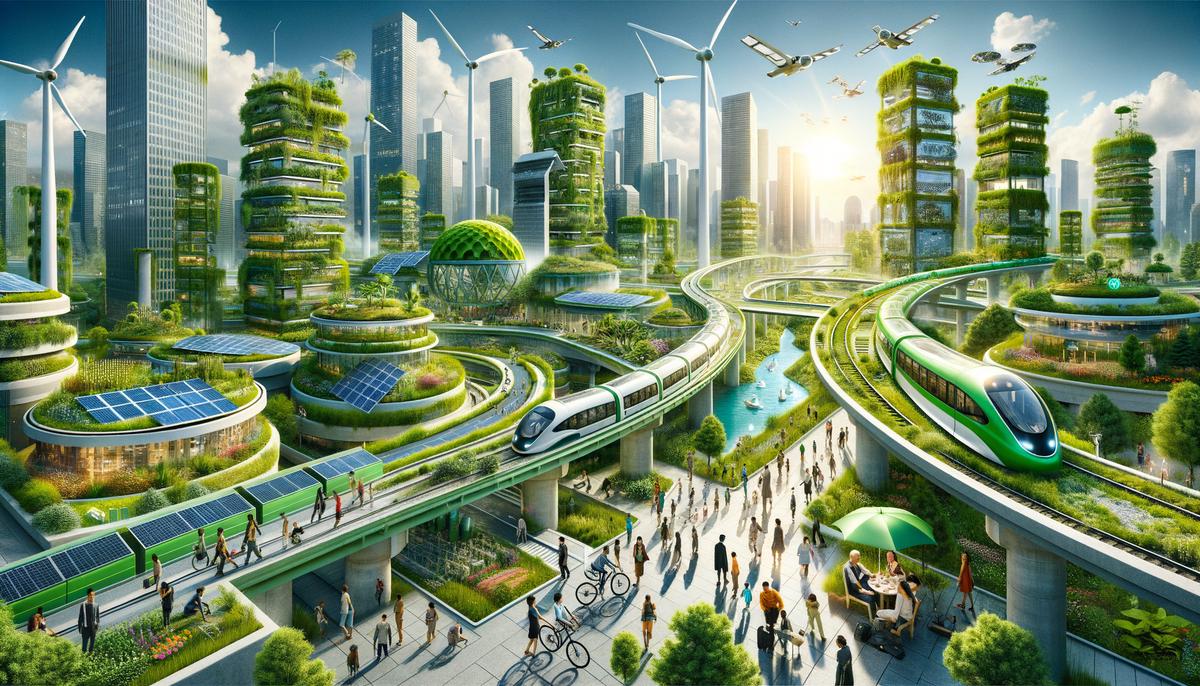
As we consider the pressing issues of climate justice, the central message is clear: accountability and equitable solutions are essential. The journey toward a just future has challenges, but the collective resolve to address historical injustices and current disparities offers hope. By acknowledging those most affected and committing to meaningful action, we can work towards a world where justice and sustainability coexist.
Key facts to remember:
- High-income countries account for 59% of cumulative CO2 emissions, while low-income countries contribute only 0.57%.1
- 70% of global greenhouse gas emissions can be traced to just 100 companies since 1988.1
- The world's richest 1% emit twice as much as the poorest 50%.1
As we move forward, it's crucial to recognize that climate justice is not just about numbers and percentages. It's about addressing fundamental human rights issues, such as the displacement of people and the disproportionate impact on vulnerable communities. By focusing on these human values, we can create a more just and sustainable future for all.