
Environmental health disparities highlight a pressing issue that affects marginalized communities, where systemic inequalities have led to significant challenges. These communities often face disproportionate exposure to environmental hazards, resulting in adverse health outcomes. The historical context and ongoing struggles underscore the need for a comprehensive approach to address these injustices.
Environmental Health Disparities
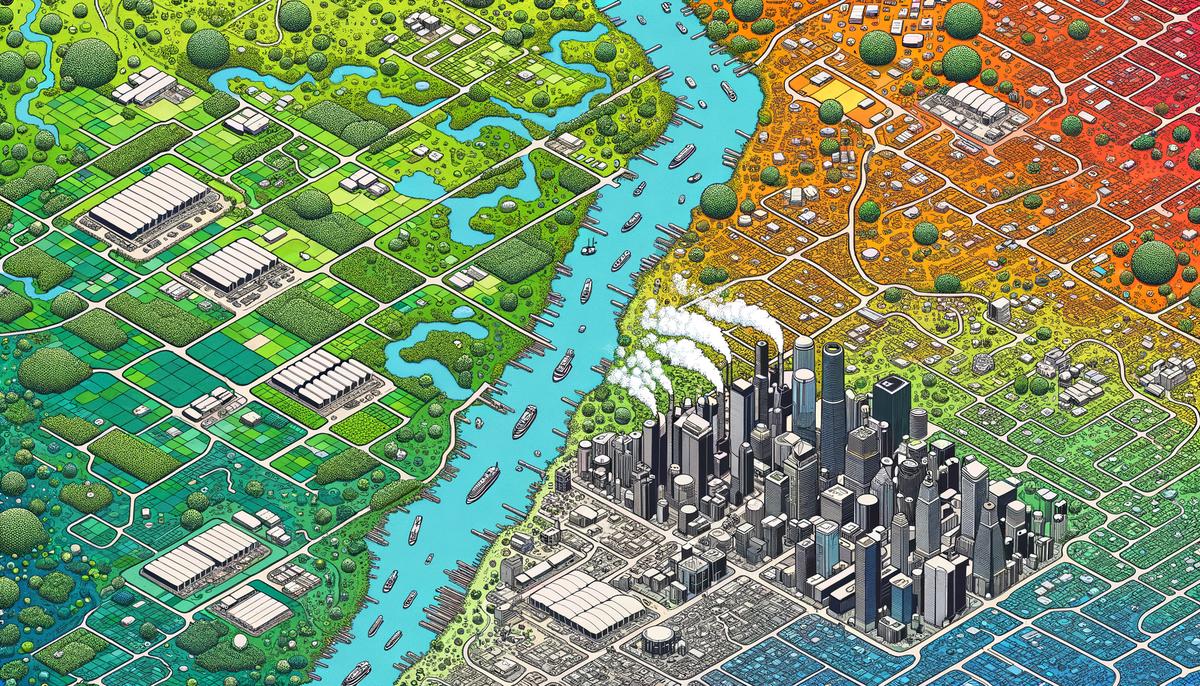
Poor and minority communities shoulder an unfair share of environmental burdens. They often live in areas with high pollution levels and compromised water quality, sometimes referred to as "sacrifice zones". These communities frequently bear the consequences of industrial development and waste management practices that prioritize economic gain over public health.
Historical practices like redlining have concentrated these communities in areas of high environmental risk. The Flint water crisis serves as a stark example, where a predominantly Black population faced lead-contaminated water due to a change in water source and insufficient treatment.
The environmental justice movement highlights these disparities, revealing common threads of racial and socioeconomic inequity. Air pollution levels are often higher in marginalized neighborhoods, leading to increased respiratory issues. Chronic illnesses develop disproportionately in these communities, with Black Americans facing higher levels of air pollution compared to their white counterparts.
Efforts to address these issues include:
- Environmental health research
- Initiatives like California's Community Air Protection Program
However, the challenge lies in untangling the deep-rooted historical and systemic inequalities that perpetuate these problems.
Vulnerable populations, including the elderly, children, and pregnant women, face heightened risks due to pre-existing conditions often linked to social and environmental factors. The COVID-19 pandemic further exposed these vulnerabilities.
While the Environmental Protection Agency (EPA) calls for fair treatment and meaningful involvement of all communities, the path to achieving this goal remains challenging. From Flint to rural Alabama, communities continue to grapple with the consequences of choices made without their input or consideration.
These environmental health disparities reflect a long history of systemic inequities that persist in the present day, highlighting the urgent need for comprehensive solutions that address both environmental and social factors.
Intersectionality in Environmental Justice
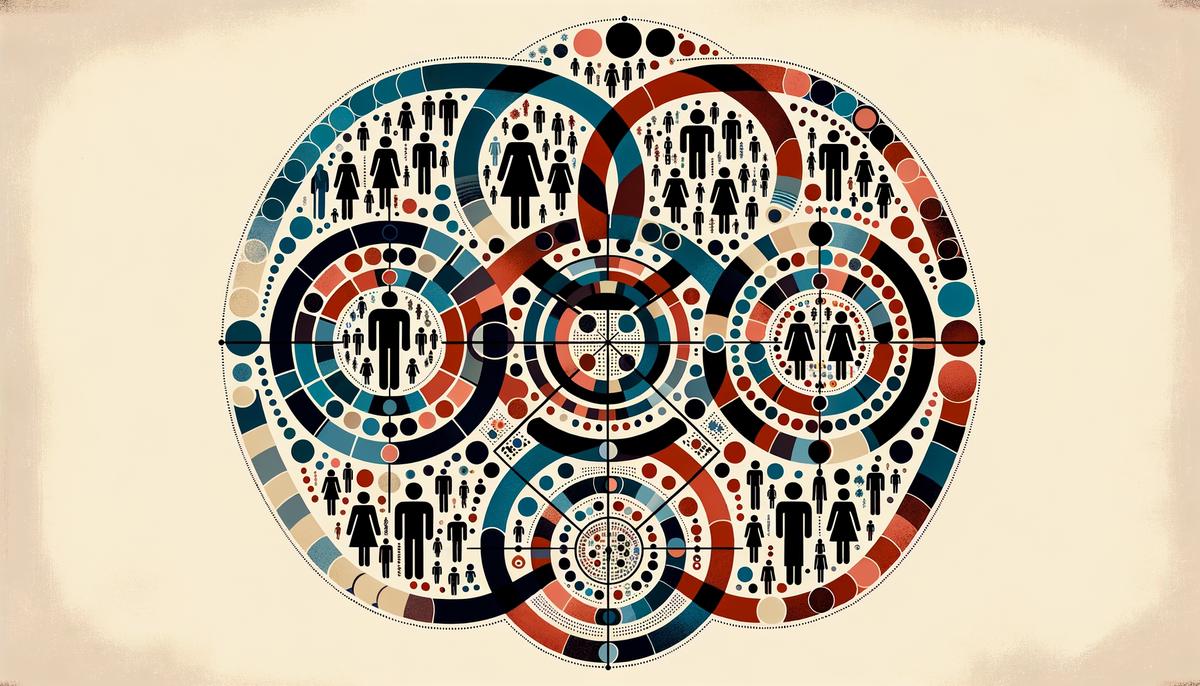
The concept of intersectionality, coined by Kimberlé Crenshaw, is crucial in understanding environmental justice. It highlights how various systems of oppression overlap, amplifying the impact on marginalized communities. Environmental hazards often disproportionately affect women, particularly women of color, illustrating how gender, race, and class intersect in environmental injustice.
The intersection of income and race frequently determines exposure to environmental risks. Low-income neighborhoods and communities of color are more likely to be situated near industrial facilities or waste sites, reflecting systemic failures and power imbalances in decision-making processes.
Economic privilege can sometimes shield individuals from environmental risks, while those in low-wage essential jobs often lack the choice of where to live or work. The COVID-19 pandemic underscored this reality, with many essential workers, disproportionately Black and Latinx, facing increased environmental health risks.
Policy responses have often addressed single issues rather than the network of inequalities contributing to environmental injustice. Effective progress requires an intersectional approach that considers multiple axes of marginalization in policy-making and implementation.
Community engagement is vital in addressing these complex issues. Those directly affected by environmental injustices must be central to conversations and decisions about their environment. Their lived experiences provide crucial insights into the intersecting forms of exclusion many endure.
Embracing intersectionality in environmental justice means moving beyond single-issue approaches to develop comprehensive, inclusive solutions that address the complex, intertwined nature of environmental and social inequalities.
Public Health and Environmental Policy
Public health policies play a crucial role in addressing environmental justice issues. States like California and New Jersey have implemented initiatives that serve as models for tackling environmental inequities.
California's Assembly Bill 617 focuses on community-led strategies to monitor and reduce air pollution in heavily affected areas. The Air Toxics "Hot Spots" Information and Assessment Act (AB 2588) requires industries to report their air toxin emissions, promoting transparency and accountability.
New Jersey's Senate Bill 320 addresses lead contamination by mandating the disclosure of lead service lines during residential sales, emphasizing prevention over remediation.
These policies represent a shift towards proactive public health measures that recognize the intersection of environmental risk and public health. They set precedents that other regions might adapt and build upon.
However, implementation of such policies often faces challenges, including:
- Bureaucratic hurdles
- Opposition from parties with conflicting interests
Effective enactment requires navigating these obstacles while maintaining a commitment to equity and justice.
The pursuit of environmental justice through public health policies demands resilience, informed advocacy, and ongoing commitment to crafting and enforcing legislation aligned with principles of equity. These efforts hold the potential to create environments where clean air, safe water, and healthy communities are rights extended to all.
Case Studies of Environmental Injustice
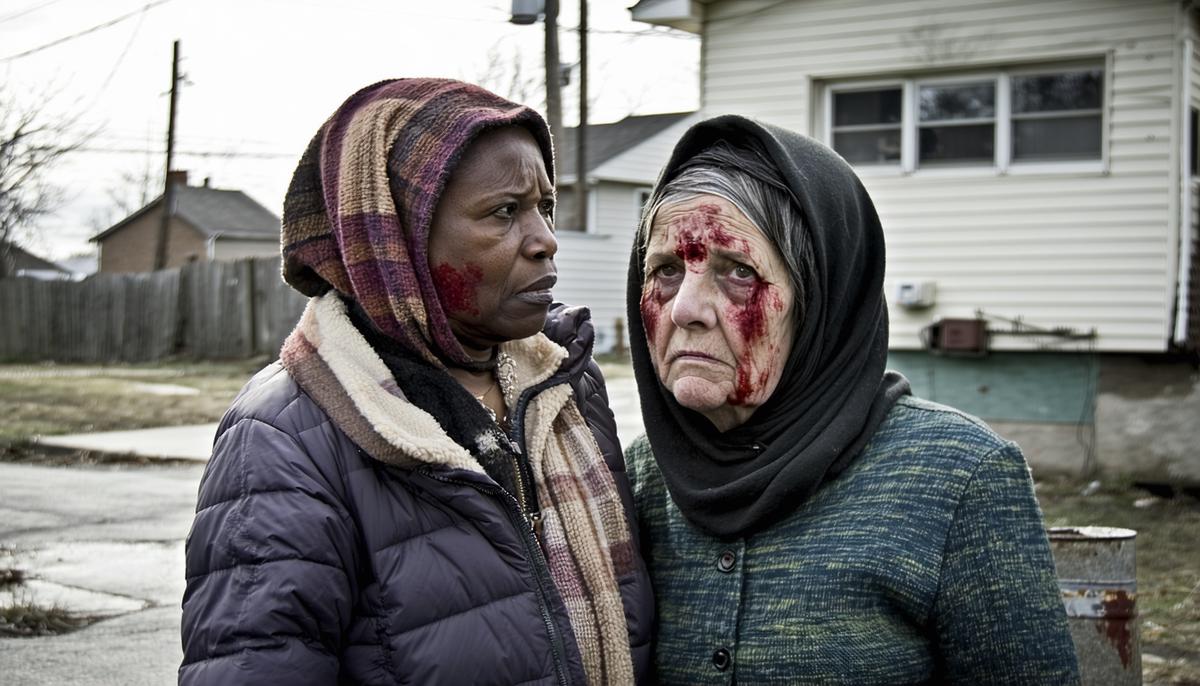
The Flint water crisis exemplifies the severe consequences of environmental injustice. The predominantly Black population suffered from lead-contaminated water due to a change in water source and inadequate treatment. This crisis highlighted the need for responsible governance that prioritizes community health and involves residents in decision-making processes.
Lowndes County, Alabama presents another case of environmental injustice, where inadequate sanitation infrastructure exposed residents, many of whom are Black and economically disadvantaged, to raw sewage. This situation prompted a response from federal agencies, emphasizing the intersection of environmental justice and civil rights.
"These case studies underscore the urgent need for systemic change and comprehensive solutions that address root causes of environmental injustices."
They demonstrate that environmental justice is integral to public health and civil rights, calling for a reevaluation of societal priorities and responsibilities.
The path forward requires vigilance, advocacy, and commitment to sustainable reforms that create resilient communities and frameworks where equality is a lived reality.
Future Directions in Environmental Justice
The future of environmental justice involves innovative approaches like Eco-Intersectional Multilevel (EIM) Modeling. This method analyzes intersecting demographic and urbanization characteristics to identify environmental risks faced by marginalized communities. By examining over 72,000 U.S. census tracts, EIM Modeling reveals intersectional inequalities in exposure to carcinogenic pollutants.
This emerging methodology enables policymakers to craft interventions addressing root causes of disparities at a structural level. However, data-driven strategies must be complemented by proactive public initiatives aimed at equitable distribution of environmental resources.
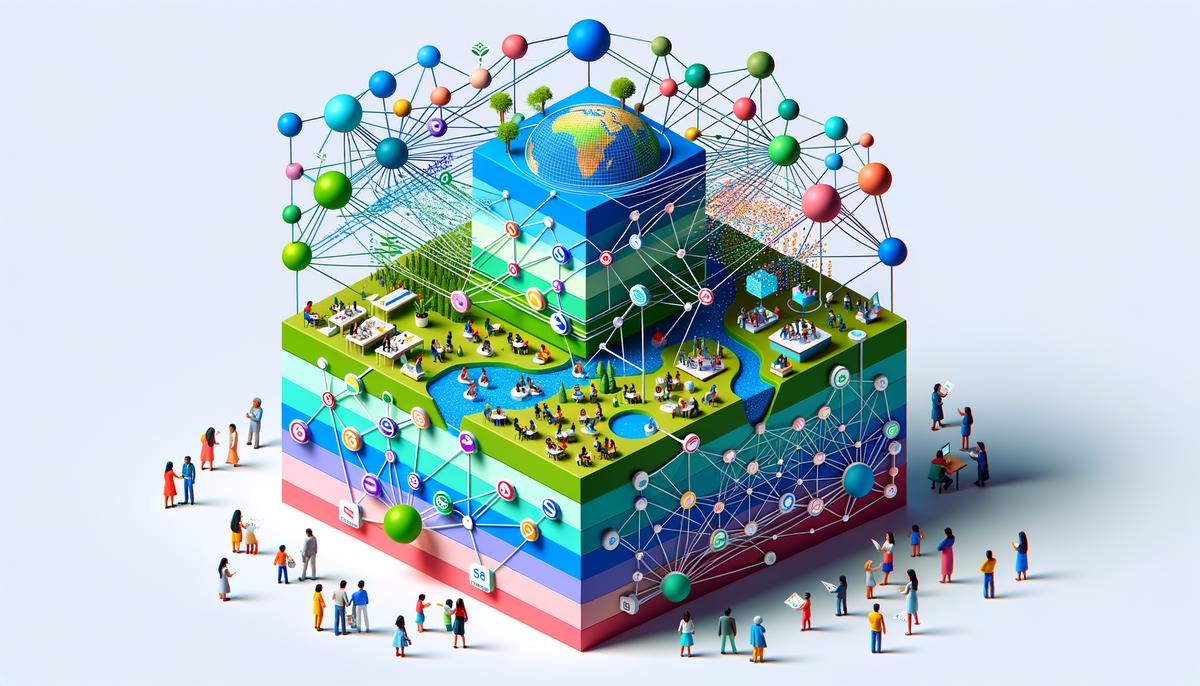
Community engagement remains crucial in shaping effective environmental justice policies. Active involvement of local populations, especially those directly impacted, is essential for developing representative solutions. This approach transforms communities from passive recipients to active architects of their health and future.
The integration of methodologies like EIM with robust community engagement signals a transformative age in environmental justice. By combining sophisticated data analysis with lived experiences, strategies to address environmental inequities become both informed and sustainable.
The path forward requires a dynamic strategy responsive to changing landscapes and challenges. By fostering a shared commitment that bridges research, policy, and lived reality, we move closer to realizing environmental equity as a lived experience for communities nationwide.
Addressing environmental health disparities requires a commitment to equity and justice, ensuring that all communities have access to clean air, safe water, and healthy living conditions. By acknowledging the intersection of various social factors and actively involving affected communities in decision-making processes, we can work towards a future where environmental justice is a reality for everyone.
- Brulle RJ, Pellow DN. Environmental justice: human health and environmental inequalities. Annu Rev Public Health. 2006;27:103-124.
- Nixon R. Slow Violence and the Environmentalism of the Poor. Harvard University Press; 2011.
- Taylor DE. Toxic Communities: Environmental Racism, Industrial Pollution, and Residential Mobility. NYU Press; 2014.
- Lerner S. Sacrifice Zones: The Front Lines of Toxic Chemical Exposure in the United States. MIT Press; 2010.
- Pellow DN. What is Critical Environmental Justice? Polity Press; 2018.