Throughout history, crucial legal decisions have reshaped society and sparked movements challenging entrenched inequality. These landmark cases reflect the ongoing struggle for justice and equality, highlighting how judicial rulings can catalyze profound cultural and social change.
1. Brown v. Board of Education (1954)
Brown v. Board of Education (1954) transformed American education by declaring racial segregation in public schools unconstitutional. This case challenged the doctrine of "separate but equal," fueling nationwide demands for integration and influencing countless other civil rights actions. Despite fierce opposition and significant hurdles, the ruling pushed the nation towards a more equitable future.
Justice Thurgood Marshall played a critical role, later serving as the first Black Supreme Court Justice. The decision encouraged activism and motivated young Black Americans and their allies to challenge other areas of systemic inequality. This led to sit-ins, protests, and legislative change, including the Civil Rights Act of 1964.
The impact of Brown extends beyond American borders, providing a significant moral and legal precedent for movements against various forms of discrimination. Although the ruling lacked explicit implementation guidance, its significance as a symbol of progress remains undiminished. The case stands as a testament to the enduring fight for justice and continues to be a reference point for addressing racial inequalities.
"The Brown decision remains one of the most honored race-relations opinions from the Supreme Court, serving as a touchpoint for discussions on legal protections and social justice in the United States."

2. Loving v. Virginia (1967)
Loving v. Virginia invalidated laws banning interracial marriage, dismantling one of the many vestiges of institutional racism enshrined in American law. By affirming the fundamental right to marry freely, the Supreme Court celebrated the power of love and pushed racial discrimination further into history's shadows.
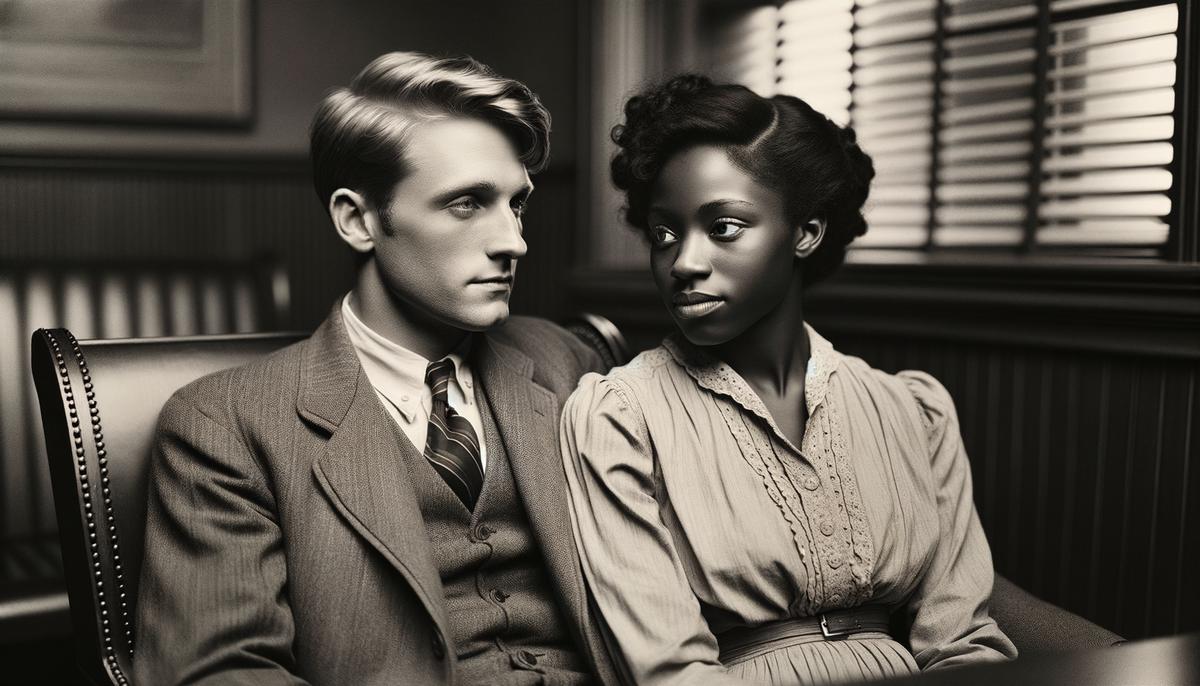
The case emerged from the union of Richard Loving, a white man, and Mildred Jeter, a Black woman. Their marriage was criminalized under Virginia's anti-miscegenation statutes, forcing the couple to challenge the deep-rooted racial barriers that stifled their right to marry. Their quiet persistence culminated in a judicial decision that transcended their personal struggle, resonating with countless others marginalized by similar injustices.
Loving v. Virginia had profound cultural implications. By underscoring marriage as a basic civil right, the ruling reverberated across the nation, signaling a newfound era of tolerance and acceptance. It highlighted the intimate intersections of personal freedom and civil rights, reminding us of how deeply these battles are interwoven in societal progress.
The legacy of Loving endures today, offering a beacon of possibility for subsequent movements advocating for marriage equality and civil liberties. It reminds us of the power vested in the Supreme Court to shape a more just society, one ruling at a time.
3. Roe v. Wade (1973)
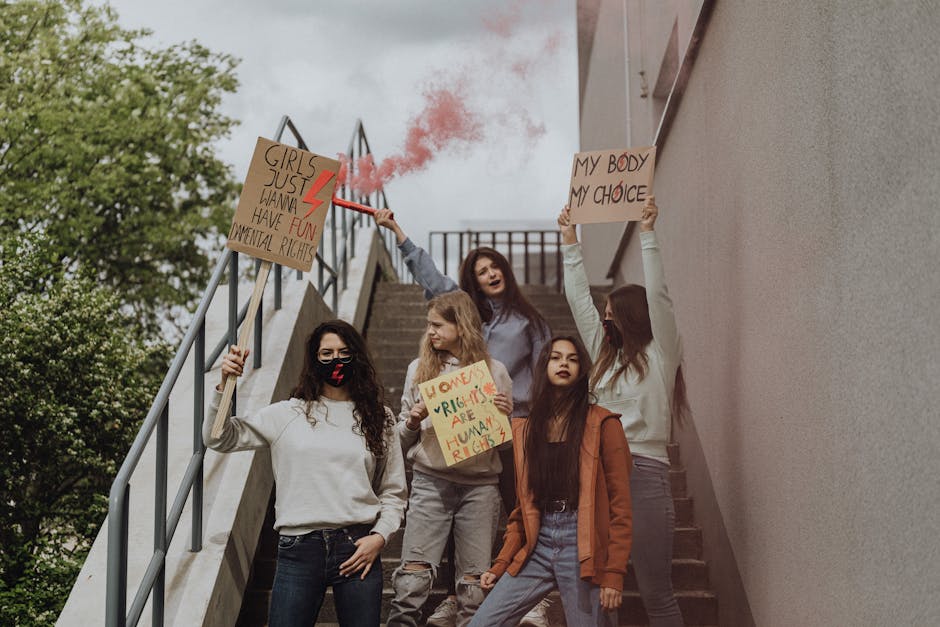
Roe v. Wade stands as a landmark case in reproductive rights, recognizing a woman's constitutional right to make decisions about her own body. The Supreme Court's decision propelled the nation into a new era of personal autonomy and privacy, spotlighting the significance of reproductive freedom and igniting discussions on women's rights that reverberate to this day.
Brought forth by "Jane Roe," an alias for Norma McCorvey, against Henry Wade, the district attorney of Dallas County, this case tackled the restrictive laws surrounding abortion. Through the lens of the Fourteenth Amendment, which covers personal privacy, the Court's decision underscored the necessity of protecting a woman's right to decide.
Despite its transformative impact, Roe v. Wade has been the epicenter of fervent debate, illustrating the deep-seated divisions surrounding reproductive rights in society. Nevertheless, the ruling galvanized women's rights advocates, catalyzing movements aimed at fortifying and expanding the scope of reproductive health services.
Internationally, Roe v. Wade served as a beacon, inspiring global movements focused on women's autonomy and reproductive justice. Although the decision has faced numerous challenges and seen shifts over the decades, its influence endures, marking a pivotal moment in the ongoing struggle for gender equality and human rights.
While recent overturns contrast sharply with the initial promise of Roe, its legacy remains embedded as a crucial moment in the quest for justice. It reminds us of the persistent challenges faced by marginalized communities and underscores the ongoing fight for equality and dignity in bodily autonomy.
4. Obergefell v. Hodges (2015)
Obergefell v. Hodges secured marriage rights for LGBTQ+ couples across the United States. By enshrining the right to marry regardless of gender identity in the Constitution, this ruling underscored the Supreme Court's role as a guardian of dignity and equality for all. It represented a shift in societal attitudes, acknowledging that the love and commitment between same-sex couples deserves the same recognition afforded to all marriages.
The case originated from James Obergefell's wish to be recognized as surviving spouse on his partner's death certificate, highlighting the deeply personal nature of this fight for justice. His perseverance, alongside those of many LGBTQ+ advocates, crystallized into a decisive legal affirmation that boundaries of love should not be defined by societal prejudice.
Obergefell v. Hodges contributed to reshaping cultural perceptions of love, family, and identity. By affirming this fundamental right, the ruling sent a message that equality before the law cannot be contingent upon one's sexual orientation, fostering a legacy of inclusivity for future generations.
This decision reverberated beyond American shores, energizing LGBTQ+ rights movements around the world. The enduring impact of Obergefell serves as a reminder of the judiciary's power to champion progressive change and its crucial role in securing civil liberties.

5. Shelby County v. Holder (2013)
Shelby County v. Holder reshaped the enforcement landscape of the Voting Rights Act of 1965. The decision dismantled components pivotal to safeguarding against racial discrimination in voting, particularly the preclearance requirement that mandated certain jurisdictions with histories of discrimination to obtain federal approval before making changes to their voting laws. By invalidating this provision, the Supreme Court sparked debates regarding voter suppression and electoral equity, highlighting the intricacies of contemporary racial justice matters.
Rooted in a challenge from Shelby County, Alabama, the ruling underscored a shift in how voting rights protections are approached in the modern era. While proponents argued that it recognized progress made since the 1960s, critics feared it opened the door for curtailed access to the ballot box, particularly affecting communities of color. The aftermath has seen an increase in states enacting stringent voting laws, intensifying discussions around the evolving landscape of civil rights enforcement.
The ruling propelled dialogue on the ongoing necessity to protect voting rights and adapt legislation to address contemporary forms of discrimination. Civic organizations, activists, and legal experts have mobilized to highlight incidents of voter suppression, endeavoring to ensure equal access to the democratic process remains strong.
Internationally, this decision served as a cautionary tale of the fragility of hard-won civil rights advancements, emphasizing the need for vigilant advocacy to preserve electoral integrity and inclusivity. Though Shelby County v. Holder may have weakened certain fronts of civil rights protection, it also galvanized renewed efforts to fortify voter rights, underscoring the persistent endeavor for justice and equality in enfranchisement.
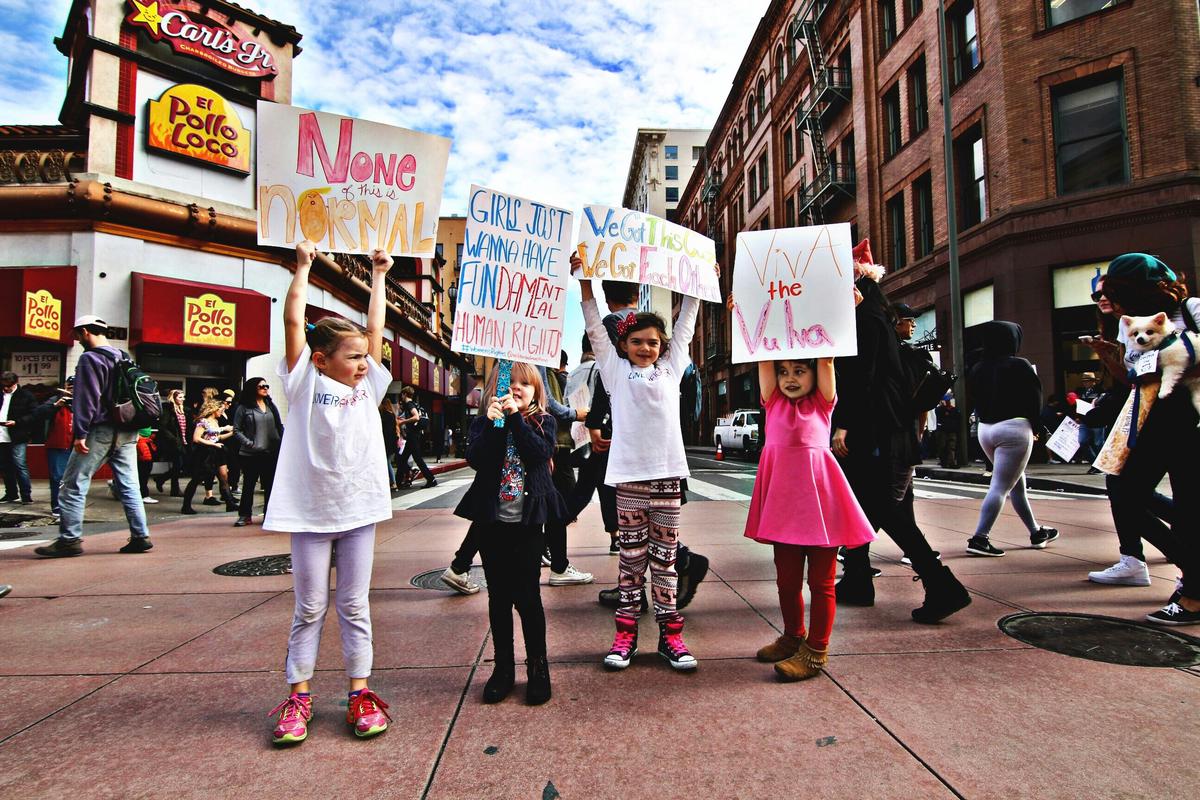
Photo by nicoleadamz on Unsplash
The enduring impact of these landmark cases underscores the judiciary's formidable role in shaping societal values and legislative landscapes. Each decision serves as a testament to the ongoing fight for justice, reminding us of the power vested in legal change to inspire broader societal transformation.
- Cashin SD, Kennedy RL. Brown v. Board of Education: A Critical Race Theory Perspective. Georgetown Law Journal. 2004;93(1):1-14.
- Klarman MJ. From Jim Crow to Civil Rights: The Supreme Court and the Struggle for Racial Equality. Oxford University Press; 2004.
- Rosenberg GN. The Hollow Hope: Can Courts Bring About Social Change? University of Chicago Press; 2008.