Environmental Justice and Systemic Inequities
Environmental justice, particularly access to clean air and water, remains a critical issue for marginalized communities. Historical policies like redlining not only segregated neighborhoods but also led to systemic disinvestment, leaving these areas more susceptible to pollution and inadequate infrastructure.
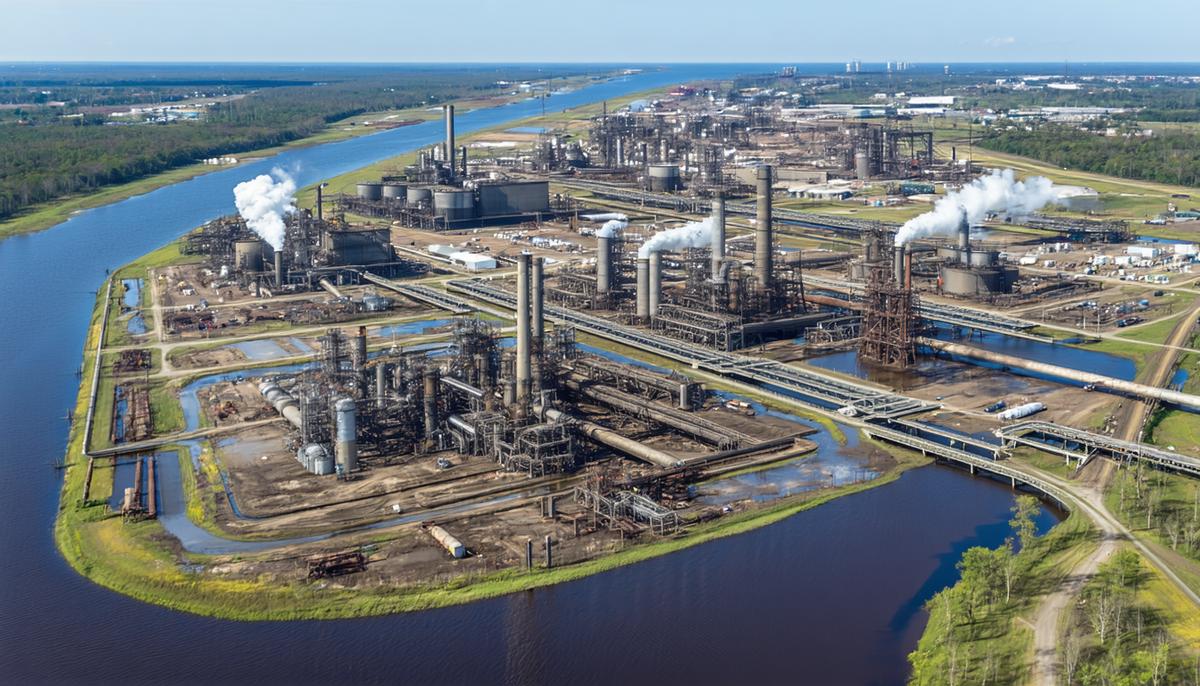
The "Cancer Alley" in Louisiana exemplifies this problem, where approximately 200 fossil fuel and petrochemical plants have significantly increased health risks for nearby residents, primarily Black communities. Local authorities often prioritized industry interests over public health, highlighting the need for stronger regulation and accountability.
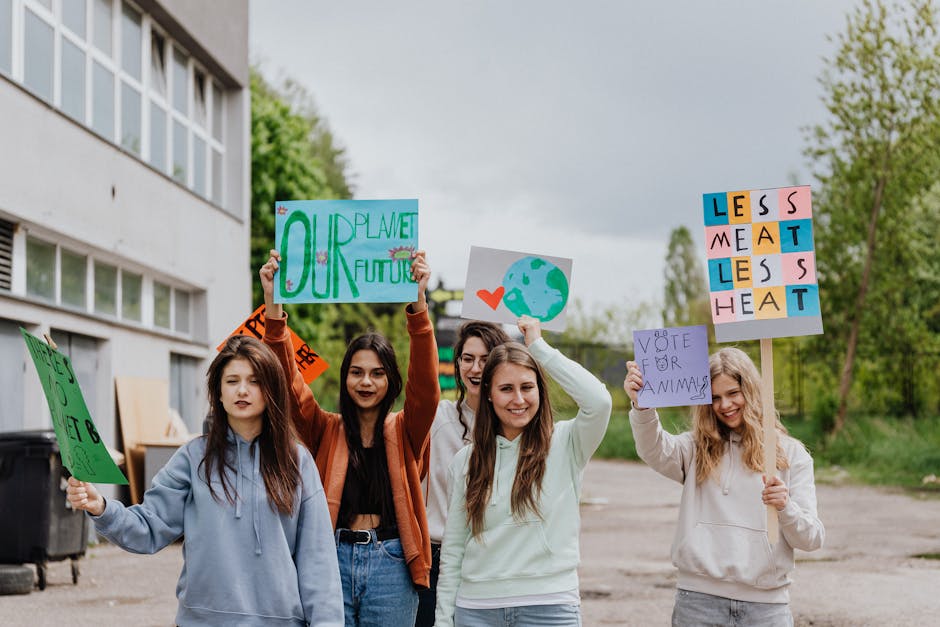
Across the nation, economic hardship and environmental challenges are frequently interconnected. Communities are fighting back through legal actions, petitions, and organizing efforts to address these systemic racial and environmental injustices.
Even in states with progressive environmental legislation, like California, marginalized communities still face disproportionate environmental burdens. The combination of subpar housing, polluted air, and limited healthcare access creates a complex web of inequity.
Organizations like Greenlining are working to reverse these trends by addressing both systemic and local issues. Programs such as the Regional Climate Collaboratives aim to empower communities by providing necessary resources and support.
The fight for environmental justice is global, affecting billions who lack access to clean air and water. While solutions are known, implementation often lags behind the urgency of the situation. Effective advocacy requires addressing these issues at multiple levels, from local policies to global initiatives.
Health Impacts of Air and Water Pollution
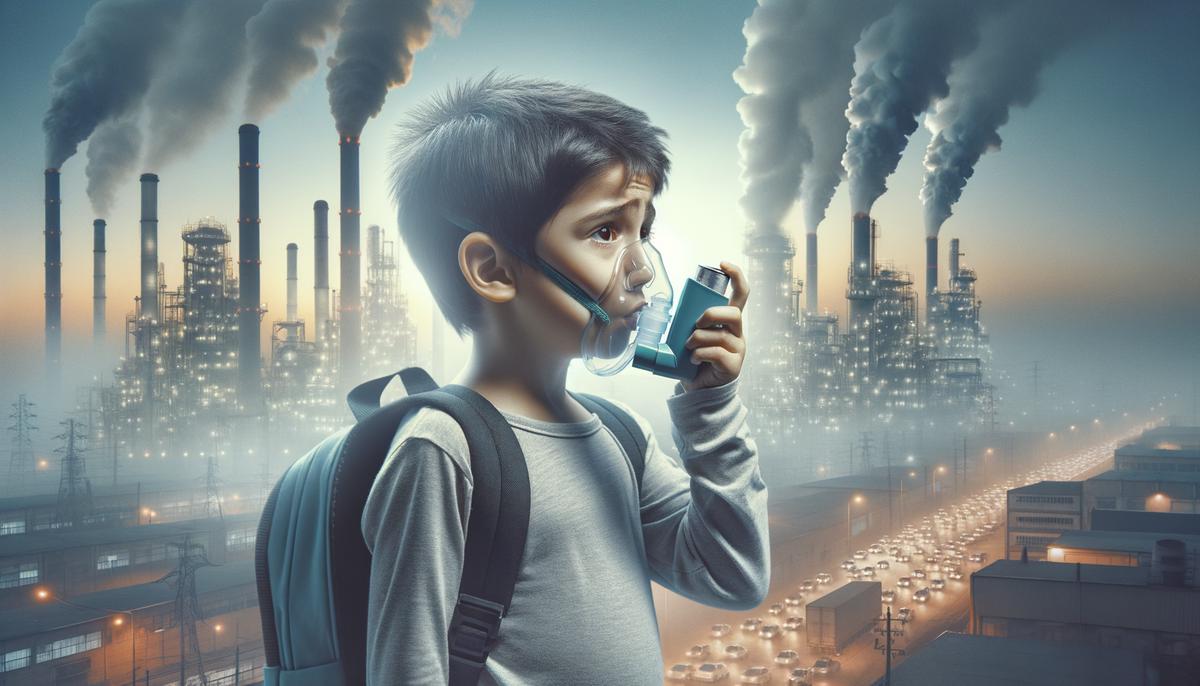
Environmental pollution significantly impacts health outcomes, particularly in vulnerable communities. Air and water pollution contribute to various health issues, including respiratory diseases, cancer, and chronic conditions.
- Respiratory illnesses, such as asthma and bronchitis, are common consequences of air pollution, with children and the elderly being especially susceptible.
- Cancer risks increase due to long-term exposure to various pollutants, both in the air and water supply.
- Chronic conditions like heart disease are exacerbated by constant exposure to fine particulate matter from air pollution.
Communities already struggling with inadequate healthcare find these conditions compounding their daily challenges. The health impacts of pollution disproportionately affect marginalized communities, often due to discriminatory policies that have concentrated pollution in areas predominantly populated by people of color. This pattern of environmental injustice perpetuates existing health disparities and socioeconomic inequities.
"Air pollution is responsible for around seven million premature deaths each year through diseases such as lung cancer, acute respiratory infections, and heart disease, and that 9 out of 10 people breathe air containing high levels of pollutants." – World Health Organization
Addressing these unequal health impacts requires creating cleaner environments and a more equitable world where vulnerability doesn't sentence one to illness. This effort demands empathy, determination, and urgency to ensure clean, life-sustaining resources for all.
Community-Led Solutions and Capacity Building
In communities long affected by environmental problems, grassroots initiatives are emerging as powerful forces for change. Capacity building is central to this movement, strengthening local leadership, supporting resident-driven agendas, and providing skills and resources for community self-determination.
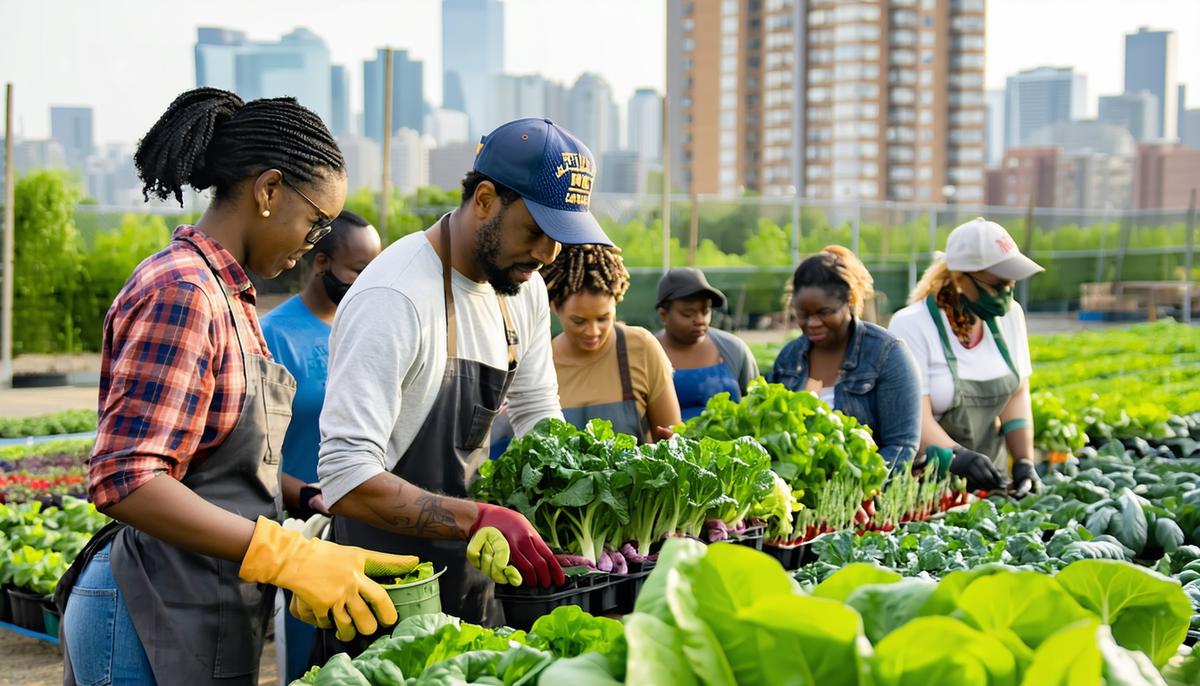
Examples of community-led change can be found across the country. In Oakland, California, initiatives rooted in Black Panther Party activism continue to fuel the fight for healthier environments. Residents work together to challenge pollution, advocate for green spaces, and establish urban farms that sustain their community.
In Southern California, collaborations between local groups and organizations aim for systemic changes. Programs addressing environmental injustices put affected people at the forefront, directing investment and attention into their hands.
The Regional Climate Collaboratives, supported by groups like the Greenlining Institute, provide resources and expertise to under-resourced communities, aiming to expand resident-led climate adaptation and mitigation efforts. Local community groups have also provided COVID-19 resources, vaccination clinics, and mutual aid efforts throughout the pandemic.
These community-led solutions embody the optimism needed to face global environmental challenges. They ground ambitious goals in the experiences of those most affected, ensuring not just survival but the potential to thrive. These grassroots efforts bring vital hope to a narrative often dominated by grim realities, reminding us that change is possible and impactful when it comes from those who benefit most.
Policy and Legal Frameworks
The struggle for environmental justice relies on policies and legal frameworks designed to protect our right to clean air and water. However, these frameworks often deliver inconsistently, leaving some communities without adequate resources.
Internationally, agreements like the Paris Agreement commit to addressing climate change and pollution. These global pacts frame environmental issues as shared challenges, but largely rely on voluntary compliance, resulting in uneven enforcement and outcomes.
In the United States, laws such as the Clean Air Act and the Clean Water Act set standards for protecting air and water quality. While these legislations have curbed some of the worst environmental abuses, enforcement varies widely, often reflecting differing political and economic priorities.
Local ordinances play a crucial role in addressing specific community needs. From zoning laws to local clean air policies, these measures reflect community-driven awareness and action. However, without strong federal or international support, these local laws can have limited reach.
Advocacy remains a powerful tool in this landscape of uneven protections. Environmental justice champions persistently push for stronger, more comprehensive policies. Public outcry and lobbying have led to tangible changes, highlighting issues that might otherwise remain hidden.
Combining legal frameworks with grassroots outreach can strengthen these policies and hold polluters accountable. Initiatives like California's Regional Climate Collaboratives show how policy tools and community empowerment can create strong defenses against environmental negligence.
Protecting the right to clean air and water requires harmonizing various levels of intervention, aligning them with current urgencies and inequities. For every breath we take and every drop of water we drink, we must turn intentions into actions, translating promises into protections that benefit everyone equally.
Economic and Social Implications
Addressing access to clean air and water is an economic and social investment with substantial long-term benefits. The advantages extend beyond mitigating health issues, reshaping societies by enhancing public health, boosting economic resilience, and fostering social equity.
Clean air and water reduce disease burdens and healthcare costs, increasing productivity with fewer sick days and a stronger workforce. This vitality stems from reduced exposure to pollutants linked with respiratory illnesses, cardiovascular conditions, and other health issues. By ensuring these basic rights, we relieve healthcare systems, freeing resources for other pressing medical challenges.
A healthier population creates a more resilient economy. Greater workforce participation accelerates economic activity and growth. Clean environments attract investments, inspiring sustainable industries to establish bases, generating jobs and revitalizing marginalized communities.
Investing in sustainable environmental management could spark innovative industries, transforming ecosystems from liabilities into opportunities. The growing green economy demonstrates this potential. Tapping into sustainable energy sources, implementing green infrastructure, and fostering clean production methods cut emissions and open new economic frontiers.
Social Justice and Equity
Equitable access to clean air and water supports social justice by dismantling inequality barriers. Social cohesion flourishes where citizens aren't divided by access to pure, life-sustaining resources. Such environments nurture trust and foster communal support, leading to stronger civic engagement and a more equitable society.
The costs of inaction contrast starkly with these gains:
- Persistent air and water pollution exacts a continuous toll on human health and societal well-being
- Economies struggle with rising healthcare expenses and reduced worker productivity
- Communities endure environmental degradation that erodes their quality of life, trapping them in cycles of poverty and poor health outcomes
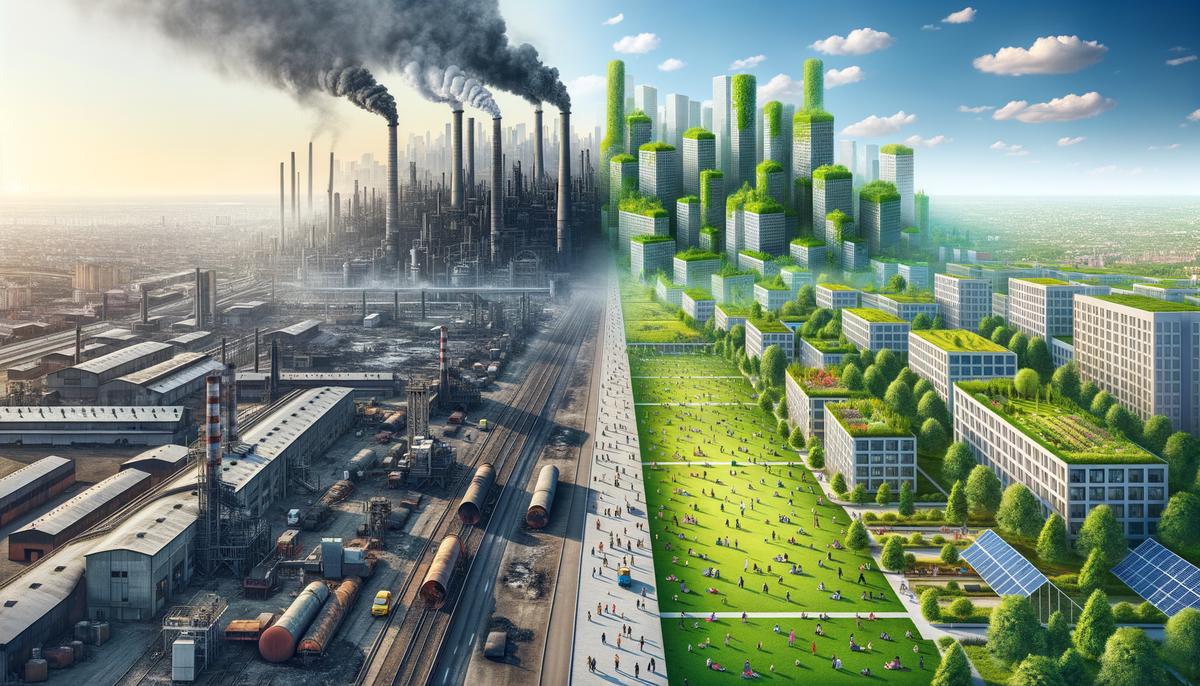
Sustainable development offers significant potential if these issues are addressed promptly. Sustainable cities promise modern infrastructure, incorporating green spaces, efficient transportation, and renewable energy systems. These environments improve quality of life and act as economic catalysts, encouraging sustainable business practices and driving innovation.
The clean air and water discourse extends beyond environmental concerns. It touches on leading a life with dignity and opportunity. By elevating this dialogue, societies position themselves for broader benefits—healthier citizens, thriving economies, and equitable social structures.
In the struggle for environmental justice, the right to clean air and water is a fundamental pillar. This issue goes beyond addressing pollution; it's about recognizing and rectifying systemic inequities that have long marginalized certain communities. By focusing on these essential rights, we pave the way for healthier lives and more equitable societies.
The impact of pollution on human rights cannot be overstated. According to the United Nations Environment Programme (UNEP), air pollution is the world's biggest environmental killer, responsible for around seven million premature deaths each year through diseases such as lung cancer, acute respiratory infections, and heart disease.1
Communities facing environmental injustice often bear a disproportionate burden. For instance, in the area known as "Cancer Alley" in Louisiana, approximately 200 fossil fuel and petrochemical plants concentrated between New Orleans and Baton Rouge have led to severe health consequences for residents, particularly affecting Black communities.2
Steps Toward Environmental Justice
- Strengthen regulatory oversight and enforcement of environmental laws
- Invest in clean energy technologies and phase out fossil fuel usage
- Implement moratoria on new industrial operations in heavily impacted areas
- Respect and adhere to international human rights norms
- Support community-led initiatives and capacity building efforts
Progress is being made, albeit slowly. For example, local community groups have provided COVID-19 resources, vaccination clinics, and mutual aid efforts throughout the pandemic, demonstrating the power of grassroots organizing in addressing environmental and health disparities.
As we move forward, it's crucial to recognize that the fight for clean air and water is intrinsically linked to broader goals of sustainability and human rights. By addressing these fundamental needs, we not only improve individual lives but also contribute to the achievement of global objectives such as the Sustainable Development Goals and climate change mitigation efforts.