
In society, disparities in incarceration and socioeconomic barriers create a complex story, often leaving communities of color grappling with seemingly insurmountable challenges. These issues intersect with health inequities and criminal legal policies, revealing systemic bias and economic hardship. This perspective highlights the multifaceted struggles faced by marginalized groups, emphasizing the urgent need for reform and policy changes that aim to dismantle these entrenched inequalities.
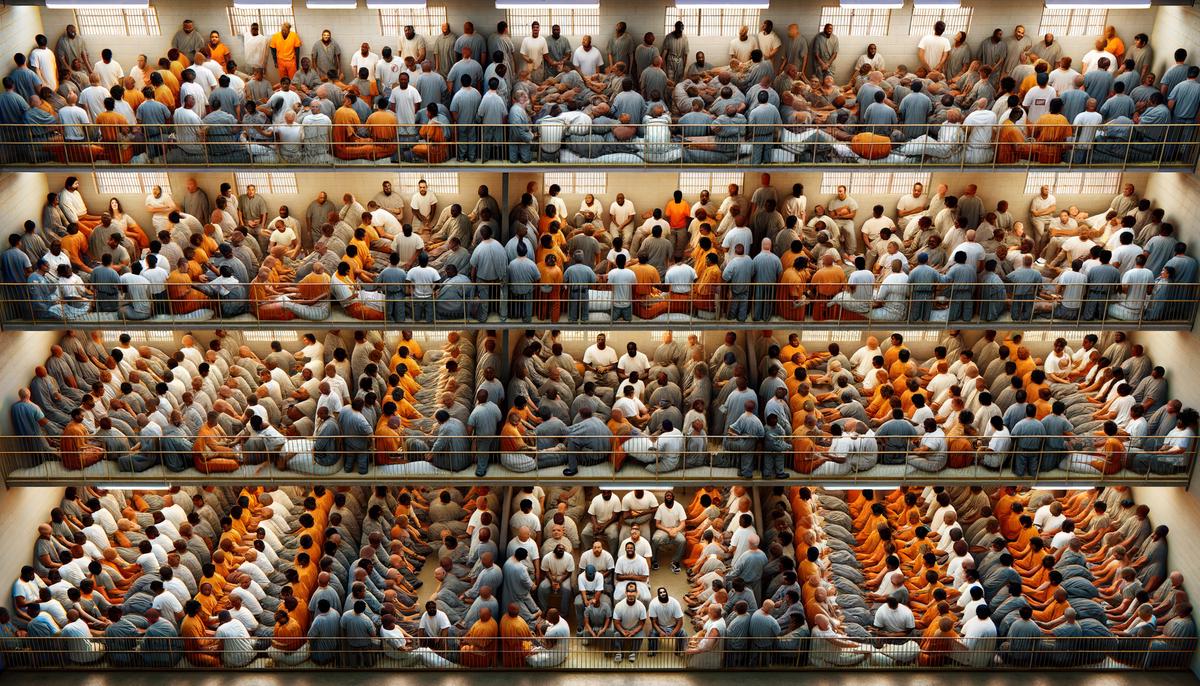
Racial Disparities in Incarceration
In communities of color, economic inequality isn't just a statistic; it's a daily reality that limits opportunities and often pushes individuals into the criminal legal system. This system, designed without consideration for those lacking privilege, creates a cycle difficult to escape.
Educational resources are scarce, leaving many to choose between underfunded schools or the streets. The prison system, with its high fines and hidden fees, reflects the daily struggles faced by people of color. A focus on punishment over prevention traps many in a cycle as challenging to escape as quicksand.
Prison labor wages are alarmingly low, ranging from $0.13 to $0.52 an hour in most states, with seven states paying no wages at all. While employment programs could aid in rehabilitation and smoother reentry, many are left without even basic financial resources.
Even after completing sentences, fines and fees keep individuals tethered to the system. The need for employment to pay off debts clashes with the reluctance of employers to hire those with criminal records, fueling recidivism rates.
Public safety programs are often underfunded in favor of maintaining a large prison system. Substance abuse programs, despite affecting nearly half the prison population, remain under-resourced. Outside prison walls, families and communities struggle without these vital members, perpetuating trauma across generations.
Those with criminal records face significant barriers in accessing:
- Food
- Housing
- Employment
While some states are overturning bans on assistance for those with felony drug convictions, progress is slow.
Addressing racial disparities in incarceration requires understanding the complex socioeconomic factors at play. Through persistent efforts, there's hope for a shift towards equity, where opportunities extend beyond statistics and systemic bias.
Socioeconomic Barriers Post-Incarceration
Upon release from incarceration, individuals face a series of obstacles that hinder their reintegration into society. Employment discrimination is often the first hurdle. Despite the progress of ban-the-box policies, many job applications still inquire about criminal history, creating a significant barrier to entry.
Housing insecurity presents another challenge. Many formerly incarcerated individuals struggle to find stable housing due to discriminatory practices by landlords and limited access to public housing options. This instability can further complicate efforts to maintain employment and rebuild lives.
Access to social welfare programs is often restricted for those with felony convictions, making it difficult to secure basic necessities. This lack of support can perpetuate cycles of poverty and increase the likelihood of recidivism.
Despite these challenges, there are signs of progress. Some states have extended food stamps and cash aid to those with drug felonies, and advocates continue to work towards more comprehensive reforms. However, achieving widespread change requires a fundamental shift in how society approaches reintegration and support for formerly incarcerated individuals.
The path forward demands dismantling structures of exclusion and rebuilding systems with genuine equity at their core. While the road is long, continued commitment edges us closer to turning visions of justice and equality into reality.

Health Disparities and Economic Inequality
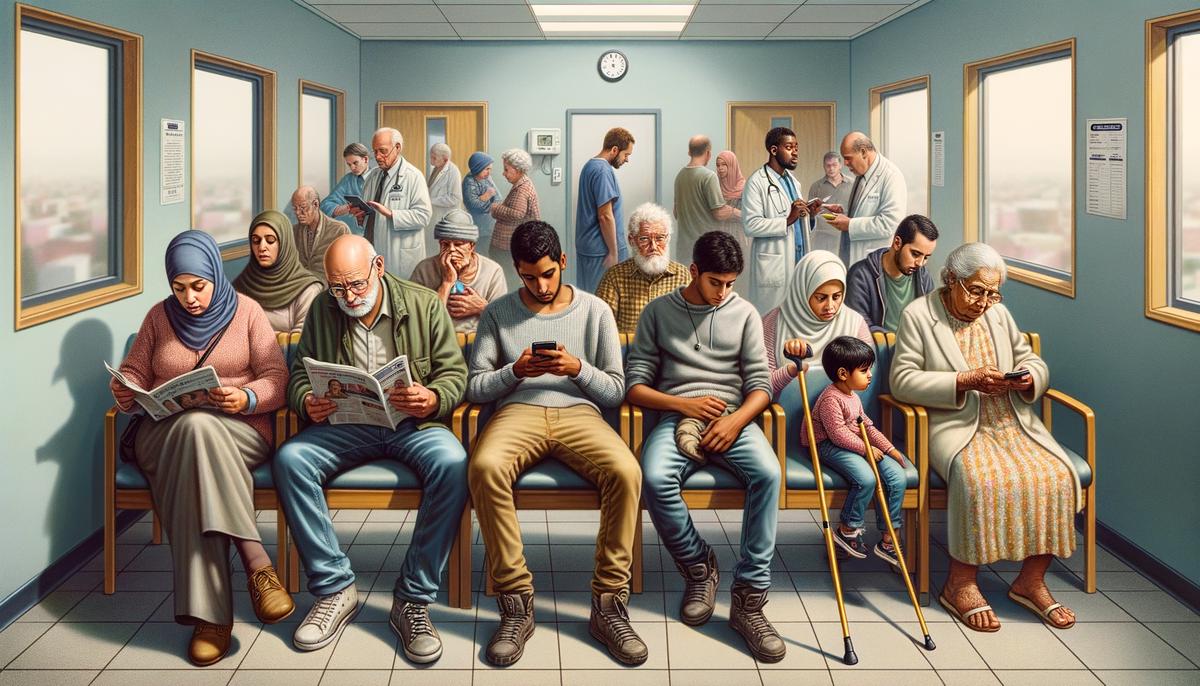
In economically disadvantaged neighborhoods, health disparities are stark reminders of how economic hardship and racial identity intersect. Communities of color often face inadequate healthcare access and poorer health outcomes, resulting in significant disparities in life expectancy.
Access to health insurance remains a challenge for many, despite progress made by the Affordable Care Act. Nonelderly individuals from marginalized racial and ethnic groups frequently find themselves without health coverage.
Geographical barriers exacerbate health problems, with many communities located in healthcare deserts. This lack of access contributes to higher rates of preventable diseases like diabetes and heart disease in these neglected areas.
Mental health disparities are equally concerning. Stigma and a lack of culturally competent care providers create significant barriers to seeking help. The recent increase in drug overdose deaths in minority communities underscores the urgency of addressing mental health care access.
The Biden administration has implemented measures to address these disparities, including Equity Action Plans and updated health equity frameworks. However, dismantling systemic hurdles requires ongoing commitment and adaptation.
Efforts to bolster maternal health services and improve the availability of disaggregated health data are crucial in identifying and addressing disparities. As the nation becomes more diverse, the imperative to address these health inequities intensifies.
The path forward requires unwavering determination to make healthcare access a right rather than a privilege, transforming health inequities from contemporary realities into historical footnotes.
Impact of Criminal Legal Policies
Criminal legal policies often function as economic adversaries for justice-involved individuals, amplifying existing disparities. Fines, fees, and predatory pricing entrench a cycle of financial degradation that disproportionately impacts communities of color.
The financial toll of legal entanglements can be ruinous for families already facing economic hardship. Exorbitant fines for minor infractions, fees for court-mandated programs, and inflated charges for necessities while incarcerated create significant burdens.
Prison conditions often resemble creditor arrangements, with monetary penalties imposed for even minor transactions. The cost of maintaining family connections while incarcerated can erode financial stability for those on the outside.
Upon release, individuals face mountainous legal debts that need repayment. This financial burden, coupled with barriers to employment and housing, creates a challenging environment for reintegration and increases the risk of recidivism.
Policy reform must target these economic quagmires to truly serve justice. Emerging initiatives, such as eliminating fees for prison calls and banning the box on employment applications, offer hope for alleviating some of these financial pressures.
However, comprehensive reform of the criminal legal system is necessary to address these economic inequities fully. The goal should be to create policies that provide opportunities rather than perpetuate adversity, ensuring a more equitable future for all communities.

Reforms and Policy Changes
Reforms across the nation aim to address economic inequality affecting communities of color. The 'Ban the Box' initiative seeks to remove barriers to employment by eliminating questions about criminal history on initial job applications. This change provides individuals with past convictions, particularly those from marginalized groups, a fairer chance in the job market.
Efforts to address exploitative wage practices in prisons are gaining momentum. Initiatives promoting fair wages for incarcerated workers aim to provide compensation that reflects basic dignity and supports families. While progress is slow, these changes promise significant shifts towards fairer economic opportunities.
Policy changes in social welfare are increasingly aligning with principles of equity and inclusion. Several states have successfully eliminated restrictions barring individuals with felony drug convictions from receiving benefits like food stamps. These reforms aim to provide essential resources for individuals rebuilding their lives, though some resistance remains.
The implementation of these reforms faces challenges from sectors benefiting from current systemic inequities. This opposition underscores the need for continued advocacy and policy innovation to maintain momentum for change.
These varied reforms converge on the goal of creating a society where justice and economic opportunity are accessible to all. Each effort contributes to progress towards a more equitable future, redefining the landscape of justice in America.

The pressing need for reform is clear: justice must evolve to lift individuals opportunity rather than anchor them in adversity. By addressing economic barriers and systemic inequities, we can work a future where justice and opportunity are accessible to all, paving the way for a more equitable society.
- Artiga S, Orgera K, Pham O. Disparities in Health and Health Care: Five Key Questions and Answers. Kaiser Family Foundation. 2020.
- Sawyer W, Wagner P. Mass Incarceration: The Whole Pie 2020. Prison Policy Initiative. 2020.
- Alexander M. The New Jim Crow: Mass Incarceration in the Age of Colorblindness. The New Press. 2010.
- Chetty R, Hendren N, Jones MR, Porter SR. Race and Economic Opportunity in the United States: An Intergenerational Perspective. Quarterly Journal of Economics. 2020;135(2):711-783.
- Wildeman C, Wang EA. Mass incarceration, public health, and widening inequality in the USA. Lancet. 2017;389(10077):1464-1474.