Understanding Environmental Toxins
Environmental toxins are pervasive, found in our water, air, and everyday products. Both natural and human-made sources contribute to these hazards. Arsenic, for example, occurs naturally in rocks and soil but can contaminate drinking water. Cyanobacteria, or blue-green algae, pose another natural threat.
Air pollution from vehicles and factories introduces toxins like nitrogen oxides and carbon monoxide, which can have serious respiratory effects. Particulate matter, though tiny, can exacerbate asthma and potentially cause heart issues.
Water contamination remains a significant concern. Lead in old pipes can turn tap water dangerous, as seen in the Flint, Michigan crisis. Atrazine, a common herbicide, disrupts hormones and faces bans in some regions. PFAS, known as "forever chemicals," persist in the environment and can affect liver function and hormone balance.
Common Household Toxins:
- Asbestos in older homes (linked to lung disease)
- BPA in plastics (potential hormone disruptor)
- Volatile organic compounds (VOCs) from paints and building materials
- Radon seeping through foundation cracks
- Phthalates in many everyday products
These toxins disproportionately impact vulnerable communities, exacerbating existing health and economic challenges. This uneven burden represents a critical public health issue requiring attention and effective policies to address.
Impact on Vulnerable Communities
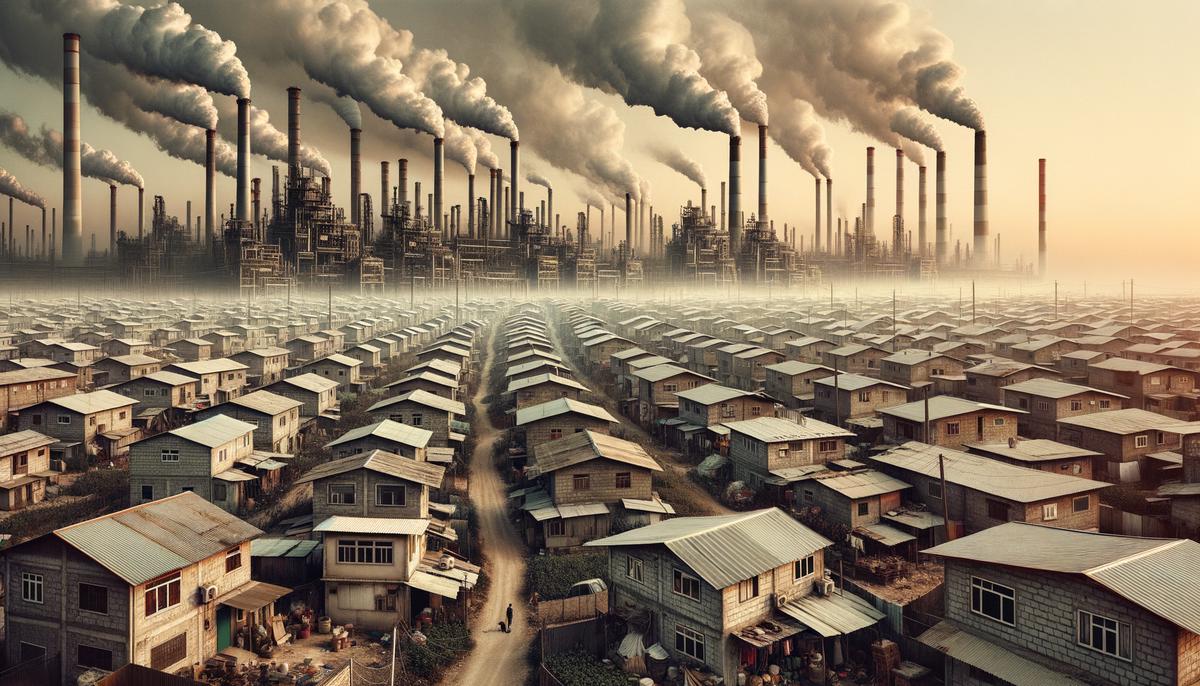
Marginalized communities often bear the brunt of environmental toxin exposure due to systemic inequalities. Many find themselves living near industrial zones or agricultural areas with high pollution levels, not by choice but by circumstance. These locations, like Louisiana's "Cancer Alley," expose residents to hazardous substances that significantly impact their health and quality of life.
Low-income families, with limited housing options, frequently reside in areas with poor environmental conditions. This exposure to toxins leads to higher rates of diseases such as asthma, cancer, and neurological disorders, creating additional barriers to education and employment and perpetuating the cycle of poverty.
"The lack of political representation further compounds the issue. Without strong advocacy, these communities struggle to have their voices heard in policy decisions that directly affect their environment and health."
Minority and indigenous groups face double marginalization. For instance, the Yaqui people in Mexico contend with harmful agricultural chemicals on their ancestral lands, threatening their health and cultural heritage.
Addressing this inequity requires persistent advocacy, awareness, and inclusion of affected communities in decision-making processes. Ensuring clean air and safe water for all is not just an environmental issue but a matter of social justice that demands immediate and sustained action.
Case Studies: Real-World Examples
The Flint Water Crisis
Nine years ago, Deanna Branch's younger son, Aidan, was poisoned by lead through service lines providing water to their Milwaukee home. This case starkly illustrates the impact of environmental toxins on vulnerable communities. In 2014, officials switched Flint's water source without proper treatment, causing lead to leach from aging pipes. This decision disproportionately affected the city's predominantly African American and low-income population, leading to widespread health issues, particularly among children.
Despite residents' concerns, authorities initially denied the problem, exacerbating the crisis. The delayed response highlighted systemic neglect and injustice. Although efforts to replace pipes and provide healthcare screenings are ongoing, the long-term effects of lead exposure continue to impact the community.
Louisiana's "Cancer Alley"
This 85-mile industrial corridor between Baton Rouge and New Orleans presents another troubling example. Home to numerous petrochemical plants and refineries, it exposes residents—primarily low-income and African American—to high levels of carcinogens and other pollutants. The region's nickname stems from alarmingly high cancer rates reported by residents.
The struggle in Cancer Alley extends beyond pollution mitigation to addressing deep-rooted social and economic inequalities. While residents and activists demand stricter regulations and accountability, the petrochemical industry's economic importance to Louisiana complicates efforts for change.
These case studies underscore the need for comprehensive policy interventions and cultural shifts to ensure environmental justice. They demonstrate how access to clean air and water must be protected as a fundamental right, particularly for underserved communities. Addressing these challenges requires a transformation in societal values and unwavering advocacy to rewrite toxic legacies in favor of health, dignity, and justice for all.
Public Health and Policy Challenges
Addressing environmental toxins presents complex public health and policy challenges. Exposure assessment, a crucial step in understanding the impact of toxins, is complicated by the diverse nature of pollutants and their multiple exposure routes. This complexity often hinders the establishment of clear links between specific contaminants and health outcomes, impeding regulatory actions.
Economic and political factors further complicate policy-making. Industries associated with pollution often wield significant influence, making it difficult to implement stringent regulations. The delicate balance between economic growth and environmental health frequently tips in favor of commercial interests, leaving public welfare as a secondary concern.
Tackling these issues requires comprehensive public health strategies that foster interdisciplinary collaboration. Public health professionals play a crucial role in advocating for vulnerable communities, bridging the gap between scientific data and public understanding, and pushing for stronger regulations.
Effective Strategies:
- Employing rigorous scientific methods to inform advocacy
- Engaging in sincere dialogue with affected communities
- Communicating complex concepts in accessible ways
- Mobilizing resources and lobbying for stringent regulations
- Ensuring transparency and accountability in governmental and industrial frameworks
- Collaborating with community leaders and grassroots movements
- Highlighting successful strategies and sharing knowledge across regions
While the challenges are formidable, concerted efforts driven by a shared vision for justice and equity can catalyze significant change. Comprehensive policy frameworks are essential to regulate existing toxins and prevent future pollution. By prioritizing health over profit and combining scientific innovation with community wisdom, we can work towards creating safer, cleaner environments for all.
Future Directions and Emerging Issues
The evolving landscape of environmental toxins presents significant challenges that require foresight and adaptability. Rapid urbanization and climate change intensify the complexities surrounding environmental health. Urban expansion often outpaces infrastructure development, compromising air and water quality. Cities, while vibrant centers of life, generate pollution that poses critical public health risks.
Climate change exacerbates the impact of environmental toxins. Higher temperatures can increase the formation of pollutants like ground-level ozone, endangering respiratory health. Rising sea levels and extreme weather events threaten to overwhelm infrastructure, potentially releasing toxic chemicals into communities.
Addressing these emerging threats requires comprehensive solutions:
- Sustained investment in research and data collection to improve our understanding of environmental toxins' pathways and effects.
- Collaboration between researchers and policy-makers to ensure evidence-based decision-making.
- Integration of green infrastructure into urban planning, such as green roofs and urban forests, to combat pollution and heat island effects.
- Utilization of advanced sensor technology for real-time monitoring of air and water quality, enabling community-driven interventions.
- Public education programs on the risks of certain products and practices to reduce individual exposure to toxins.
- Development and enforcement of stricter environmental regulations, viewing them as opportunities for innovation in sustainable economic models.
- Prioritization of environmental justice in policy-making, ensuring marginalized communities are included in decision-making processes.
- Implementation of community engagement and resilience-building programs to equip people with tools for advocacy and adaptation.
By fostering a culture of continuous learning, collaboration, and commitment to environmental sustainability, society can work towards creating a safer, cleaner environment for future generations. This approach balances optimism with realism, focusing on research, policy innovation, and community engagement to address the complex challenges posed by environmental toxins.

Addressing environmental toxins is crucial for the health and well-being of communities worldwide. Through persistent advocacy and informed policy-making, we can strive for a future where clean air and water are fundamental rights, ensuring that no community disproportionately bears the burden of toxic exposure.
"Clean air, stable climate, adequate water, sanitation and hygiene, safe use of chemicals, protection from radiation, healthy and safe workplaces, sound agricultural practices, health-supportive cities and built environments, and a preserved nature are all prerequisites for good health."1
The Silent Pandemic Affecting Children
Children are uniquely vulnerable to adverse health impacts due to toxic and otherwise hazardous substances and wastes. They have higher levels of exposure and are also more sensitive to it, which makes them more vulnerable than adults. Some children are subject to exposures to toxics and pollution even before they are born, while other exposures occur in early childhood. Many of the harmful effects are not detected for years or decades. These impacts are often irreversible and can even be passed down from one generation to the next.2
Indigenous Peoples and Environmental Justice
Indigenous peoples around the world are increasingly faced with challenges to their rights to self-determination, and to protection from dumping of hazardous substances on their lands. Indigenous peoples often have little or no room to express their free, prior, and informed consent. For example, the Yaqui people of Sonora, Mexico have suffered grave adverse impacts on their health and dignity from the ongoing use of highly hazardous pesticides. Indigenous peoples of the Arctic have been exposed to persistent chemical pollutants never used in their lands.3
Addressing these issues requires a human rights-based approach that focuses on the most vulnerable and marginalized populations. By prioritizing environmental justice and community engagement, we can work towards a future where all people, regardless of their background or location, can enjoy a healthy and safe environment.