
Intersectionality weaves through the layers of our identities, influencing how we experience the world. This concept is crucial in understanding the interconnectedness of race and gender, particularly for women of color who face compounded challenges. By acknowledging these intersections, social justice movements can more effectively address the multifaceted nature of discrimination.
Understanding Intersectionality
Race and gender are intertwined threads in society, shaping people's lives in both visible and invisible ways. For women of color, this often means facing discrimination on multiple fronts. They have stood at the forefront of various movements, from suffrage to civil rights, yet their voices have frequently been diluted or overlooked within larger campaigns.
The compounded effects of racism and sexism create unique challenges for women of color, including:
- Job discrimination
- Limited healthcare access
- Increased vulnerability to violence
Social justice movements must recognize these distinct struggles to effectively address them. Failing to do so not only sidelines these issues but also undermines the overall pursuit of equality.
Creating inclusive movements requires actively listening to and amplifying the experiences of those most affected. This means ensuring that marginalized voices guide and shape the movements that claim to represent them. It's about redistributing power and fostering genuine solidarity.
Recognizing that sexism and racism are interconnected is crucial for building effective coalitions. By bridging gaps between different struggles, movements can build collective power. This requires more than good intentions; it demands sustained action and a willingness to challenge long-standing systems of inequality.
Embracing intersectionality ensures that social justice movements are not only more inclusive and fair but also more impactful in their pursuit of equality for all.

Centering Marginalized Voices
Centering marginalized voices shifts power dynamics, allowing those often sidelined to lead movements that directly affect them. This requires recognizing the value of lived experiences and creating platforms where these stories can be heard as central to the conversation. Meetings, panels, and public forums should regularly feature individuals from marginalized backgrounds, giving them influential roles in decision-making processes.
True inclusion demands structural changes to ensure accessibility. This involves:
- Evaluating language use
- Assessing physical spaces
- Reviewing advocacy strategies
Providing translation services and holding events in accessible venues are practical steps toward full engagement. Understanding community needs necessitates active listening and responsive action.
It's essential to recognize the expertise within marginalized communities and avoid assuming what's best for them. Allyship often means stepping back to let others lead, enriching the movement's diversity and perspective.
Addressing historical erasures is crucial. This involves educating about and advocating for untold stories, highlighting past and present contributions of marginalized individuals. Grassroots education initiatives that reflect diverse histories and struggles can help create a more inclusive collective memory.
Coalition-building must evolve from superficial alliances to deep-rooted collaborations. This requires mutual accountability, continuous dialogue, and relationships built on trust and respect. As we engage in this work, we should remember that social justice is a lifelong commitment to equity and freedom for all, requiring persistence and patience in the face of challenges.
Building Solidarity and Coalitions
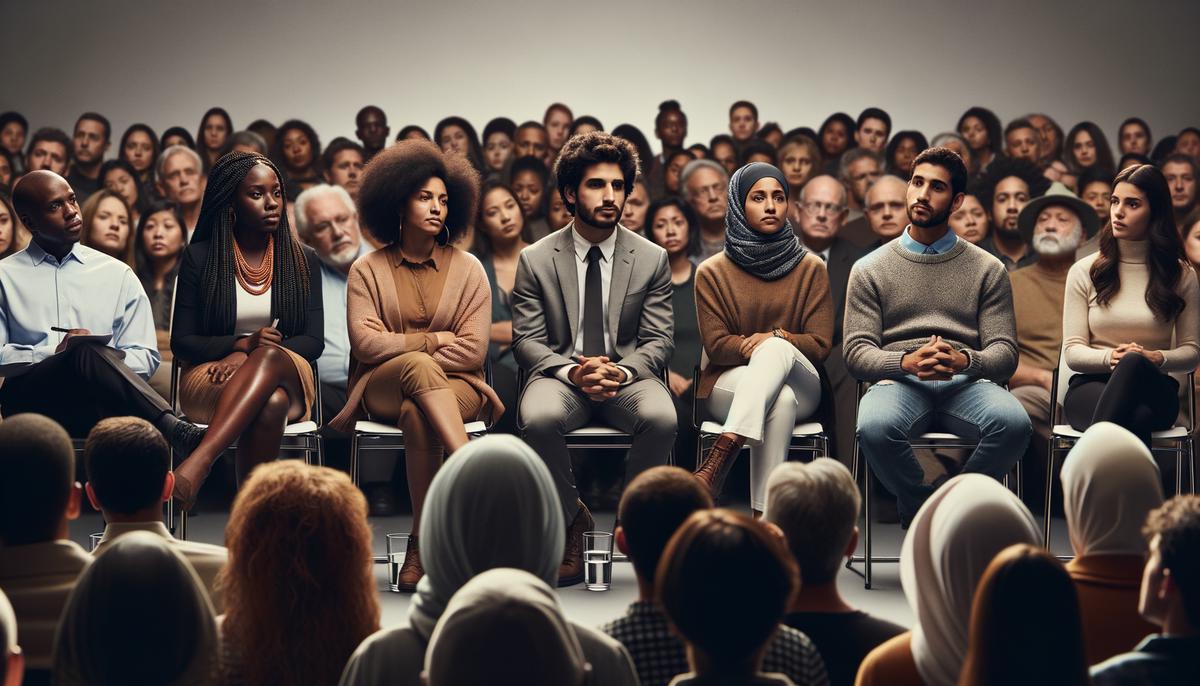
Solidarity is more than acknowledgment; it's a dynamic force that unites diverse communities in pursuit of justice and equality. Building effective coalitions requires recognizing shared goals while respecting unique challenges faced by different groups. This process involves active listening, empathy, and a willingness to engage with uncomfortable truths about privilege and power.
Successful coalitions evolve beyond temporary alliances into enduring partnerships built on shared values. This requires:
- Identifying intersectionalities within communities
- Ensuring inclusive and equitable efforts
- Diversifying leadership for genuine representation
Flexibility is key in coalition-building, allowing for adaptation to changing circumstances and new challenges. This resilience leads to innovative strategies and impactful change. Celebrating victories, both small and large, helps sustain momentum and renews commitment to the cause.
As we deepen interconnectedness, we harness the power of solidarity to elevate marginalized voices and amplify calls for justice. Building coalitions across diverse communities is not just a means to an end but the essence of sustainable and transformative change. These bonds have the potential to uplift entire communities, contributing to collective liberation.

Implementing Universal Design Principles
Universal Design provides a framework for reshaping social justice movements to ensure inclusivity and access. It advocates adapting environments to meet diverse needs rather than forcing individuals to conform to rigid structures. In social justice, this translates to crafting strategies and spaces that welcome and uplift varied voices and experiences.
Implementing Universal Design in advocacy means recognizing that participants engage with movements differently. This could involve:
- Hosting meetings through multiple platforms, including virtual options
- Offering information in various formats to accommodate different learning styles and abilities
Social justice initiatives should be scrutinized through an accessibility lens from the ground up. This approach goes beyond simple accommodations, asking how we can design inherently inclusive movements. The "curb-cut effect" demonstrates that when we center the needs of the most marginalized, everyone benefits.
"The curb-cut effect" describes how changes made for the purpose of disability access have much broader benefits.
Incorporating Universal Design principles requires ongoing learning and adaptation. Community input is vital, engaging those directly affected to listen, learn, and adjust accordingly. This intersection of Universal Design and intersectionality calls for authentic engagement and holistic understanding that respects every layer of identity.
While challenging, infusing movements with Universal Design principles promises to make social justice initiatives more equitable and far-reaching. It compels us to create environments where diversity is celebrated and supported, reminding us that justice and equity require thoughtful, intentional action.
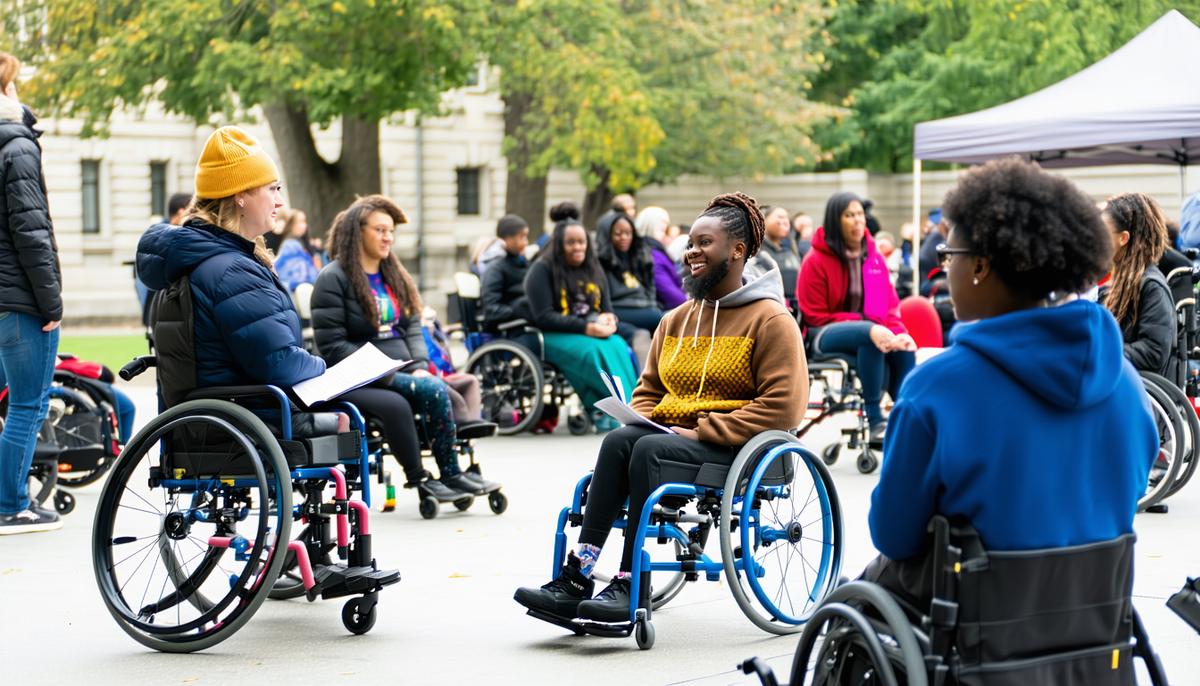
Recognizing intersectionality is vital for fostering inclusivity and fairness within social justice efforts. It amplifies marginalized voices and strengthens coalitions, paving a path to genuine equality where every voice contributes to shaping a just future.
- Blackwell AG. The Curb-Cut Effect. Stanford Social Innovation Review. 2017;15(1):28-33.
- Crenshaw K. Demarginalizing the Intersection of Race and Sex: A Black Feminist Critique of Antidiscrimination Doctrine, Feminist Theory and Antiracist Politics. University of Chicago Legal Forum. 1989;1989(1):139-167.
- CAST. Universal Design for Learning Guidelines version 2.2. 2018.