
Biodiversity Conservation
Indigenous communities have long been stewards of biodiversity conservation, their knowledge deeply rooted in traditions passed down through generations. Let's explore some examples of their environmental wisdom.
The Anishinaabe people's approach to land management reflects a deep understanding of ecological balance. Their hunting practices, such as targeting only male deer during specific seasons, help control populations while respecting cultural beliefs.
In New Zealand, Māori customary practices revolve around kaitiakitanga, emphasizing guardianship of the ocean. They take only what's needed and manage fishing grounds with seasonal restrictions, effectively protecting marine ecosystems.
The Yawanawa tribe of the Amazon basin integrates sustainable land management into their culture through sacred stories. Their intimate knowledge of plant life serves as a living herbal encyclopedia, contributing to ecosystem preservation.
In the Kalahari Desert, the San people have perfected sustainable hunting techniques. Their expertise in tracking and understanding animal migrations allows them to maximize resources while minimizing environmental impact.
Indigenous peoples along the North American Buffalo Plains have long maintained a sacred relationship with bison. Through controlled hunting and rituals, they've helped preserve bison herds and maintain grassland ecosystems.
These examples demonstrate how indigenous knowledge continues to guide sustainable practices, offering valuable lessons in resilience, respect, and responsibility towards nature.

Sustainable Agriculture
Indigenous communities have developed sustainable agricultural practices that work in harmony with natural cycles, promoting ecological health and food security.
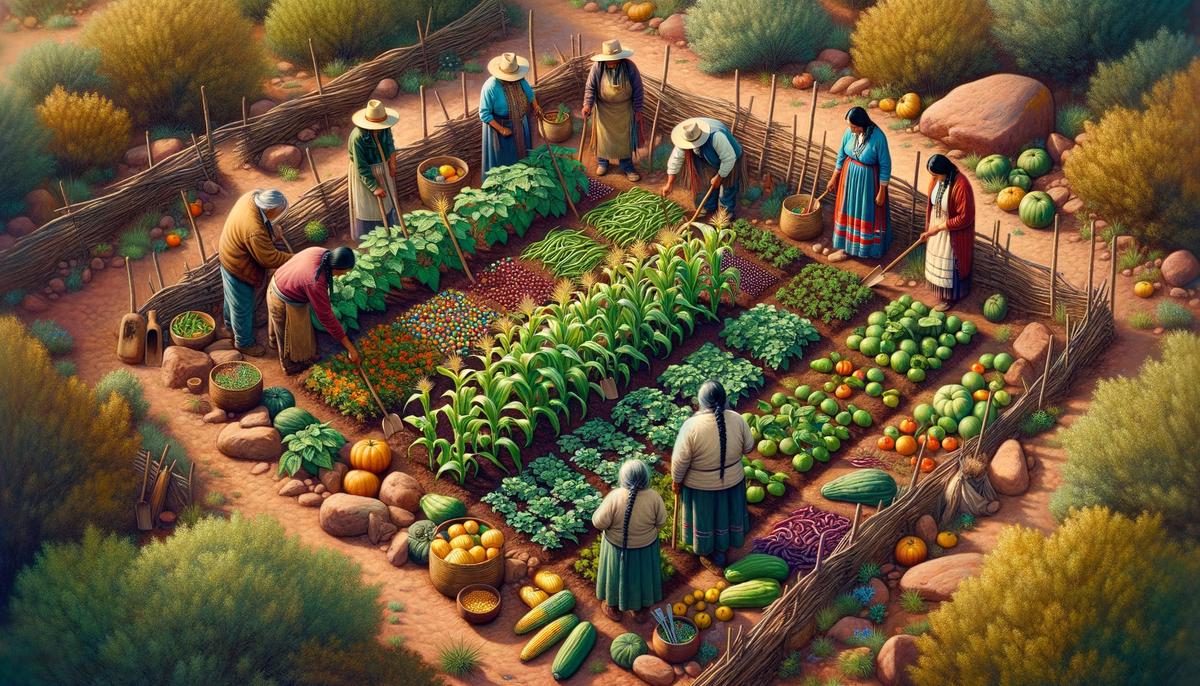
- The Hopi tribe in the American Southwest cultivates the "Three Sisters" – corn, beans, and squash – in a symbiotic arrangement that maximizes nutrient cycling and pest control without synthetic inputs.
- In the Amazon, the Kayapó people practice agroforestry, integrating trees and shrubs with crops. This approach creates habitat diversity, improves soil health, and combats erosion while capturing carbon dioxide.
- The Ifugao farmers of the Philippines have created terraced rice paddies that efficiently manage water flow, control soil runoff, and distribute water evenly across mountainous terrain.
- In the Andes, Quechua and Aymara communities use vertical farming, cultivating various crops at different altitudes to maximize food security and enhance soil nutrients through diversity.
Indigenous farmers on the Plains integrate organic fertilizers from natural sources like fish, seaweed, and compost. The Penobscot Nation, for example, has long used fish as a natural fertilizer, replenishing soil with marine minerals and nutrients.
These diverse farming systems demonstrate how indigenous communities view agriculture as an intimate partnership with the land, offering valuable insights for sustainable food production.
Water and Fire Management
Indigenous communities have developed sophisticated methods for managing water and fire, supporting and enhancing their environments.
The Zuni people of the American Southwest have constructed intricate systems of ditches and terraces to channel rainwater efficiently, reducing soil erosion and maximizing agricultural output in arid landscapes.
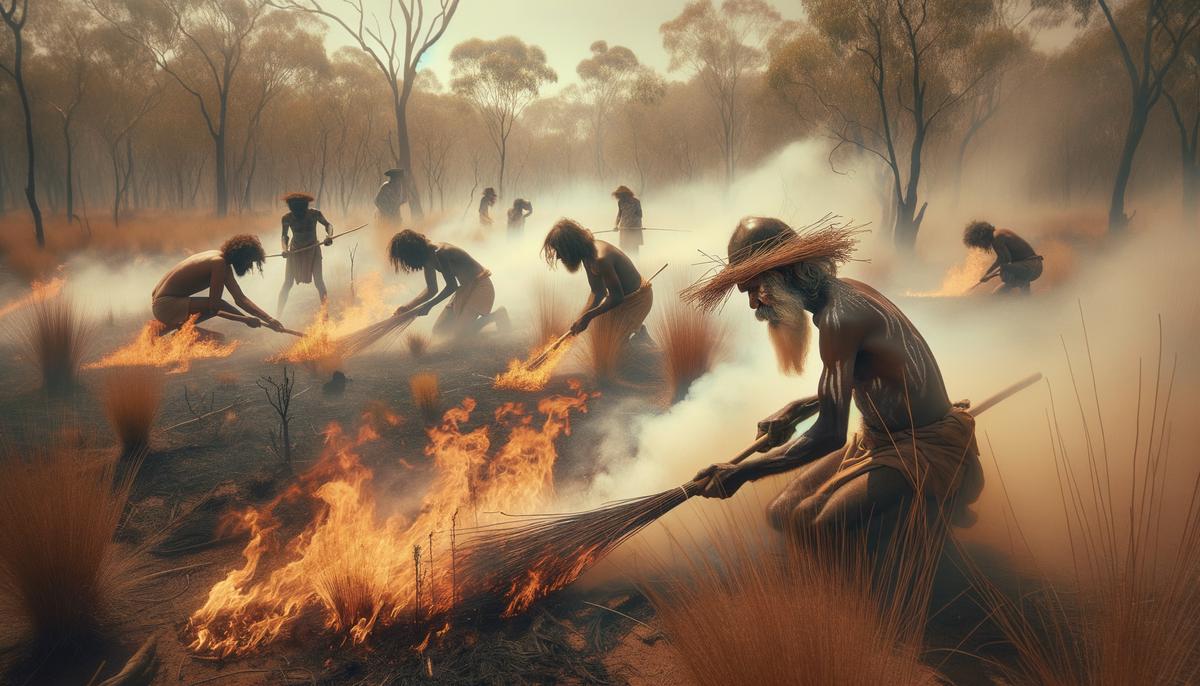
In Australia, Indigenous communities practice 'fire-stick farming,' using controlled burns to manage grasslands and prevent devastating wildfires. This technique encourages new growth and nurtures biodiversity.
The Enawene Nawe tribe in the Amazon employs wooden dams for fish farming, aligning their practices with the river's natural rhythm. This method intertwines food production with ecological stewardship.
The Anishinaabe understand the critical role of wetlands in nourishing the land. Their careful water management preserves these vital ecosystems, allowing for natural filtration and habitat maintenance.
In northern regions, the Inuit practice careful water resource conservation by understanding snow layers and ice patterns. Their knowledge, passed through generations, reflects an intimate bond with their icy environment.
These practices demonstrate how Indigenous peoples have both shaped and been shaped by their environments, offering valuable lessons in harmony and adaptation as we face global environmental challenges.
Climate Change Adaptation
Indigenous communities have developed keen observational skills and adaptive strategies to navigate climate change, drawing on deep cultural ties to the land.
- The Inupiat people of Alaska have traditionally mapped sea ice using their senses. As ice patterns shift, they adjust hunting and fishing schedules, balancing community needs with environmental stewardship.
- In Africa, the Maasai employ flexible livestock management, using intricate knowledge of migratory routes and seasonal grazing patterns to adapt to periods of drought. They rotate grazing lands and implement resource-sharing agreements with neighboring tribes.
- Indigenous peoples of the Solomon Islands predict weather shifts by observing changes in wind patterns and cloud formations. They adapt fishing techniques and crop planting cycles to maintain food security amid changing climate conditions.
- Australian Aboriginal communities use their traditional songlines to decipher environmental changes, allowing them to anticipate bushfire seasons, manage rain cycles, and identify drought-resistant foliage.
- In South America, Andean farmers practice Andean astrology, observing star constellations to estimate rainfall and prepare for potential climate upheavals. This celestial guidance informs their agricultural calendar and enhances crop resilience.
These examples of indigenous climate wisdom demonstrate how communities adapt to change while maintaining balance with the earth. Their knowledge offers valuable insights for addressing climate challenges, blending age-old traditions with emerging environmental realities.

Cultural Preservation and Resource Management
Indigenous communities offer valuable lessons in sustainable resource management through their cultural practices and traditional governance systems. These communities demonstrate how cultural heritage can motivate responsible environmental stewardship and prevent overexploitation of natural resources.
The Navajo's Diné philosophy of Hózhó, emphasizing harmony and balance, shapes their governance structures and decision-making processes regarding land use. This cultural compass guides the community towards actions that maintain equilibrium with their environment.
The Haida of the Pacific Northwest exemplify how oral histories and clan systems can influence modern environmental policy. Their traditional laws, passed down through generations, emphasize conservation and sustainable harvesting of resources like salmon and cedar.
In the Xingu River Basin, the Kayapó Tribe's cultural rituals, such as the Kujama festival, celebrate their bond with nature while sharing vital ecological knowledge. This cultural persistence forms the foundation of their resistance to destructive environmental practices.
Aboriginal Australians maintain a sacred relationship with their lands through Dreamtime stories and complex kinship systems. Practices like fire-stick farming, mediated through cultural gatherings, ensure resources are managed with reverence for all life forms.
The Sámi people of Nordic regions combine reindeer herding traditions with environmental care, balancing the health of both animals and tundra. Their local assemblies, known as Siida, demonstrate how sustainable resource management intertwines with cultural worldviews.
These examples illustrate that when cultural practices guide environmental governance, they establish enduring sustainability. By preserving their heritage, indigenous communities maintain a deep-seated responsibility for their ecosystems, offering inspiring models for treading lightly on the earth.
Key Indigenous Contributions to Environmental Sustainability:
- Conservation of biodiversity
- Sustainable agricultural practices
- Traditional water management systems
- Fire ecology and controlled burning techniques
- Climate change adaptation strategies
- Community-based resource management

Indigenous wisdom exemplifies sustainable living, offering valuable insights into maintaining ecological balance. By embracing these lessons, we can foster a more harmonious relationship with our environment, benefiting future generations.
"Indigenous knowledge is vital to environmental sustainability because it encompasses traditional practices and understanding developed over generations that are uniquely adapted to local ecosystems."
The integration of indigenous knowledge into modern environmental practices can lead to more comprehensive and effective approaches to sustainability. This synergy between traditional wisdom and contemporary science holds promise for addressing current global environmental challenges.