The Progressive Movement's Impact on Civil Rights
The Progressive Movement of the early 20th century addressed various societal issues, including civil rights. While not uniform, it aimed to tackle problems like political corruption and unchecked corporate power. Progressives sought a more transparent government serving everyday citizens rather than the wealthy elite.
Women's suffrage became a focal point, with figures like Sarah Dudley Pettey advocating for broader rights. However, racial exclusion persisted, particularly affecting African American women who faced marginalization despite progressive ideals.
Labor rights emerged as another significant arena for change. Rose Schneiderman's efforts in labor activism contributed to safer working conditions and fairer wages, arguing for worker dignity as a societal priority.
The movement's global impact was complex, particularly regarding U.S. territorial expansion following the Spanish-American War. Some saw opportunities to extend domestic reforms abroad, while others worried about imperialist implications.
Politically, Progressive factions pulled in various directions. Leaders like Theodore Roosevelt embodied the paradox of combining internal reform with outward expansion.
African Americans' struggle for civil rights continued, as Jim Crow laws and voter disenfranchisement tactics undermined gains made during Reconstruction.
The Progressive era's ideals influenced later movements against socio-economic injustices and racial disparities, demonstrating the complex nature of progress in American history.
African American Struggles and Progress
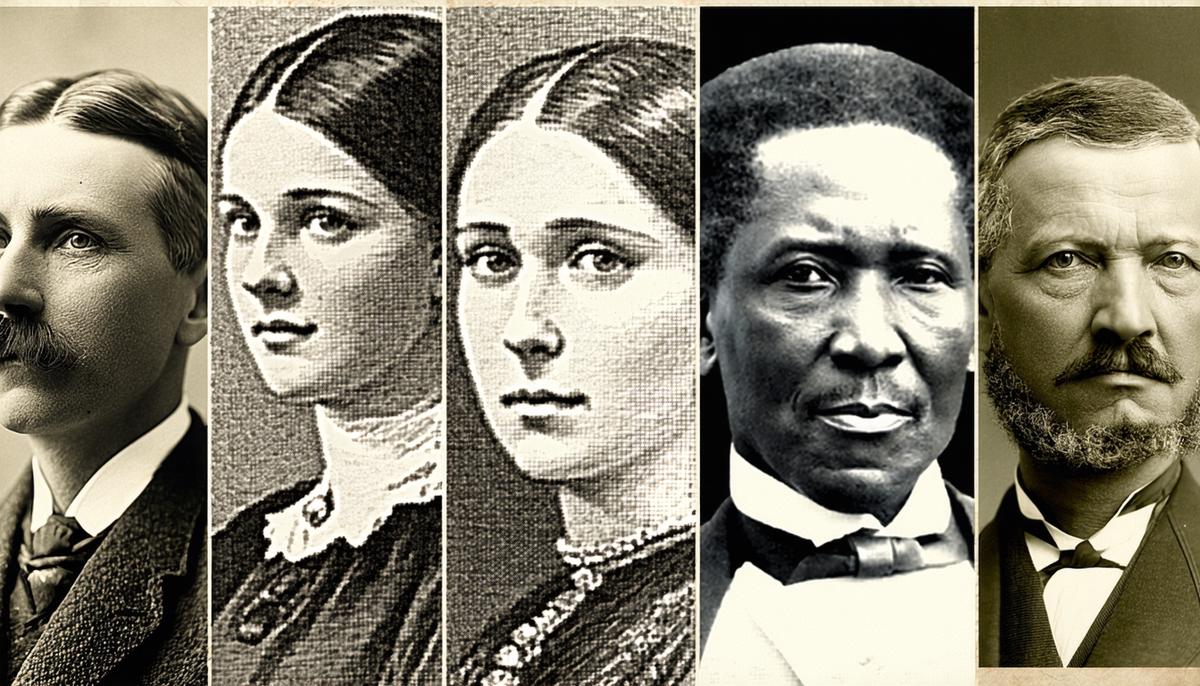
African Americans faced a stark contrast between post-Civil War optimism and subsequent disillusionment during the Progressive Era. The Thirteenth, Fourteenth, and Fifteenth Amendments initially promised equal participation, but these gains were quickly undermined by new laws and restrictions designed to suppress African American advancement.
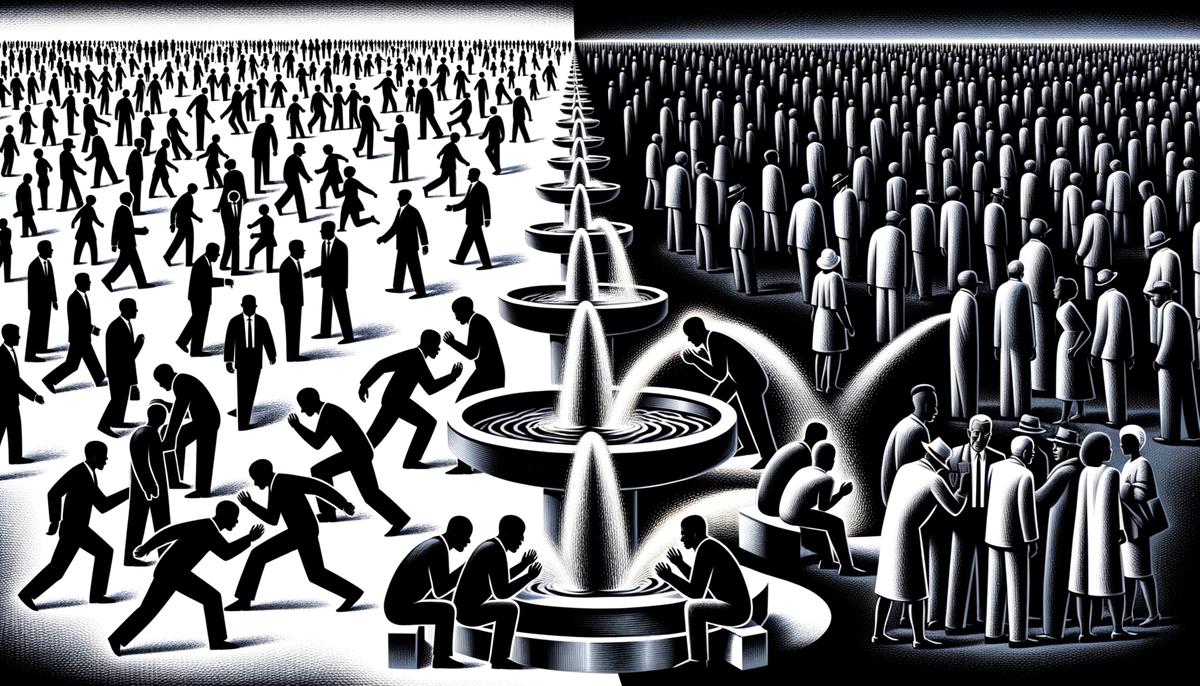
Jim Crow laws emerged as a symbol of enduring racial division, legally enforcing segregation under the guise of "separate but equal" mandates. Violence, including lynchings, became a tool to reinforce racial hierarchies.
Despite these challenges, the vision of equality fueled the civil rights movement. Leaders like Dr. Martin Luther King Jr. and Rosa Parks galvanized communities to resist injustice through sit-ins, boycotts, and protest marches.
The struggle led to significant legislation, including the Civil Rights and Voting Rights Acts, echoing Reconstruction's spirit. While not complete solutions, these acts marked unprecedented progress towards a more equitable society.
The African American fight during this era exemplifies resilience in the face of adversity, playing a vital role in driving America towards greater equality.
Women's Role in Civil Rights and Democracy
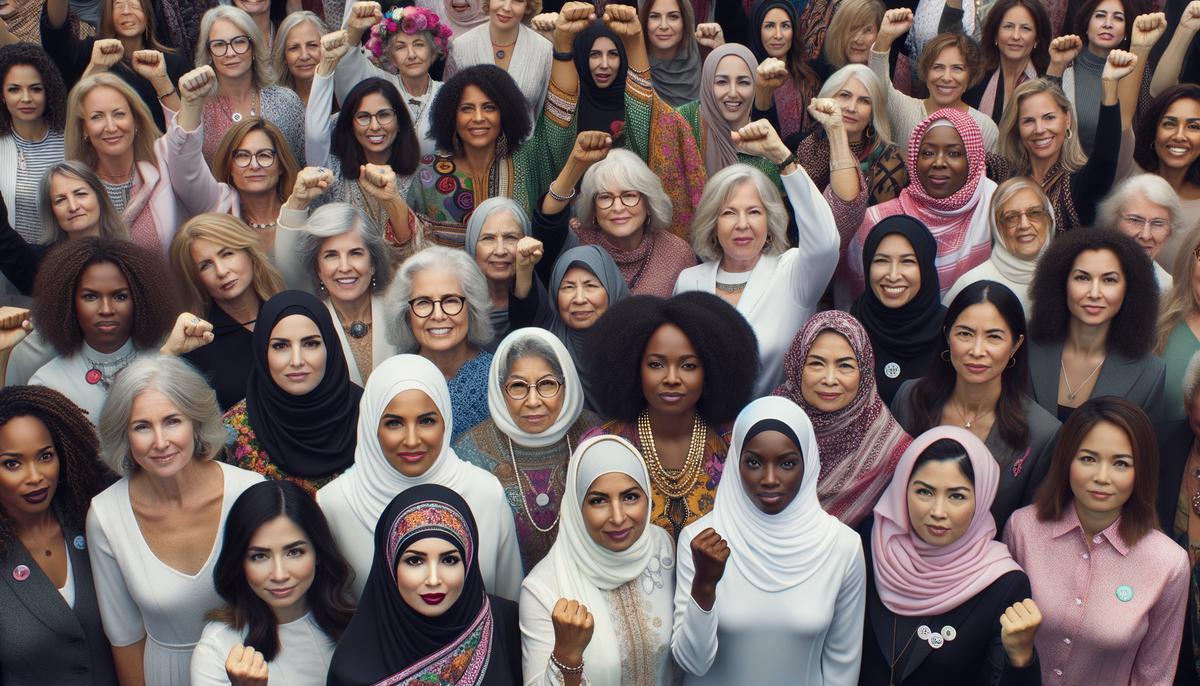
Women have been powerful advocates for civil rights and democratic reform, often championing broader societal transformations beyond suffrage and equality. Their efforts have frequently aligned with pro-democratic movements, demonstrating a commitment to comprehensive justice.
In the United States, figures like Rosa Parks catalyzed the civil rights movement. Women's impact extended beyond individual acts, providing crucial coordination, strategy, and vision for protests and rallies.
Globally, women have consistently challenged repressive regimes, often at great personal risk. In countries like Belarus and Myanmar, they have been at the forefront of resistance against authoritarian rule.
Women's activism has faced significant challenges, including gendered backlash and attempts to co-opt their movements. However, they persist in demanding political space and representation, challenging societal norms and setting new standards for inclusive governance.
The growth of women's movements in pro-democratic struggles underscores their integral role in shaping resistance narratives and broadening democracy movements. These efforts highlight the symbiotic relationship between gender equality and democratic integrity, emphasizing the need to dismantle oppressive systems and champion underrepresented voices.
Labor Movements and Civil Rights
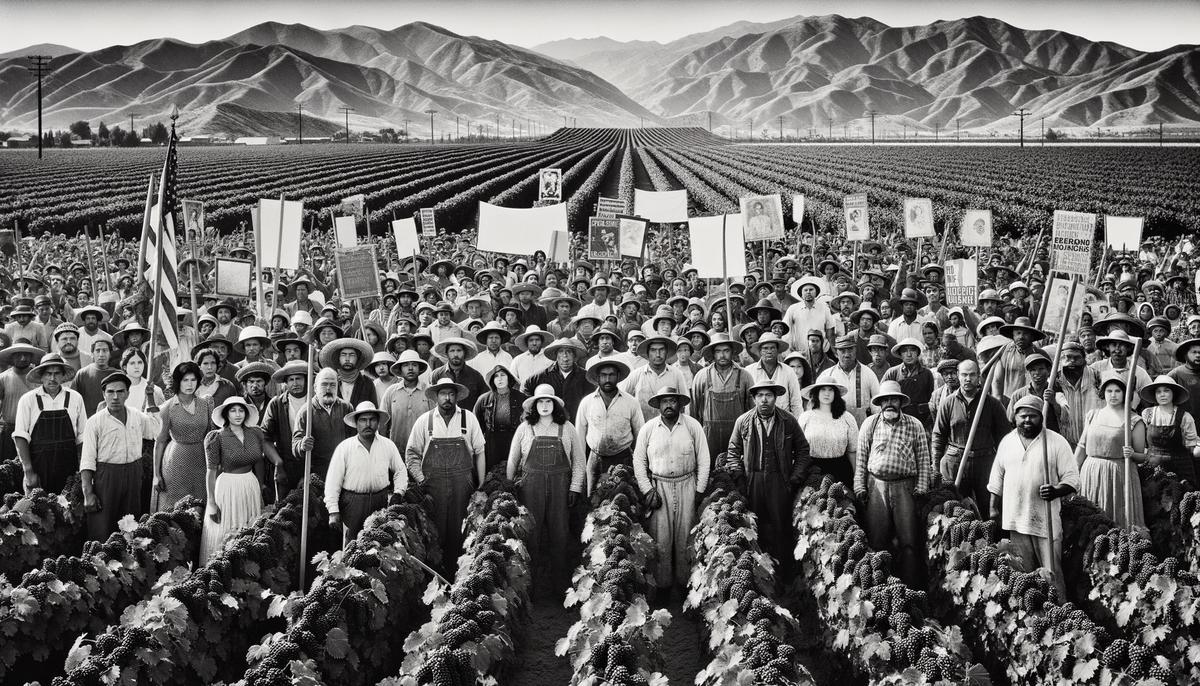
Labor movements have often intersected with civil rights efforts, both aiming to uplift marginalized groups and promote systemic change. The United Farm Workers (UFW), co-founded by Cesar Chavez and Dolores Huerta in the 1960s, exemplifies this connection. The UFW advocated for agricultural workers' rights, uniting diverse communities in the struggle for fair labor practices.
The Delano grape strike, initiated by Filipino labor leader Larry Itliong, showcased the power of cross-cultural solidarity. These campaigns embraced nonviolent resistance and formed alliances with other social movements, demonstrating the inherent link between labor justice and broader fights for equality.
Labor leaders like Rose Schneiderman advocated for workers' rights and gender equality, emphasizing that equitable treatment should extend across industries and lay the groundwork for widespread societal reform.
In recent decades, labor activism has evolved to address challenges posed by globalization and technological advancements. Modern advocates like Ai-jen Poo champion domestic workers' rights, highlighting persistent gaps in labor protections and calling for policy reform.
The intersection of labor movements and civil rights reflects a shared commitment to justice and underscores the transformative potential of collective action. By persevering in these struggles, we strive for a future where all workers receive the dignity, respect, and rights they deserve.
In the course of history, the persistent pursuit of justice and equality stands as a testament to the enduring spirit of those who challenged the status quo. The journey is marked by both triumphs and setbacks, yet the unwavering resolve to create a more equitable society remains the most compelling legacy.
- Gilmore G. The Progressive Movement and U.S. Foreign Policy, 1890-1920s. Office of the Historian, Foreign Service Institute, United States Department of State.
- Pettey SD. The Up-To-Date Woman. Star of Zion. 1896.
- Williams v. Mississippi, 170 U.S. 213 (1898).
- Plessy v. Ferguson, 163 U.S. 537 (1896).
- Brechenmacher S, Jones E, Zihnioğlu Ö. Women's Roles in Democratic Resistance. Carnegie Endowment for International Peace. 2023.
- MacArthur Fellows Program. Ai-jen Poo, Labor Organizer. MacArthur Foundation. 2014.
- Asian Americans. Larry Itliong: Filipino American Farmworkers. PBS. 2020.
- Unladylike2020. Rose Schneiderman. PBS. 2020.