The struggle for civil rights in America has been a long journey, marked by significant milestones and ongoing challenges. From landmark court decisions to grassroots activism, the fight against systemic racism has shaped the nation's history and continues to influence its present. Understanding the context and persistent issues is crucial for anyone committed to social justice.
Historical Context of Civil Rights Achievements
The 1954 Brown v. Board of Education decision declared segregated schools unconstitutional, marking a shift in American society. The NAACP's legal strategy and contributions from figures like Thurgood Marshall played pivotal roles in overturning the "separate but equal" doctrine.
The Civil Rights Act of 1964 tackled discrimination head-on, banning racial segregation in public places and employment discrimination. This legislation was the result of years of work by leaders like Dr. Martin Luther King Jr. and organizations such as the Southern Christian Leadership Conference (SCLC).
The Voting Rights Act of 1965 secured genuine voting rights for African Americans, dismantling Jim Crow laws that had suppressed Black voters. The SCLC's Selma to Montgomery marches highlighted the brutal reality for Black voters and galvanized national support.
Icons such as Rosa Parks and James Meredith challenged barriers. Parks' refusal to give up her bus seat sparked the Montgomery Bus Boycott, while Meredith's enrollment at the University of Mississippi required federal intervention to enforce desegregation.
Daisy Bates aided the Little Rock Nine in integrating Central High School, necessitating the deployment of federal troops by President Dwight Eisenhower. Bayard Rustin, often working behind the scenes, organized the logistics for the 1963 March on Washington.
Grassroots actions, like the Greensboro sit-ins and Freedom Rides, propelled the movement forward. Students from the Student Non-Violent Coordinating Committee (SNCC) endured harassment to desegregate lunch counters and interstate buses.
These legislative victories required relentless activism. Key organizations and brave individuals catalyzed monumental changes, proving that systemic injustice can be dismantled through persistent effort and courage.
Ongoing Challenges and Systemic Racism
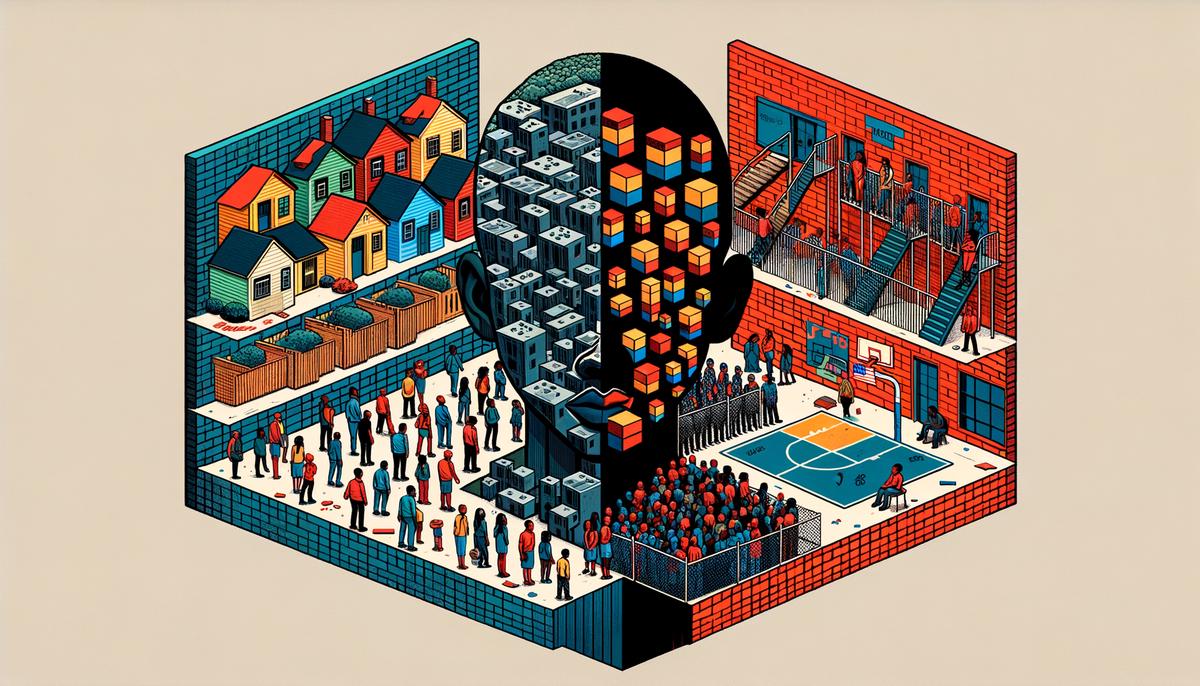
Despite significant progress, systemic racism persists in various aspects of American society. Housing discrimination, though illegal, continues to impact Black communities. The practice of redlining has left lasting scars, contributing to ongoing racial segregation and economic disparity. Today, Black homeownership rates lag behind those of white Americans, and neighborhoods remain largely segregated.
Education faces similar challenges. Many schools remain segregated by race and socioeconomic status due to school funding disparities stemming from property taxes. This results in unequal resource allocation between schools in wealthy, predominantly white neighborhoods and those in poorer, minority-majority areas.
The criminal justice system starkly illustrates systemic racism. Black Americans are incarcerated at nearly five times the rate of white Americans, not due to higher crime rates but because of systemic biases. From over-policing in Black neighborhoods to harsher sentencing, the criminal justice system perpetuates racial inequalities.
The war on drugs has disproportionately impacted Black communities, despite similar drug usage rates across racial groups. Policies like mandatory minimum sentences have exacerbated social inequalities, and racial disparities persist in capital punishment and police violence.
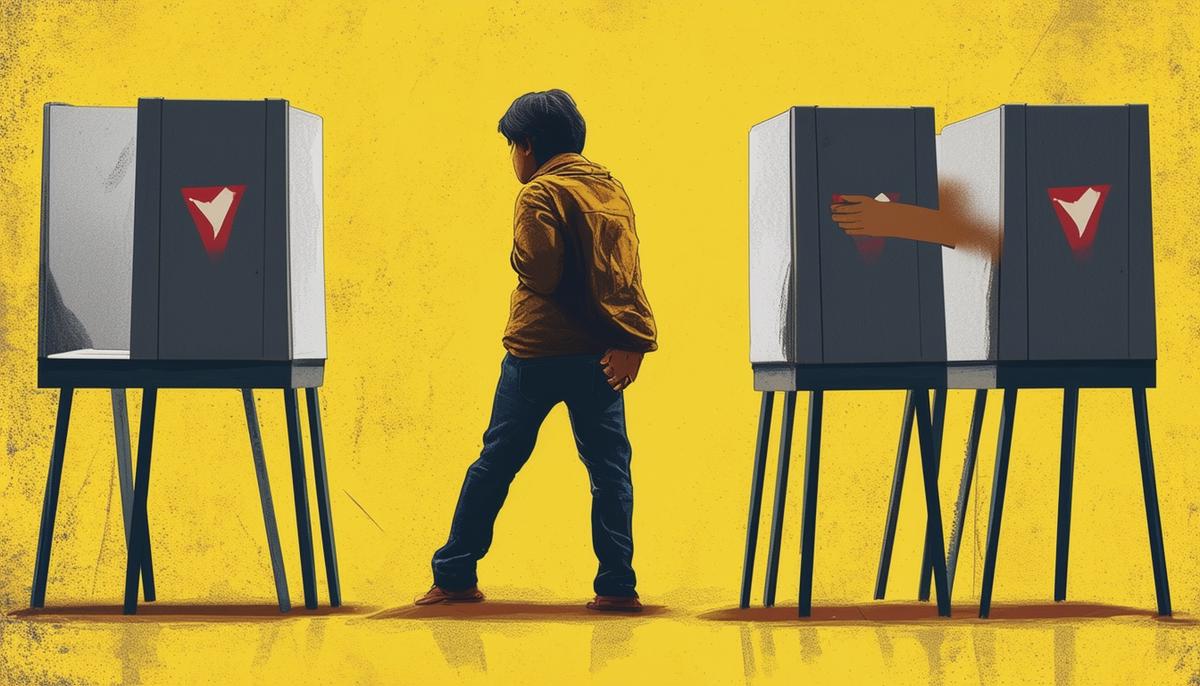
Voter suppression tactics, such as strict voter ID laws and voter roll purges, continue to target communities of color. The Supreme Court's 2013 Shelby County v. Holder decision weakened the Voting Rights Act of 1965, allowing states with histories of discrimination to impose new voting barriers without federal oversight.
Addressing these entrenched issues requires confronting our history of racial injustice, acknowledging present-day ramifications, and committing to enduring systemic changes. Comprehensive policy efforts are needed, including:
- Passing the John Lewis Voting Rights Advancement Act
- Reforming the criminal justice system
- Ensuring equitable distribution of public resources in education and housing
While the path to true equality is challenging, every protest, vote, and voice raised in the ongoing fight for justice brings us closer to a reality where freedom and equality are not just aspirations but realities for all.
Modern Legislative and Judicial Setbacks
Recent years have seen significant legislative and judicial setbacks to civil rights protections. The Supreme Court's 2013 decision in Shelby County v. Holder dismantled the preclearance requirement of the Voting Rights Act of 1965, allowing states with histories of racial discrimination to change voting laws without federal approval.
Following this ruling, many states implemented restrictive measures that disproportionately affect communities of color. Voter ID laws, while purportedly aimed at preventing voter fraud, often require specific types of identification less likely to be held by Black and Latino voters. These laws can create barriers due to factors such as:
- Travel times to ID-issuing offices
- Financial costs
- Lack of supporting documentation
Aggressive voter roll purges have also increased, potentially removing eligible voters without adequate notice. In 2017, Georgia purged over half a million voters from its rolls, with a disproportionate number coming from Black neighborhoods.
These actions undermine democratic participation and exacerbate disenfranchisement. When people feel the system is biased against them, it can lead to voter apathy and decreased turnout, further cementing existing power imbalances.
Advocacy groups are working to combat these setbacks through litigation, public awareness campaigns, and mobilization efforts. The push to pass the John Lewis Voting Rights Advancement Act aims to restore and strengthen protections by requiring states with histories of voter discrimination to clear changes to voting laws with federal officials.
While these setbacks are concerning, they also highlight the importance of continued activism and engagement. The resilience of advocates and citizens keeps the spirit of the Civil Rights Movement alive, demonstrating that the struggle for equality, though challenging, is ongoing and vital.
Grassroots Movements and Advocacy
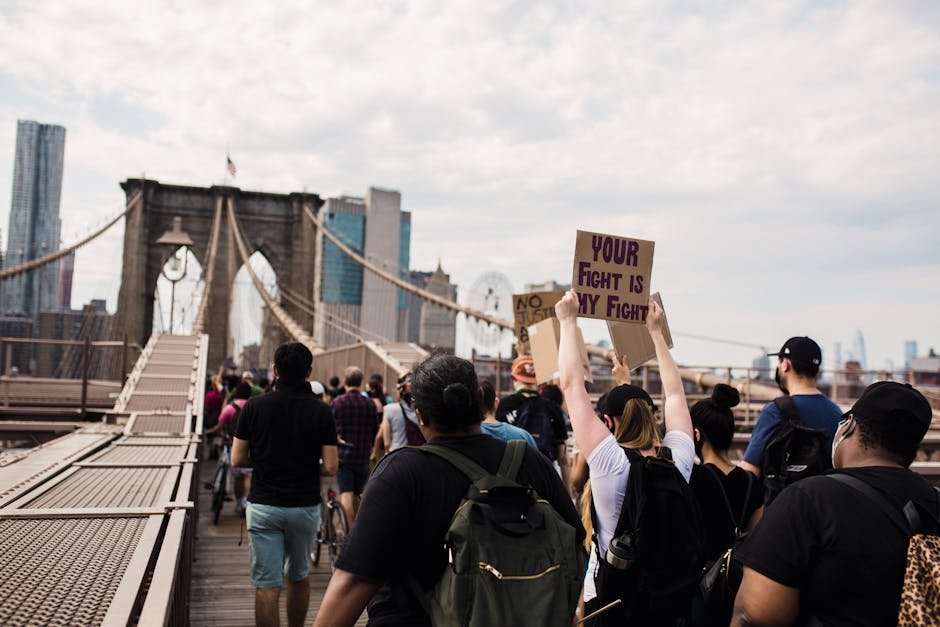
Grassroots movements have been crucial in the fight for racial justice. These movements are driven by ordinary people demanding change, from the Greensboro sit-ins to the Ferguson protests. Their effectiveness stems from authenticity and immediacy, often operating outside traditional systems that have marginalized Black voices.
Direct action is a powerful strategy used by grassroots organizations. The peaceful sit-ins at Woolworth's lunch counters in the 1960s exemplify this approach, where Black students endured harassment to desegregate public spaces. Today, movements like Black Lives Matter (BLM) continue this tradition, utilizing social media to mobilize supporters.
Grassroots efforts extend beyond street protests:
- The National Domestic Workers Alliance (NDWA) advocates for labor rights for Black and Brown domestic workers
- Local mutual aid networks provide essential resources directly to communities in need, especially during crises like the COVID-19 pandemic
However, these movements face significant challenges:
- Misinformation and discrediting tactics paint them as anarchistic or divisive
- Funding and resource allocation are ongoing struggles
- Legislative attacks, such as anti-protest laws and increased surveillance, aim to stifle dissent
Despite these hurdles, grassroots organizations have achieved notable successes. The movement to reallocate police department budgets towards community services has gained traction in some municipalities. Voting rights activism played a crucial role in the 2020 elections, with organizations like Fair Fight working to ensure safe voting conditions and combat misinformation.
The combined efforts of grassroots organizations reflect a resilient force in the ongoing struggle for racial justice. They demonstrate that real change often starts at the community level, pushing us closer to an inclusive future through collective action and community solidarity.
Economic Inequality and Employment Discrimination
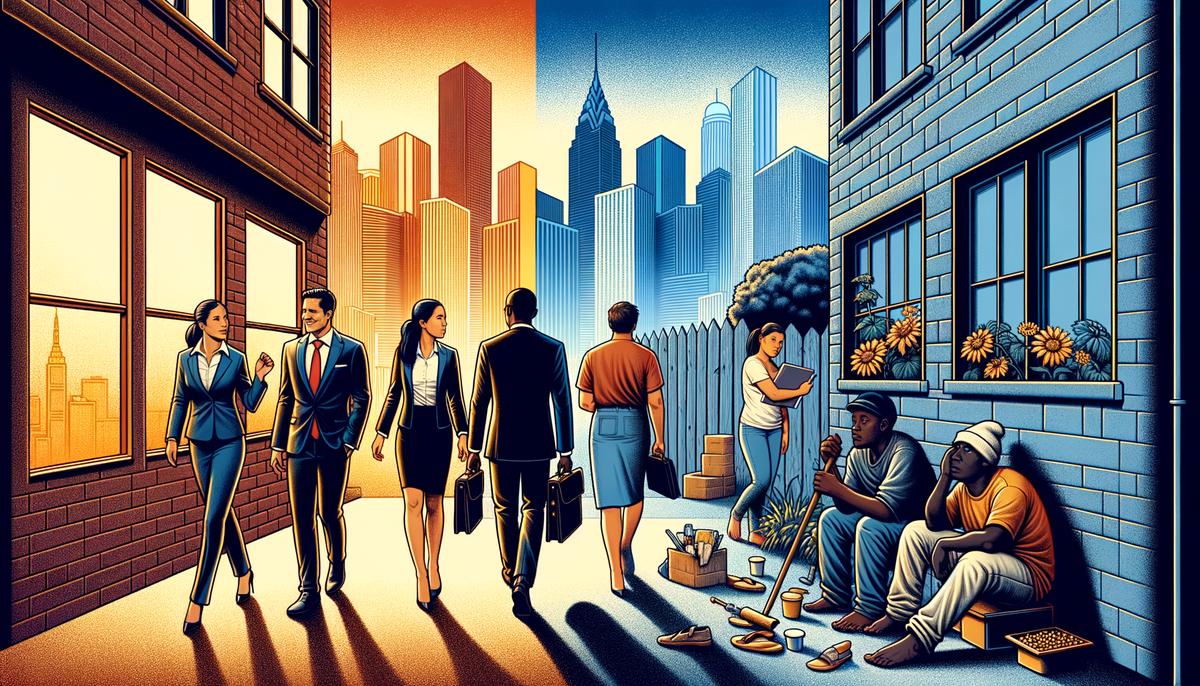
Economic disparities faced by communities of color are multifaceted and deeply rooted. The persistent wage gap remains a significant issue, with Black Americans earning substantially less than their white counterparts. This discrepancy reflects the systematic barriers impeding economic progress for communities of color.
Employment discrimination continues to be a major factor, despite legislation like the Civil Rights Act of 1964. Studies show that job applicants with names that sound distinctly Black are less likely to receive callbacks compared to those with white-sounding names, even with identical resumes. Within workplaces, Black professionals often face:
- Microaggressions
- Lack of mentorship opportunities
- Limited access to promotions and leadership roles
Access to higher education, often seen as a path to economic mobility, presents its own challenges. Black students are more likely to incur substantial student loan debt, limiting their financial flexibility and ability to accumulate wealth over time.
Homeownership, a traditional avenue for building generational wealth, reveals further disparities. Historically redlined neighborhoods continue to suffer from undervaluation, and Black homeowners often face higher mortgage rates, even with similar credit profiles to white homebuyers.
The gig economy, while offering flexible opportunities, often lacks the protections and benefits of traditional employment, disproportionately affecting workers of color. Limited access to healthcare, unstable income, and lack of retirement benefits compound the financial vulnerability of these communities.
These economic issues have far-reaching impacts, affecting mental health, life expectancy, and access to quality healthcare and safe living conditions. Addressing these disparities requires multi-pronged approaches, including:
- Rigorous enforcement of anti-discrimination laws
- Fair lending practices
- Comprehensive support for education
- Policies that elevate economic opportunities for Black communities
Community-based economic initiatives, such as cooperative businesses and financial literacy programs, can help build economic resilience. Legislative measures like raising the minimum wage and securing paid leave would also significantly benefit communities of color.
The struggle for economic justice is deeply intertwined with the broader fight for racial equality. It calls for action that goes beyond rhetoric to transform the economic landscape for all, dismantling discriminatory practices and demanding policies that support true economic mobility.
Future Directions and Policy Recommendations
Addressing racial injustices requires a comprehensive strategy encompassing legislative efforts and grassroots initiatives. Key legislative priorities include:
- The John Lewis Voting Rights Advancement Act, which aims to restore and strengthen voting protections
- The George Floyd Justice in Policing Act, which proposes reforms to increase accountability and transparency in law enforcement
Economic policies must address income inequality and employment discrimination. Crucial steps include:
- Raising the minimum wage to a living wage
- Ensuring jobs come with essential benefits
- Expanding and protecting programs supporting Black business owners and entrepreneurs, like the Fearless Fund
Education reforms should focus on:
- Equitably funding public schools
- Reducing student loan debt burdens
- Increasing support for historically Black colleges and universities (HBCUs)
Housing policies need to address the long history of discrimination, including vigorous enforcement of the Fair Housing Act and assistance programs for first-time Black homebuyers.
Environmental justice must be integrated into climate change strategies, ensuring clean air, water, and safe living conditions for all communities. Investing in sustainable infrastructure and green jobs can provide both environmental benefits and economic opportunities.
Community initiatives play a vital role in bridging gaps where government programs fall short. Local mutual aid networks, community development corporations, and economic cooperatives create resilient, self-sustaining communities that buffer against systemic inequities.
Public policy should be responsive to community needs, involving inclusive dialogue and participatory decision-making processes. Reparative justice initiatives, recognizing historical wrongs and taking concrete steps to address them, should form part of a broader framework for equality.
While challenges remain, the path forward is clear. Through a combination of robust legislative reforms, economic equity initiatives, community-based projects, and reparative justice measures, we can build a future where equality is not just an aspiration but a reality. This ongoing fight requires vigilance, resilience, and a collective commitment to justice in all its forms.
The journey toward racial equality is ongoing, but each step forward brings us closer to a society where justice is a reality. By addressing systemic issues through comprehensive policies and community-driven initiatives, we can create a future of equal opportunity. While challenges persist, meaningful change is achievable through resilience and collective action.