
Amid discussions about societal issues, certain stories often capture public attention, shaping perceptions and influencing debates. By examining these topics critically, we can uncover insights that challenge prevailing assumptions and foster informed dialogue.
1. The Prevalence of Defensive Gun Use
Defensive gun use (DGU) is often portrayed as a common occurrence necessary for personal safety. However, rigorous data tells a different story. The Gun Violence Archive reports between 1,195 and 2,119 verified DGUs each year. The National Crime Victimization Survey indicates only around 70,000 DGUs occur annually—far fewer than the figures cited by gun rights advocates.
More concerning is the legality of these defensive actions. In more than half of the recorded instances, the defensive gun use itself violates laws. Guns are utilized far more frequently in criminal acts than in legitimate self-defense. This imbalance challenges the argument that carrying a firearm significantly benefits societal safety.
The idea that firearms offer the best protection against harm or theft also falters under scrutiny. Comparative research reveals that guns do not outperform other self-defense tactics in ensuring personal safety or property security. In many cases, firearms designated for self-defense paradoxically increase the risk of becoming a victim, particularly through unauthorized access or theft.

2. Defensive Gun Use's Societal Benefits
Gun ownership, as an alleged deterrent to crime, often stands on shaky ground. The data shows that countries with higher gun ownership see elevated rates of gun violence, not reduced crime. This proliferation of firearms frequently worsens rather than alleviates societal issues.
When guns are used for self-defense, the romanticized notion that these actions preserve peace and protection collapses under real-world scrutiny. Most defensive gun use (DGU) incidents are actually more detrimental to society than beneficial. Conflicts that could have been resolved without violence sometimes end in unnecessary fatalities due to the presence of firearms.
The ripple effect of increased gun ownership is far-reaching, fostering an environment of fear and distrust, rather than safety and security. The presence of firearms often invites crime, conflicts, and chaos, complicating the complex issues of self-defense and societal welfare.

3. Best Self-Defense Methods
Research consistently demonstrates that guns do not offer the ultimate safeguard they're often portrayed to be. In many scenarios, choosing gun-free self-defense methods can actually present a more effective and less perilous path to personal security.
Alternatives to carrying a gun prove compelling and versatile. Participating in self-defense courses can be highly beneficial, offering practical skills like evasive maneuvers, defensive holds, and assertive communication techniques. These methods emphasize de-escalation and personal empowerment.
Technology today provides innovative ways to protect oneself. Personal safety apps with GPS tracking, emergency alerts, and contacts can quickly alert others to one's location in danger. Personal alarms or pepper spray serve as non-lethal deterrents that can disorient an aggressor long enough to escape and seek help.
Studies indicate attackers are less likely to advance when the situation doesn't involve firearms, affirming the value of non-lethal defense mechanisms. Engaging the body's natural responses, such as yelling or running, are also powerful tactics to gain attention and prevent escalation.
Emphasizing non-violent approaches not only fosters personal security but also contributes to a broader culture of peace, diminishing the societal infatuation with firearms as a primary defensive recourse.

4. Voter Fraud Allegations
Despite alarmist claims suggesting rampant voter fraud, a wealth of empirical research tells a different story. The Brennan Center for Justice has thoroughly examined allegations of voter fraud and found them notoriously scarce. Their analysis aligns with numerous investigations, including those commissioned by the recent U.S. presidential administration, which unveil a sobering reality: legitimate instances of voter fraud are vanishingly rare.
Noncitizen voting—a hotbed of controversy in misinformation campaigns—is virtually nonexistent. Federal laws strictly prohibit noncitizens from registering or voting, and breaches result in serious legal consequences.
Exaggerated fraud claims not only distort the democratic discourse but also pave the way for restrictive voting measures that disenfranchise millions of eligible voters. This disproportionate response shifts the focus from enhancing accessibility to erecting barriers, undercutting the democratic principle of inclusive participation.
In fostering democracy's health, it is crucial to emphasize evidence-based understanding over fear-driven agendas. Empowering voters with accurate information allows for informed participation and safeguards democratic processes.

5. Mail Ballot Security
The integrity of mail ballots is a topic that often invites heated discourse, yet a clear-eyed examination reveals a resilient system underpinning democratic participation. As elections adapt to modern-day challenges, mail ballots emerge as a cornerstone of accessible voting, vital to safeguarding public health and democratic rights simultaneously.
Comprehensive studies and audits consistently affirm the low incidence of fraud in mail voting. Security protocols fortify the mail voting process, countering any nefarious attempts to undermine its legitimacy. These include:
- Signature matching
- Barcode tracking
- Secure drop-off locations
This web of protection ensures ballots reach their intended destinations unaltered.
Mail-in voting plays a critical role in facilitating participation, especially among populations facing barriers to traditional in-person voting. Elderly voters, individuals with disabilities, and those living in remote areas benefit from the convenience and accessibility mail ballots provide.
By championing mail voting as a secure practice, we uphold the democratic ideal, embracing a diverse electorate and ensuring every citizen's voice counts.
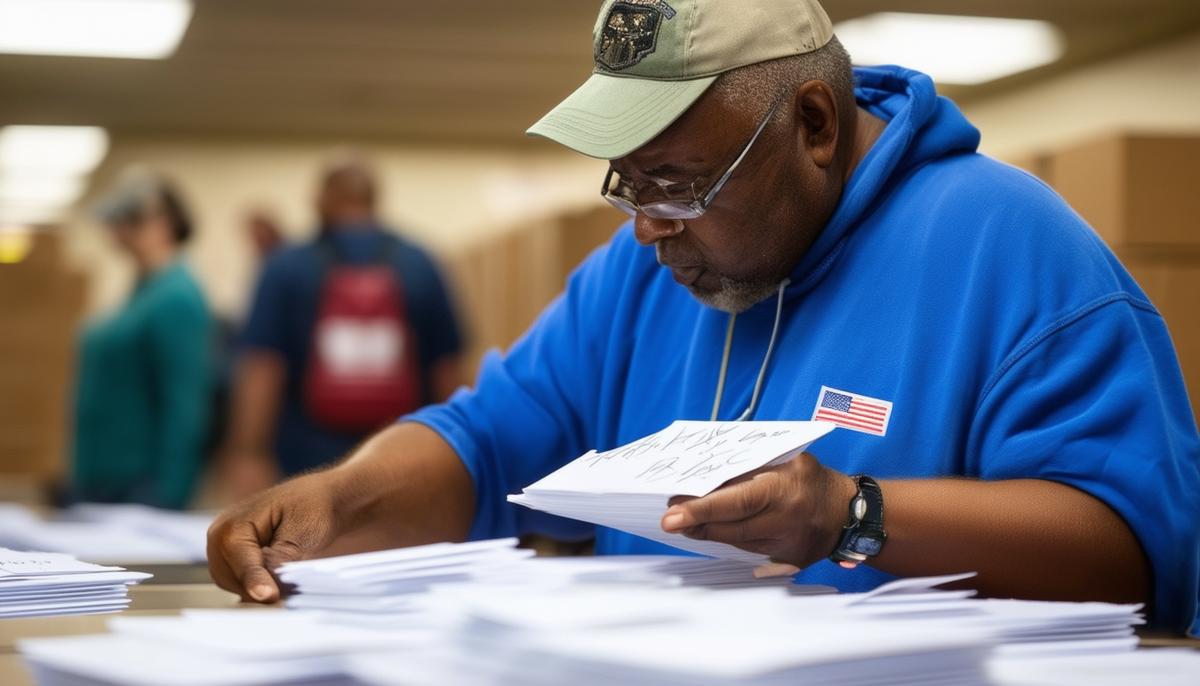
6. Integrity of Elections
Maintaining the integrity of elections is fundamental to the stability and trustworthiness of democratic systems. The overwhelming consensus among researchers and experts is that voter fraud is exceedingly rare, and when irregularities do surface, they are typically a result of human error rather than malicious intent.
Extensive investigations and audits have continuously affirmed the strength of the electoral framework. These findings echo across multiple studies, including those commissioned at various governmental levels, each underscoring the scarcity of genuine voting improprieties.
Election officials across the country work diligently to rectify oversights, employing extensive audit procedures and security protocols to uphold an election's integrity. Technologies like electronic poll books and advanced verification systems further safeguard the process, ensuring that votes are cast and counted accurately.
Promoting confidence in the electoral process necessitates an embrace of facts over fiction—acknowledging the diligence behind the scenes that fortifies election integrity. By eschewing sensationalist claims in favor of informed dialogue, we uphold the dignity of democratic participation and ensure that every voice is heard unequivocally.
7. Gun Safety Legislation
Gun safety legislation remains a pivotal and widely supported solution in the national debate about gun ownership and safety. While some argue that firearms inherently contribute to safety, evidence suggests a more nuanced reality where targeted legislation could significantly reduce risks associated with gun ownership.
High rates of gun-related injuries and deaths in regions with lax gun control underscore the need for robust safety measures. Gun safety legislation aims to address these issues through:
- Universal background checks
- Safe storage laws
- Limitations on high-capacity magazines
Public support for sensible gun laws is substantial, with surveys indicating that a majority of Americans, including gun owners, advocate for stricter regulations. Measures such as red flag laws, which allow authorities to temporarily restrict access to firearms from individuals deemed a threat, reinforce accountability and prioritize community well-being.
Critics might argue that such regulations infringe on personal freedoms. However, historical examples like seatbelt laws and smoking regulations demonstrate how thoughtful policy initiatives can save lives while preserving public health. Gun safety legislation can achieve similar outcomes, providing individuals with greater security without compromising core freedoms.
Advancing these efforts also promotes a cultural shift prioritizing life and safety. Educational programs about responsible gun use and storage, alongside legal reforms, can contribute significantly to cultivating an informed, safety-conscious society.
Ultimately, genuine safety lies not in the proliferation of firearms but in the careful consideration and enactment of gun safety legislation. With a shared vision, communities can move towards a future where safety and accountability are paramount, steering away from the notion that guns alone can act as protectors.
8. Myth of the Safe Gun Society
The belief that a heavily armed society guarantees safety is a myth that crumbles under scrutiny. Despite claims by gun advocacy groups, empirical evidence paints a different picture. Areas with higher rates of gun ownership often face elevated incidents of gun-related violence, including accidental shootings and firearms falling into the wrong hands.
Data consistently shows that more guns correlate with more gun deaths. Instances of successful defensive gun use are notably rare, while many situations escalate unnecessarily, leading to tragic outcomes. This challenges the notion that merely introducing more guns will instill tranquility and order.
"If safety is the goal, guns are not the answer."
The cultural resonance of this myth perpetuates systemic issues, such as fear and distrust within communities. The presence of firearms can transform trivial disputes into deadly altercations. Arguments about gun ownership fostering deterrence falter in light of evidence showing higher risks of domestic violence, suicide, and unintentional injuries within armed households.
Breaking this cycle requires a collective shift in mindset—one that embraces comprehensive approaches to ensuring safety and security. Community-based interventions that promote conflict resolution, mental health support, and economic opportunities can fortify social bonds and reduce reliance on firearms as supposed agents of safety.
The path to genuine safety lies in endorsing evidence-driven strategies that prioritize human dignity and life. By dispelling the illusion of a safe gun society, we open the door to transformative changes that uphold peace and justice in our shared spaces.

9. The Reality of Noncitizen Voting
The notion of rampant noncitizen voting is a persistent myth in the electoral landscape. However, empirical research reveals that noncitizen voting is virtually nonexistent. Federal and state laws tightly govern voter eligibility, strictly prohibiting noncitizens from participating in elections. Violations carry heavy legal consequences, acting as a significant deterrent.
Studies and data analyses consistently show an infinitesimal rate of noncitizen voting. So-called cases often boil down to errors in voter registration systems or administrative oversight rather than fraudulent intent. Officials typically find genuine mistakes made by election workers or misunderstandings by individuals new to the voting process.
Perpetuating this myth clouds public perception and has inadvertently fueled legislative pushbacks that restrict access to voting, disproportionately affecting marginalized groups. The real challenge is ensuring that every eligible voter has fair access to the ballot box without facing undue barriers.
Promoting voter education, improving administrative accuracy in voter registration, and fostering trust in the electoral process are far more urgent priorities. These initiatives support the goal of a vibrant democracy, enabling all citizens to engage confidently in shaping their collective future.
By shifting focus onto concrete issues that genuinely impact electoral integrity, we can cultivate a political environment where facts lead the dialogue. This approach paves the way for a democracy rooted in clarity, truth, and fairness, ensuring that every voice—within the confines of legality—can be heard without prejudice or hindrance.
10. Misconceptions About Gun Crime
The idea that gun ownership predominantly serves as a means of self-defense persists in public perception. However, the realities of firearm-related crime diverge significantly from this belief. In practice, guns are far more frequently employed in criminal activities than in scenarios of legitimate self-defense.
Data consistently reveals that firearms feature prominently in various criminal contexts—from homicides and armed robberies to assaults and domestic violence. This stark contrast underscores the need to reassess commonly held beliefs about guns as deterrents to crime.
The notion that a heavily armed society dissuades potential criminal acts falters when scrutinized against existing research. Guns owned for self-defense often result in:
- Accidental discharges
- Escalated confrontations
- Increased vulnerability to theft or misuse
It becomes apparent that firearms, rather than safeguarding lives, can contribute to cycles of violence within communities.
Addressing this disconnect requires examining the cultural and policy frameworks that allow such myths to persist. By fostering evidence-based discussions, communities can begin deconstructing entrenched ideologies surrounding gun use and self-defense. This opens pathways to exploring alternative safety measures and community resilience-building strategies that do not rely on firearms.
Systemic issues contributing to gun crime—lack of mental health resources, socioeconomic disparities, and inadequate conflict resolution education—demand holistic solutions. Prioritizing preventive and community-centric approaches could mitigate factors contributing to criminal behavior, reducing dependence on firearms as tools of violence.
Moving towards a more nuanced understanding of gun crime requires acknowledging the complex realities surrounding firearm use. This can pave the way for policies and practices that prioritize safety, equality, and dignity for all members of society, effectively redefining the discourse around gun ownership and crime prevention.
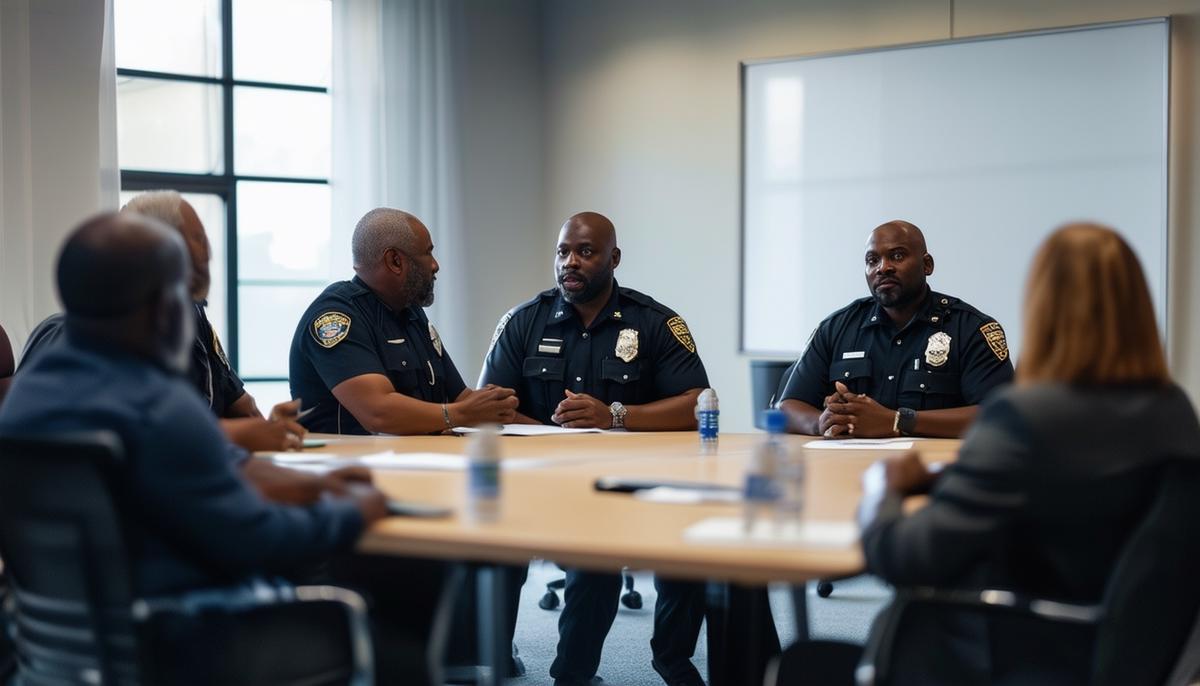
The core takeaway is clear: embracing evidence-based understanding over myth-driven ideas paves the way for meaningful progress. By focusing on facts and fostering constructive conversations, we can address complex issues more effectively and build a society rooted in truth and integrity.