
1. The Warren County Protests
The Warren County Protests of 1982 marked a crucial moment in the environmental justice movement. African American residents of Warren County, North Carolina, led demonstrations against the decision to dump toxic PCB-laden soil in their community. This act of activism:
- Sparked national attention
- Highlighted racial disparities in environmental policy decisions
- Included nonviolent road blockades and widespread community participation
- Emphasized the urgency of addressing environmental racism
The movement set a precedent for organized resistance against environmentally harmful activities in marginalized communities and inspired subsequent environmental justice campaigns across the United States.
2. Love Canal Homeowners Association
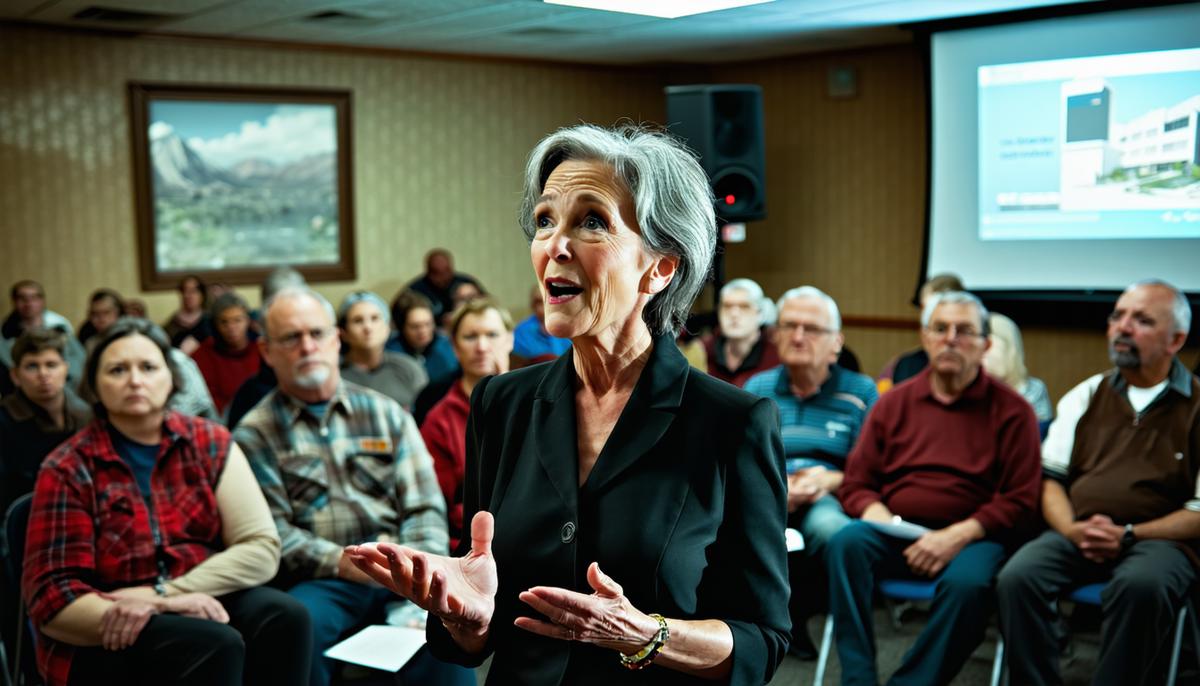
In the late 1970s, the Love Canal Homeowners Association emerged as a beacon of community-driven environmental activism, spearheaded by local resident Lois Gibbs. This movement unfolded in Niagara Falls, New York, where residents discovered their neighborhood had been built atop a toxic chemical waste dump, resulting in severe health problems.
The grassroots efforts of the association brought national attention to the consequences of industrial pollution. Gibbs led advocacy efforts that included:
- Rallying community members
- Staging protests
- Demanding government accountability
The persistence of this group ultimately resulted in the establishment of the Superfund Program, a federal initiative aimed at cleaning up hazardous waste sites. The Love Canal struggle empowered communities to hold polluters accountable and underscored the critical role of local leadership in shaping national environmental policy.
3. Kenya's Greenbelt Movement
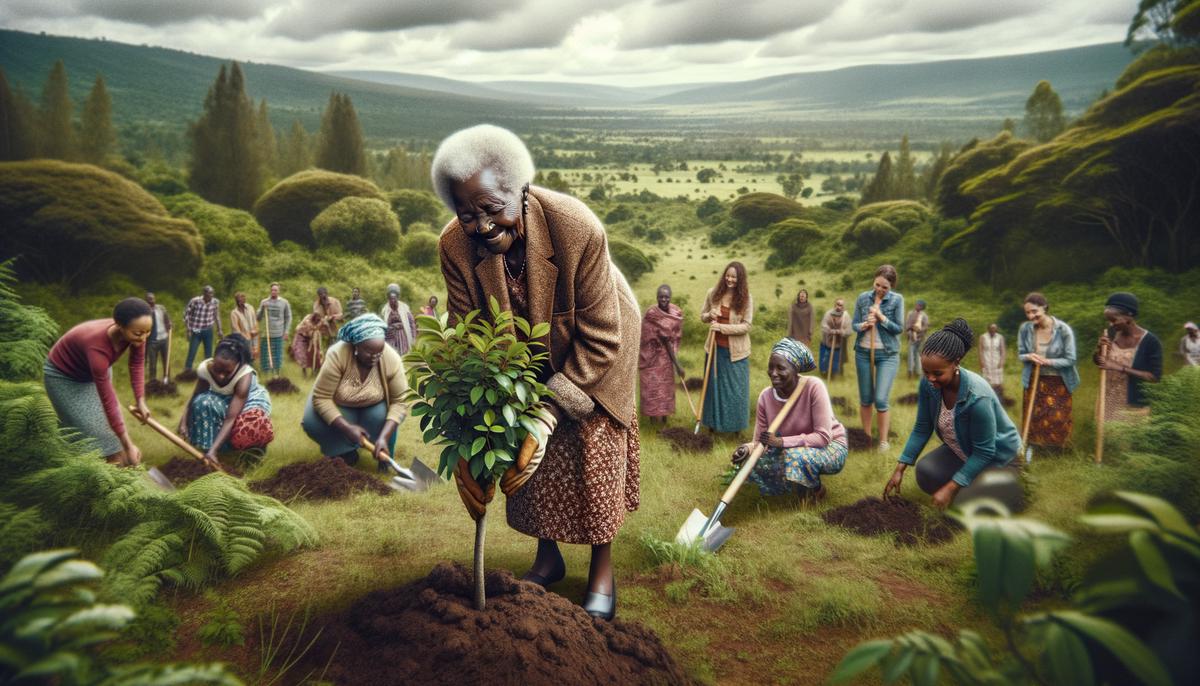
Founded in 1977 by Wangari Maathai, the Greenbelt Movement stands as an example of grassroots environmental activism that has reshaped Kenya's landscape and empowered women. Maathai, a Kenyan environmentalist and Nobel Peace Prize laureate, started this project to combat deforestation and foster sustainable development by encouraging women to plant trees.
The Greenbelt Movement addressed issues of:
- Soil erosion
- Water scarcity
- Sustainable income for women
- Community advocacy
Through engagement and educational workshops, these women gained skills that promoted both ecological and social well-being. The movement's success extends beyond planting trees, creating a ripple effect of environmental awareness and activism that has reached far beyond Kenya's borders.
Maathai's vision linked environmental restoration with human rights and governance, emphasizing how ecological health and societal welfare are connected. This movement underscores a truth: when marginalized communities are given the tools to address environmental challenges, they become agents of change, capable of driving both local and global environmental success.
4. Gwich'in Campaign for Arctic Refuge
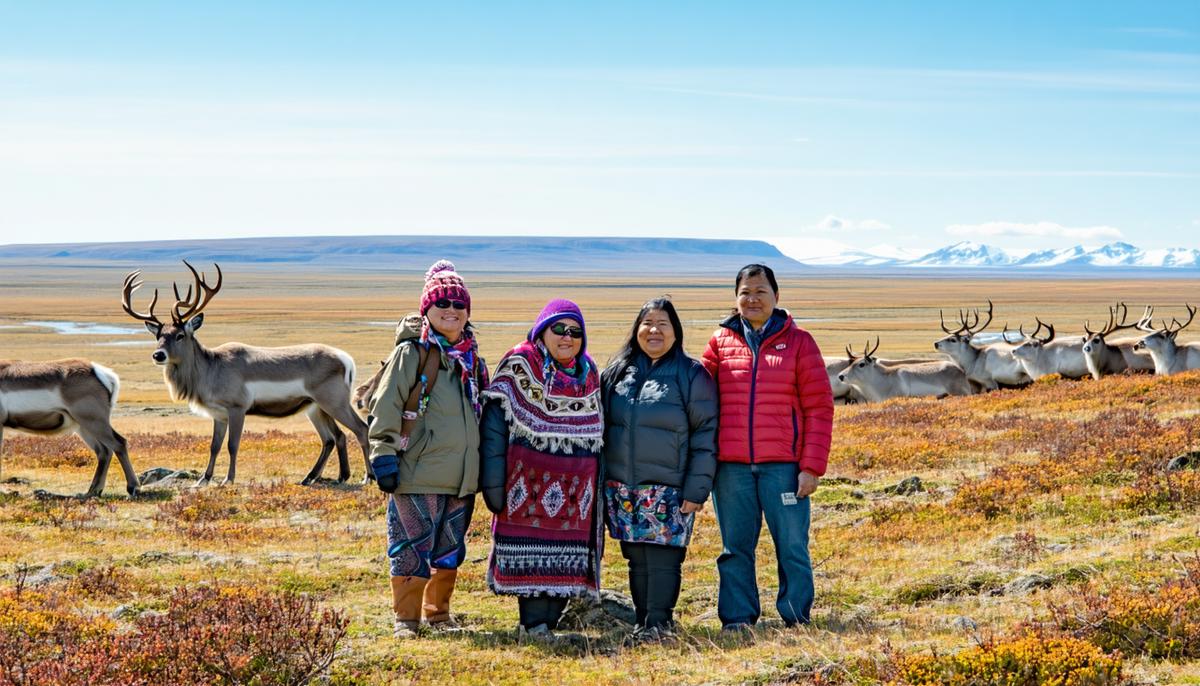
The Gwich'in campaign to protect Alaska's Arctic National Wildlife Refuge illustrates a commitment to preserving the landscape and a way of life tied to the land. The Gwich'in people, whose name means "People of the Caribou," have relied on the caribou herds that roam the refuge for sustenance and cultural practices. However, this ecosystem has faced threats from proposed oil drilling.
Gwich'in leaders mobilized a grassroots movement to safeguard their ancestral lands. They garnered support on local, national, and international fronts through:
- Lobbying
- Media engagements
- Public education initiatives
The campaign highlighted the impact drilling would have on their ecosystem and cultural heritage. It centers around the idea that the land is sacred, and its protection sustains both the body and spirit of its people.
By bringing global awareness to their story of coexistence with nature, the Gwich'in humanized the battle against resource exploitation. Their pursuit of justice exemplifies how indigenous voices are vital in the broader environmental movement, serving as an example of harmonizing cultural sustainability with ecological preservation.
5. Outdoor Afro
Outdoor Afro is a community-driven movement that seeks to cultivate inclusivity in natural spaces. Founded in 2009 by Rue Mapp, it grew from a Facebook page into a national network that celebrates African Americans in the outdoors. This movement addresses the misconception that Black people are disconnected from nature by reimagining outdoor engagement through a culturally relevant lens.
Mapp's work is rooted in the belief that nature and outdoor activities are intrinsic to the African American experience. Outdoor Afro provides empowering experiences, including:
- Hiking
- Birdwatching
- Kayaking
- Nature photography
These activities are designed to meet community members where they are and nurture an appreciation for the environment. The organization's network of trained volunteer leaders facilitates safe, welcoming, and educational outdoor experiences, fostering dialogue on environmental stewardship, conservation, and the interconnectedness of socio-environmental issues.
Outdoor Afro builds bridges that connect diverse audiences to the outdoors while reinforcing Black leadership in environmental spaces. Through these shared journeys, participants reclaim their relationship with the land, promote health and wellness, and amplify cultural stories that uplift communal identity and resilience.

6. Hip Hop Caucus
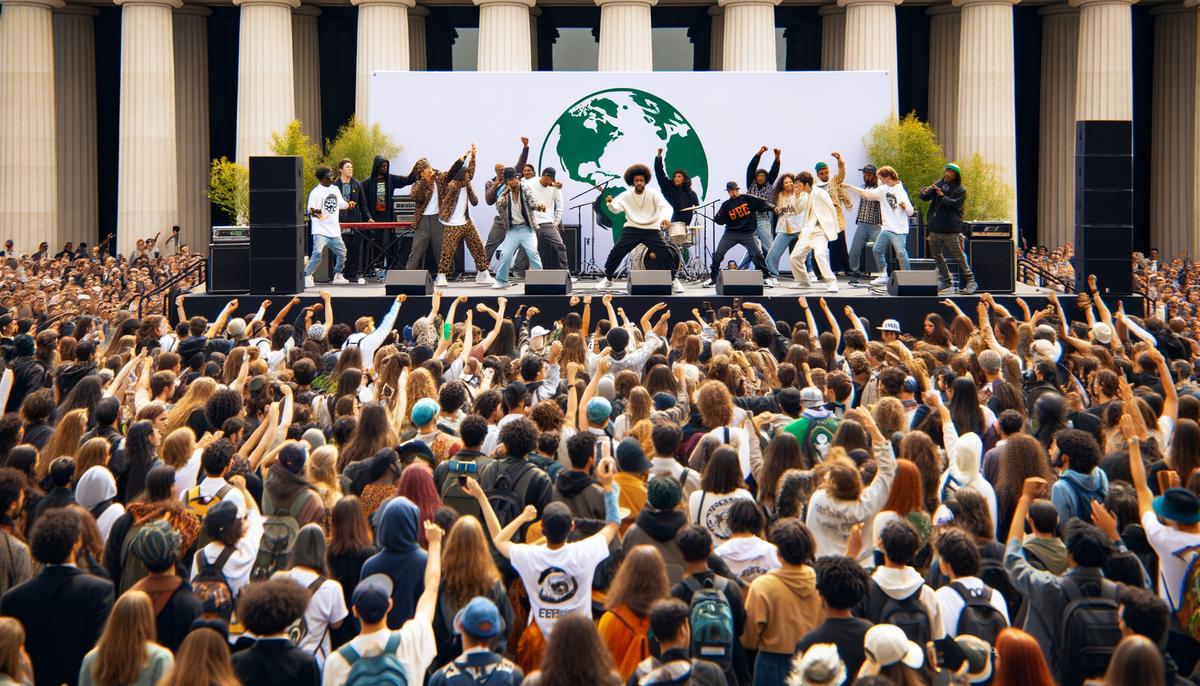
The Hip Hop Caucus fuses hip hop culture with grassroots activism to empower marginalized communities, particularly Black, Indigenous, and People of Color (BIPOC), to address climate justice issues. This organization leverages music and art to:
- Mobilize communities
- Connect grassroots movements
- Inspire a new generation of environmental advocates
Their campaigns, like "Respect My Vote," highlight the power of the ballot and the importance of engaging youth in democratic processes. By collaborating with artists, celebrities, and local organizers, the Hip Hop Caucus turns the stage into a platform for environmental activism, amplifying underrepresented voices in mainstream environmental discourse.
Through projects like "Think 100%," a climate justice podcast series, the Hip Hop Caucus explores conversations around climate policy, inspiring listeners to see the connections between art, activism, and environmental protection. This initiative underscores the urgency of collective action while making the discussion accessible to audiences often excluded from typical environmental dialogues.
The Hip Hop Caucus demonstrates the potential of synergy between culture and activism. By integrating hip hop's energy with a commitment to environmental justice, they engage a diverse audience with urgent environmental issues, redefining activism and reinforcing the cultural identity and agency of BIPOC communities in addressing climate challenges.
7. Intersectional Environmentalism
Intersectional environmentalism, championed by activist Leah Thomas, integrates social justice into ecological stewardship. This approach recognizes that movements for racial, economic, and gender equality are linked to the fight for a sustainable planet. By highlighting these connections, intersectional environmentalism proposes a framework that ensures diversity, equity, and inclusion are at the forefront of environmental policy-making.
This concept acknowledges that marginalized communities often bear the brunt of environmental degradation. Intersectional environmentalism seeks to amplify their voices, recognizing them as essential leaders in the pursuit of ecological justice.
"The United States of America is segregated, and so is pollution" – Robert Bullard, father of environmental justice
The movement draws inspiration from intersectional theory, which examines how overlapping social identities contribute to unique experiences of oppression. In the environmental context, this perspective reveals how factors such as race, class, and gender impact individuals' vulnerability to climate change and environmental toxins.
Intersectional environmentalism advocates for policy changes that consider these multifaceted dimensions. It calls for:
- Equitable distribution of environmental resources
- Protection ensuring policies benefit all communities fairly
- Addressing immediate environmental concerns
- Tackling broader socio-political structures that perpetuate inequality
Beyond policy, intersectional environmentalism fosters community empowerment through education and collaboration. It encourages partnerships between environmental organizations and social justice groups to create resilient networks capable of enacting widespread change.
Thomas' vision provides a path forward where achieving a thriving, equitable planet is as much about advancing social justice as it is about protecting nature. It invites everyone to reimagine traditional environmental practices, urging us to weave empathy and understanding into our collective environmental efforts.
- Bullard RD. Dumping in Dixie: Race, Class, and Environmental Quality. Westview Press; 1990.
- Taylor DE. The Rise of the Environmental Justice Paradigm: Injustice Framing and the Social Construction of Environmental Discourses. Am Behav Sci. 2000;43(4):508-580.
- Maathai W. Unbowed: A Memoir. Knopf; 2006.
- Thomas L. The Intersectional Environmentalist: How to Dismantle Systems of Oppression to Protect People + Planet. Voracious; 2022.
- Gibbs LM. Love Canal: My Story. State University of New York Press; 1982.