
Whole-of-Government Approach
The Biden-Harris administration is employing a comprehensive strategy to address environmental justice. This approach connects federal agencies to create a cohesive framework for justice and equity, particularly for historically marginalized communities.
The Justice40 Initiative exemplifies this strategy by redirecting 40% of the benefits from federal investments in clean energy and climate resilience to disadvantaged neighborhoods. This initiative aims to create meaningful change where it's most needed.
The Climate and Economic Justice Screening Tool is being refined to establish consistency across federal efforts aimed at underserved areas. This tool helps direct resources where they can have the most substantial impact.
The White House Environmental Justice Advisory Council provides a forum for overburdened communities to voice their experiences, channeling these insights directly into policy.
Regulatory action is focusing on:
- Restricting dangerous chemicals
- Enforcing environmental laws
- Ensuring clean air
- Providing safe water
- Promoting equitable access to a healthier environment
The Bipartisan Infrastructure Law invests in clean water access, infrastructure resilience, and pollution cleanup in underserved areas across the nation.
Regulatory and Enforcement Actions
The administration is addressing pollutants that have long created inequity. The ban on chlorpyrifos, a pesticide known for harming farmworkers and children, demonstrates their commitment to eliminating health risks in vulnerable communities.
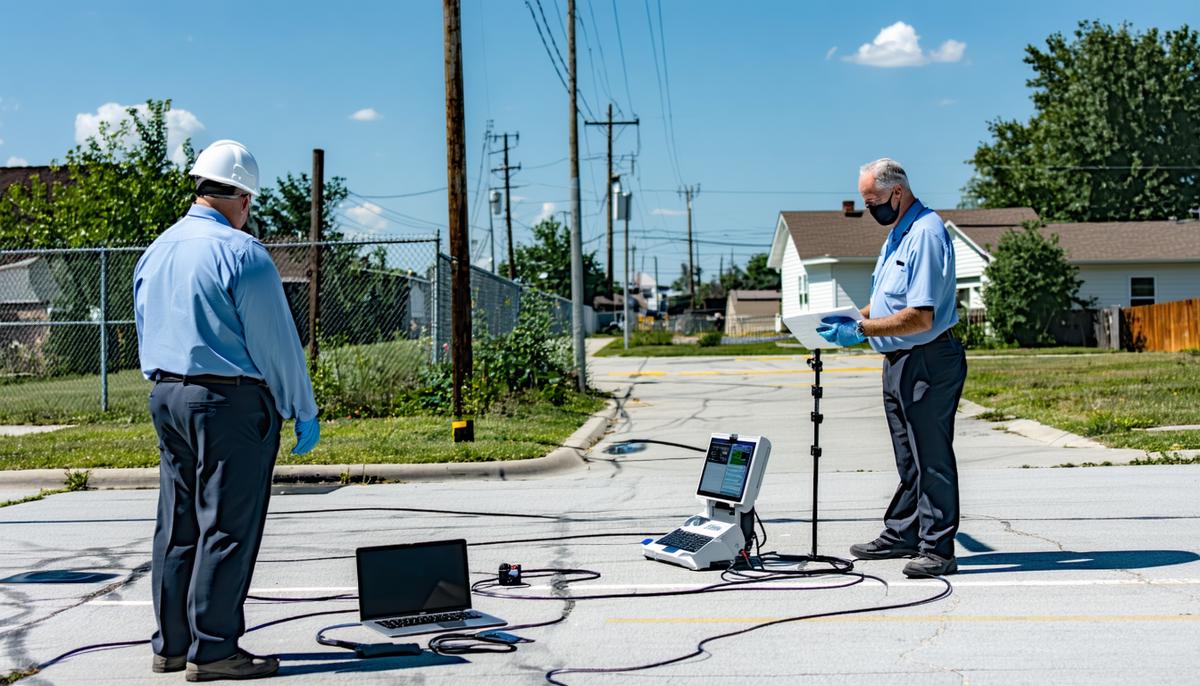
Improved monitoring and enforcement mechanisms are being implemented. The Environmental Protection Agency (EPA) is using tools such as:
- Fenceline monitoring
- Real-time pollution tracking
These tools ensure environmental laws benefit marginalized groups.
A strong transparency framework is being established to make environmental data readily available to communities. This accessibility is crucial for:
- Building trust
- Empowering citizens to hold violators accountable
The strategic implementation of these improvements aims to make compliance with environmental standards the norm, helping underserved communities breathe cleaner air and live healthier lives.
Investment in Infrastructure and Resilience
The Bipartisan Infrastructure Law aims to overhaul fundamental systems that govern our daily lives, addressing legacy pollution and equipping communities to face climate change challenges.
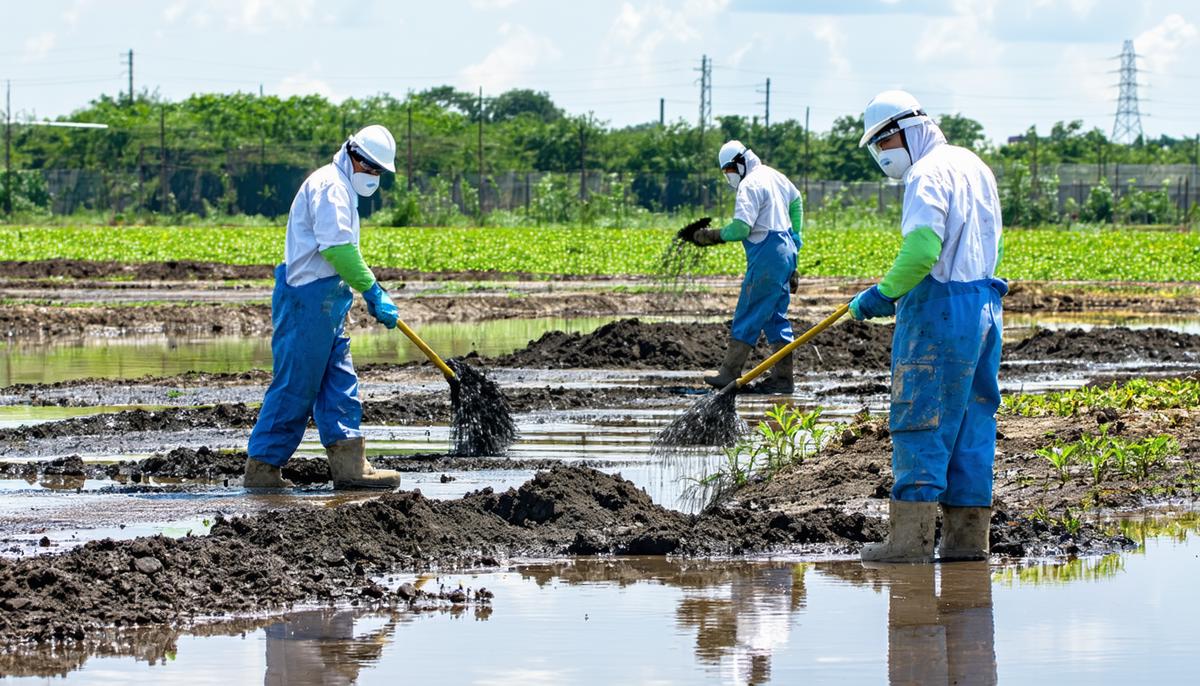
Cleaning up Superfund and brownfield sites promises to revitalize historically disadvantaged neighborhoods, freeing communities from health hazards associated with industrial pollution.
Investments are being made to enhance:
- Flood barriers
- Stormwater systems
- Power grids against extreme weather
These investments ensure that vulnerable communities can withstand climate unpredictability.
Initiatives in clean drinking water supply, sustainable public transit, and greener urban spaces aim to provide equal opportunities for health and prosperity regardless of location.
Disadvantaged communities are being actively involved in shaping these improvements, fostering shared ownership of infrastructure projects.
Community Engagement and Empowerment
Community engagement is central to advancing environmental justice. The administration is creating inclusive forums and accessible channels to facilitate participation and amplify historically sidelined voices.
The Climate and Economic Justice Screening Tool is open for public feedback, demonstrating transparency and inclusivity in policy development.
Technical assistance programs are being implemented to:
- Bridge expertise gaps
- Clarify complex governmental processes
- Equip communities with knowledge and skills for active participation in decision-making
Capacity-building initiatives, including workshops, grants, and educational programs, are nurturing local leadership and fostering agency. These efforts encourage sustained engagement, empowering communities to become key collaborators in environmental justice efforts.

Addressing Climate Change and Clean Energy
The administration is working to lower energy burdens, enhance access to clean energy, and modernize the nation's grid, with a focus on underserved communities.
Funding for the Low-Income Home Energy Assistance Program (LIHEAP) has been increased to support families struggling with high energy costs. The expanded Weatherization Assistance Program enhances energy efficiency in homes that need it most.
Grid modernization efforts aim to democratize the energy landscape, ensuring that renewable energy benefits a broader spectrum of society, including rural or historically marginalized areas.
Community-focused programs, like the Rural Energy Pilot Program, fund distributed and community-scale clean energy projects, delivering local impacts while fostering energy independence in underserved regions.
Clean transportation initiatives include:
- Funding for public transit
- Support for clean vehicles
- Programs for zero-emission buses
- Development of charging infrastructure
Investments in tribal community resilience recognize the importance of Indigenous leadership in the clean energy transition.
The administration's efforts reflect a commitment to environmental justice, emphasizing equitable access to resources and opportunities for all communities. This approach aims to foster a future where every individual can thrive in a sustainable and just environment.
- Executive Order 14008. Tackling the Climate Crisis at Home and Abroad. Federal Register. 2021;86:7619-7633.
- Environmental Protection Agency. EJ 2020 Action Agenda: EPA's Environmental Justice Strategy. Washington, DC: EPA; 2016.
- Department of the Interior. Centering Justice, Equity and Inclusion in Our Work. Washington, DC: DOI; 2022.
- White House. Fact Sheet: Biden-Harris Administration Marks Year One of Whole-of-Government Environmental Justice Agenda. Washington, DC: The White House; 2022.