Understanding the differing perceptions of police performance across political and racial lines reveals deep-seated ideological and experiential divides. These perspectives shape how communities interact with law enforcement and influence broader societal debates on justice and accountability.
Partisan Divide in Perceptions of Police
Republicans and Democrats hold contrasting views on police performance. About three-quarters of Republicans believe police are doing an excellent or good job in treating racial and ethnic groups equally, applying appropriate force, and holding officers accountable for misconduct. In contrast, only about one-quarter of Democrats share this favorable view. While 79% of Republicans feel police effectively protect people from crime, only 53% of Democrats agree.
These differences persist regardless of race, emphasizing a deeper partisan rift. Divergent moral predispositions exacerbate these differences:
- Conservatives place significant emphasis on societal order and tend to be deferential to authority figures, including the police.
- Liberals are more skeptical of authority and are inclined to empathize with groups who report disparate treatment from the police, such as African Americans.
Public trust in police varies even more dramatically considering interactions and personal experiences. African Americans and Hispanics are significantly less likely to trust the police, with many reporting instances of excessive force and unequal treatment.
Most Americans give higher ratings to their local police than to police nationwide. Even here, Republicans show more confidence in their local departments than Democrats. For instance, 85% of Republicans say local police treat racial and ethnic groups fairly, compared to just 53% of Democrats.
Efforts to tackle police accountability reflect a mix of these perspectives. Republicans often view such measures as undermining law enforcement, while Democrats push for reforms to address systemic injustices. Despite these differences, there is surprising bipartisan agreement on some accountability measures like body cameras and external investigations for police misconduct.
Ultimately, the partisan divide on views about police reflects broader ideological battles over authority, inequality, and justice. Conservatives rally around the notion of maintaining law and order, while progressives push for systemic changes to address historical and ongoing injustices.

Racial and Ethnic Perspectives on Policing
African Americans and Hispanics hold markedly different views on police performance compared to whites, rooted in their distinct experiences and interactions with law enforcement. According to a Cato Institute survey, 73% of African Americans believe that police are too quick to resort to deadly force, a view shared by only 35% of whites. This statistic underscores the deep-seated mistrust that the Black community harbors toward the police.
African Americans are nearly twice as likely as whites to report instances of police verbally abusing them or to know someone who has been physically mistreated by police. These personal and vicarious experiences contribute to a broader story of systemic bias and brutality.
Socioeconomic status does not shield African Americans from these negative experiences. Higher-income African Americans report being stopped by police more frequently than higher-income whites, particularly when driving luxury cars or in affluent neighborhoods. This disparity is a stark reminder that race, more so than economic status, dictates the frequency and nature of police encounters.
For Hispanics, the story is similar yet distinct. Fifty-four percent of Hispanics believe police are too quick to use deadly force, reflecting a significant level of distrust. Hispanics also report lower confidence in police accountability and fairness.
White Americans generally have a more favorable view of law enforcement. Most white adults believe that police treat people from different racial and ethnic backgrounds equally and hold officers accountable for misconduct. These views are often informed by personal experiences where interactions with law enforcement are more likely to be neutral or positive.
These differing perspectives are not just individual opinions but reflections of broader societal patterns. For many African Americans and Hispanics, police are seen not just as enforcers of the law but as agents of an oppressive system that disproportionately targets and harms them.
Understanding these perspectives is vital in addressing the root causes of mistrust and working for meaningful reform. It requires an empathetic approach, acknowledging the lived experiences of marginalized communities and genuinely working to rebuild trust through accountability and transparency.
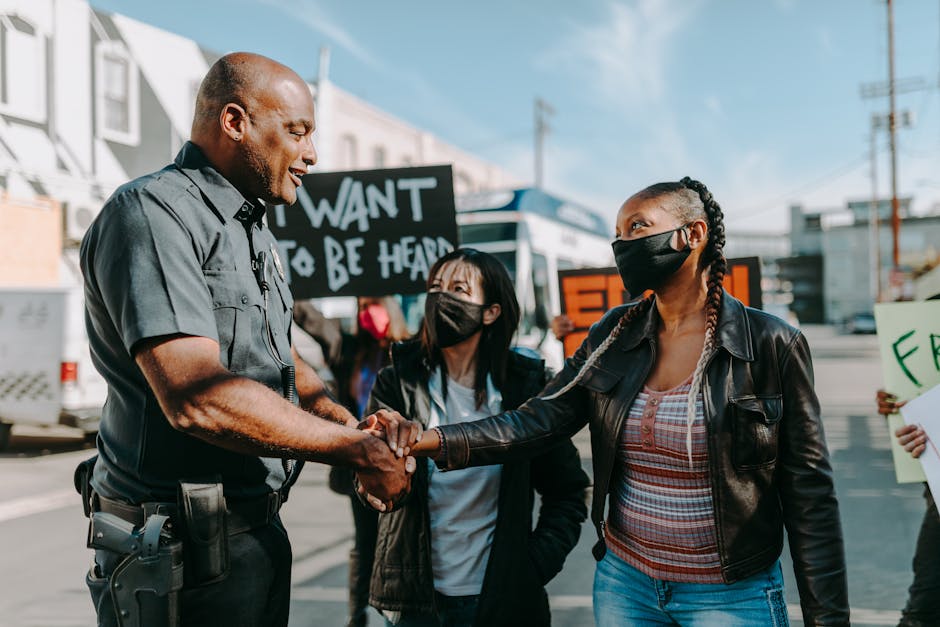
Initiatives like the implementation of body cameras and the establishment of independent review boards for police misconduct hold particular significance for communities of color who seek tangible proof that steps are being taken to address their concerns. Building trust in these communities involves more than just policy changes; it requires a fundamental shift in how law enforcement agencies interact with the people they serve.
Impact of High-Profile Incidents and Media Narratives
High-profile incidents, like the tragic killing of George Floyd, play a pivotal role in shaping public opinion on police accountability. These events, often captured on video and widely disseminated, starkly reveal the disparities in how communities experience and perceive law enforcement.
Media coverage surrounding these incidents significantly influences public perception and policy discussions. Different media outlets often present these stories through the prisms of their particular political and ideological leanings:
- Progressive media channels tend to emphasize themes of systemic racism and police brutality, aiming to magnify the urgent need for comprehensive reform.
- Conservative media outlets might focus on the context of high-profile incidents, often emphasizing the challenges faced by police officers in maintaining order.
Political figures also play a crucial role in shaping narratives. During the protests following George Floyd's death, Democrats called for immediate and sweeping police reforms, urging for policies that would address systemic racism and enhance police accountability. In contrast, Republicans framed the issue around restoring law and order, emphasizing the importance of supporting law enforcement officers and ensuring public safety.
Public opinion research underscores the impact of these stories. PewResearch and Gallup surveys show that high-profile incidents like George Floyd's killing have profoundly affected Americans' views on police. Notably, a significant dip in confidence towards law enforcement was recorded post-Floyd's death, particularly among Democrats and minority communities.
These shifting sentiments often find expression in the policy debates and legislative agendas that follow. As public opinion sways, policymakers react accordingly. In the wake of George Floyd's death, numerous states and municipalities enacted reforms aimed at increasing police accountability, reflecting the public's rising concerns. Measures included:
- Implementing bans on chokeholds
- Increasing transparency through body cameras
- Establishing independent oversight commissions
High-profile incidents and the subsequent media coverage around them are powerful forces shaping public opinion on police accountability. These stories not only influence how people perceive individual incidents but also how they understand and react to broader systemic issues within law enforcement.
Bipartisan Support for Police Reforms
While stark partisan differences exist in many aspects of policing, there are areas of reform that have managed to garner bipartisan support. Measures like implementing body cameras and instituting independent investigations of police misconduct are prime examples where consensus has been reached.
Body cameras have emerged as a widely supported reform tool. Both Republicans and Democrats recognize their benefits for ensuring accountability and transparency. Studies show that the presence of body cameras can lead to a reduction in the use of force incidents and complaints against officers. This dual-benefit perspective appeals to:
- Conservatives keen on maintaining order and upholding law enforcement integrity
- Progressives focused on protecting civil rights and ensuring justice is served impartially
Another significant area of bipartisan agreement is the establishment of independent investigations into police misconduct. Both parties see the inherent conflict of interest in having police departments investigate their officers. Independent investigations circumvent this issue, providing an unbiased perspective and ensuring that accountability isn't compromised by internal bias or pressure.
The bipartisan support for these reforms can also be attributed to their pragmatic benefits. Both body cameras and independent investigations:
- Serve as deterrents against misconduct
- Provide clear and actionable evidence for trials
- Enhance community-police relations
For lawmakers seeking effective solutions to complex problems, these measures present tangible benefits without the need for drastic overhauls that might polarize their constituencies.
The support from various public safety organizations bolsters the case for these reforms. Groups like the International Association of Chiefs of Police and the Fraternal Order of Police have acknowledged the utility of body cameras and independent oversight. Endorsements from such organizations lend credibility and assurance to lawmakers and the public that these reforms can coexist with the effective performance of police duties.
However, while these areas offer a hopeful glimpse of bipartisan cooperation, it's important to recognize that their implementation alone won't fully address the systemic issues within policing. These reforms are steps in the right direction, but broader structural changes are necessary for comprehensive justice and accountability.
By focusing on shared values—such as the importance of transparency, accountability, and community trust—we can build momentum for these common-sense reforms. This pragmatic approach not only serves to improve police practices and public safety but also demonstrates that cross-party collaboration is possible.
Challenges and Opportunities in Policing Reform
Implementing comprehensive policing reform in the United States presents significant challenges due to the diversity of over 18,000 law enforcement agencies, each with its own policies and community dynamics. Achieving consistent, nationwide standards requires addressing this complex landscape while respecting local governance and community needs.
The polarized nature of American politics often views proposed reforms through an ideological lens. Conservatives may see certain reforms as potential threats to public safety, while progressives view them as essential steps to dismantling systemic biases. This ideological clash can stall legislative efforts and create a fragmented approach where reforms vary drastically across jurisdictions.
Deeply ingrained police culture can resist change, as illustrated by the "blue wall of silence" – the unwritten code among officers not to report colleagues' misconduct. This makes it challenging to foster a new culture that emphasizes community engagement and justice.
Opportunities for Progress
- Enhanced public awareness and demand for accountability
- Emerging consensus on increased transparency
- Technology and data analytics for tracking police conduct
- Training programs focused on de-escalation and cultural competency
- Collaborations between law enforcement and community organizations
- Federal support through funding and national standards
Public participation in policing reform is crucial. Engaging citizens through public forums and advisory boards ensures that the voices of those most affected by policing practices are heard. This inclusive approach aids in designing more effective reforms and helps rebuild trust between law enforcement and communities.
While the path to comprehensive policing reform is challenging, it is also ripe with opportunities. By addressing the diverse landscape of law enforcement with a commitment to transparency, accountability, and community engagement, meaningful progress can be made.
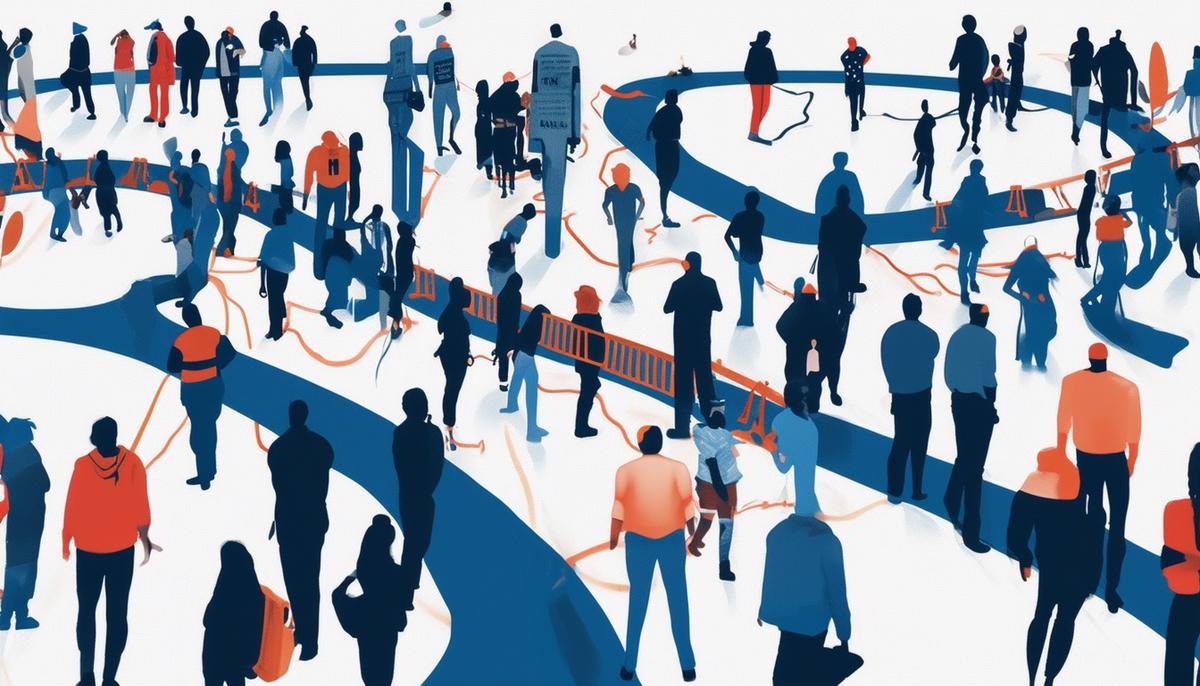
The differences in views on policing underscore the need for reforms that address both systemic issues and community-specific concerns. Bridging these divides requires listening to affected communities and implementing measures that foster trust, transparency, and accountability.
"Obviously, this is an extremely important moment, and we're seeing departments across the country debate how we might bring policing in line with the public's expectation of it. But in order to do that, we need to understand what the public's expectation of policing is." – Wesley Lowery, Moderator
Recent polling highlights the stark partisan divide in perceptions of police performance:
- 78% of Republicans have confidence in police, compared to only 28% of Democrats1
- 76% of Republicans believe police treat racial groups equally, versus just 27% of Democrats1
- 87% of Republicans say being a police officer is more dangerous now than 5 years ago, compared to 62% of Democrats1
However, there are areas of emerging consensus. Clear majorities across partisan and racial groups support body cameras and independent agencies investigating police misconduct2. By focusing on these areas of agreement, policymakers may find opportunities to implement meaningful reforms with broad public support.