
Youth as Political Agents
Youth are increasingly seen as active political agents, shaping the present and future through their engagement in various forms of activism. From street protests to digital campaigns and grassroots movements, young people are making their voices heard on issues ranging from social justice to climate change.
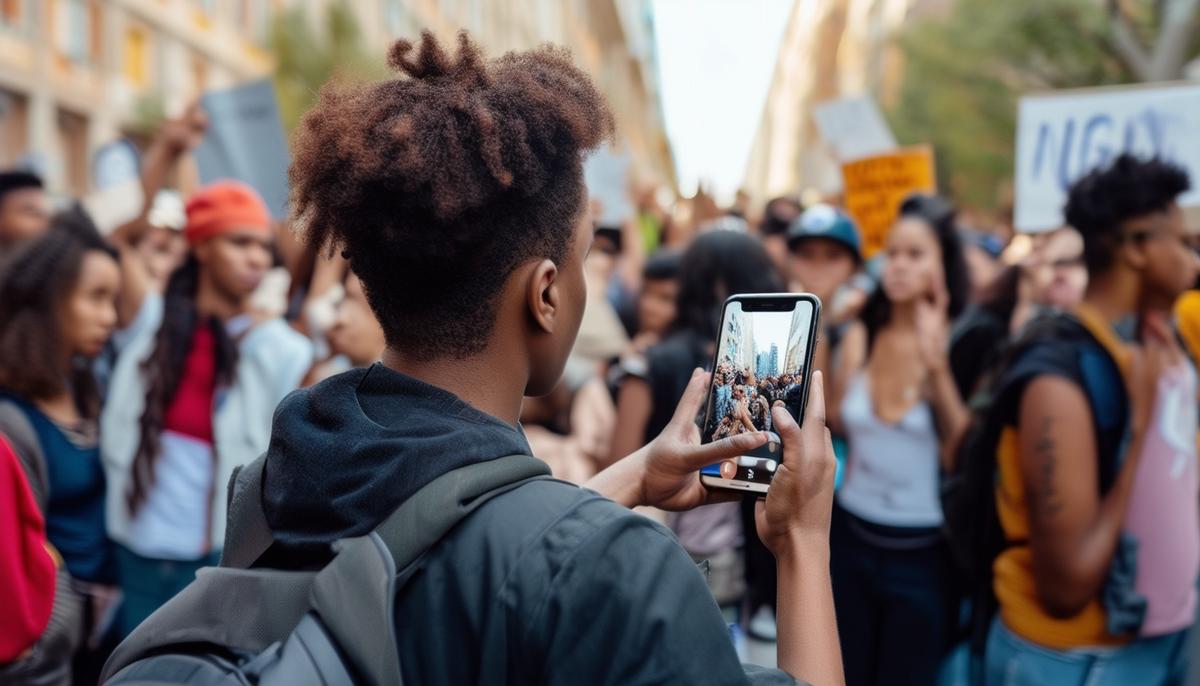
Digital activism has become a particularly powerful tool for youth, allowing them to broadcast their messages globally and expand their reach beyond geographical limitations. Social media platforms serve as stages for movements, enabling quick dissemination of information and mobilization of support.
Despite facing challenges such as political resistance and activist fatigue, youth continue to push for change. Their activism serves not only as a means for social transformation but also as a pathway for personal growth and identity formation. Through their efforts, young activists are reshaping societal norms, challenging established power structures, and reimagining possibilities for a more equitable future.
Impact on Social Change
Youth activists have become catalysts for significant social change, compelling society to confront uncomfortable truths and reevaluate long-standing norms. Their efforts extend beyond raising awareness to driving tangible policy shifts and cultural transformations.
Through strategic initiatives and campaigns, young activists challenge prejudices and create space for inclusive dialogues. Their demands for action resonate in boardrooms and legislative halls, pressuring those in power to examine and modify existing systems.
The impact of youth activism is both immediate and long-term. By questioning ingrained cultural norms and advocating for alternative perspectives, they lay the groundwork for a more understanding, empathetic, and inclusive society. Their influence extends beyond the present, shaping the cultural and political landscape for generations to come.
Youth activists serve as harbingers of new cultural norms and visions, urging society to meet higher standards of equity and fairness. Their relentless pursuit of justice and compassion reminds us of the power held in young hands to shape a more equitable world.

Innovative Participation
Young activists are redefining civic engagement through innovative strategies that blend technology and creativity. Digital activism has emerged as a powerful tool, with social media platforms becoming arenas for influence and mobilization. Hashtags and viral posts can now spark global movements, transcending geographical boundaries.
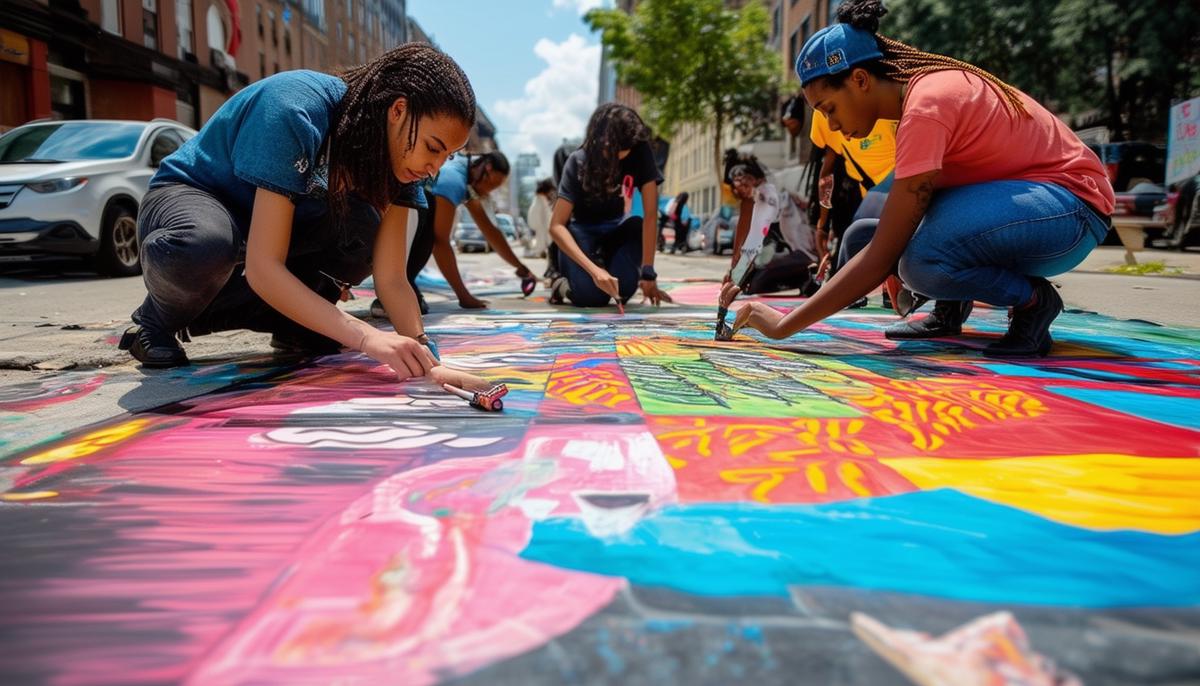
Beyond the digital realm, youth engage in "alter-activism," characterized by horizontal organizations and participatory decision-making. Creative tactics such as art installations, flash mobs, and performance art are employed to communicate messages effectively and capture public attention.
- Digital activism through social media
- Alter-activism with horizontal organizations
- Creative tactics: art installations, flash mobs, performance art
These unconventional forms of engagement represent a deep commitment to change, challenging traditional political participation methods. Young activists prove themselves to be adept strategists, using technology and creativity to reshape societal norms and foster inclusivity.
The combination of digital activism and alter-activism demonstrates the ingenuity and resilience of youth. Through these innovative approaches, young people are actively constructing a future that embodies their ideals of justice, equity, and sustainability.
Challenges Faced by Youth Activists
Youth activists encounter significant challenges in their pursuit of change. Political pushback from established power structures often manifests as resistance to their initiatives. Overcoming this opposition requires tenacity and strategic thinking, while also deepening their understanding of political mechanisms and societal resistance.
The personal toll of advocacy work can lead to exhaustion and burnout. The constant pressure to drive initiatives and manage emotional labor necessitates strong support networks and effective coping strategies. However, these trials also offer valuable lessons in resilience and perseverance.
"Youth activism provides unique learning environments characterized by collective problem-solving, youth-adult interaction, and exploration of alternative identities."
Despite these obstacles, young activists continue to refine their advocacy skills and cultivate a proactive stance against inequality and injustice. The challenges they face contribute to an evolving landscape of activism that embraces resilience as a core principle.
Through adversity, youth activists create spaces for dialogue and solidarity, building networks of allies to tackle systemic issues. Their ability to transform frustrations into tangible action exemplifies their integral role in shaping a more just and equitable future.

Role of Peer Socialization
Peer socialization plays a crucial role in the development of young activists. Within their communities, youth engage in dynamic exchanges of ideas, experiences, and support, contributing to a collective political consciousness.
These interactions serve as catalysts for refining political understanding and strategies. Conversations among peers add nuance and depth to their vision for change, fostering solidarity and empowerment.
Peer networks also provide essential emotional support, helping young activists navigate the challenges of advocacy work. This collaborative environment nurtures resilience and sustains motivation in the face of adversity.
Young activists assume dual roles as learners and educators, mentoring each other and actively shaping their political pathways. This reciprocal dynamic promotes deeper engagement with social and political issues, equipping them to effect meaningful change.
The influence of these peer networks extends beyond immediate circles, amplifying the impact of youth activism in broader communities. As young activists hone their skills and messages, they become effective conduits for social movements, influencing national and global dialogues on critical issues.

Youth activists represent a powerful force for positive change in society. Their commitment to justice and equity, despite numerous challenges, demonstrates the enduring impact of youthful determination in shaping a more compassionate world.
- Anyiwo N, Bañales J, Rowley SJ, Watkins DC, Richards-Schuster K. Sociocultural influences on the sociopolitical development of African American youth. Child Dev Perspect. 2018;12(3):165-170.
- Ballard PJ, Ozer EJ. The implications of youth activism for health and well-being. In: Conner J, Rosen SM, eds. Contemporary Youth Activism: Advancing Social Justice in the United States. Praeger; 2016:223-244.
- Bañales J, Aldana A, Richards‐Schuster K, et al. Youth anti‐racism action: Contributions of youth perceptions of school racial messages and critical consciousness. J Community Psychol. 2021;49(8):3079-3100.
- Kirshner B. Youth Activism in an Era of Education Inequality. New York University Press; 2015.
- Watts RJ, Guessous O. Sociopolitical development: The missing link in research and policy on adolescents. In: Ginwright S, Noguera P, Cammarota J, eds. Beyond Resistance! Youth Activism and Community Change: New Democratic Possibilities for Practice and Policy for America's Youth. Routledge; 2006:59-80.