
Current Immigration Policies and Their Impact
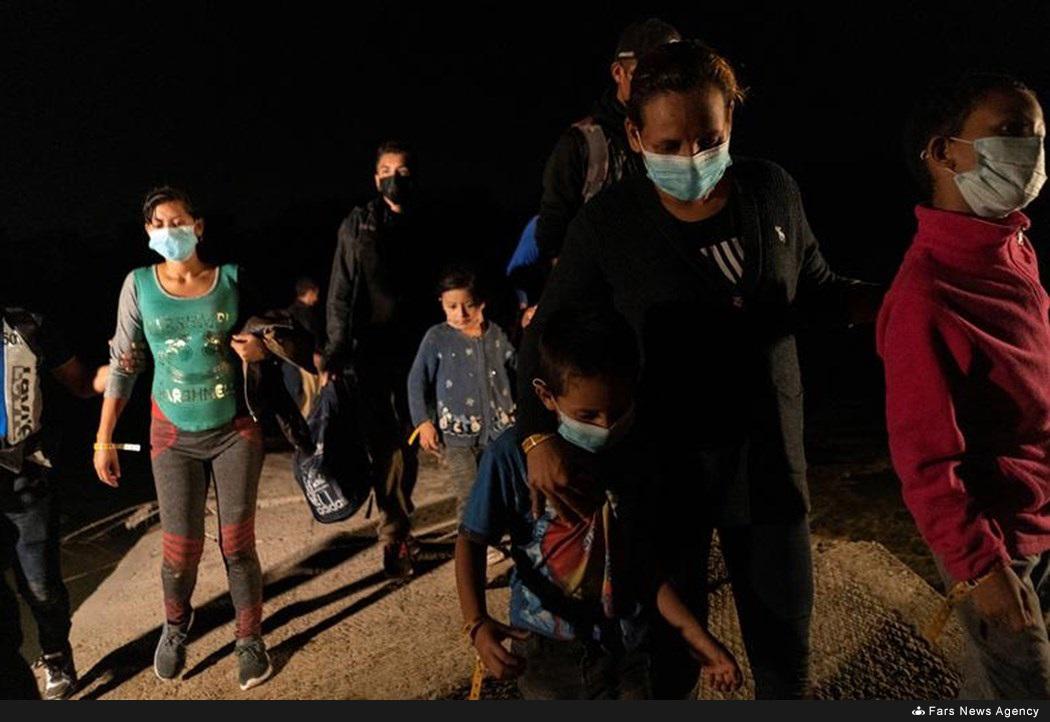
Immigration policies in the U.S. have created significant challenges for asylum seekers and undocumented immigrants. The Title 42 policy, a remnant of pandemic-era measures, continues to block many migrants seeking refuge at the southern border, despite efforts by the Biden administration to retire it. The "Remain in Mexico" policy adds another layer of complexity, requiring many asylum seekers to await their cases in unfamiliar and often difficult conditions.
These policies have led to family separations and created a climate of uncertainty for many immigrants. The Deferred Action for Childhood Arrivals (DACA) program provides some relief for young immigrants, but its future remains uncertain due to ongoing legal challenges.
Advocacy groups counter negative immigration rhetoric by highlighting immigrant contributions, such as the billions contributed to the Social Security Trust Fund. Organizations like Border Angels work to provide life-saving interventions along the border and aid those affected by these policies.
Present-day immigrants find themselves at the center of political debates, but many continue to strive for change, believing in the potential for a more inclusive American story.
Immigrant Contributions to the Economy
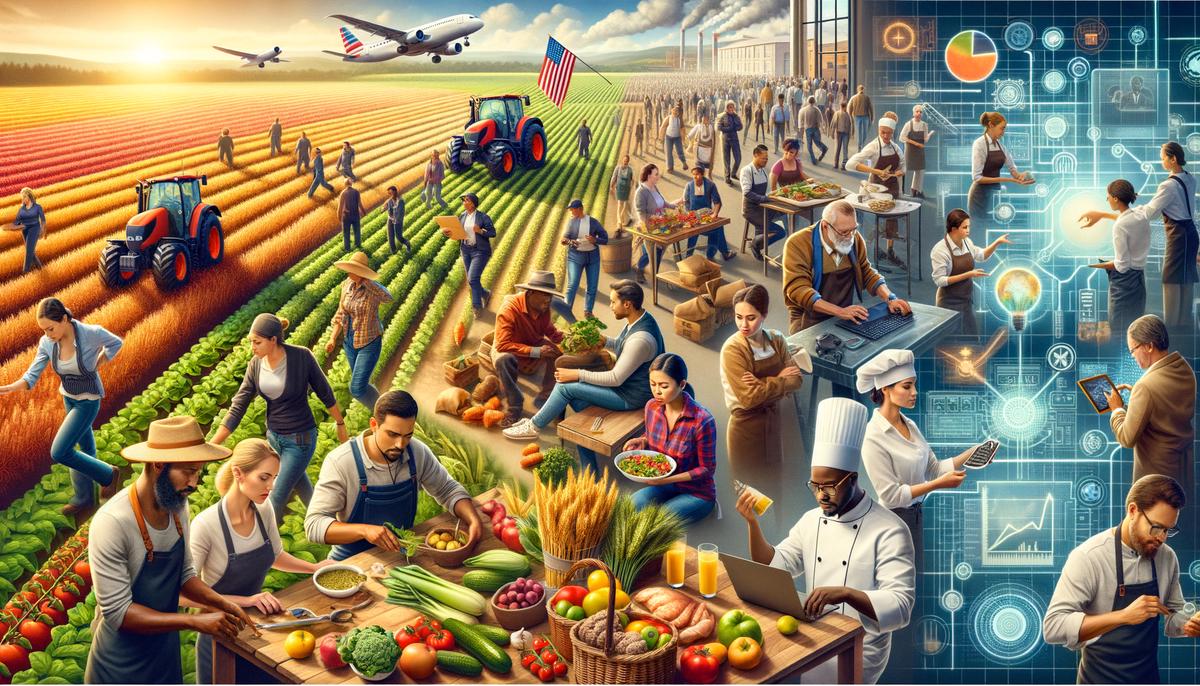
Contrary to some misconceptions, immigrants play a vital role in the U.S. economy. They contribute approximately $7 billion annually to the Social Security Trust Fund, often without being able to benefit from it personally. Immigrants are essential in various sectors, particularly in:
- Agriculture
- Hospitality
- Other labor-intensive industries often overlooked by native-born workers
Many immigrants own small businesses, drive innovation, and fill crucial roles across American cities. They often work in challenging circumstances, demonstrating remarkable resilience and dedication.
It's important to note that immigrants generally consume less healthcare than their native-born counterparts, countering claims of strain on the healthcare system. However, there is a pressing need for improved healthcare access for immigrant communities, as many work jobs without benefits or insurance.
Organizations like Border Angels highlight the deep roots immigrants establish in their communities and the positive impact they have. As immigrants continue to contribute to and shape the economy, it's crucial to recognize their indispensable role in America's economic fabric.
Reproductive Justice and Immigrant Rights
The intersection of reproductive justice and immigrant rights presents unique challenges that often go overlooked. Immigrant women, both documented and undocumented, face significant barriers in accessing healthcare, including:
- Linguistic obstacles
- Economic constraints
- Legal issues
Many immigrant women lack health insurance and work in low-wage jobs without health benefits, relying on emergency services but lacking access to preventative care. Essential services like Pap smears, breast cancer screenings, and contraception are often out of reach, limiting reproductive autonomy.
"We need to remember that things like DACA happen because we mobilize and organize. No matter what decisions are made now or in the future politically, we have so much power within our community. That's where we should find hope."
Historically, policies have targeted immigrant women's reproductive rights as a means of population control. For example, some immigrants are denied Medicaid coverage for prenatal care during their first five years in the country, despite paying taxes.
Organizations like the National Coalition for Immigrant Women's Rights work to dismantle these barriers and advocate for policy changes. They aim to create an environment where immigrant women's rights to make informed decisions about their reproductive health are recognized as fundamental.
The struggle for reproductive justice for immigrants is part of a broader movement for social justice, requiring collaboration between various communities and advocacy groups. By addressing these interconnected issues, we work towards a more equitable future for all.

Organizations Supporting Immigrant Rights
Several organizations play crucial roles in supporting immigrant rights and providing essential services:
- Border Angels: Founded in 1986, focuses on assisting migrants at the U.S.-Mexico border. Their work includes conducting water drops in desert areas, supporting migrant shelters in Tijuana, providing legal aid, facilitating community education, and even repatriating remains of those who perish during their journey.
- The National Coalition for Immigrant Women's Rights (NCIWR): Advocates specifically for immigrant women's rights. Comprising organizations like Legal Momentum and the National Latina Institute for Reproductive Health, NCIWR works to secure comprehensive immigration reform while emphasizing the dignity and autonomy of immigrant women.
- United We Dream: The largest immigrant youth-led network in the country, empowers young immigrants through education, advocacy, and support. They provide resources for DACA recipients, deportation defense strategies, and educational webinars on navigating the complex immigration system.
These organizations not only address immediate needs but also work towards systemic change. They highlight the potential for committed action to create tangible improvements in the lives of immigrants and in society as a whole.
The Future of Immigration Reform
The path to immigration reform is complex, intertwining with broader issues of social justice, economic policies, healthcare reform, and civil rights. Political challenges and shifting public opinion create obstacles, but there's a growing recognition that comprehensive reform must be both ambitious and inclusive.
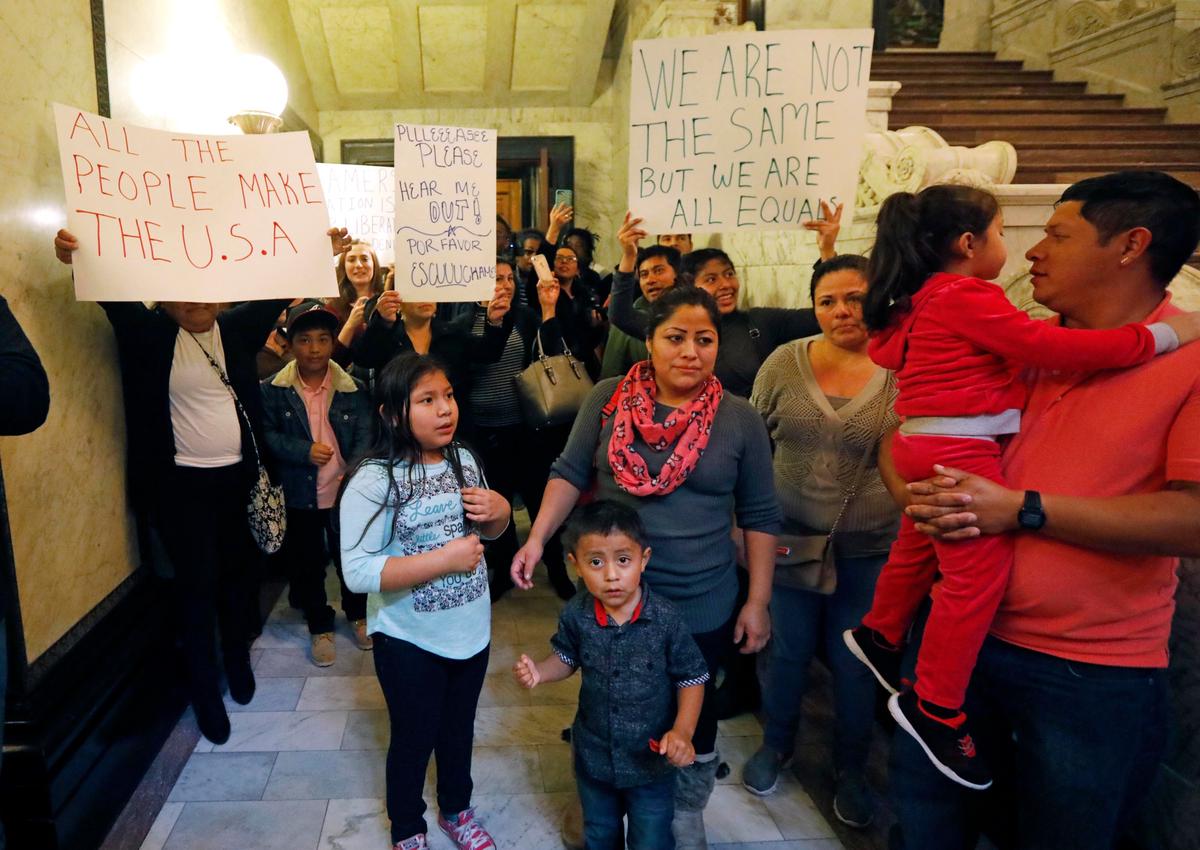
Progressive voices advocate for reforms that recognize immigrants as integral contributors to society. This approach links immigration reform to social justice initiatives, aiming to extend employment rights, access to education, and healthcare opportunities to all, regardless of birthplace.
Proposed reforms seek to address:
- Immigration court backlogs
- Streamlined pathways to citizenship
- Protections for diverse immigrant populations
DACA recipients often serve as powerful examples of the human impact of these policies.
The reform process requires building alliances across political divides while addressing global issues like climate change and its impact on migration patterns. Grassroots advocacy continues to play a vital role, with organizations lobbying for policy changes and encouraging community engagement.
As the immigration reform narrative continues to evolve, the focus on linking it with broader social justice issues remains crucial. While challenges persist, the vision of a more inclusive and equitable immigration system continues to drive efforts for meaningful change.

As we consider the path forward, it's clear that immigration reform is not just about policy but about recognizing the integral role immigrants play in shaping society. Their stories, filled with resilience and determination, remind us of the potential for a future where dignity and opportunity are available to all, regardless of origin.
- Pew Research Center. Key facts about Title 42, the pandemic policy that has reshaped immigration enforcement at U.S.-Mexico border.
- Department of Homeland Security. Statement by Secretary Mayorkas on CDC's Title 42 Order Termination.
- Migration Policy Institute. Court-Ordered Relaunch of Remain in Mexico Policy Tweaks Predecessor Program, but Faces Similar Challenges.
- Border Angels. Our Mission.
- National Coalition for Immigrant Women's Rights. About NCIWR.