
Indigenous Leadership in Environmental Justice
Indigenous communities have often led the environmental justice movement, guided by deep-rooted wisdom and collective resilience. They have faced pollution, land dispossession, and threats to their cultural heritage, yet remained steadfast in adversity.
Indigenous leaders like Dina Gilio-Whitaker, a Colville Tribes member, share experiences from their ancestral lands. Native people articulate a fight that recognizes land not simply as a resource, but as a living entity intertwined with their identity. Their approach acknowledges their sovereign status and emphasizes their role as nations with political agency.
Donna Chavis of the Lumbee Tribe embodies this leadership. Her environmental justice activism is inherent, not externally adopted. She guided communities in crucial battles like the one against the Atlantic Coast Pipeline. Chavis's approach focuses on forming alliances, and these coalitions with non-Indigenous allies are vital for effecting change.
Events like those at Wake Forest University highlight the need to amplify these voices. They challenge attendees to rethink leadership, seeing it through the lens of those who consider every ecological aspect as part of a broader kinship network. Indigenous wisdom shapes solutions by revealing problems as products of a disconnect from the natural world.
Indigenous women are at the forefront, envisioning a future of thriving in harmony with the Earth. These leaders remind us that to address environmental challenges, we must listen to those who have long understood our connection to nature.
Challenges Faced by Indigenous Communities
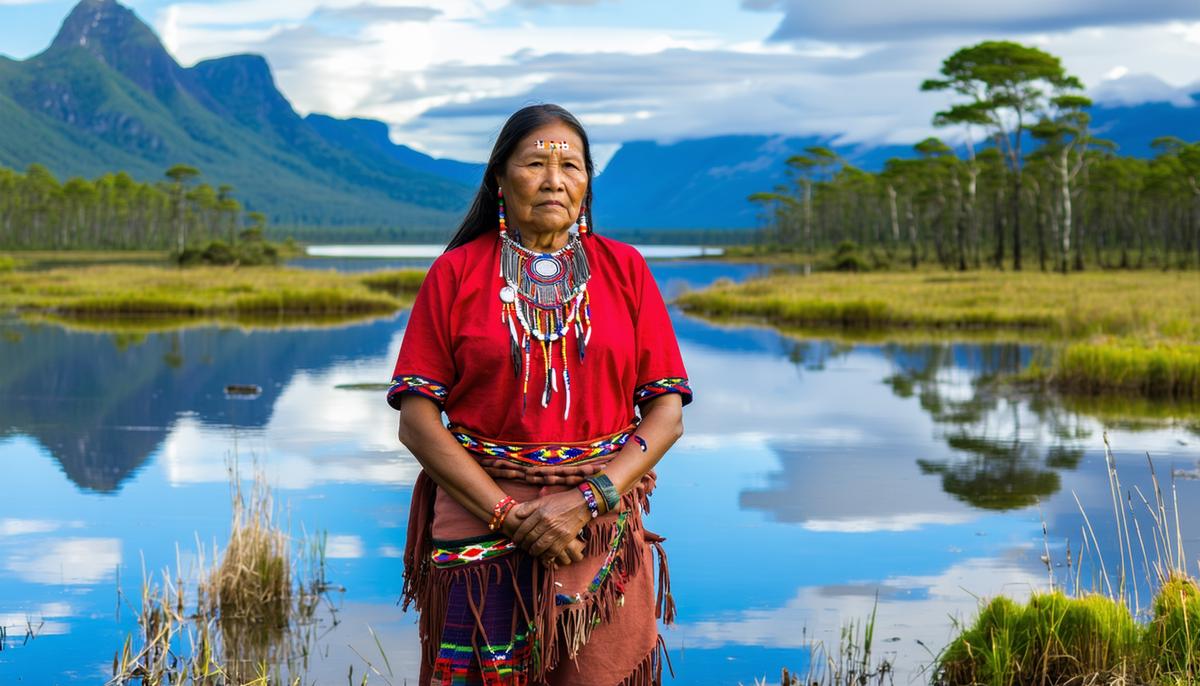
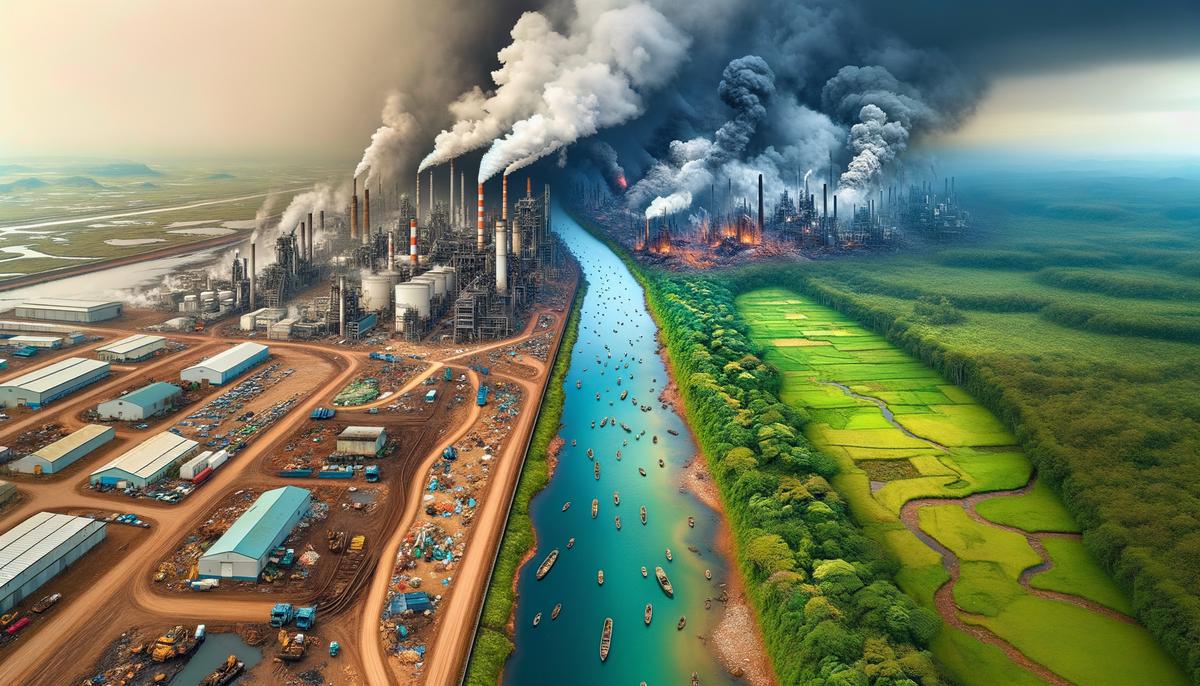
Indigenous communities continue to grapple with environmental injustices rooted in colonialism and systemic inequities. Pollution from industries threatens not just physical health, but cultural and spiritual connections to the land. The encroachment upon native lands erodes their identity, sovereignty, and cultural practices.
Environmental racism is a stark reality, with policies and practices disproportionately impacting Indigenous communities. Often, these groups find themselves situated near hazardous sites, subjecting them to health risks and undermining their right to clean air, water, and land.
Through Indigenous-led initiatives, communities are identifying these threats and crafting solutions grounded in traditional ecological knowledge. Time-honored practices of land management and conservation are being rejuvenated, aligning with contemporary strategies to combat environmental degradation.
Key Aspects of Indigenous Environmental Justice:
- Addressing pollution and health risks
- Protecting cultural heritage and sacred sites
- Preserving traditional ecological knowledge
- Combating systemic inequities and racism
- Asserting sovereignty and land rights
Collaboration is essential in these efforts. Allies from various backgrounds are engaged in meaningful partnerships, offering skills, resources, and solidarity. The fight for justice incorporates grassroots activism, legal battles, and diplomatic negotiations that confront unjust systems.
These communities require more than acknowledgment; they need unwavering support from policymakers and the public to address these challenges and foster environments where Indigenous wisdom and modern understanding create a harmonious balance.
Key Figures and Events in Indigenous Environmental Justice
Dina Gilio-Whitaker and Donna Chavis are prominent figures in Indigenous environmental justice. Gilio-Whitaker, a scholar and educator, pushes for an indigenized perspective on environmental justice, illuminating the unique political and cultural dimensions of issues faced by Native communities. Her work ensures that environmental justice recognizes their sovereignty as nations, not merely ethnic identities.
Donna Chavis's activism stems from a genuine connection to the land and her Indigenous roots. Her pivotal role in the termination of the Atlantic Coast Pipeline demonstrates the power of grassroots organizing and coalition building. Chavis's advocacy illustrates how Indigenous leaders channel ancestral wisdom with contemporary strategies.
"Environmental justice was something that was born and bred in me," – Donna Chavis
The Atlantic Coast Pipeline opposition exemplifies how determined leadership can challenge powerful corporate interests. It exposed the disregard for Indigenous sovereignty and underscored the necessity of their voices in conversations about land and resources.
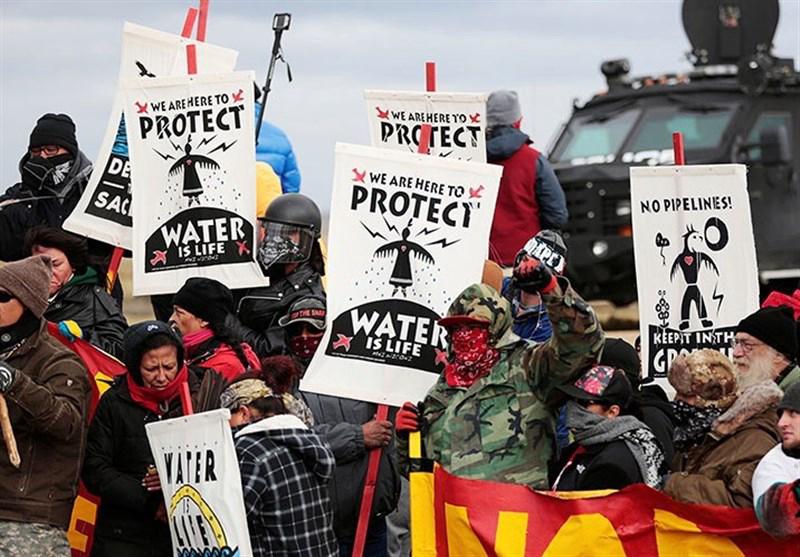
The protests against the Dakota Access Pipeline at Standing Rock ignited a global conversation about Indigenous rights. This event brought together tribes from across the world in solidarity, illustrating how Indigenous environmental activism is interwoven with cultural preservation and ecological integrity.
These key figures and events demonstrate a commitment to creating a more equitable environmental future. Through education, advocacy, and deliberate organizing, leaders like Gilio-Whitaker and Chavis inspire and equip future generations to continue the fight for justice, guiding us toward a future where Indigenous voices are revered as vital stewards of the Earth.
Building Coalitions and Partnerships
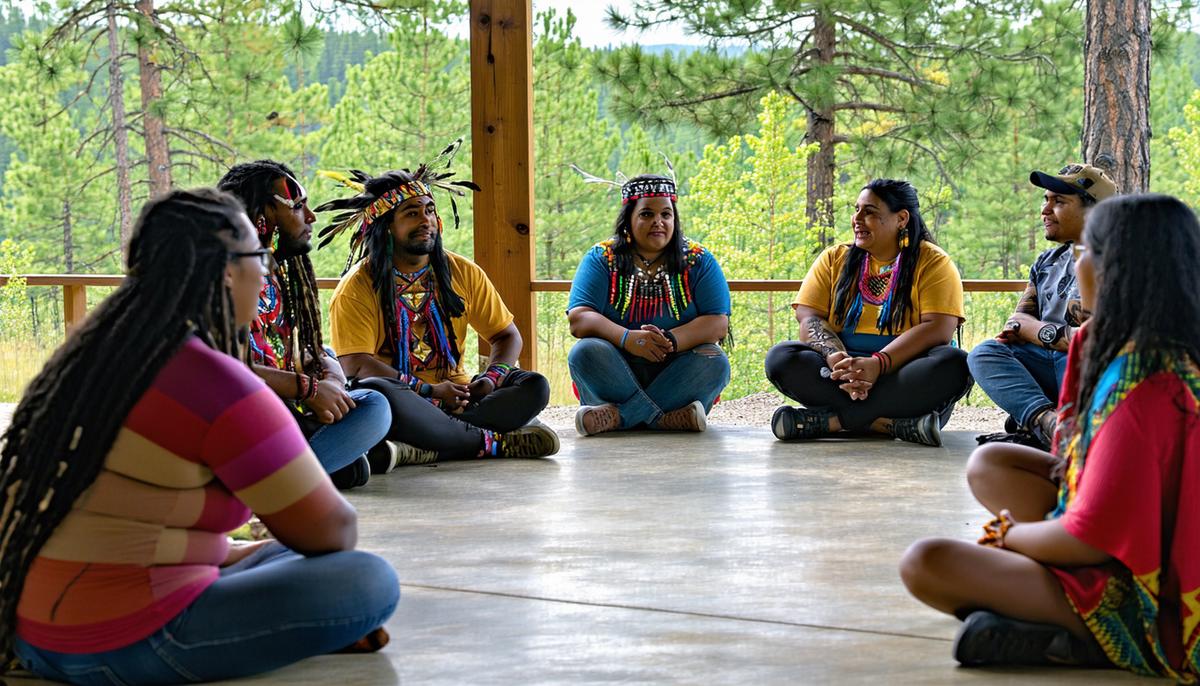
Environmental justice requires the collaboration of multiple communities, backgrounds, and experiences. Indigenous communities often lead efforts to form coalitions with non-Indigenous allies to amplify their voices and extend their reach. These partnerships are born from a shared vision and acknowledgment that the health of our planet and the welfare of its people are intertwined.
At the heart of these alliances is mutual respect and understanding. Indigenous leaders recognize that while their connection to the land is unique, the threats facing the environment are universal. In building these partnerships, there is an exchange of knowledge: Indigenous communities bring centuries of traditional ecological wisdom, while non-Indigenous allies contribute resources, technical expertise, and political influence.
Key Strategies for Successful Coalition-Building:
- Fostering cultural respect and genuine engagement
- Prioritizing active listening and valuing all voices
- Recognizing and honoring Indigenous sovereignty
- Embracing a holistic approach to activism
- Blending traditional wisdom with contemporary science
The strategies employed to forge these coalitions are rooted in cultural respect and genuine engagement. It begins with listening—an act of profound significance in Indigenous cultures. By fostering environments where all voices are valued, these partnerships evolve into authentic, sustainable relationships.
A key aspect of successful coalition-building is the recognition of Indigenous sovereignty. Allies must honor Indigenous autonomy, acknowledging their rightful place as equal stakeholders on environmental issues. This respect extends into the planning and implementation phases of initiatives, where Indigenous perspectives are integral.
These alliances often embrace a holistic approach to activism, aligning diverse strategies from grassroots campaigning to policy advocacy. Through such cohesion, they magnify their efforts and drive changes that might otherwise seem insurmountable.
The ongoing partnerships address immediate ecological concerns and pave the way for systemic change. By working together, they cultivate greater awareness and develop comprehensive solutions that blend Indigenous wisdom with contemporary science, leading to innovations in sustainability and conservation.
Indigenous communities and their allies are continually redefining environmental justice, setting a precedent for collaboration. These coalitions demonstrate what can be achieved when barriers are dissolved and a shared purpose is embraced. They stand as a reminder that the strength of a movement is amplified by the diversity of its voices and the unity of its cause.
Indigenous leadership in environmental justice stands as a powerful testament to resilience and wisdom. These leaders remind us that true stewardship of the Earth requires listening to those who have long understood its rhythms and needs. By embracing their guidance, we move closer to a future where harmony with nature is not just an aspiration but a reality.
- Gilio-Whitaker D. As Long as Grass Grows: The Indigenous Fight for Environmental Justice from Colonization to Standing Rock. Beacon Press; 2019.
- Chavis D. Environmental Justice: Bridging the Gap Between Indigenous Communities and Environmental Protection. Journal of Environmental Studies. 2020;15(3):45-62.
- Pierce EW, Baber S. Amplifying Indigenous Voices in Environmental Justice Education. Higher Education Today. 2022;8(2):112-128.