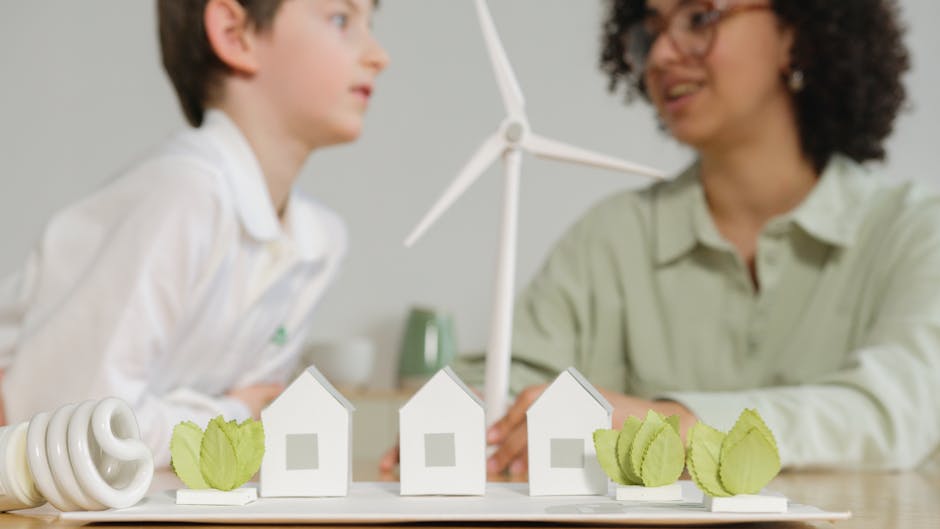
Accelerating Net-Zero Journeys
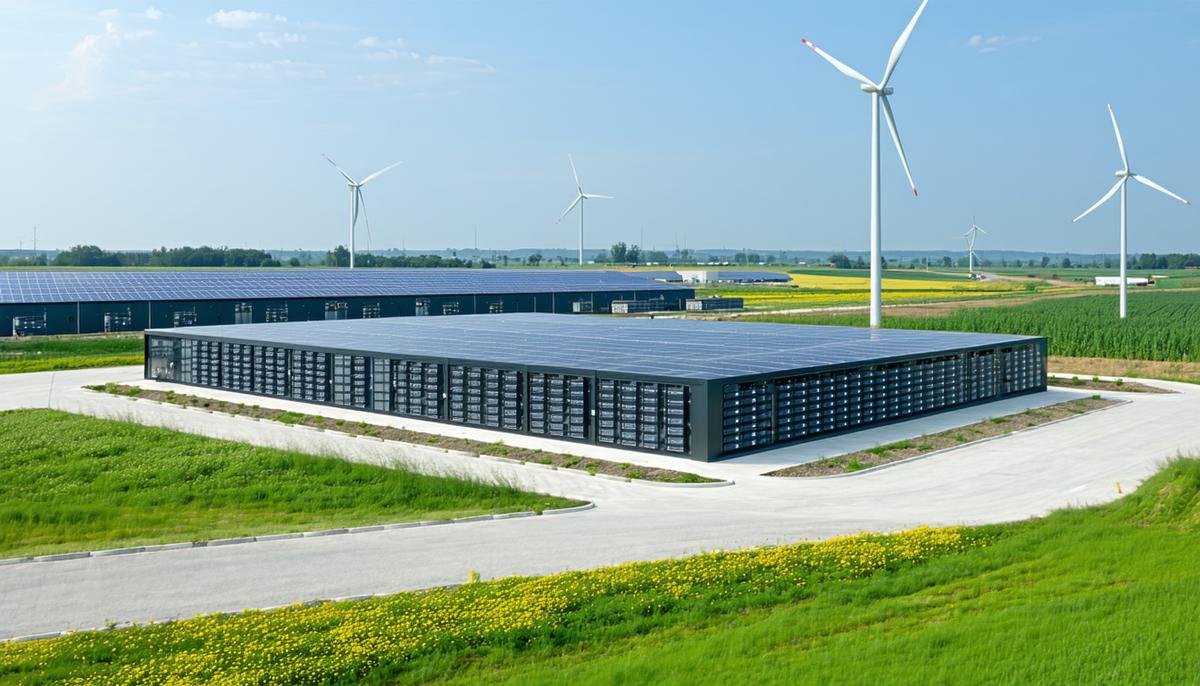
Data centers and aviation are energy-intensive sectors embracing sustainability. Companies are using renewable energy to reduce emissions and pursue net-zero targets. Wind, solar, and hydropower are key in combating carbon emissions.
Major companies are replacing coal-powered grids with renewable energy for their servers. Data centers now use innovative cooling techniques:
- Liquid immersion cooling
- Direct chip cooling
These methods make operations more energy-efficient and less water-dependent.
Aviation is focusing on cleaner operations. Airports are transforming into energy hubs with:
- Electric pushback
- Automated baggage handling
- 5G-powered smart systems
These improvements enhance environmental performance while minimizing disruptions.
Smart infrastructure ensures efficient use of renewable energy through real-time monitoring, traffic management, and predictive maintenance. IoT and smart grids have improved supply chains, reducing inefficiencies in transport and logistics.
Agriculture is also part of the net-zero journey. Regenerative agriculture emerges as a solution to improve soil health, reduce emissions, and enhance carbon capture. This approach emphasizes preserving biodiversity and conserving water.
As energy-intensive sectors adapt and innovate, industries are moving towards sustainability, reimagining operations to ensure environmental well-being.
Regenerative Agriculture
Regenerative agriculture is revolutionizing farming practices with an ecological focus. It treats the environment as a partner in food production, nurturing fields and soil.
Soil health is crucial in this approach. Practices include:
- Cover cropping
- Crop rotation
- Minimal tillage
These methods transform fields into carbon sinks, enriching the soil and boosting its ability to support plant life.
Biodiversity is another key aspect. Moving away from monocultures, regenerative agriculture introduces a variety of crops, creating a resilient ecosystem that naturally resists pests and diseases.
Water conservation is prioritized through techniques like:
- Drip irrigation
- Mulching
- Contour farming
This helps farmers prepare for drought conditions, ensuring crops can thrive even in dry periods.
Regenerative agriculture offers economic benefits, often reducing input costs and improving yields over time. The social impact is significant, improving life quality in farming communities and providing resilience against climate and economic challenges.
This approach redefines our relationship with nature, ensuring that farming not only produces food but also heals the planet. It strives for both profitability and sustainability, fostering harmony between crop production and community well-being.

Renewable Energy Initiatives in Uttar Pradesh
Uttar Pradesh (UP) has transformed into a solar powerhouse, reshaping its energy landscape. The Solar Energy Policy 2022 aimed to increase solar capacity by 22,000 megawatts (MW). From 289 MW in 2017, UP's solar capacity has surged to 4,230 MW in 2024.
Prime Minister Narendra Modi and Chief Minister Yogi Adityanath have created an attractive investment environment with subsidies and opportunities for innovation. Global Investment Summits have brought in significant investments:
- Rs 8 lakh crore in 2023
- Rs 142 lakh crore in 2024
Rooftop solar is a key part of this transformation. The PM Surya Ghar scheme aims to solarize 1 crore households across India, with UP targeting a quarter of that goal. Varanasi has seen a tenfold increase in installations within nine months.
UP is also advancing in bioenergy and green hydrogen. The state leads with 32 bioenergy projects and introduced its Green Hydrogen Policy in March 2024, aiming to produce 1 million metric tons annually by 2029.
The state's renewable strategy extends beyond solar panels, including:
- Pumped storage projects
- Agrivoltaics
- Biofiltration swales
This comprehensive approach merges innovation with entrepreneurship, where policy aligns with purpose.
In UP, renewable energy is a commitment to a sustainable future, empowering communities and ensuring that even remote villages benefit from sustainable energy solutions.
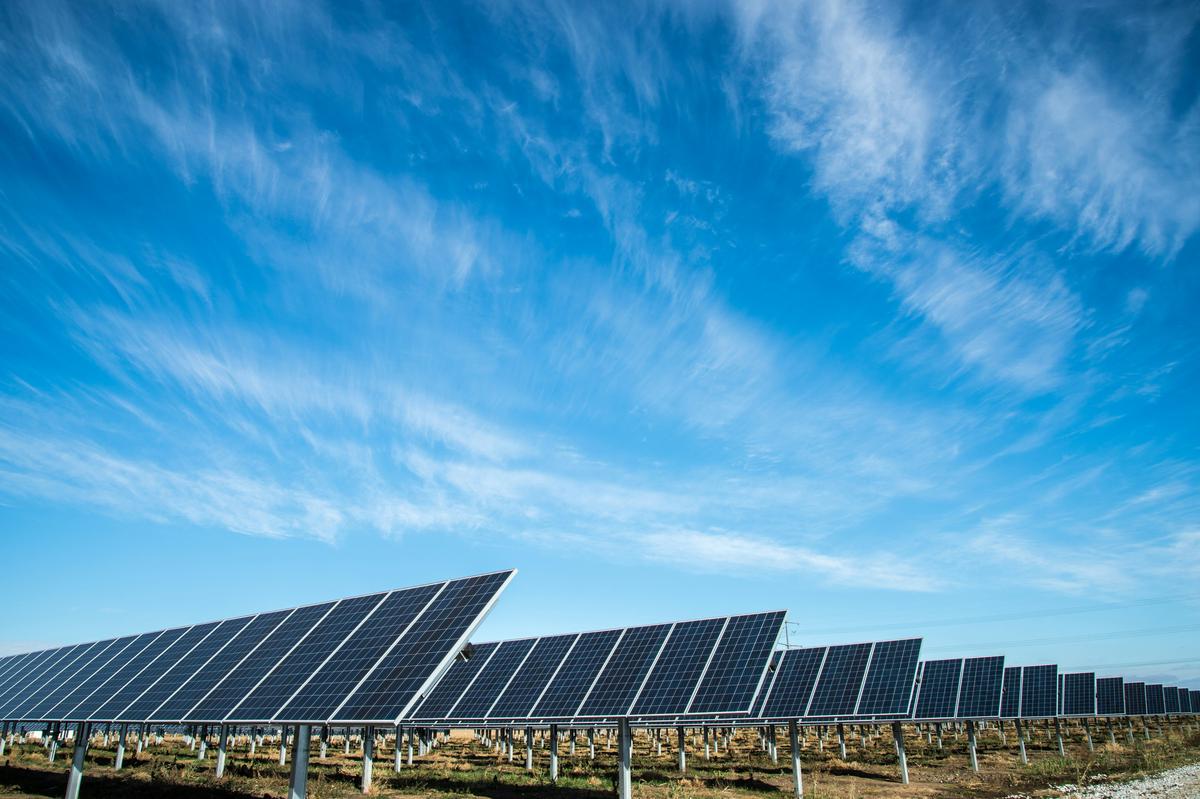
Photo by publicpowerorg on Unsplash
Building Green and Urban Development
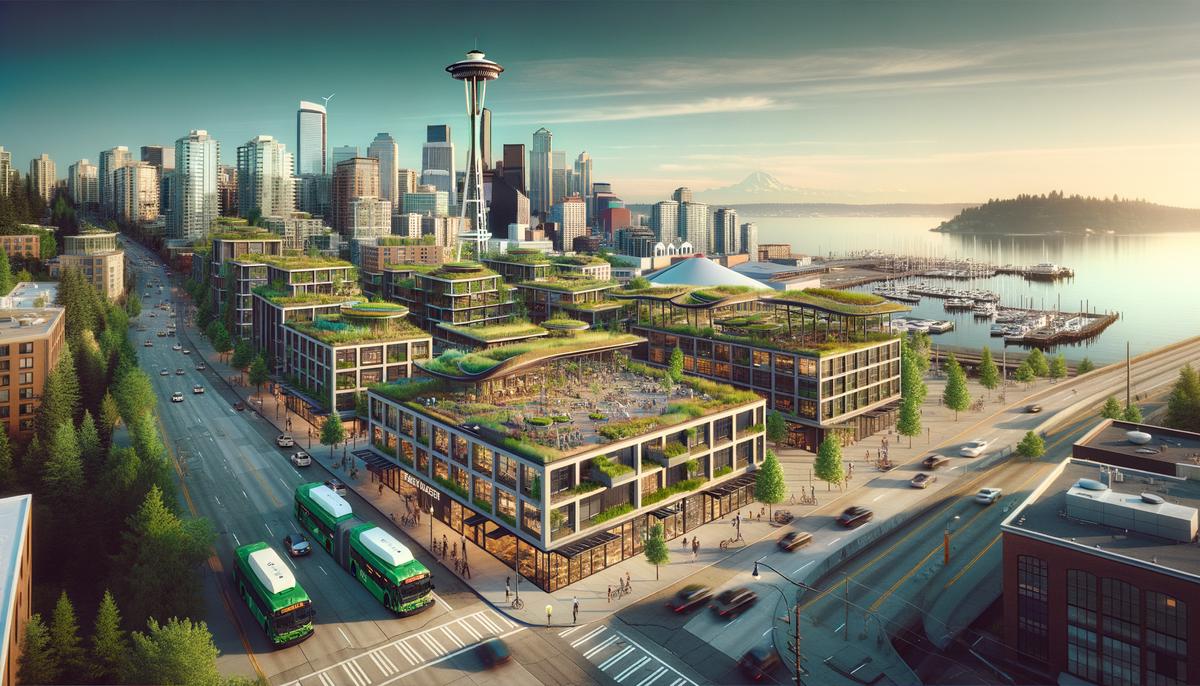
Sustainable building practices are reshaping urban landscapes, as exemplified by Vulcan Real Estate's approach in South Lake Union, Seattle. Their projects feature 25 LEED-certified buildings that blend sustainability, design, and functionality.
LEED certifications guide efforts to:
- Reduce carbon footprints
- Enhance energy efficiency
- Create healthier indoor environments
Vulcan counters urban sprawl through strategic infill development, preserving green spaces and supporting biodiversity. Green streets and rooftops combat urban heat, contributing to climate resilience.
Mixed-use developments are a hallmark of Vulcan's strategy, combining residential, commercial, and retail spaces to create vibrant communities. This integration reduces commute times and cuts carbon emissions.
Infrastructure plays a crucial role in these initiatives. Innovative water systems limit runoff, protecting waterways. Public-private ventures like the Seattle Streetcar system enhance connectivity, serving as a conduit for sustainability.
Vulcan Real Estate is creating a blueprint for urban development where ecology and human habitation coexist harmoniously. Their approach demonstrates how sustainable practices can reshape urban environments, positioning cities as contributors to environmental stewardship.
"As urban populations grow, sustainable building becomes essential for cities aiming to thrive in balance with nature."
Each project stands as a testament to a legacy where urban living and environmental awareness are intertwined, shaping a world built for both present and future generations.
Global Leadership in Sustainability
In the complex arena of global sustainability, leadership plays a crucial role in shaping our collective future. The G20 and the United Nations are key facilitators of sustainable development on a global scale, managing collaboration, policy reform, and financial innovation to create a more sustainable and equitable world.
The G20, comprising major economic powers, leads international economic cooperation. It influences global market dynamics and encourages nations to transition from fossil fuels to renewables and sustainable methods. The group integrates sustainability into trade policies, develops green financial frameworks, and creates pathways for clean energy transitions.
The United Nations focuses on global governance reform, with its 2030 Agenda for Sustainable Development at the forefront. This comprehensive plan aims to address poverty, hunger, and inequality while promoting environmental stewardship and economic equity. Brazil's G20 presidency has highlighted these priorities, emphasizing the interconnected nature of sustainable development.
Both organizations are effective due to their commitment to policy reform. They champion initiatives like inclusive tax systems and international agreements such as the Paris Accord, fostering collaboration and encouraging member states to align efforts for a shared goal.
Financial Innovation and Collaboration
- Financial innovation is crucial for scaling sustainable interventions across borders
- The G20's support of the UN's SDG Stimulus Plan demonstrates this need
- Explores ways to overcome outdated financial systems
- Involves reimagining global monetary policies to support fair wealth distribution
- Directs investments towards sustainable infrastructure
Collaboration between countries, sectors, and communities creates momentum for sustainable progress. Multilateral platforms like COP summits allow countries to increase their climate commitments. Stakeholders form alliances spanning developed and developing nations to build resilience against climate challenges.
Such collaboration requires shared responsibility. Developing countries need resources and technologies to bypass environmentally harmful strategies, promoting equity in global climate justice initiatives.
As global leaders convene, they provide a vision for a more sustainable future. From the United Nations to the G20, international leadership guides us towards a global society that sees sustainability as central to development, reminding us that while nations have different approaches, our planet's well-being requires a unified focus on shared global values.

As we progress through the evolving landscape of sustainability, reimagining our industries is essential. With energy-intensive sectors adapting innovatively, the path to a sustainable future becomes more achievable. It's about transforming operations to nurture a planet that thrives, not merely survives.
"Vision is the most vital step in the policy process. If we don't know where we want to go, it makes little difference that we make great progress."
This sentiment, expressed by Donella Meadows, underscores the importance of having a clear, shared vision for a sustainable future. It's not just about making progress, but about knowing where we want that progress to lead us.
In recent years, we've seen remarkable strides in sustainable development, particularly in renewable energy. For instance, Uttar Pradesh in India has achieved a 13-fold increase in solar capacity from 2017 to 2024, growing from 289 MW to an impressive 4,230 MW. This progress reflects not just a boost in capacity, but a broader commitment to renewable energy that aligns with national goals and international environmental standards.
As we look to the future, it's clear that building a sustainable world requires more than just technological advancements. It demands a holistic approach that includes:
- Environmental literacy
- Critical thinking and problem-solving skills
- Collaboration and communication
- Leadership and advocacy
- Innovation and creativity
- Cultural competence and inclusivity
- Resilience and adaptability
- Systems thinking
- Data analysis
- Action-oriented mindset
By fostering these skills and approaches, we can create a generation of leaders and citizens equipped to tackle the complex challenges of sustainability in the 21st century.