
As society shifts to sustainability, green jobs offer promising avenues for economic and social transformation. These roles address environmental concerns while providing structured pathways for skill development and community empowerment. The transition to a greener economy invites diverse talents to contribute, fostering inclusivity and resilience in the workforce.
1. Job Formalization and Stability
The green jobs movement contributes to social and economic justice through job formalization and stability. As industries transition to sustainable operations, there's a need to create structured career paths within these sectors. This process includes developing training programs and certifications, equipping workers with essential skills that increase employability and align with the demands of a greener economy.
Emerging sectors like renewable energy and sustainable agriculture can provide reliable, long-term work opportunities, marking a shift from irregular and insecure job options often prevalent in underprivileged communities. This emphasis on job structure in green sectors provides workers with the stability necessary to foster economic growth and promote a fairer, more inclusive society.
Green jobs present a chance to create diverse employment opportunities that reach beyond traditional boundaries.
2. Skill Development for Future Jobs
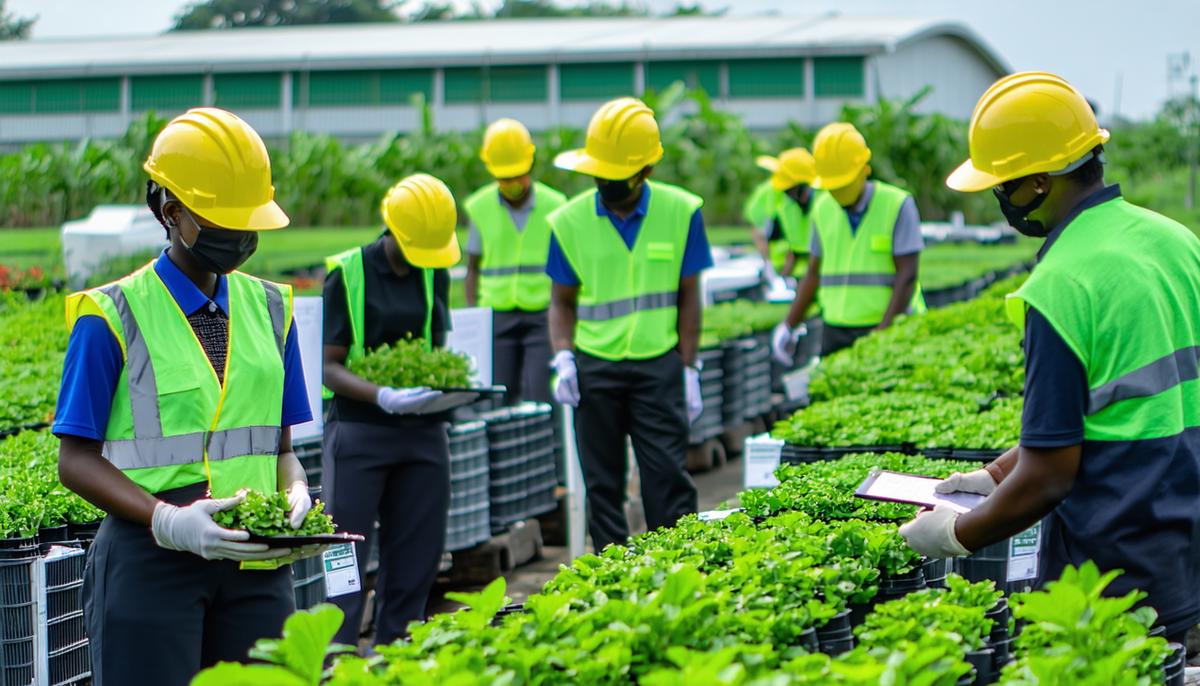
The green economy offers numerous opportunities for skill development. As demand for sustainable practices grows, so does the need for a workforce equipped with relevant knowledge and expertise. Skill development in green industries covers a broad spectrum—from mastering renewable energy systems to learning innovative practices in sustainable farming and conservation efforts.
Educational programs, apprenticeships, and training workshops are designed to impart both foundational and advanced skills. Green industries prioritize inclusivity and equity within their skill-building initiatives, establishing partnerships with educational institutions, nonprofits, and government programs to create accessible training opportunities for diverse populations.
By investing in skill development, we prepare a future workforce that is well-equipped and connected to the communities and environments they serve. These green skills promise to elevate livelihoods and contribute meaningfully to both economic and ecological resilience.
3. Empowering Economically Disadvantaged Communities
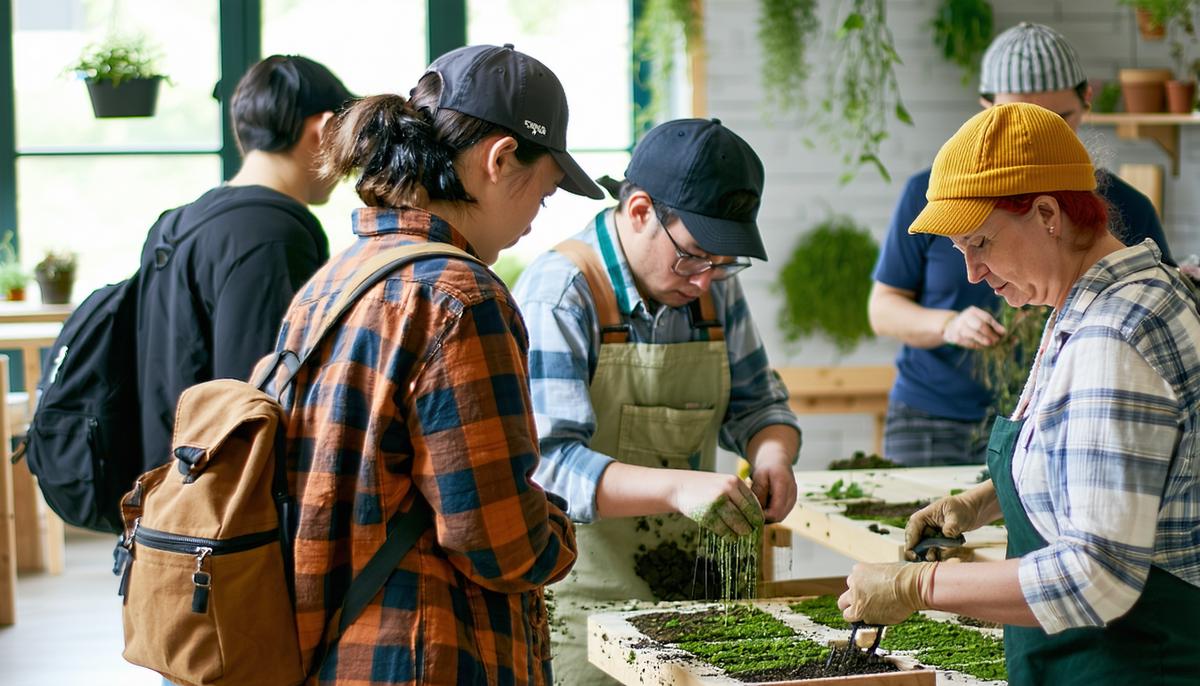
Green jobs offer tangible pathways to empowerment and upward mobility for economically disadvantaged communities. Through thoughtfully designed training and support systems, these communities can access opportunities that were traditionally out of reach, breaking cycles of poverty and inequality while fostering environmental progress.
Inclusive training programs, adapted to the unique needs and challenges faced by underprivileged groups, provide residents with accessible and affordable training in market-relevant and environmentally sustainable skills. These initiatives often come with comprehensive support systems, including:
- Job placement services
- Mentorship programs
- Post-training support
By empowering economically disadvantaged communities, green jobs offer more than just employment—they deliver a sense of dignity and agency, allowing individuals to contribute meaningfully to their community while building a sustainable future.
4. Enhancing Economic Inclusivity
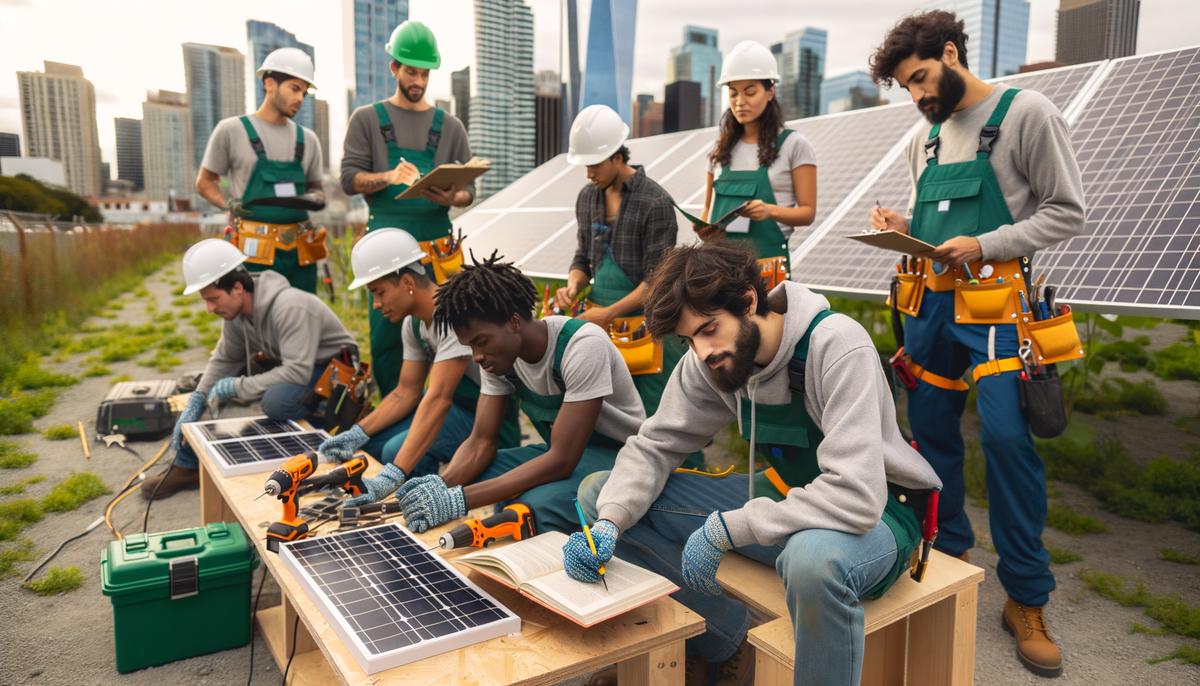
The shift to a green economy fosters an environment ripe with opportunities for enhancing economic inclusivity. As technological innovations and industry growth continue, green jobs present a chance to create diverse employment opportunities that reach beyond traditional boundaries.
Industries such as renewable energy, sustainable agriculture, and green transportation demand fresh perspectives and diverse skill sets. This creates opportunities for individuals from various sectors to contribute and thrive. The green job market values the diverse insights that people from different backgrounds bring, promoting resilience and innovative problem-solving within workforces.
Economic inclusivity in the green sector extends to entrepreneurial opportunities, with small businesses and startups focused on sustainability emerging in these burgeoning industries. With access to resources, mentorship, and support, individuals and small businesses can innovate and compete in markets previously dominated by larger entities.

5. Infrastructure Projects Supporting Employment
Infrastructure projects are crucial in sustainable development and economic justice, offering employment opportunities in various green job sectors. Large-scale government initiatives catalyze job creation, stimulate economic growth, and reinforce the foundation for a future-ready economy.
These projects modernize and broaden infrastructure, incorporating green technologies and sustainable practices. They create numerous green jobs encompassing roles in construction, engineering, and technological innovation. Workers engage in building and maintaining efficient and resilient systems, linking infrastructure work to ecological responsibility.
Infrastructure projects often include comprehensive training programs that equip workers with necessary skills and certifications. They are particularly instrumental in fostering local employment, often directed toward economically disadvantaged regions. This localized approach injects economic vitality into these areas while enhancing social cohesion and empowerment.
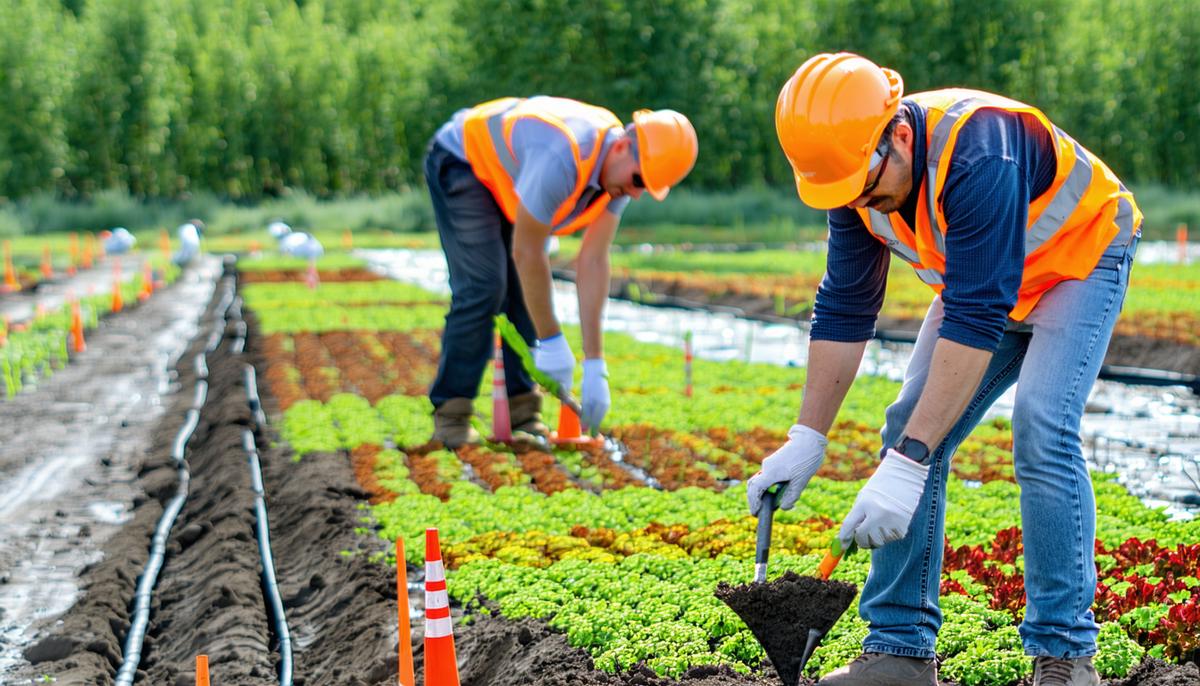
Green jobs have the potential to bridge social divides while promoting sustainable practices. By focusing on inclusivity and skill development, these opportunities lay the foundation for an equitable future where economic growth aligns with environmental stewardship.
- Political Economy Research Institute. Green Recovery: A Program to Create Good Jobs and Start Building a Low-Carbon Economy. 2008.
- Bureau of Labor Statistics. Green Jobs. 2010.
- Brookings Institution. Advancing Inclusion Through Clean Energy Jobs. 2019.
- U.S. Department of Energy. U.S. Energy and Employment Report. 2022.
- Lightcast and WorkingNation. Green Jobs Now: 2022 State Report. 2022.