
Legislative Actions
The Inflation Reduction Act stands at the forefront of progressive efforts to address environmental injustice. This act invests in sustainability, particularly in communities that often lack access to clean water and air. It's projected to create 1.3 million clean energy jobs by the end of the decade, addressing both employment needs and environmental concerns.
President Biden's executive order directed every federal agency to address environmental injustice and established a new Office of Environmental Justice. The administration aims to channel at least 40% of benefits from climate and clean investments to disadvantaged communities.
Rejoining the Paris Agreement reinvigorated U.S.-China dialogue on global emissions reduction. Progressive efforts also led to an international agreement to shift away from fossil fuels, marking a significant milestone in climate talks.
The America the Beautiful initiative aims to protect and conserve 30% of U.S. lands and waters by 2030, focusing on collaboration with public, private, and Tribal lands.
Executive Initiatives
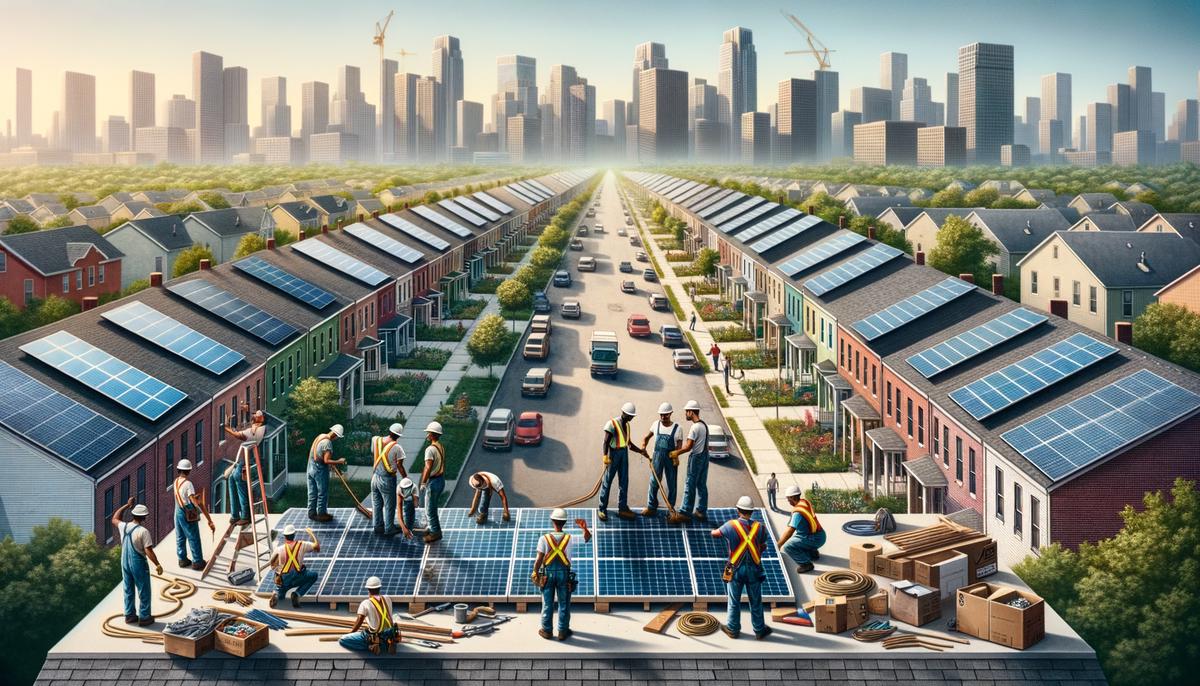
The Biden administration has taken decisive action to combat environmental injustice through executive initiatives. The establishment of the Office of Environmental Justice signals a commitment to embedding environmental justice in governmental operations.
The Justice40 Initiative aims to ensure that at least 40% of the benefits from climate and clean energy investments reach disadvantaged communities. This represents a significant shift towards more equitable distribution of resources and benefits.
These executive actions have mobilized a coordinated effort across federal agencies to deliver tangible changes in everyday lives, particularly in neighborhoods that have historically borne the brunt of environmental neglect.

Economic and Job Creation Efforts
The American Climate Corps, a key initiative in progressive climate efforts, aims to employ 20,000 young Americans in roles that address environmental challenges while providing valuable skills and fair compensation.
The clean energy sector has already seen significant job growth, with over 271,000 new jobs created since the passage of the Inflation Reduction Act. Many of these opportunities are targeted at historically overlooked communities, offering pathways to prosperity in areas previously affected by systemic neglect and pollution.
These economic investments are revitalizing local economies, particularly in disadvantaged areas, by introducing clean technologies and creating new opportunities. This approach not only reduces emissions but also promotes economic dynamism in previously disenfranchised regions.

Conservation and Public Lands
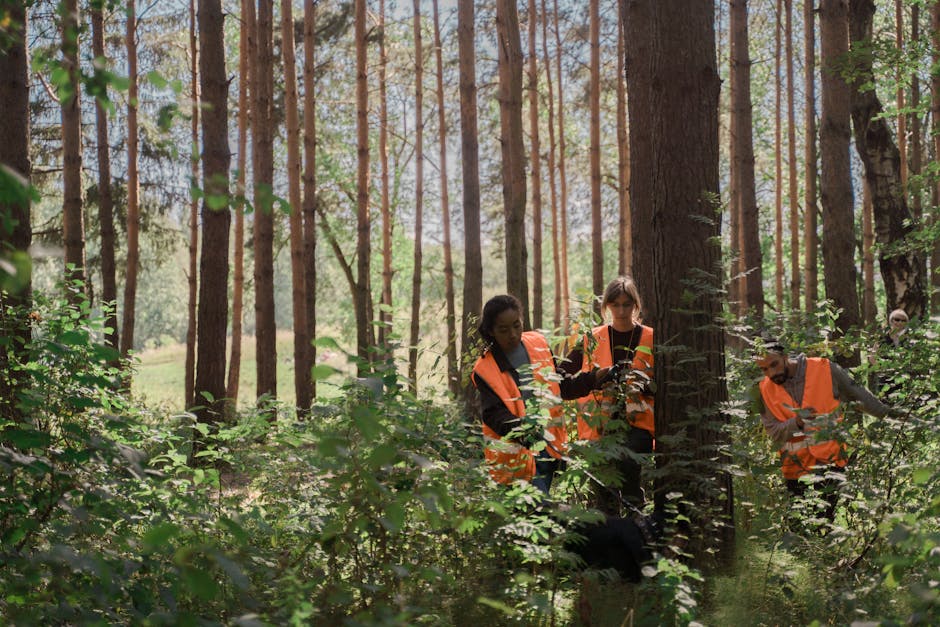
The "America the Beautiful" initiative aims to conserve 30% of U.S. lands and waters by 2030, addressing both conservation goals and environmental justice concerns. This effort protects biodiversity and helps reduce the disproportionate environmental burdens faced by marginalized communities.
The initiative collaborates with private and Tribal lands, respecting diverse stewardship traditions and incorporating indigenous wisdom into conservation practices. The Biden administration has invested $18 billion in these conservation efforts, demonstrating a commitment to both environmental protection and community involvement.
Conservation of public lands ensures greater access to nature for all communities, promoting equity in recreational opportunities and connection to natural heritage. These efforts also contribute to climate resilience and carbon footprint reduction.
International Diplomacy
The United States' return to the Paris Agreement has reinvigorated global climate diplomacy. This move has particularly strengthened U.S.-China cooperation on emissions reduction, crucial for achieving global climate goals.
International agreements are increasingly focusing on transitioning away from fossil fuels, a shift that benefits developing nations and disadvantaged communities worldwide. These diplomatic efforts are translating into tangible support for areas historically affected by environmental neglect, providing access to clean energy resources and technologies.
Global climate commitments are now more closely linked to local action, ensuring that international policies have direct impacts on communities. This approach to diplomacy aims to create a more inclusive and equitable global response to climate change, giving voice to communities often marginalized in international discussions.

Progressive efforts in environmental justice are gradually transforming aspirations into tangible outcomes. By intertwining legislative actions, executive initiatives, and economic strategies, a path is being paved for a more equitable and sustainable future. This collective momentum underscores the commitment to ensuring that communities historically overlooked are now at the forefront of change.
- Environmental Protection Agency. Justice40 Initiative. 2023.
- U.S. Department of the Interior. America the Beautiful Initiative. 2023.
- White House. Fact Sheet: Biden-Harris Administration Launches American Climate Corps. 2023.
- United Nations Framework Convention on Climate Change. The Paris Agreement. 2015.