
Socio-Economic Vulnerability
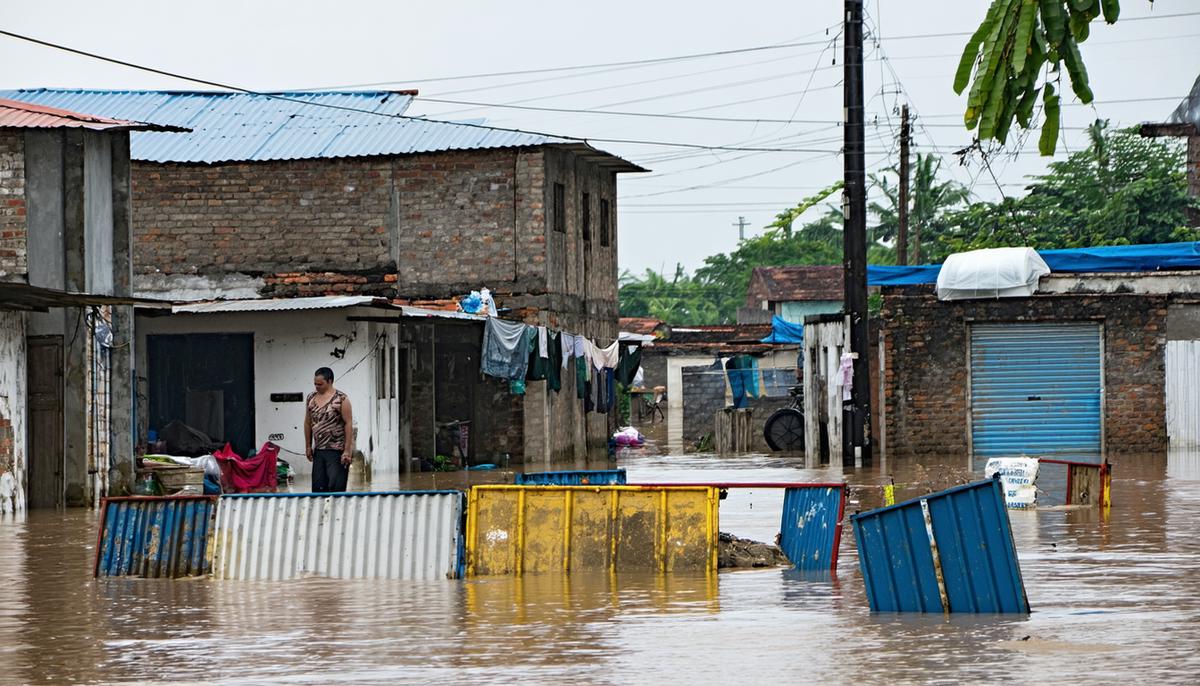
Marginalized communities often bear the brunt of climate change impacts due to existing socio-economic disparities. These populations face significant challenges in adapting to changing environmental conditions, lacking essential resources and social services when they're most needed.
The contrast is stark between those who can afford protective measures and those left exposed to climate risks. Limited access to basic necessities like clean water and food compounds the struggle of marginalized groups to adapt. Their voices are often absent from policy-making discussions, further perpetuating inequality and vulnerability to climate impacts.
For many, adapting to new climate realities isn't about choosing eco-friendly options, but about securing basic needs and shelter. This creates a vicious cycle where socio-economic instability exacerbates climate change impacts, which in turn worsen economic standing.
Policy initiatives often miss the mark by failing to address the unique challenges these communities face. The lack of input from those most affected leads to solutions that overlook crucial human elements. Additionally, limited access to healthcare services further hinders their ability to cope with climate-related health challenges.
Addressing these imbalances requires more than acknowledgment; it demands action that includes and elevates marginalized voices in decision-making processes. Without significant change, the cycle of socio-economic vulnerability and climate change remains unbroken.
Health Impacts and Resilience
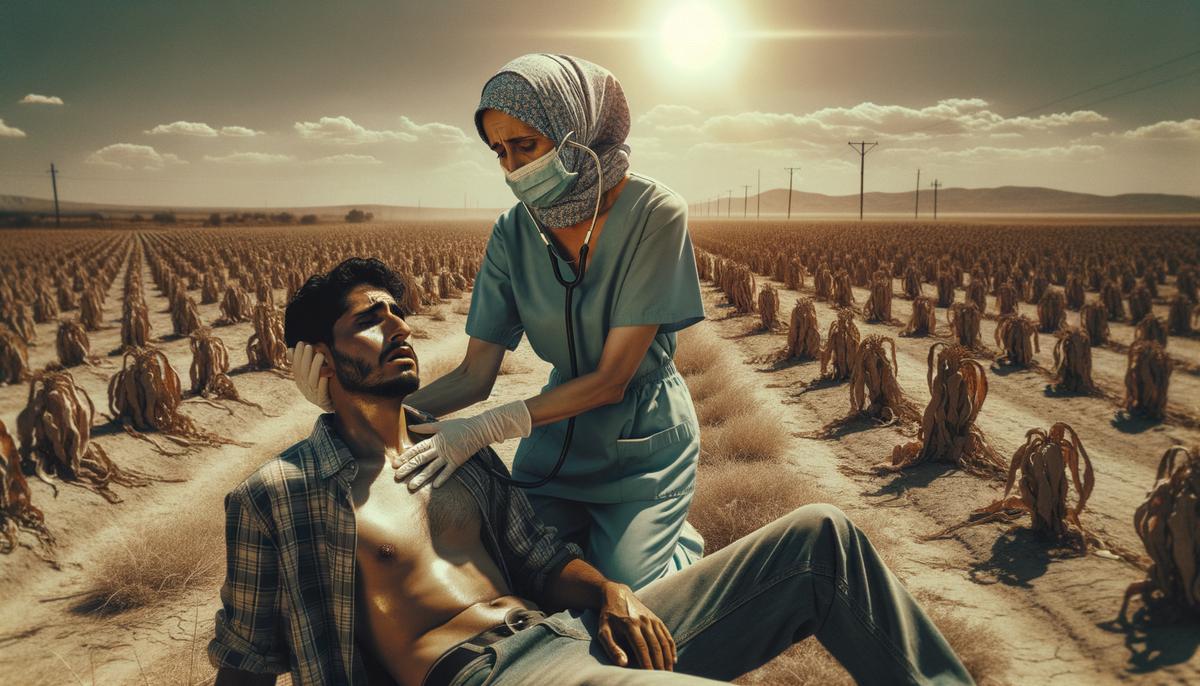
Climate change presents severe health challenges for marginalized populations, who often lack adequate protection and healthcare access. Occupational health risks are particularly concerning for those in labor-intensive jobs, such as farm workers exposed to extreme heat and dehydration.
The lack of proper medical care can turn treatable conditions into long-term afflictions. Geographic, financial, and linguistic barriers often impede access to healthcare, exacerbating the impact of climate-related health issues.
Despite these challenges, community-driven adaptation frameworks are emerging as beacons of hope. These strategies, rooted in local wisdom and collective action, demonstrate remarkable endurance and ingenuity. Examples include:
- Community gardens providing nutritious food in urban food deserts
- Grassroots organizations promoting climate change awareness among vulnerable workers
Smith's research emphasizes the importance of culturally sensitive education and resource distribution in strengthening community resilience. By acknowledging the unique needs and perspectives of these populations, resilience strategies become more than just coping mechanisms; they transform into pathways toward health equity and sustainable well-being.
The path forward hinges on amplifying marginalized voices, promoting inclusive policy-making, and integrating community insights into climate resilience planning. Only by weaving these diverse perspectives into decision-making can we hope to break the cycle of vulnerability and create a more just and equitable future.
Gender Inequality and Migration
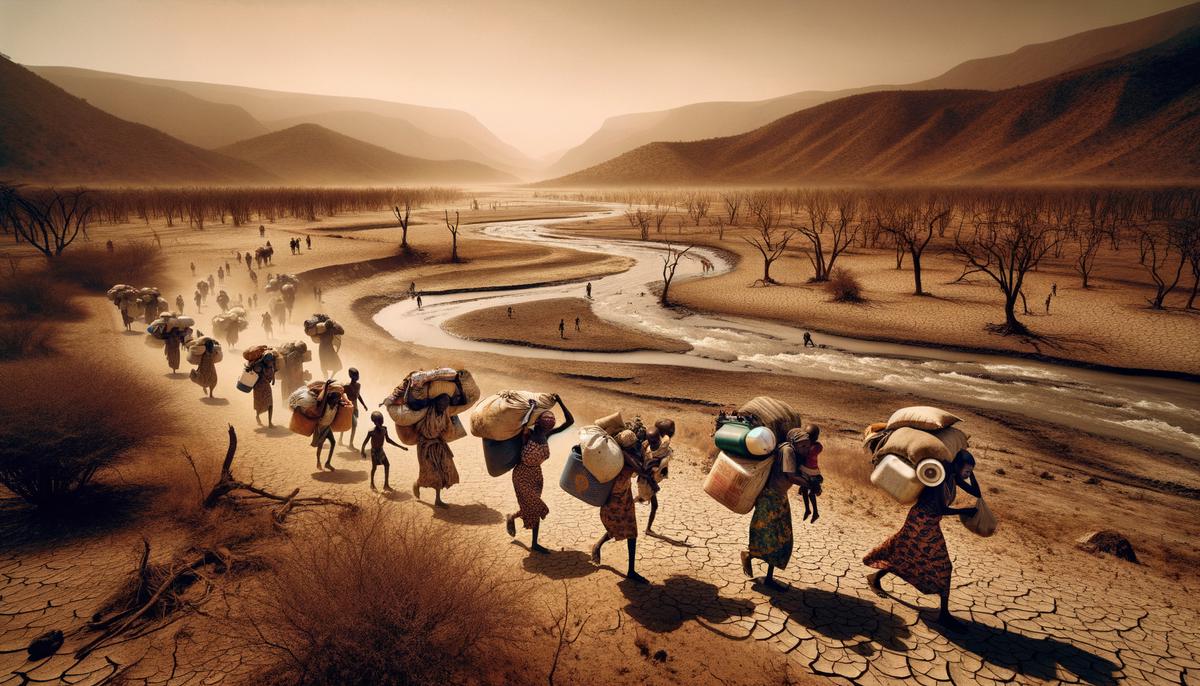
Climate-induced migration in Africa presents unique challenges for women, often compounding existing societal, historical, and economic inequities. As communities are forced to relocate due to changing environmental conditions, women frequently bear disproportionate responsibilities in maintaining family cohesion and securing basic necessities.
Historically marginalized in various spheres, women often lack the tools necessary to advocate effectively for their needs during migration. The loss of community support networks and familiar environments can exacerbate their vulnerability.
Economically, climate change undermines many women's contributions to their households and communities, particularly in subsistence farming or informal labor. Yet, expectations for their economic input often remain unchanged, creating additional strain.
"By recognizing the challenges and barriers that women in particular face regarding climate-related migration, legislation, policy, and relief efforts can be improved."
To address these challenges, legal frameworks and migration policies must encompass gender-specific needs. This includes:
- Creating safe migration corridors
- Protecting women from exploitation and gender-based violence
- Providing education and employment opportunities
Effective strategies should draw from both traditional wisdom and contemporary support structures, recognizing women as pivotal agents of change. By crafting policies informed by empathy and driven by action, we can work towards a future where women navigate climate-induced migration with dignity, agency, and hope.
Community Empowerment and Advocacy
Community empowerment is crucial for meaningful change in addressing climate challenges faced by vulnerable populations. Initiatives focusing on health, education, and climate resilience serve as building blocks for stability and growth in marginalized communities.
Health programs, such as mobile clinics and community health workers, bridge gaps in healthcare access. Educational initiatives, particularly those targeting women and girls, foster critical thinking and innovation, nurturing agents of change who can envision and enact sustainable futures.
Climate resilience efforts that combine community wisdom with scientific insight empower local communities to become architects of their own solutions. Examples include:
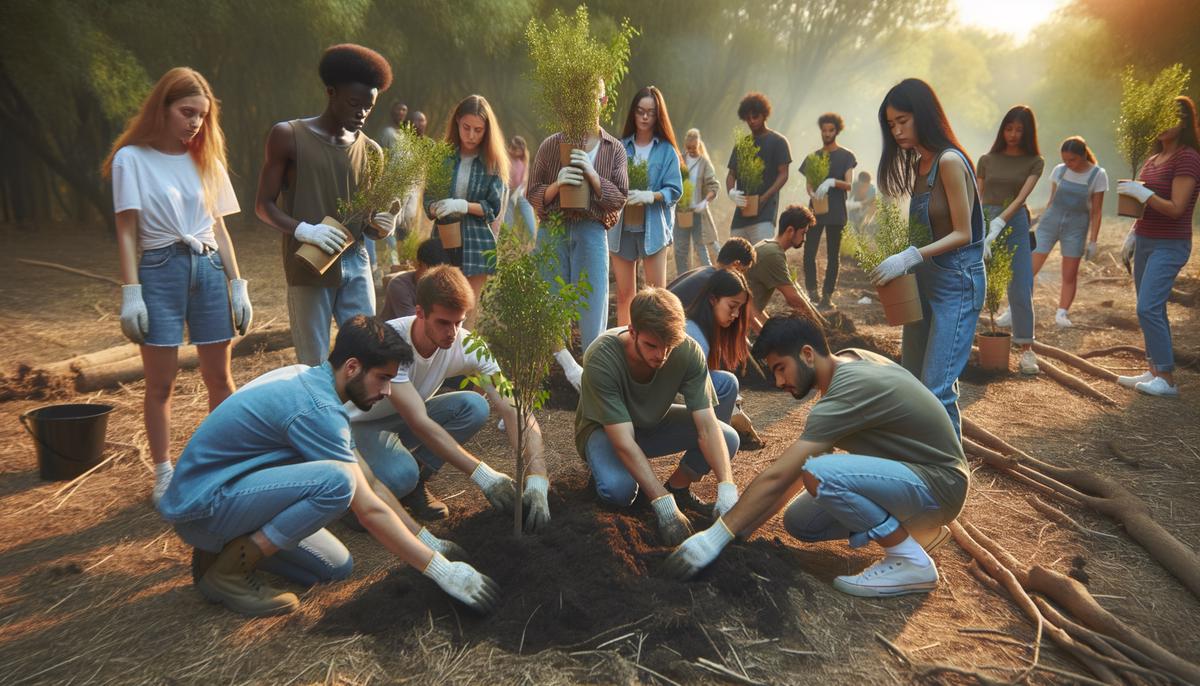
- Reforestation projects led by youth groups
- Climate-smart agriculture trainings led by women farmers
Public health and climate policy advocacy ensure that health equity remains a key component of environmental sustainability. Advocates work to amplify marginalized voices in policy discussions, pushing for comprehensive strategies that bolster resilience and reduce vulnerability.
By dismantling barriers and building bridges, these efforts prioritize the well-being of everyone, especially those pushed to the margins. Empowering communities is about unlocking potential and fostering resilience that resonates across generations, ensuring that community voices echo at the forefront of every initiative.
Climate Justice Dialogues
Community dialogues and events play a crucial role in raising awareness and fostering discussions on climate justice. These gatherings serve as platforms where diverse voices converge to share experiences, knowledge, and strategies regarding climate change impacts and solutions.
Events like the Campus Climate Dialog in Puget Sound highlight the unique challenges faced by vulnerable communities and ignite deeper understanding of localized climate impacts. Such dialogues reveal the often-overlooked stories that can inform more effective interventions.
These events often inspire:
- Policy proposals
- Community projects addressing climate change's harshest impacts on the most vulnerable
- Collaboration between nonprofits, governmental agencies, and grassroots movements
The significance of these dialogues extends to influencing policy change. Policymakers attending these discussions are exposed to direct testimonies and evidence of climate impacts, which can be pivotal in shaping policies that promote inclusive climate resilience.
By creating spaces for dialogue, we elevate critical issues and forge a proactive stance where communities emerge as essential architects of their destinies. These gatherings become the foundation on which we build resilience—together, informed, and unified in the quest for a just and sustainable future.
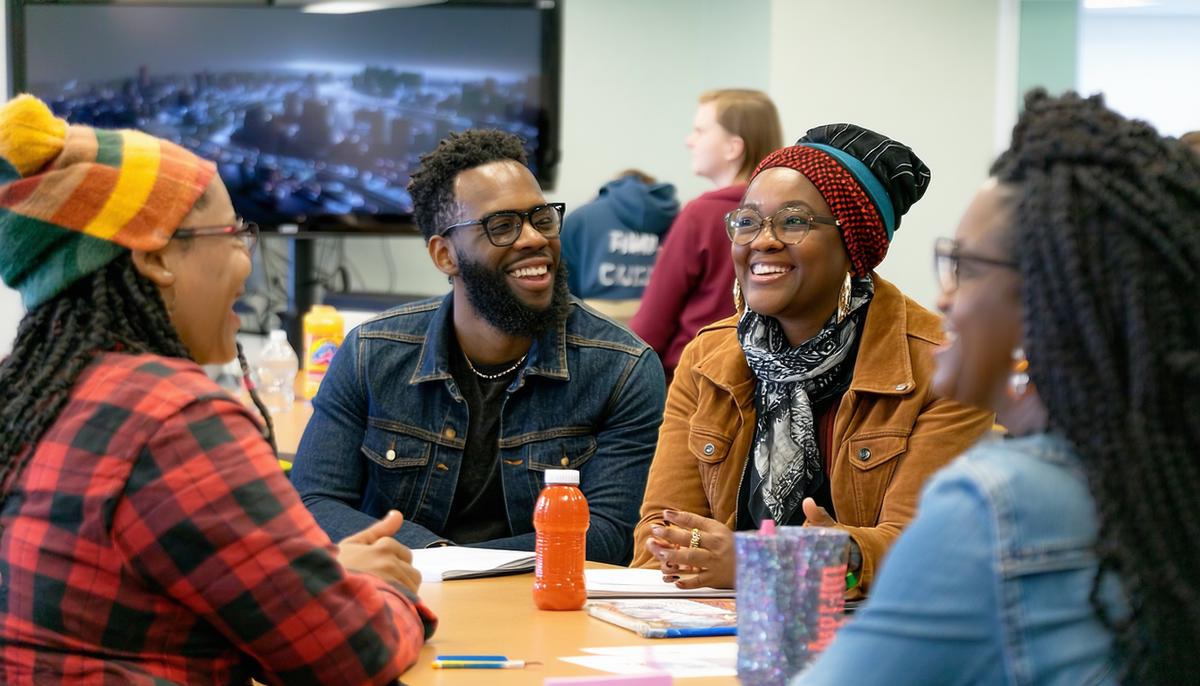
In the face of these challenges, the call to action is clear: elevate marginalized voices and integrate their insights into decision-making processes. By addressing these imbalances, we can work towards a future where vulnerability is reduced and equity is within reach for all.
- English I. Impact of Climate Change and Gender Inequality on Migration in Africa. University of Oklahoma. 2023.
- Smith J. Nurses' Role in Addressing Global Climate Change, Climate Justice, and Health. American Nurses Association. 2023.
- University of Washington Tacoma. Campus Climate Dialogs and Events. 2020.