
Food justice challenges the systems that dictate who gets what and why, urging a reevaluation of how food is distributed across different communities. The journey toward equitable food systems involves addressing deep-rooted disparities and creating pathways for change.
Understanding Food Justice
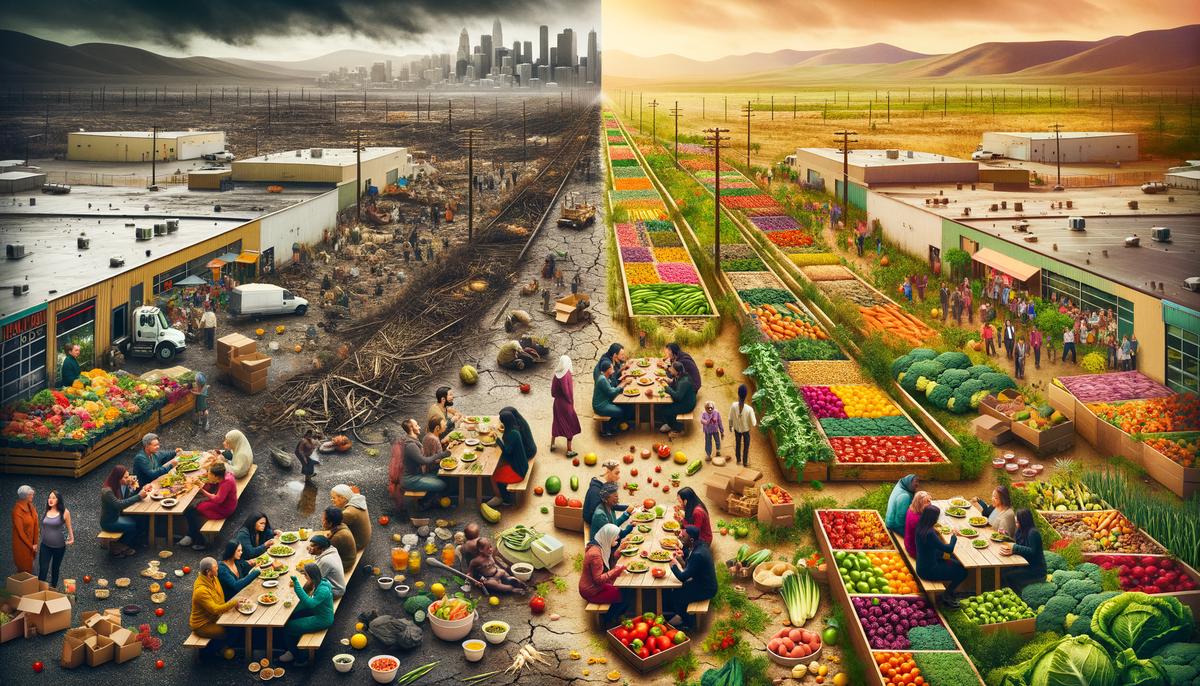
Food justice is about fairness and access for everyone, especially those often left behind. Many in marginalized communities face a reality where their ZIP code dictates their grocery options. Local supermarkets, if they exist at all, often sell overpriced, low-quality goods. Fresh fruits and vegetables are scarce in some neighborhoods while abundant in others.
People in these areas face a culinary desert, a barren land for healthy choices. Food justice seeks to right these wrongs by advocating for systems that provide nutritious, affordable options for everyone. This isn't about charity; it's about equity and dismantling systems that hurt the most vulnerable among us.
Consider the story of White-Brake. Her journey shows how access and opportunity can change lives. When faced with the opportunity to bring Everytable to her neighborhood through the Social Equity Franchise Program, she jumped at the chance. The program trains franchisees in essential skills like finance and marketing, giving them the tools to run a successful business in places that need them most.
Every year, a staggering amount of food ends up in the trash, while millions of people deal with hunger. Food loss isn't just about resources; it's also about emissions and climate change, costing trillions and depleting land and biodiversity. Targeting sustainable consumption and production could turn this situation around. Strategies like promoting a circular economy and sustainable production practices are key.
Many countries are stepping up, pushing measures to transition to better consumption and production patterns. By tackling these imbalances, communities gain strength and self-reliance. Food justice doesn't just fill bellies; it fills the need for fairness across the board.
Linking Food Justice to Social Equality
The connection between food justice and social equality runs deeper than ensuring everyone has enough to eat. It's about creating a foundation where communities thrive, eliminating barriers that perpetuate inequalities rooted in race, income, and geography. Nutritious food is a cornerstone of health and well-being, impacting education, employment, and overall quality of life.
Children who eat well are more likely to succeed in school, breaking down educational disparities that can dictate future opportunities. A healthy diet fosters productivity and engagement, equipping adults to contribute fully in the workplace and beyond. When communities have consistent access to proper nutrition, we reduce the likelihood of diet-related diseases that disproportionately affect low-income and marginalized groups.
Inclusive food systems can also promote economic empowerment. When initiatives like the Social Equity Franchise Program equip individuals with the necessary skills and resources to run businesses, they don't just feed their communities; they create jobs and foster economic resilience within neighborhoods.
Ensuring access to nutritious food is a step towards environmental justice, too. Sustainable food systems encourage practices that mitigate environmental degradation, reduce waste, and conserve natural resources. Such efforts protect our planet and ensure that future generations inherit a world abundant with opportunity rather than scarcity.
Ultimately, food justice is a linchpin in the larger struggle for social equality. As we challenge the structures that hinder fair access to nutrition, we cultivate a society where fairness becomes a tangible reality.

Challenges in Achieving Food Justice
Achieving food justice faces numerous obstacles. Access to capital remains a significant barrier for many aspiring to bring change to their communities. Programs like Everytable's Social Equity Franchise Program aim to dismantle this obstacle, but for others outside such initiatives, securing the necessary funds to initiate or sustain a business in low-income areas is challenging. Traditional lending systems often favor the already affluent, leaving those in marginalized communities stuck in a cycle of financial exclusion.
Systemic barriers ingrained in economic, social, and political institutions also play a formidable role in limiting food justice. These structures perpetuate inequality through policies and practices that sideline marginalized groups. From zoning laws that inhibit the establishment of fresh food markets in low-income neighborhoods to subsidies that prioritize large corporations over small farms, addressing these issues requires comprehensive reform.
Developing sustainable food systems adds another layer of difficulty. Sustainability requires balancing current needs with preserving resources for future generations. This involves promoting local food production, reducing food miles, and minimizing waste, all while ensuring costs remain affordable. Shifting towards such systems often requires changing entrenched behaviors and incentivizing new practices, which can be met with resistance.
The need for community involvement and leadership in shaping food systems is crucial. Often, solutions imposed from the outside lack the nuance and understanding required to address local needs effectively. Empowering communities to be active participants in their food ecosystems ensures that solutions are culturally relevant and sustainable. Yet this empowerment is frequently stifled by a lack of resources, influence, and voice, particularly in areas already struggling with poverty and neglect.
The path to achieving food justice invites us to tackle these diverse and interconnected challenges with creativity and resilience. Only through collaborative and sustained efforts can we hope to surmount these obstacles and cultivate a society where food equity is a lived reality for all.
Case Study: Everytable's Social Equity Franchise Program
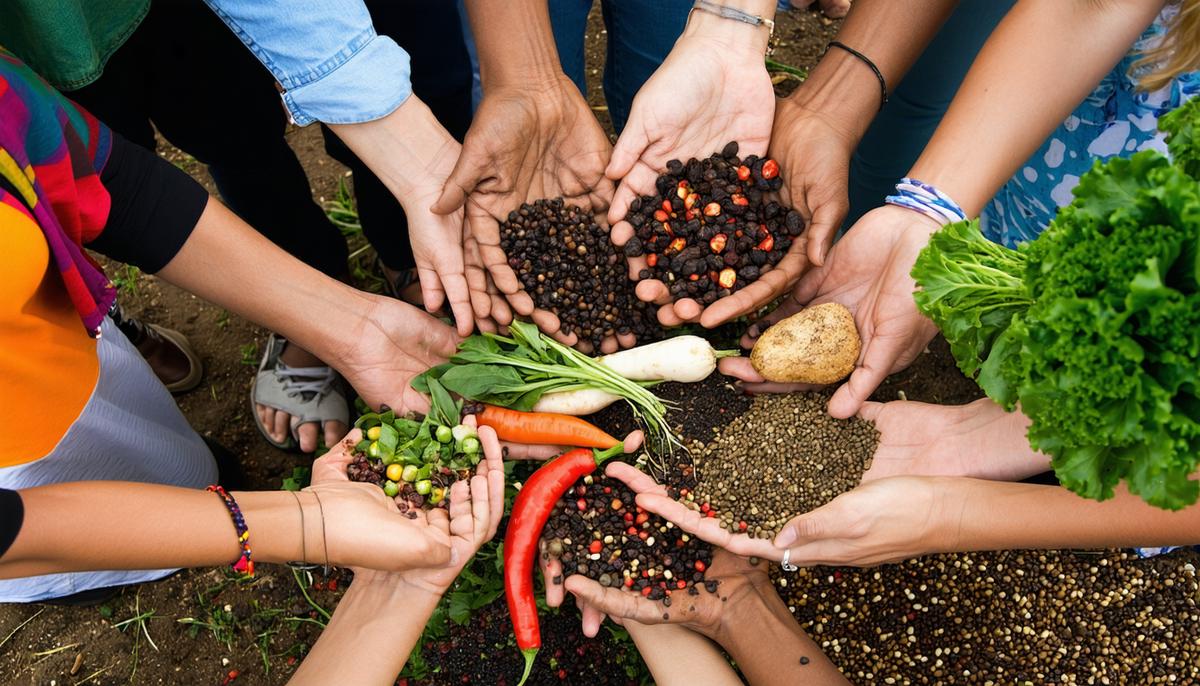
Everytable's Social Equity Franchise Program serves as an example of how businesses can be a force for positive change in food justice. The program recognizes the barriers that aspiring entrepreneurs from marginalized communities face regarding accessing capital and essential business training.
Unlike traditional models that might demand stringent capital investment upfront, the program provides crucial financial support. Participating candidates borrow from a specially set-up capital fund to cover the cost of setting up their store. By deferring loan repayments until the business becomes profitable, Everytable ensures that these new franchisees aren't burdened from the onset.
Training is the backbone of this initiative. Candidates embark on a structured curriculum that encompasses all facets of business management such as:
- Finance
- Accounting
- Inventory
- Marketing
- Leadership
- Communication
This holistic education ensures they are well-equipped to manage their businesses and weather challenges. The training spans up to a year, depending on the individual's background.
The program isn't just about setting up shop; it's about instilling a sense of purpose and fostering an entrepreneurial spirit that transcends business boundaries. It empowers individuals to take the reins and make impactful decisions that benefit their communities. By aligning financial success with social responsibility, Everytable challenges convention and sets a precedent for what a socially equitable franchise model can achieve.
This program's ripple effect on communities is significant. By empowering individuals with the tools to succeed, Everytable is catalyzing broader economic empowerment within these neighborhoods, creating jobs and stimulating local economies. Franchisees become community leaders, champions of healthy, affordable food access, directly addressing the issue of food deserts and inequities prevalent in many urban areas.
Everytable's Social Equity Franchise Program signifies a step forward in redefining the relationship between business and social equity. It provides both the capital and the comprehensive support necessary to thrive, exemplifying an actionable blueprint for integrating food justice into the entrepreneurial landscape.

Global Perspective on Food Justice
Food justice extends beyond local borders, capturing the world's collective responsibility in ensuring fair food distribution. At an international level, this requires harmonizing efforts to tackle food insecurity and champion sustainable consumption and production patterns. The disparity in access to nutritious foods echoes across continents, accentuated by global trends of urbanization and industrial agriculture that often bypass marginalized communities.
The United Nations' Sustainable Development Goals, particularly Goal 12, illuminate a pathway toward equitable food systems worldwide. This goal's mandate to "ensure sustainable consumption and production patterns" underscores the essence of food justice. By promoting models like the circular economy, nations can reduce resource dependency, lower emissions, and curb waste.
Developing nations often grapple with the dual challenge of addressing immediate food needs while paving the way for long-term sustainability. These countries face structural constraints, such as inadequate infrastructure, limited financial resources, and heightened vulnerability to climate change. International collaborations and funding mechanisms are crucial to fortifying their capacity to establish resilient food systems.
Global trade agreements also play an integral role in fostering food justice by influencing agricultural policies, market access, and subsidies. The balance between protecting local agriculture and opening markets to global competition must be considered with a focus on equitable outcomes. Such deliberations must prioritize the livelihoods of smallholder farmers, ensuring they aren't shortchanged by multinational corporations and unfair trade practices.
Inclusivity remains a cornerstone of global food justice endeavors. Policies must be crafted with the active participation of those who are most affected by food disparities—indigenous populations, small farmers, and local communities—to ensure solutions that are culturally relevant and sustainable.
Technological innovations and knowledge exchange can also propel food justice on a global scale. The sharing of best practices in sustainable agriculture, along with advancements in agricultural technology, can empower communities worldwide.
Food justice within a global framework is inextricably linked to broader challenges such as climate change, economic inequality, and geopolitical tensions. Addressing these intertwined issues necessitates coordinated international action, strong policy frameworks, and a commitment to ethical stewardship of the world's resources. As nations strive for these objectives, they collectively work towards a future where food equity is not confined by borders but is a shared human right, accessible to all.

Food justice is about creating a world where access to nutritious food is a right, not a privilege. By addressing systemic barriers and empowering communities, we lay the groundwork for a more equitable future, where everyone has the opportunity to thrive.
- United Nations. Sustainable Development Goals: Goal 12: Ensure sustainable consumption and production patterns. United Nations Department of Economic and Social Affairs.
- Fluellen B. Everytable's Social Equity Franchise Program. Everytable.
- White-Brake. Personal communication. Everytable Social Equity Franchise Program.