
Understanding Health Disparities
Rural America faces significant health challenges, with chronic illnesses disproportionately affecting these communities. The healthcare workforce is severely limited, with only 8% of physicians practicing in rural areas. This shortage leads to infrequent screenings and limited access to routine care. Transportation issues compound the problem, with some residents facing up to 17-minute journeys to reach hospitals.
Social determinants of health play a crucial role. Lower income levels, higher poverty rates, and an aging population contribute to health disparities. Limited access to employer-sponsored health insurance, higher education, and careers in potentially hazardous industries like mining and agriculture further exacerbate these issues.
Food deserts are common in rural areas, with convenience stores often being the primary food source. This leads to diets high in processed foods, contributing to chronic diseases.
Telehealth offers a potential solution, although limited broadband access in rural areas poses a significant barrier. Government initiatives to expand high-speed internet may help bridge this gap.
Policies addressing rural healthcare challenges are being developed, recognizing the complex interplay between healthcare and other factors such as transportation, housing, and employment. There's a growing push to redefine healthcare as essential infrastructure, similar to electricity or water.
Health disparities affect various demographics differently, with higher infant mortality rates among Black infants compared to White infants. Government initiatives aim to improve access and quality of care, with a focus on maternal health disparities and improved data collection.
Community health workers play a vital role in providing culturally competent care and connecting families to necessary resources. While progress is being made, significant challenges remain in addressing chronic illnesses and adapting the healthcare system to better serve rural needs.
Impact of Social Determinants on Chronic Illness
Social determinants significantly influence the prevalence and management of chronic illnesses in marginalized communities. Economic instability creates a foundation where managing chronic conditions becomes challenging, perpetuating a cycle of poverty and poor health.
Limited access to quality education leaves many ill-equipped to navigate complex health information, contributing to lower health literacy and increased susceptibility to chronic diseases like diabetes and hypertension.
Healthcare access is multifaceted, with sparse clinics and specialists in underserved areas. Emergency rooms often become the primary healthcare setting, providing costly reactive care instead of affordable preventative solutions. Lack of insurance coverage further compounds these issues.
Systemic inequities, rooted in historical practices like redlining and discriminatory zoning laws, create enduring barriers to health. These factors influence access to clean air, fresh produce, and preventative care.
Stress and discrimination exacerbate chronic conditions, affecting both mental and physical well-being. The limited choices available in these environments make it difficult to follow health advice that may seem simple to those in more privileged situations.
Key Factors Contributing to Health Disparities:
- Economic instability
- Limited access to quality education
- Sparse healthcare facilities in underserved areas
- Historical practices of discrimination
- Chronic stress and discrimination
Community empowerment and systemic change offer hope for addressing these disparities. Grassroots efforts and advocacy work aim to dismantle inequities and create more equitable access to healthcare. While change is slow, there is a growing commitment to overhauling the system and redefining health equity as an attainable reality.
Barriers to Healthcare Access
Financial hurdles present a significant barrier to healthcare access in marginalized communities. Rising medical costs and out-of-pocket expenses for treatments and medications often force difficult choices between healthcare and basic necessities.
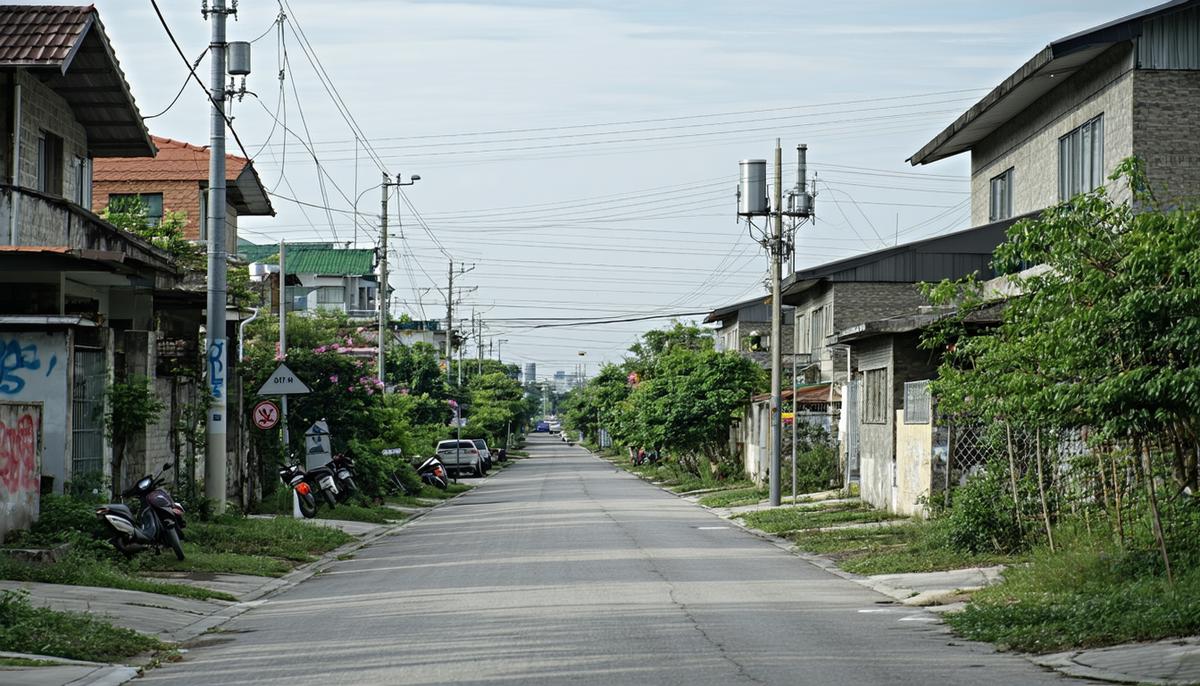
Geographic factors play a crucial role, particularly in rural areas where the nearest healthcare facilities may be towns away. Limited transportation options and poor infrastructure further complicate access. Urban healthcare deserts face similar challenges, with resources spread thin across densely populated areas.
Systemic barriers, often deeply embedded in policies and practices, perpetuate healthcare inequities. These may include seemingly neutral cost-saving measures or funding decisions that disproportionately affect marginalized groups.
Common Barriers to Healthcare Access:
- Financial constraints
- Geographic isolation
- Limited transportation
- Systemic inequities
- Complex bureaucracy
- Language barriers
- Lack of cultural competency
Healthcare bureaucracy can be overwhelming, with excessive paperwork and complex regulations creating additional obstacles. Language barriers further complicate access and understanding of care.
Lack of cultural competency among healthcare providers can lead to misunderstandings and mistrust, discouraging patients from seeking care. Past experiences of prejudice or discrimination in medical settings contribute to this reluctance.
Addressing these barriers requires comprehensive policy changes that actively work to uproot historical biases. Solutions may include expanding telehealth services, improving broadband access, and reconsidering healthcare funding allocation to ensure equitable distribution of resources.
Progress toward reform should focus on aligning systems to make healthcare access a reality for all, particularly those who have long faced significant barriers to care.

Role of Racism and Discrimination
Racism and discrimination significantly impact health outcomes in marginalized communities. Chronic stress from discrimination can lead to long-term health issues, weakening the immune system and increasing cortisol levels. This stress becomes a constant presence, affecting overall well-being.
Discrimination often limits access to essential resources like quality education, employment, and healthcare. These barriers translate into fewer opportunities to break cycles of poverty and poor health. Healthcare access is particularly affected, with historical mistreatment fostering mistrust in medical systems among marginalized groups. This mistrust can deter people from seeking necessary medical care.
Even when care is accessed, implicit biases in medical settings may lead to misdiagnoses or inadequate treatment. Health providers, sometimes unaware of their own biases, can make assumptions based on race or ethnicity, inadvertently denying patients comprehensive care.
The socioeconomic landscape shaped by discriminatory practices further impacts health. Marginalized communities are more likely to reside in areas with:
- Limited access to nutritious food
- Unsafe neighborhoods
- Polluted environments
These conditions can exacerbate chronic health issues like asthma and cardiovascular diseases.
Addressing these inequities requires systemic change. Initiatives like cultural competency training for healthcare providers and reforming discriminatory policies can help build bridges to inclusion and equity. The goal is to create a future where access to health is a shared reality for all, not a privilege for a select few.

Rural Health Disparities
Rural America faces significant health challenges, with chronic illnesses often outpacing available solutions. Healthcare access is a formidable challenge in these communities, complicated by a shortage of healthcare professionals and inadequate facilities.
The lack of primary care physicians, specialists, and trained medical staff strains local healthcare systems. Even routine checkups for conditions like diabetes or hypertension can become difficult to obtain. These gaps in care often turn routine healthcare into a costly and inaccessible service.
Transportation to medical facilities presents another hurdle. For many rural residents, accessing care involves long journeys and logistical challenges like arranging rides and taking time off work. These barriers can lead to delayed or foregone care.
Preventative care often falls short in rural areas due to lack of regular health screenings and ongoing management of chronic conditions. As a result, many individuals discover health issues at more advanced stages, when interventions become more complex and expensive.
"Across the spectrum of chronic disease conditions – high cholesterol, high blood pressure, obesity, arthritis, depressive disorder, diabetes, COPD, and heart disease – prevalence of illness is higher in non-metropolitan than metropolitan areas."
Socioeconomic challenges deepen these disparities. Lower income levels are more common in rural households, and underfunded education systems perpetuate cycles of limited health knowledge. Social determinants like food deserts further exacerbate nutritional deficiencies and chronic illnesses.
However, technological interventions like telehealth offer potential solutions. By bridging broadband gaps, telehealth could alleviate some healthcare access issues in rural areas. Addressing rural health disparities requires united resolve and innovative policies that consider the unique challenges of rural life.

Chronic Illness and Disability
Individuals living with chronic illness and disability face unique challenges that extend beyond their health conditions. These intersecting identities often compound social and systemic barriers, particularly in marginalized communities.
Chronic illness and disability share a complex relationship that's frequently misunderstood. Many live with conditions that fluctuate unpredictably, demanding flexibility in both personal and professional spheres. However, societal structures often fail to accommodate such variability, instead viewing chronic illness as a temporary inconvenience easily overcome with determination.
The invisibility of many chronic illnesses further complicates matters. Unlike visible impairments, chronic illnesses may not manifest in outwardly noticeable ways. This can lead to skepticism and doubt from others, requiring individuals to constantly validate their experiences.
For culturally and racially diverse communities, obtaining adequate recognition and support can be even more challenging. These groups often contend with layered complexities of discrimination, struggling against systems that may not have considered their experiences in the first place.
Access to formal recognition, such as disability benefits and accommodations, often remains elusive. Requirements for 'proof' of disability can create additional barriers for those whose conditions may preclude them from conventional workforce participation.
Living with chronic illness requires careful energy management and symptom mitigation. For students and workers, standard environments and expectations may fail to account for these needs. Accommodations such as flexible deadlines, remote work options, and extended rest periods are critical for involvement in educational and economic life.
Addressing these challenges requires reshaping our systems to recognize chronic illness as a legitimate form of disability. This involves:
- Acknowledging the demands of chronic illness
- Amplifying voices from marginalized communities
- Working to dismantle the barriers they face
By embracing diverse perspectives and experiences, we can move towards meaningful recognition and support for all individuals living with chronic illness and disability.
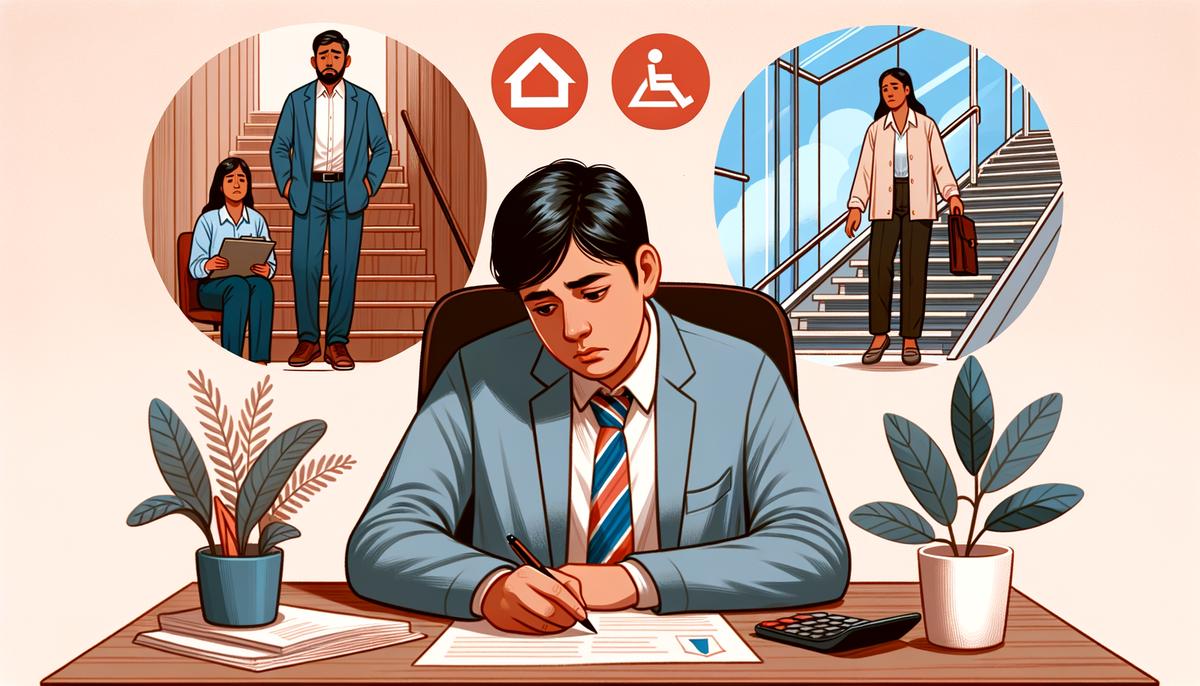
Health disparities are deeply woven into society, impacting lives in profound ways. Addressing these issues requires a commitment to change and a recognition of the complex factors at play. By focusing on equitable access and understanding the unique challenges faced by marginalized communities, we can work towards a future where health is a shared reality for all.