
As the world addresses climate change, initiatives to reshape our environmental and economic landscapes are gaining momentum. From emission reduction targets to clean energy projects, these strategies aim to create a sustainable future. The path forward combines policy actions and technological advancements that offer ecological benefits and economic resilience.
1. Cut Greenhouse Emissions by 50% by 2030
President Biden's target to reduce U.S. greenhouse gas emissions by 50% to 52% from 2005 levels by 2030 is a crucial step toward mitigating climate change effects. Federal agencies are implementing strategies including:
- Stricter emission rules
- Advancing renewable energy projects
- Investing in cleaner technologies
State-level actions like carbon pricing and renewable energy standards complement these efforts. This coordinated approach aims to propel the nation toward a sustainable future while maintaining competitiveness in the global green economy.

2. Implement a Climate Economic Stimulus
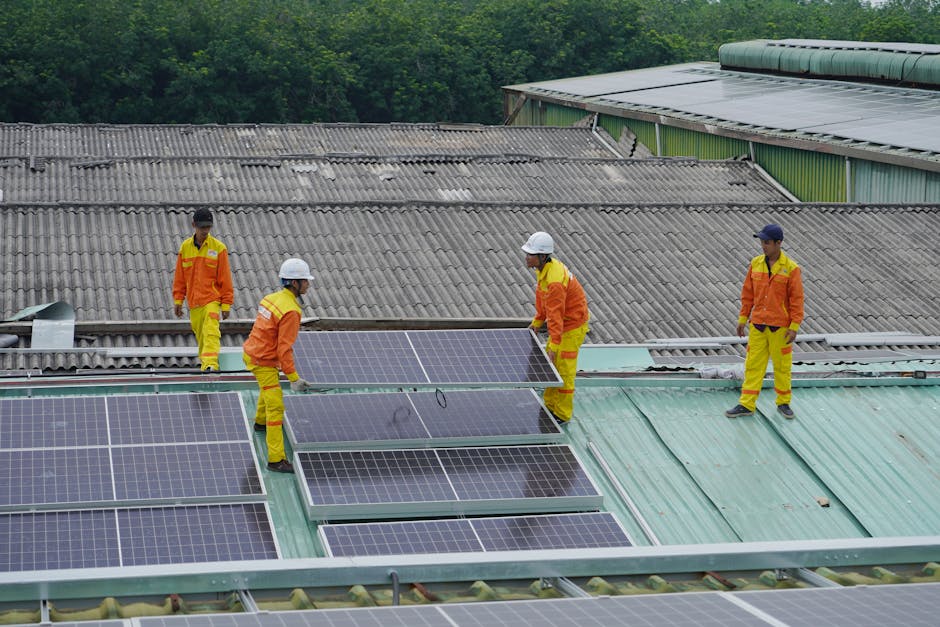
The Inflation Reduction Act of 2022 is reshaping the nation's economic and environmental landscape with a package of clean energy incentives. Through tax credits spanning a decade, the Act supports:
- Renewable energy infrastructure
- Electric vehicle adoption
- Energy-efficient practices
It encourages both public and private sectors to innovate in alignment with climate objectives, potentially generating jobs and enhancing America's technological edge in the global green market.
The Act also prioritizes social equity, directing investments into sustainable development projects that benefit marginalized communities. By signaling the U.S.'s commitment to tackling climate change, it sets a global example. As we progress, ongoing attention to evolving technological, social, and environmental factors will be crucial to ensure that clean energy becomes a foundational pillar of our economy and well-being.
3. Address Super Pollutants
The United States is taking action to curtail super pollutants, powerful greenhouse gases often overlooked in climate discussions. The ratification of the Kigali Amendment commits the country to phasing down hydrofluorocarbons (HFCs), chemicals used in refrigerants that are up to 11,000 times more potent than carbon dioxide in their warming effect.
The Methane Action Plan tackles another crucial super pollutant. This strategy sets regulations on methane emissions across industries, particularly in oil and gas sectors, and introduces fees to incentivize reduction of methane leaks.
These initiatives present economic opportunities as industries innovate to meet new standards, driving advancements in technology and creating jobs in emissions reduction fields. By leading globally in reducing these emissions, America demonstrates that environmental responsibility can catalyze economic growth and innovation.

4. Advance Zero-Emission Vehicles
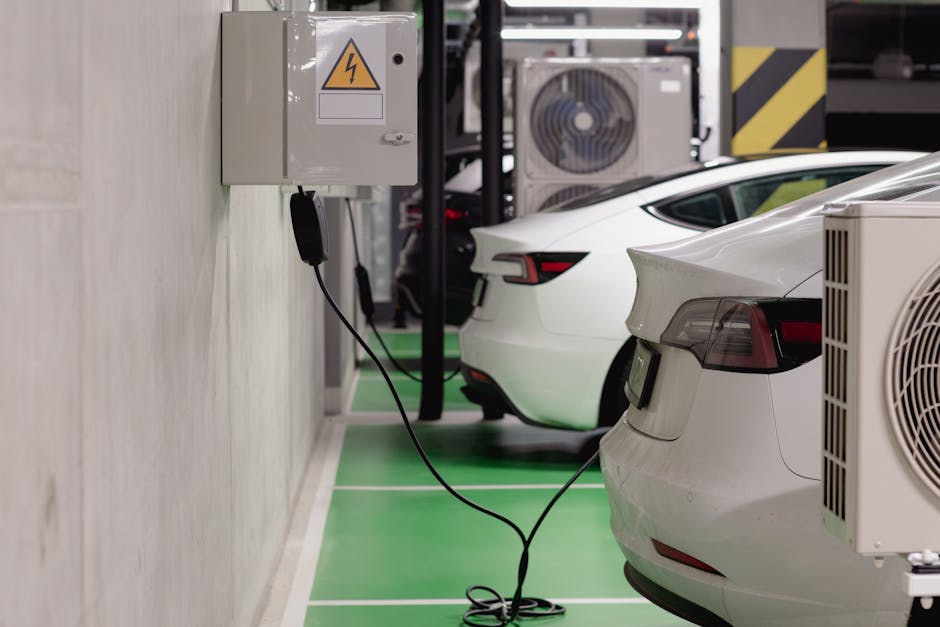
The United States is accelerating its transition to zero-emission vehicles, aiming for all new passenger vehicles to be zero-emissions by 2035. This plan represents a significant shift in transportation and connectivity.
The strategy includes:
- Federal directives for 100% zero-emission light-duty vehicles for federal agencies by 2027
- New EPA emissions standards pushing manufacturers to embrace cleaner technologies
- State-level initiatives setting rigorous zero-emission vehicle mandates
This transition extends beyond vehicle production to include expanding charging networks and enhancing renewable energy integration.
The shift to zero-emission vehicles is expected to spur economic growth, create jobs in manufacturing and infrastructure, and encourage technological advancements. Emphasis is placed on ensuring these benefits reach underserved communities, demonstrating how visionary leadership can drive change for a cleaner future.
5. Scale Carbon Dioxide Removal
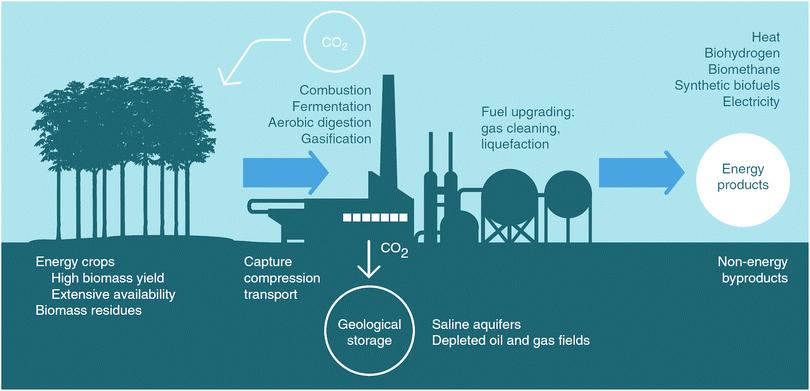
The United States is scaling up carbon dioxide removal efforts, focusing on both natural and technological methods. Natural approaches include:
- Reforestation
- Soil conservation
- Wetlands management
Climate-smart agriculture practices are encouraged, turning farms into frontlines of climate mitigation.
Technological solutions, such as direct air capture (DAC), are being deployed to remove CO2 from the atmosphere. Recent legislation has enhanced tax credits for carbon sequestration, making innovations in DAC economically attractive.
These efforts promise significant economic benefits, creating jobs in engineering, research, and sustainable agriculture. As the U.S. establishes itself as a leader in carbon removal, it sets a precedent for international cooperation and inspires global action toward a sustainable planet.
Scaling carbon dioxide removal is about fostering a harmonious relationship with our planet, encouraging a rethink of our approach to climate resilience and sustainability.
6. Expand Clean Electricity Standards
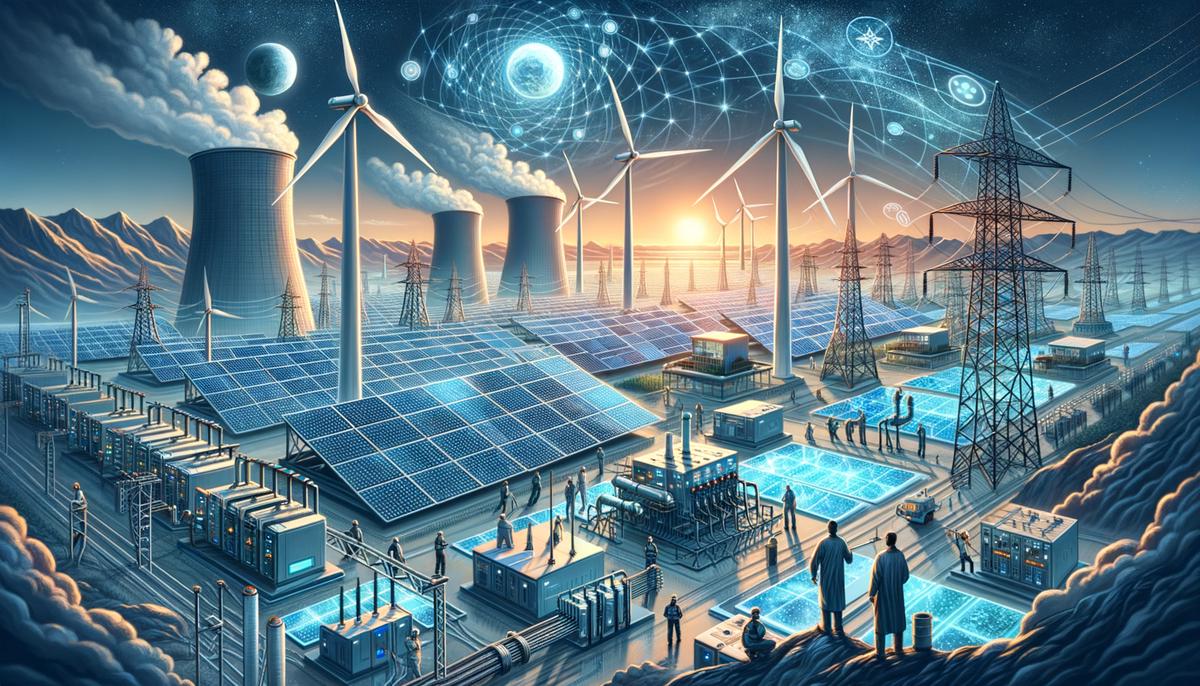
The United States aims to achieve 100% clean electricity by 2035, representing a comprehensive shift towards sustainability. This goal is supported by tax credits established under the Inflation Reduction Act, which accelerate renewable projects and make clean energy sources more competitive.
The EPA's power plant emissions standards compel traditional power generators to innovate, driving the integration of cleaner technologies into the power grid. Advancements in grid infrastructure and energy storage technologies are crucial to accommodate the variable nature of renewables and ensure reliable power distribution.
This transition is expected to revitalize the economy, supporting job creation in:
- Clean tech manufacturing
- Infrastructure engineering
- Renewable energy deployment
Benefits extend to communities across the country, from rural areas hosting wind farms to urban environments transitioning to solar power.
The path to 2035 requires commitment from policymakers, businesses, and consumers alike. By embracing this challenge, America sets an example for the world, demonstrating that sustainable growth is achievable with the right policies and incentives.
7. Shift to Electrified Appliances
Electrifying our homes is a crucial step towards sustainability. The transition from fossil fuel-dependent appliances to electrified alternatives can significantly reduce carbon footprints and increase energy independence at the household level. While progress has been made, particularly through tax incentives, broader adoption and stricter standards are needed to fully realize the benefits of this evolution.
Current legislation offers tax credits for solar systems and heat pumps, making the upfront investment in electrified appliances more accessible to homeowners. These incentives encourage households to switch to energy-efficient and environmentally friendly options such as:
- Induction stoves
- Electric water heaters
- Heat pumps
To accelerate this transition, establishing national standards for appliance efficiency is crucial. These standards would ensure that new appliances operate at optimal efficiency levels, guiding consumers to the most sustainable technology options. Public awareness campaigns can also clarify the benefits of electrification, showcasing how these changes lead to healthier indoor environments and long-term savings.
Communities nationwide are leading this charge, and as more localities incentivize electrification, the market for electrified appliances will grow stronger. Investing in infrastructure, like robust electrical grids capable of meeting increased demand, is also vital. These comprehensive steps ensure that as we electrify our lives, the transition is seamless and beneficial for all involved.
Making everyday life electric isn't just about switching appliances; it's about fostering a cleaner, more resilient society. As the benefits of this evolution unfold, the promise of electrification reaches into the core of sustainable living, illuminating the way to a future where every appliance serves both the planet and its inhabitants.

8. Decarbonize Industry with Performance Standards
The industrial sector, which includes essential materials like cement, steel, and plastics, contributes substantially to national emissions. Decarbonizing these industries is not only an environmental necessity but also a strategic move to ensure sustainable industrial growth and maintain global competitiveness.
Implementing rigorous emission performance standards is central to this transformation. These standards are designed to drive industries to reduce their carbon intensity, creating a level playing field for companies and encouraging innovation and adoption of cleaner technologies.
Investments in research, technology, and infrastructure are crucial for this mission. Federal and state programs are directing resources into:
- Carbon capture and storage (CCS) technologies
- Advanced manufacturing techniques
- Development of low-carbon materials
- Improving efficiency across production lines
Legislation plays a vital role. Policies such as federal procurement mandates, which require low-carbon building materials for government projects, create a viable market for sustainable alternatives. International coalitions like the First Movers Coalition are fostering global collaboration, urging industries worldwide to align with shared decarbonization goals.
For industries, the path to a decarbonized future also brings economic resilience. By cutting emissions, companies reduce operational risks associated with regulatory costs and potential carbon pricing mechanisms. Embracing sustainable practices can also open new markets and build consumer trust in green brands.
The journey to decarbonizing industry requires both innovation and policy. It demands a concerted effort from public and private sectors to reshape foundational industrial processes.
As America leads this charge, the potential to transform production industries into models of sustainability stands to strengthen economic vitality while protecting the planet.
The journey toward sustainability depends on collective action and innovation. By prioritizing both environmental responsibility and economic growth, we can create a future where prosperity aligns with planetary health. This dual focus ensures that as we address current challenges, we establish a foundation for future opportunities.