Legal Framework of Free Speech on Campus
Public universities like ESU must navigate complex legal frameworks to balance free speech rights with community values. The First Amendment broadly protects political expressions, peaceful protests, and even controversial views on campus. However, certain categories of speech remain unprotected, including:
- Incitement to violence
- True threats
- Fighting words
- Obscenity
Key Supreme Court rulings have shaped the boundaries of protected speech:
- Brandenburg v. Ohio: Speech that directly provokes immediate illegal activity is not protected.
- Chaplinsky v. New Hampshire: "Fighting words" likely to cause immediate violence are unprotected.
- Virginia v. Black: True threats showing intent to commit unlawful violence, even without plans to act, are not protected.
- Miller v. California: Sets a strict standard for defining obscenity.
- New York Times v. Sullivan: Balances free press with personal dignity, especially for public figures.
- Davis v. Monroe County: Defines harassment in educational settings.
- Tinker v. Des Moines: Allows schools to restrict student speech that substantially disrupts education.
Universities must protect free expression while promoting a respectful environment. They can implement content-neutral policies limiting the time, place, and manner of speech to foster a climate of diverse viewpoints and inclusivity.
Free Speech and Inclusivity at the University of Delaware
At the University of Delaware, we are unwavering in our commitment to fostering an environment where free expression thrives, recognizing it as a cornerstone of our educational mission. We believe that the open exchange of ideas, including those that may challenge or provoke, is essential for intellectual growth, advancement of knowledge and development of independent thought.
Our policies and Code of Conduct reflect the University's dedication to inclusivity, respect and the dignity of all individuals. While we champion the right to free expression, we acknowledge that this freedom comes with responsibilities. The University adheres to legal and institutional standards that regulate speech, particularly when it crosses into harassment, incites violence or disrupts University operations.
We strongly condemn speech that promotes prejudice or discrimination, while remaining steadfast in our commitment to protecting free expression. We do not censor or punish individuals simply for expressing unpopular or controversial viewpoints. Instead, we encourage our community to engage with differing opinions through respectful dialogue and peaceful protest, understanding that no one is free from criticism.
Our role as an academic institution compels us to protect the rights of all members of our community, including those who express dissenting views. The University of Delaware is a place where diverse perspectives are not only welcomed but are vital to our collective pursuit of learning. We are dedicated to ensuring that every member of our community can contribute meaningfully to the discourse that drives societal and personal growth.
"Here at the University of Delaware, each has the responsibility to foster an atmosphere that promotes the free exchange of ideas and opinions. Everyone has the right to benefit from this atmosphere." – Dennis Assanis

Frequently Asked Questions
What does the First Amendment protect?
The First Amendment safeguards both speech and various forms of expressive activities, including:
- Plays
- Satire
- Political cartoons
- Protest armbands
- Political buttons
- Slogans on T-shirts
It also protects employees' rights to speak as private citizens on matters of public concern. The First Amendment is designed to protect individuals' rights to express their thoughts and opinions without government interference or regulation.
Are there any types of speech not protected by the First Amendment?
Yes, several types of speech and expression are not protected, including:
- True threats: Statements conveying serious intent to commit unlawful violence against specific individuals or groups.
- Fighting words: Speech likely to provoke immediate violent reactions.
- Obscenity: Material appealing to prurient interests, patently offensive, and lacking literary, scientific, or artistic value.
- Incitement: Speech directed at inciting imminent illegal activity.
- Defamation: False statements causing harm to individuals.
Can the University impose restrictions on protected speech?
Yes, but these restrictions must be:
- Narrowly tailored
- Not based on content
- Related to time, place, and manner
- Applied equally
- Not suppressing specific viewpoints
How does the University manage controversial speakers?
The University relies on its police department recommendations to ensure safe and successful events. This may include:
- Scheduling events in secure venues
- Choosing locations with multiple exits
- Avoiding venues with floor-to-ceiling glass
Students are required to coordinate with the administration when planning events to address these safety concerns.
Can the University ban speakers based on their views?
No, the University cannot ban or penalize speech based on content or viewpoint. Student organizations have the right to invite speakers and use campus facilities. Events can only be canceled under exceptional circumstances, and the University must take reasonable steps to ensure speakers can address their audience safely.
How does the University handle hate speech?
While the University strongly condemns hate speech, there is no legal "hate speech" exception to the First Amendment. The Supreme Court has ruled that prohibiting or punishing hate speech violates the First Amendment. However, the University strives to foster a community where hateful ideas are not spread.
Can I protest against a speaker I disagree with?
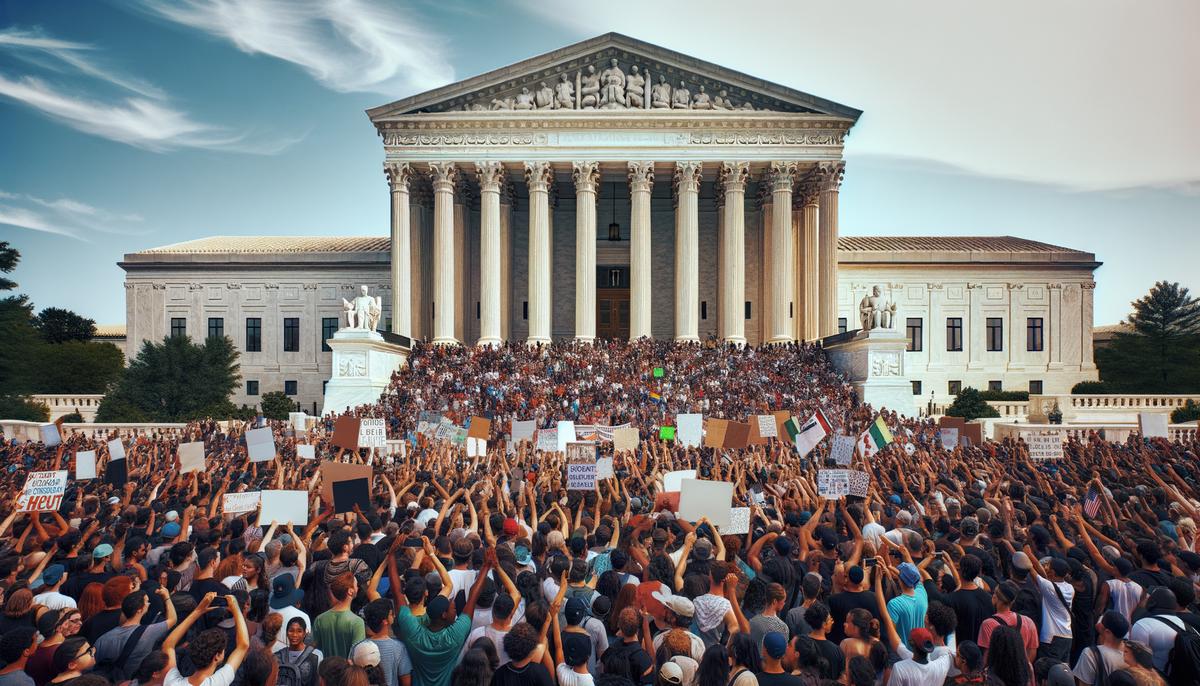
Yes, you can demonstrate or protest against invited speakers, provided you follow University policies and these guidelines:
- Avoid infringing on others' rights
- Do not disrupt events or shout over speakers
- Follow lawful instructions from authorities
- Leave areas where illegal activities occur
- Avoid encouraging violent acts
- Be aware of potential consequences of civil disobedience
What are the rules for chalking on campus?
Chalking is protected as a form of free expression, but the University can regulate:
- Locations where chalking is permitted
- Measures to prevent property damage
- Restrictions to avoid disruption of university operations
For more information, see the University's policies on chalking.
What expressive activities are prohibited on campus?
- Posting materials outside designated areas
- Affixing items to campus structures
- Setting up unauthorized structures
- Obstructing building entrances or pathways
- Concealing identity during illegal activities
- Refusing to provide identification to campus personnel
- Interrupting University operations